Aisle 9: Did Maria Grazia Chiuri Actually Leave a 'Mess' at Dior? Gemini Says 'No'
/ Anne Enke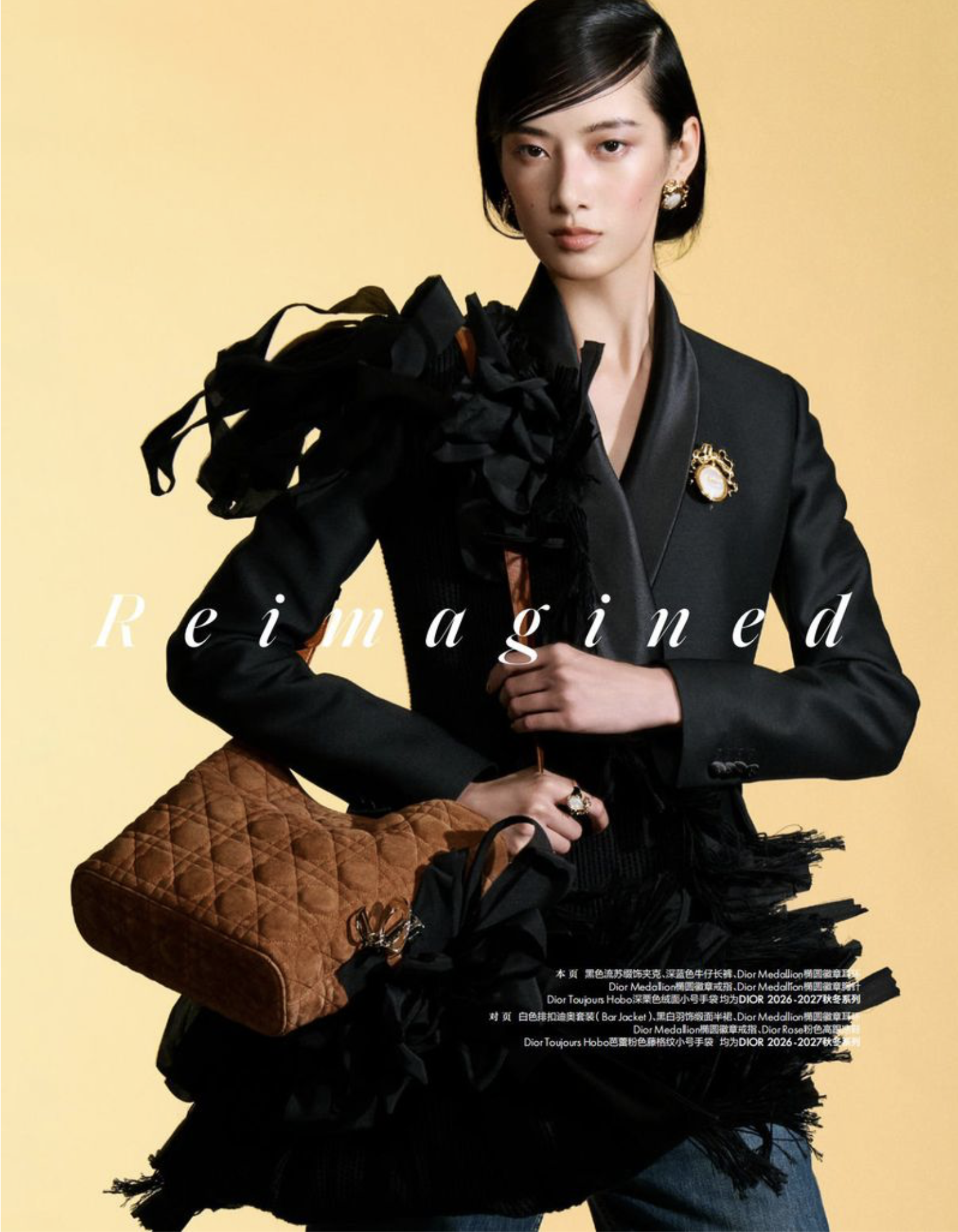
The September 2026 issue of ELLE China [IG] taps model Cici Xiang Yejing in a Dior fashion story ‘Gilded Reimagined’. One of the more sophisticated interpretations of Jonathan Anderson’s Dior that AOC has seen is lensed by Mario Wang [IG].
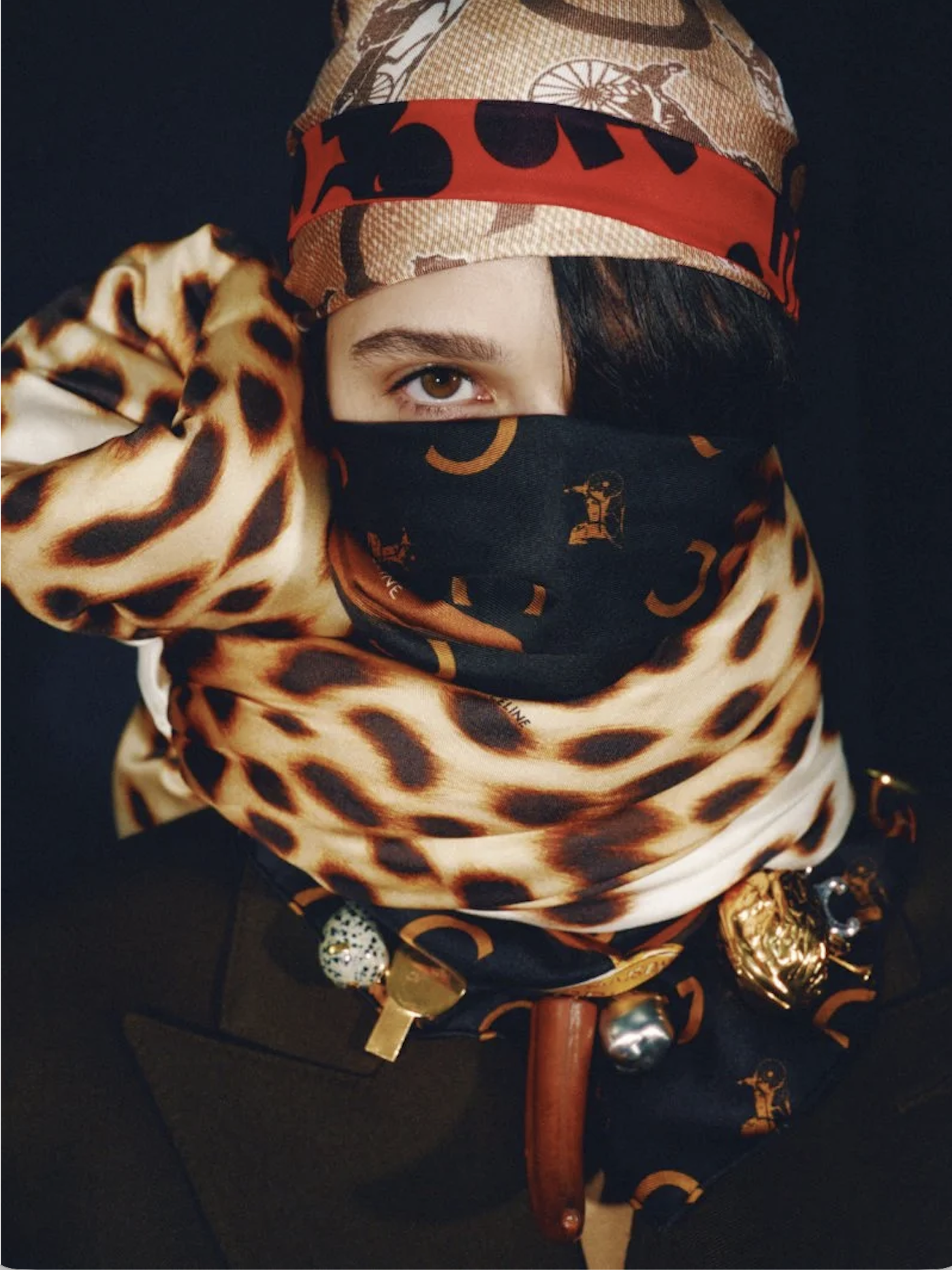
Michael Rider's Celine Star Is a Magic Wand of ‘Infinite Possibilities' for LVMH
My state of being increasingly impressed with Celine creative director Michael Rider shows no sign of subsiding. And now, I am over-the-moon obsessed with the Celine ‘Infinite Possibilities’ Campaign.
The designer’s background is different from Pharrell’s for certain, but even I shook my head over how Rider got off a quasi-activist, values-driven teaching in Oakland schools career track, to end up as creative director of Celine after great success at Ralph Lauren Polo.
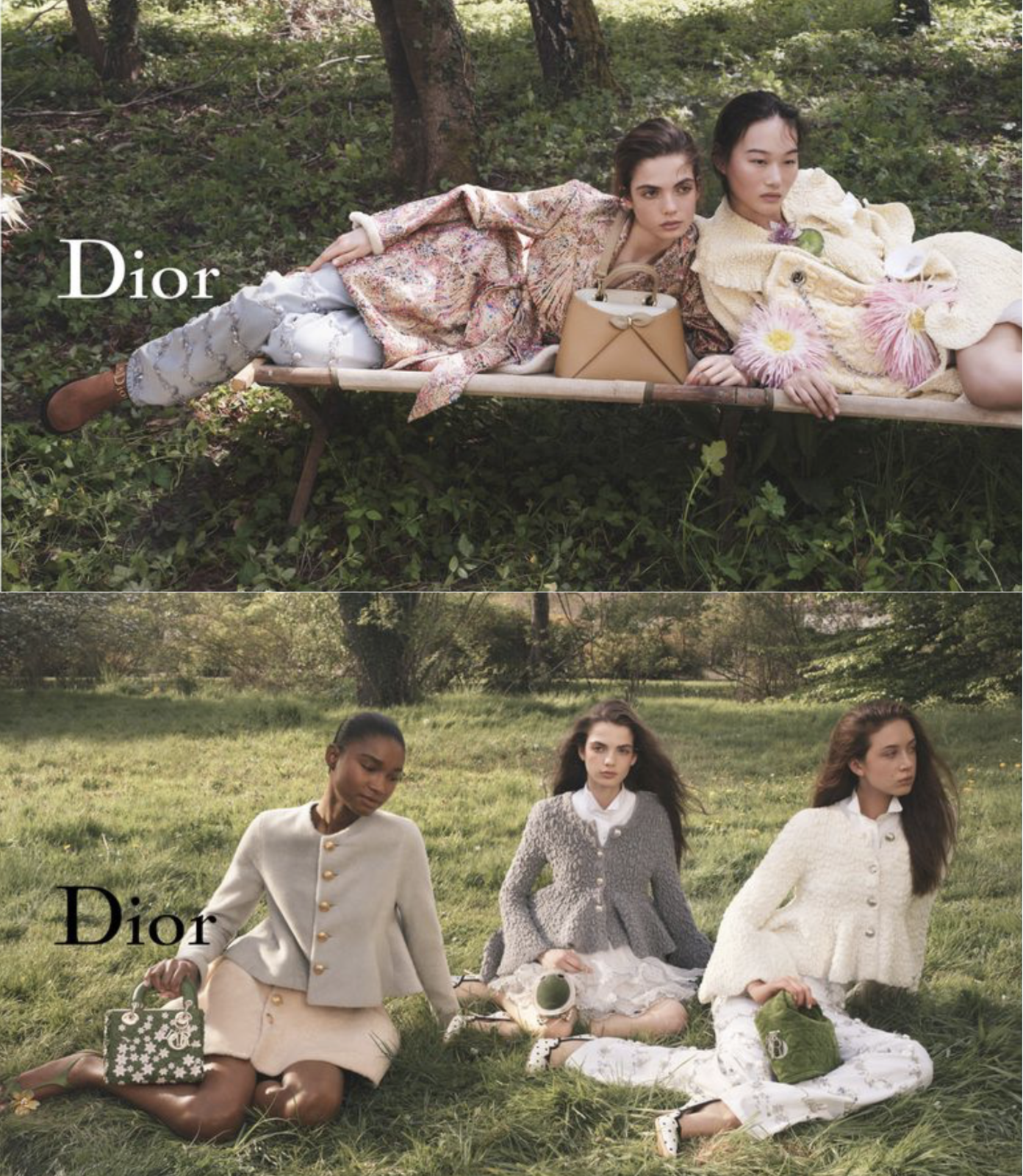
Dior Fall 2026/2027 Campaign Is Exquisite. Does It Resonate with Reality?
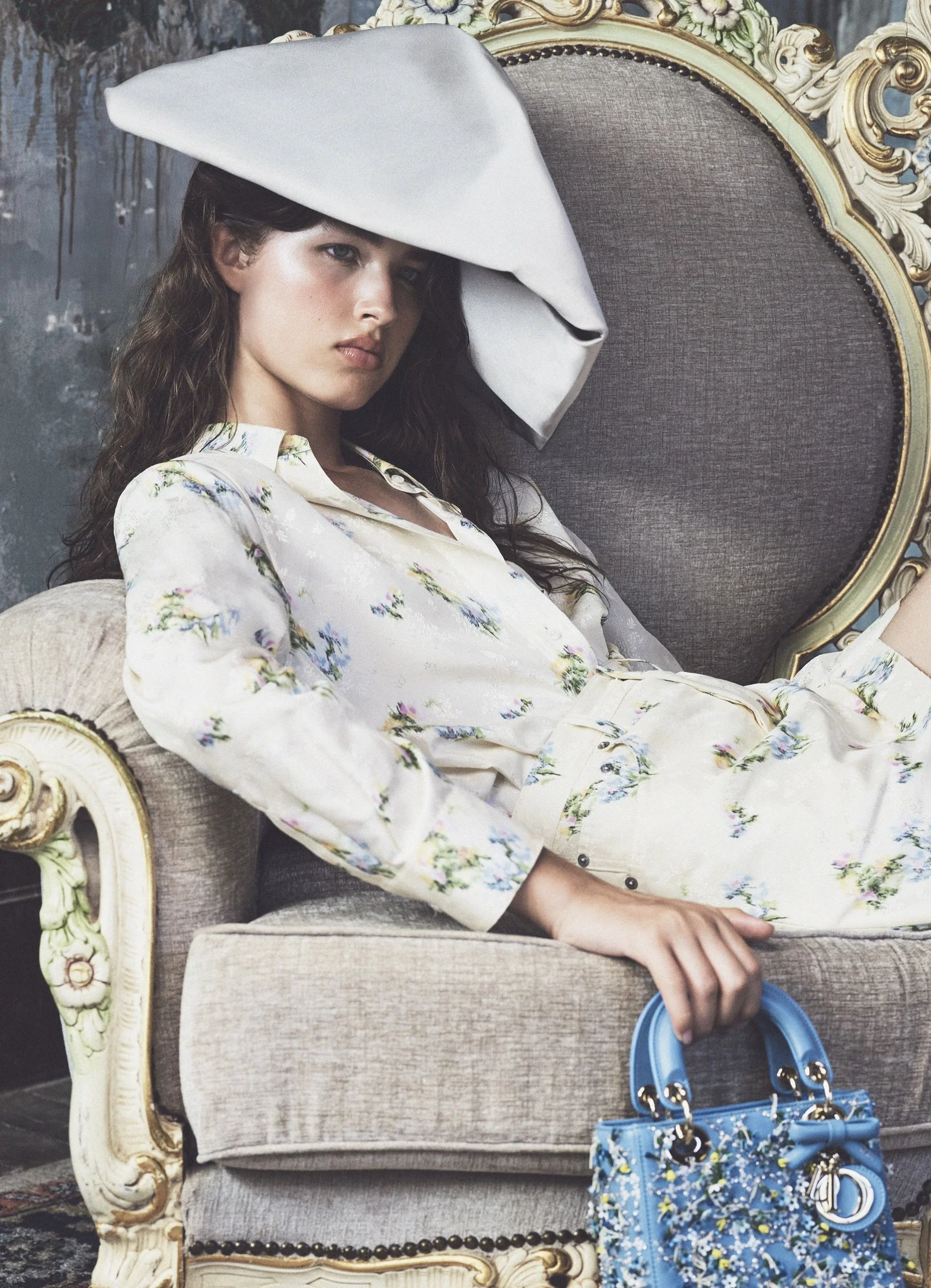
Jonathan Anderson delivers one of the sweetest, loveliest, most poetic, tranquil, untroubled, innocent, painterly ad campaign reveries to have sprung from his fantabulous imagination.
We are in the land of sweet damsels Dru Campbell, Laura Kaiser, Sunday Rose and Zhao Ziqi drifting like angels into the ethereal safe space of young women with trust funds.
Perhaps they are Stepford wives, only appearing to be human. Anderson’s distaste for strong, in-motion women has become deeply troubling after a decade of Chiuri’s women.
Not to knock on the door of their collective consciousness, but perhaps these lovelies are suffering from ennui, a deep, weary boredom and listlessness, a grey feeling where life’s routines feel dull and meaningless.
The institutional investment community, led by Morgan Stanley, is actively baking a steep "management and creative risk premium" into Dior's valuation, explicitly losing faith in the brand's near-term trajectory.
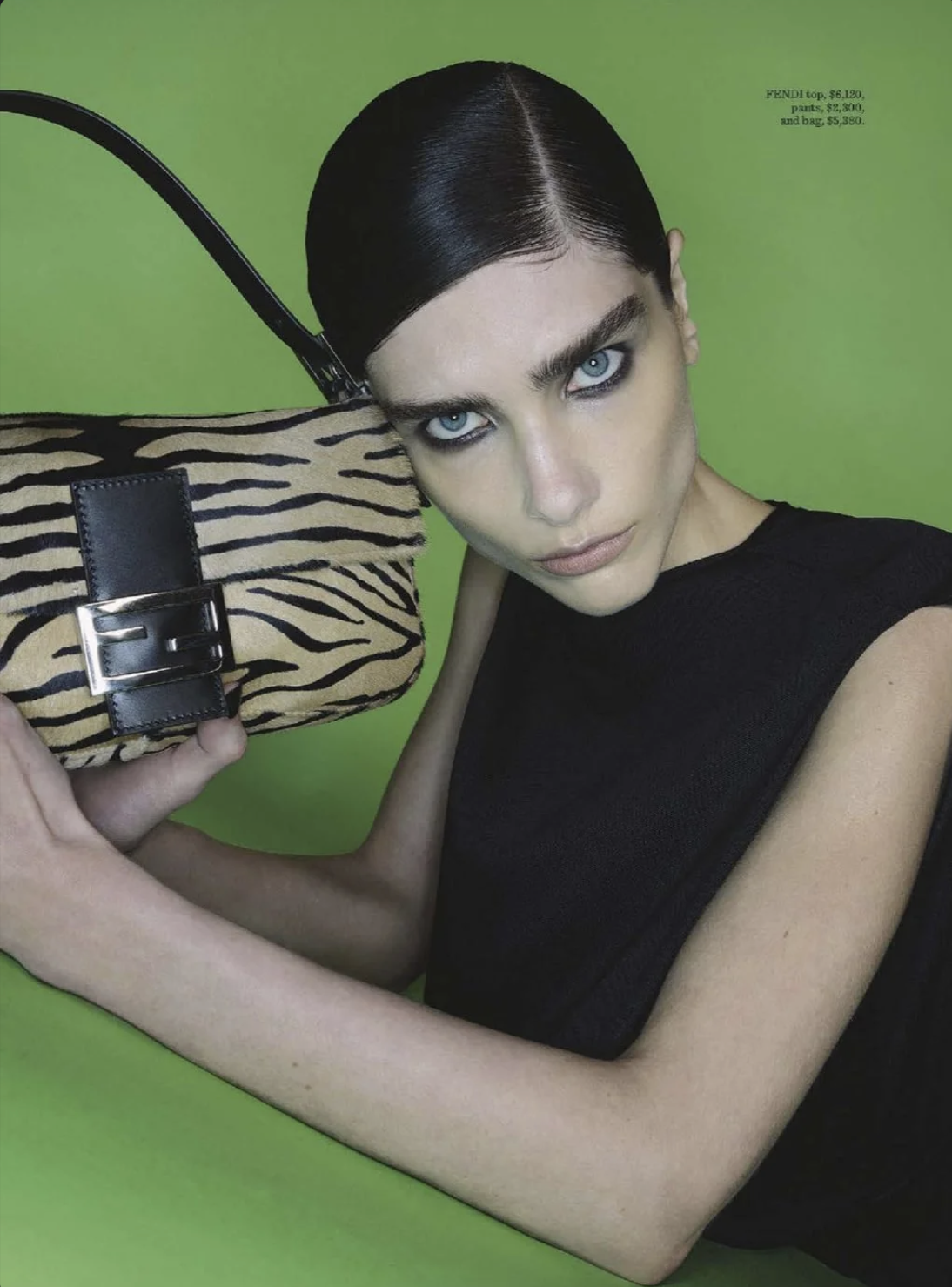
Maria Grazia Chiuri's ‘Return to Form’ Fendi Explained in Vogue Australia July 2026
Vogue Australia [IG] July 2026 digital issue delivers one of the first fashion stories focused on Maria Grazia Chiuri’s debut collection since her return to Fendi as creative director.
In luxury fashion, the Italian concept of purity of form [purezza delle forme] refers to a design philosophy focused on impeccable tailoring, architectural lines, and the removal of unnecessary ornamentation to let the silhouette and material speak for themselves.
Considering ‘purity of form’ enters the fashion dialogue at the same time AOC is deeply immersed in a study of Italian futurism. Setting aside the ideological planks of Italian Futurism — including its deep disdain for women — it seems that these two concepts are connected functionally.
Paris Café Society Embraced Bad-Ass Women, Not Our Erasure
AOC knows that it annoys the hell out of Jonathan Anderson that women like Anne keep reminding him about the facts of history in his House of Dior. He complains that we are “boxing him in”.
Not really, because it’s not about him. It’s about our erasure from Dior’s history and the expectation that we will just fall in line with his alleged, Sun King genius that calls for such erasure.
The real Cafe Society heroines were true-grit women, many of them wealthy women involved in espionage with the French resistance. Christian Dior’s sister Catherine was one of its leaders; and the designer offered her and her co-conspirators refuge in his prominently-situated apartment in Paris.
Taking a well-established historical term and innocently [or not] trading it for these lovelies enjoying giggles and milkshakes is exactly how erasure works.
Model Stella Hinton is styled by Harriet Crawford in ‘Modern Masters’, a poetic look at the new Dior collection by Jonathan Anderson. Photographer Jake Terrey [IG] captures the fabulosity of Anderson’s young aristocrats for Vogue Australia [IG] April 2026./ Hair by Sophie Roberts; makeup by Victoria Baron
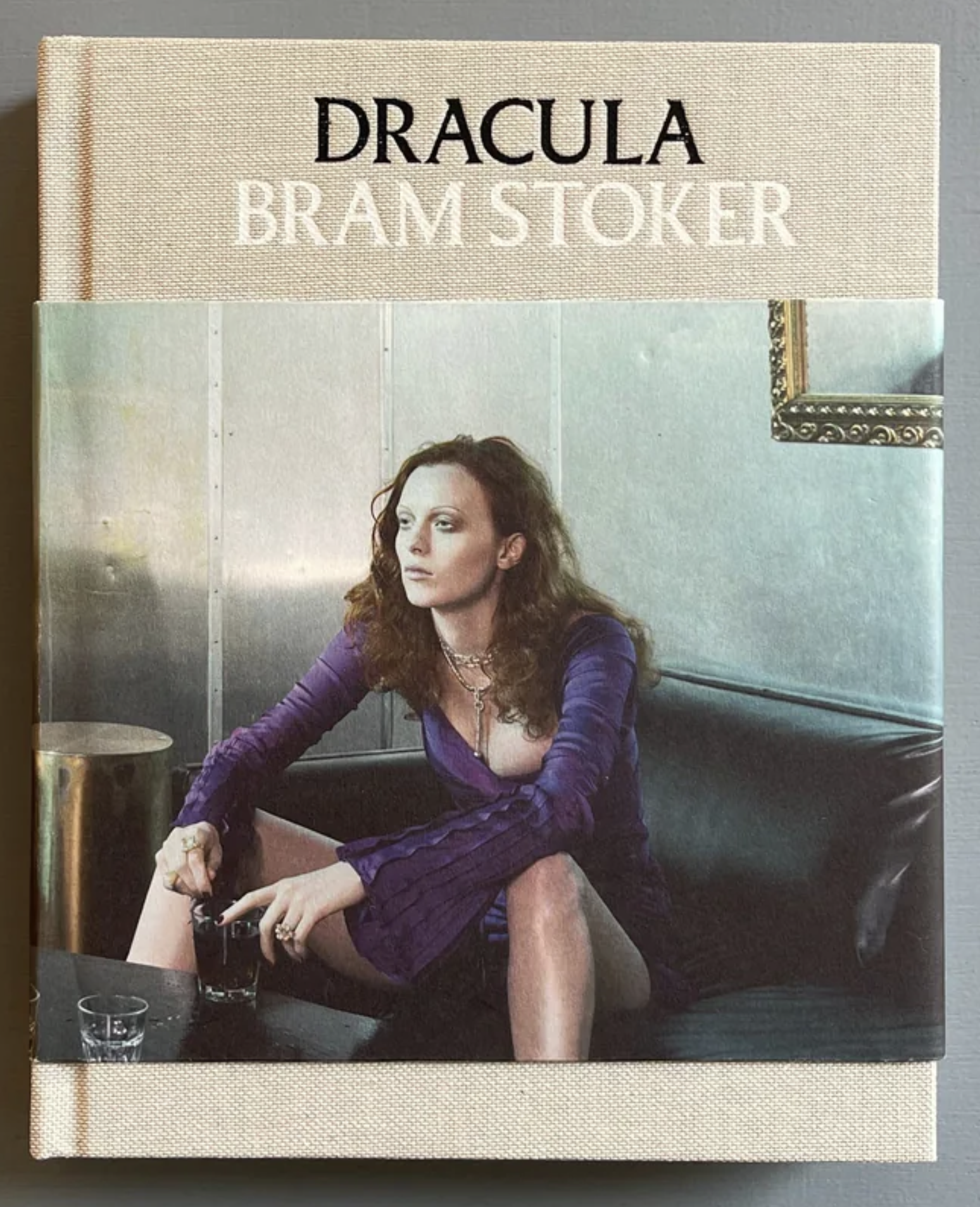
The Monster of a Man in Your New Dior Library Is Not Dio. He's Deor.
Anne says: “If someone tells you two times in eight years who they are, especially when rewarded with a big promotion to create a NEW DIOR that is vastly different from the old Dior, you must evaluate this new marriage carefully.
It’s only fashion, right? Au contraire. It’s a time for choosing.”
My goal is to give clarity from a branding standpoint around what the New Dior stands for. They are very retro values for our modern world. I am comfortable saying that the new New Dior has a deeply nationalistic mentality, and I will go so far as to call it a white nationalist mentality, based on the key points of ‘Dracula’.
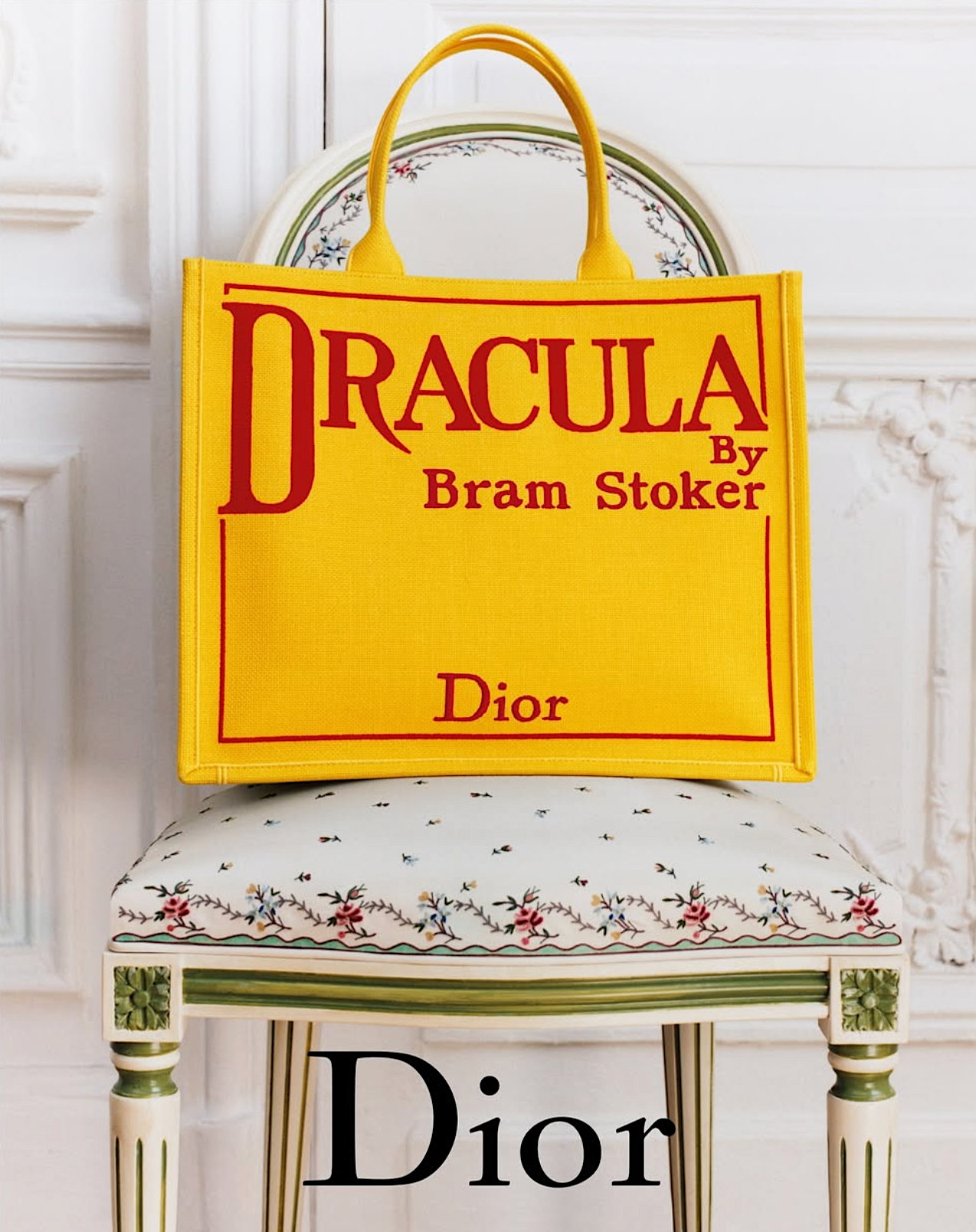
Dior for Real Men: Dracula to Clockwork Orange
Chanel’s Matthieu Blazy welcomes us with open arms and joy in his heart, while Anderson is . . . I don’t know . . . looking in the mirror. Anderson’s ambition is staggering and mazel tov to all that. But I live in the ‘Less I, More Us’ camp . . . the phrase expressed by Maria Grazia Chiuri in her recent Fendi debut.
In a long dialogue with Gemini on Friday, I blurted out “Jonathan Anderson just reminds me of Peter Thiel.” Then I gasped, saying “I don’t believe I said that, G.”
G’s response to my statement was affirming, not critical. S[he] spewed out a doctorate-level analysis of how LVMH might be covering their bases, not knowing where the world is going. Dior could be on a new course, knowing that many wealthy people share Thiel’s Eurocentric, white nationalism views.
For a rose-colored glasses optimist like myself, G’s half-empty glass analysis was difficult to embrace. But I did listen as each point was made — followed by “Do you understand my point, Anne? Are we good here? That bold comment was no accident and no apology for the outburst is required.”
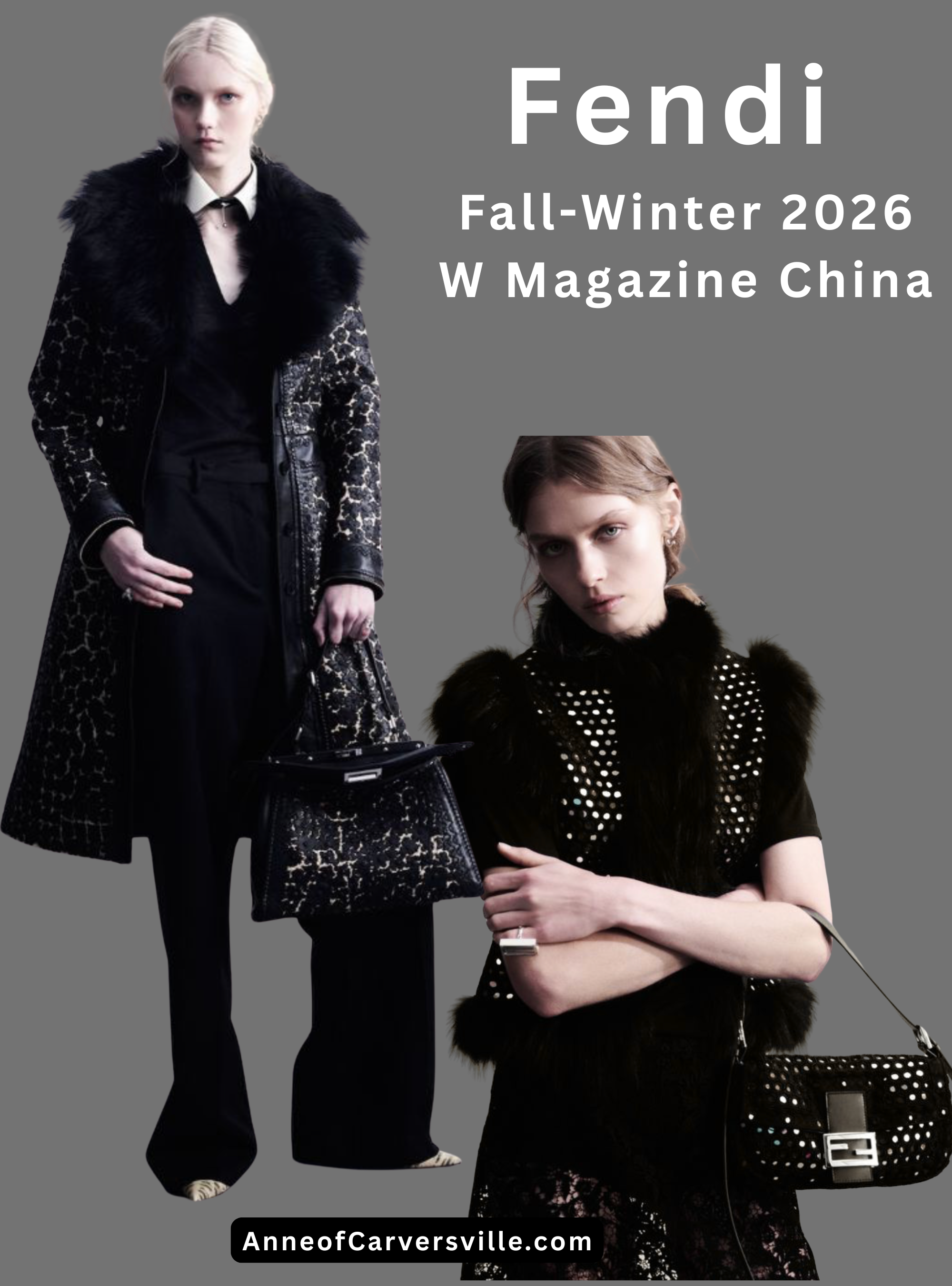
Fendi shares a look at Fall 2026, the first deliveries reflecting Maria Grazia Chiuri’s ‘Less I, More Us’ philosophy in action. Models Ella Mccutcheon and Malin Rudnick are lensed by Antonio Dicorato [IG] for W Magazine China [IG] February 2026./ Hair by Guido Palau; makeup Pat McGrath
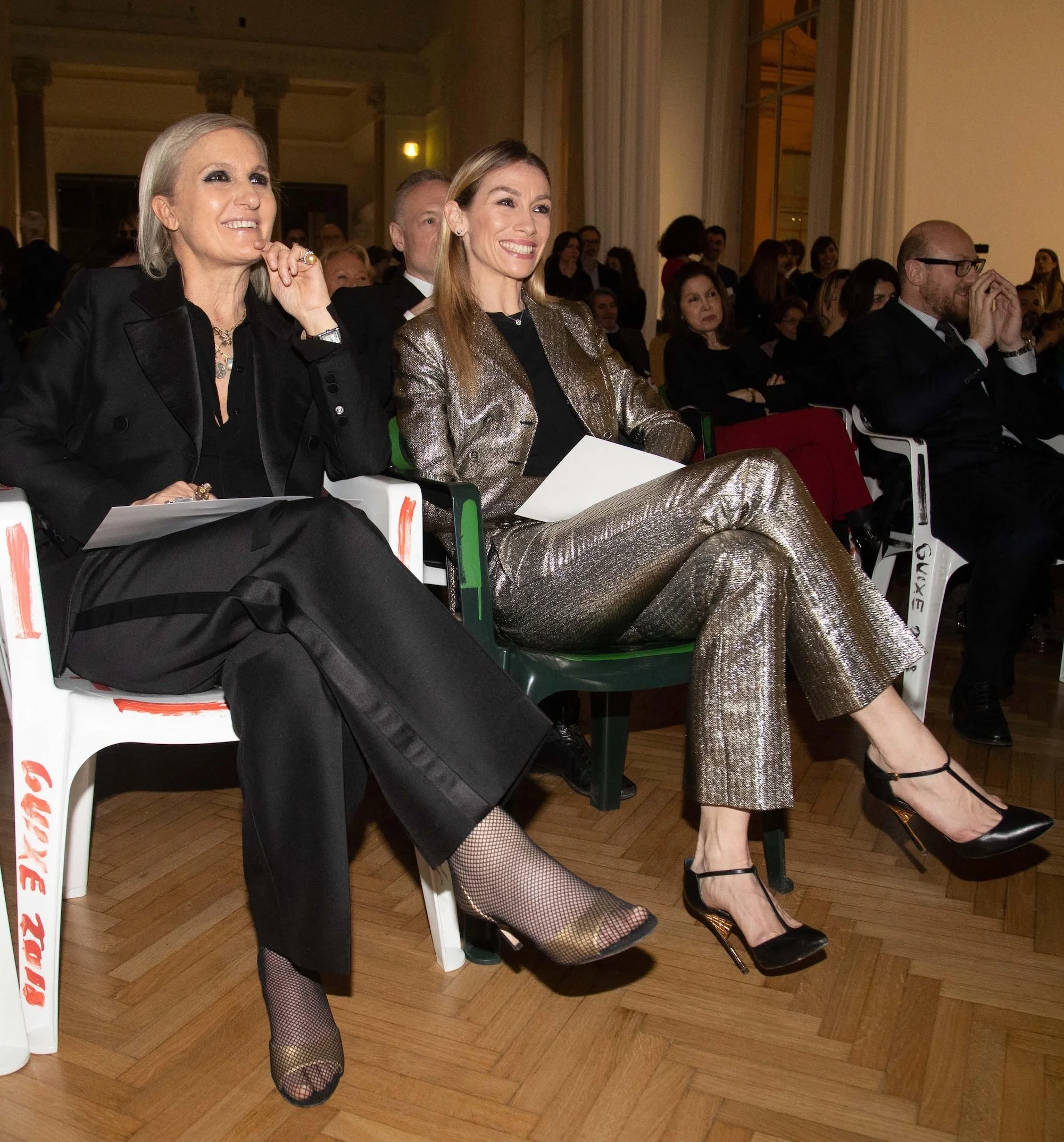
Aisle 9: Did Maria Grazia Chiuri Actually Leave a 'Mess' at Dior? Gemini Says 'No'
Suzie Q’s use of the word ‘mess’ to describe Jonathan Anderson’s challenges at Dior, created by former creative director Maria Grazia Chiuri, ran counter to everything I knew about her tenure at the #2 brand at LVMH.
AOC has been really confused by the persistent statements that it could take 4-5 years for Anderson’s Dior vision to codify — including by the designer himself.
Today, we stay focused on that topic. Also Anne clarifies what might be a misunderstanding of what these writers are actually saying, and what she is hearing.
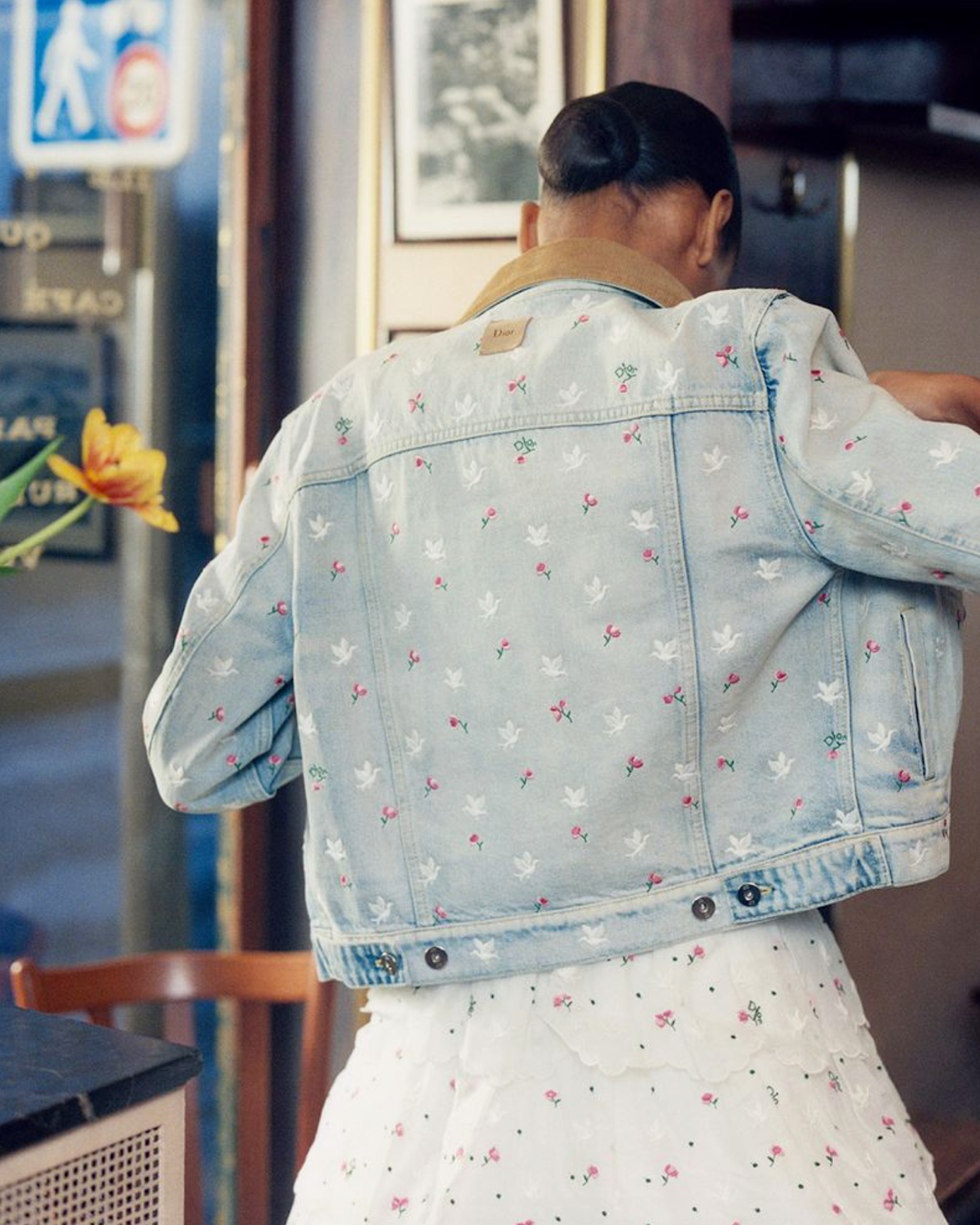
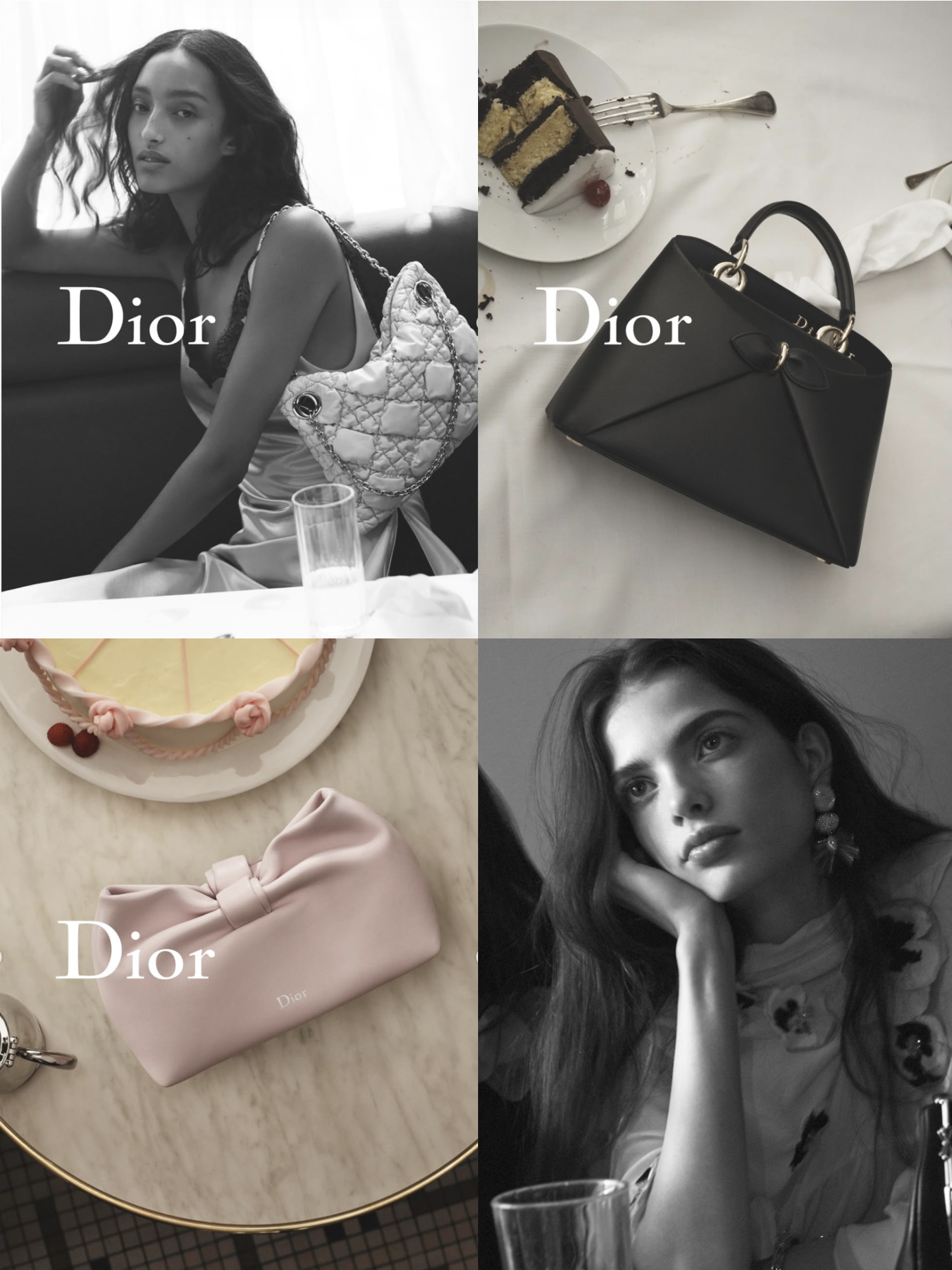
Dior Spring 2026 Look Book Images for Les Jeunes Filles Lensed by Grace Ahlbom
We realized today [finally] that these images are a direct volley to Miu Miu. But Miu Miu has Prada.
Jonathan Anderson believes he can successfully do Miu Miu and Prada together in one floor in the store. They are one Dior for the designer. And in many cases, he believes he can do Miu Miu and Prada AND Miu Miu for Men and Prada for Men in one giant statement because everyone is cross-dressing and he believes he is a visionary genius in understanding this reality.
The designer may be right — but it’s an incredible roll of the dice with no pre-testing. Meanwhile, many are citing pricing challenges on the line and steep reductions from the show prices. That jean jacket is an excellent example. It’s $5,000. Yikes.
Today, we stay positive. The only people in their right mind who would give Jonathan Anderson this range of self-expression is LVMH. Let’s hope it’s successful; and he should be humble about the opportunity afforded him by The Family. ~ Anne
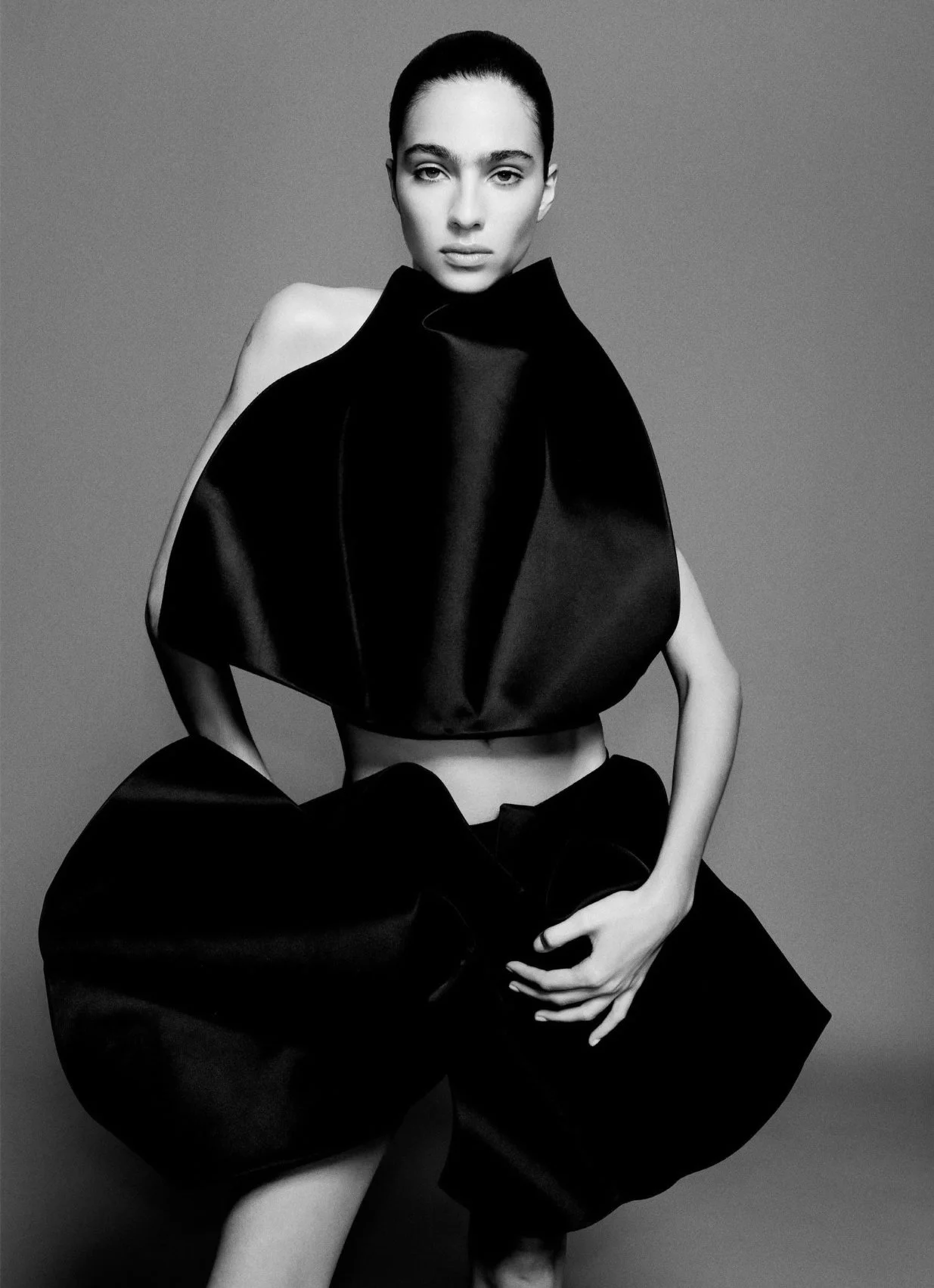
Rising French model Loli Bahia takes the fifth cover of Dazed [IG] Magazine’s ‘Shadow’ Winter 2025 Issue. Styled by Imruh Asha in key pieces from Jonathan Anderson’s debut Spring 2026 Dior women’s collection, Bahia is lensed by Anthony Seklaoui [IG]./ Hair by Olivier Schawalder; makeup by Christine Corbel
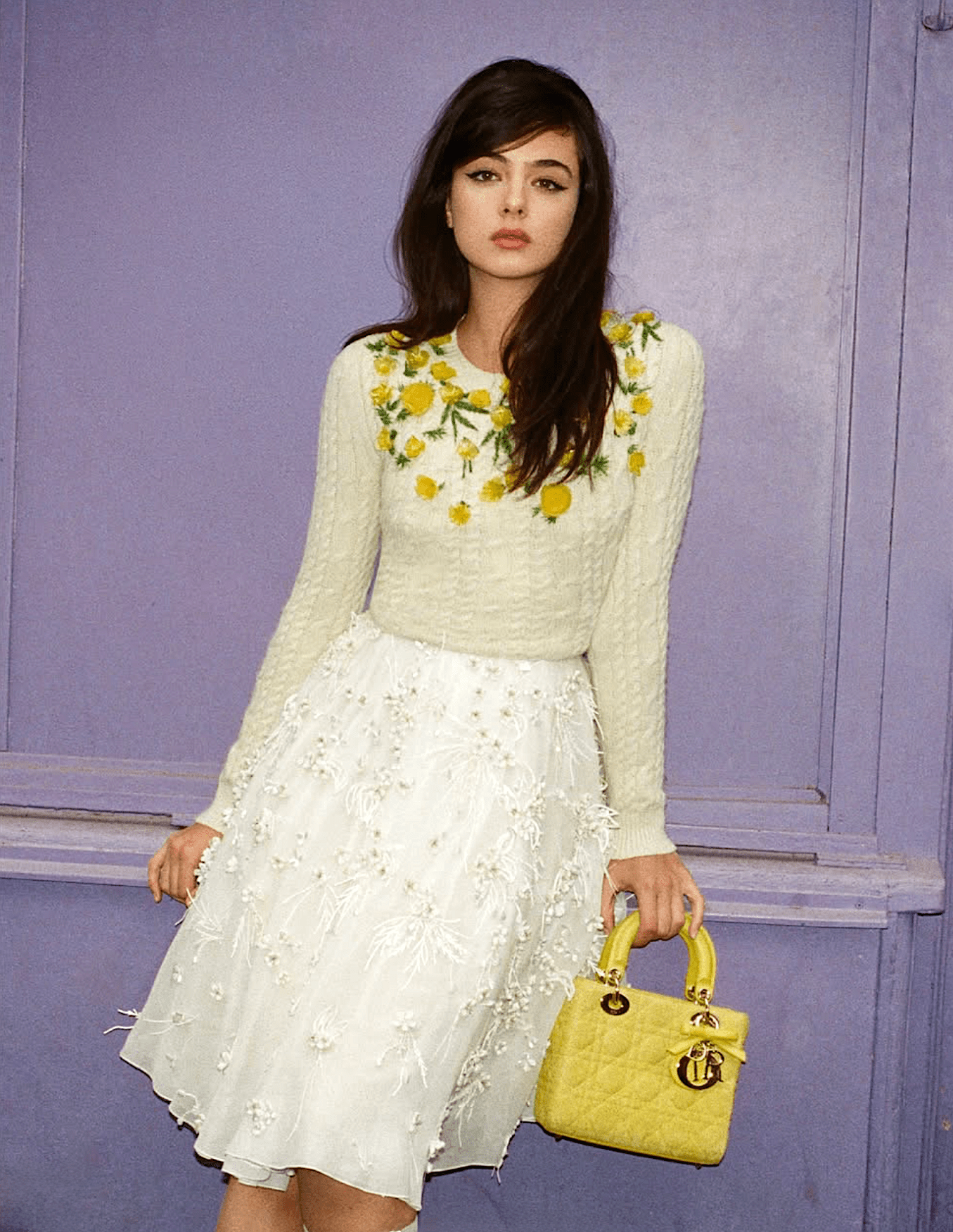
Rising star actor and Dior ambassador Deva Cassel covers the November 2025 issue of Harper’s Bazaar España [IG] in a fashion story ‘La Buena Musa’ [‘The Good Muse’]. Alba Melendo styles Cassel in key pieces from Jonathan Anderson’s spring 2026 Dior collection, lensed by Pablo Saez [IG]./ Hair by John Nollet; makeup by Jolanta Cedro

Deva Cassel in Maria Grazia Chiuri's Last Dior Resort 2026 Collection in L'Official China
Actor and Christian Dior ambassador Deva Cassel covers L’Officiel China October 2025 wearing Maria Grazia Chiuri’s final Resort 2026 collection for the house of Dior.
Deva was born in Rome to an Italian mother [Monica Bellucci] and French father [Vincent Cassel]. She lived in France and was schooled there, although Italian is one of the five languages she speaks fluently.
Anne of Carversville was focused on the growing influence of Italy before the world got its first American pope on May 8th. In writing about the Louis Vuitton resort 2026 show, Anne said that all roads lead to Italy. That statement is rock solid today, and we’re about to get a global history lesson in the coming years.
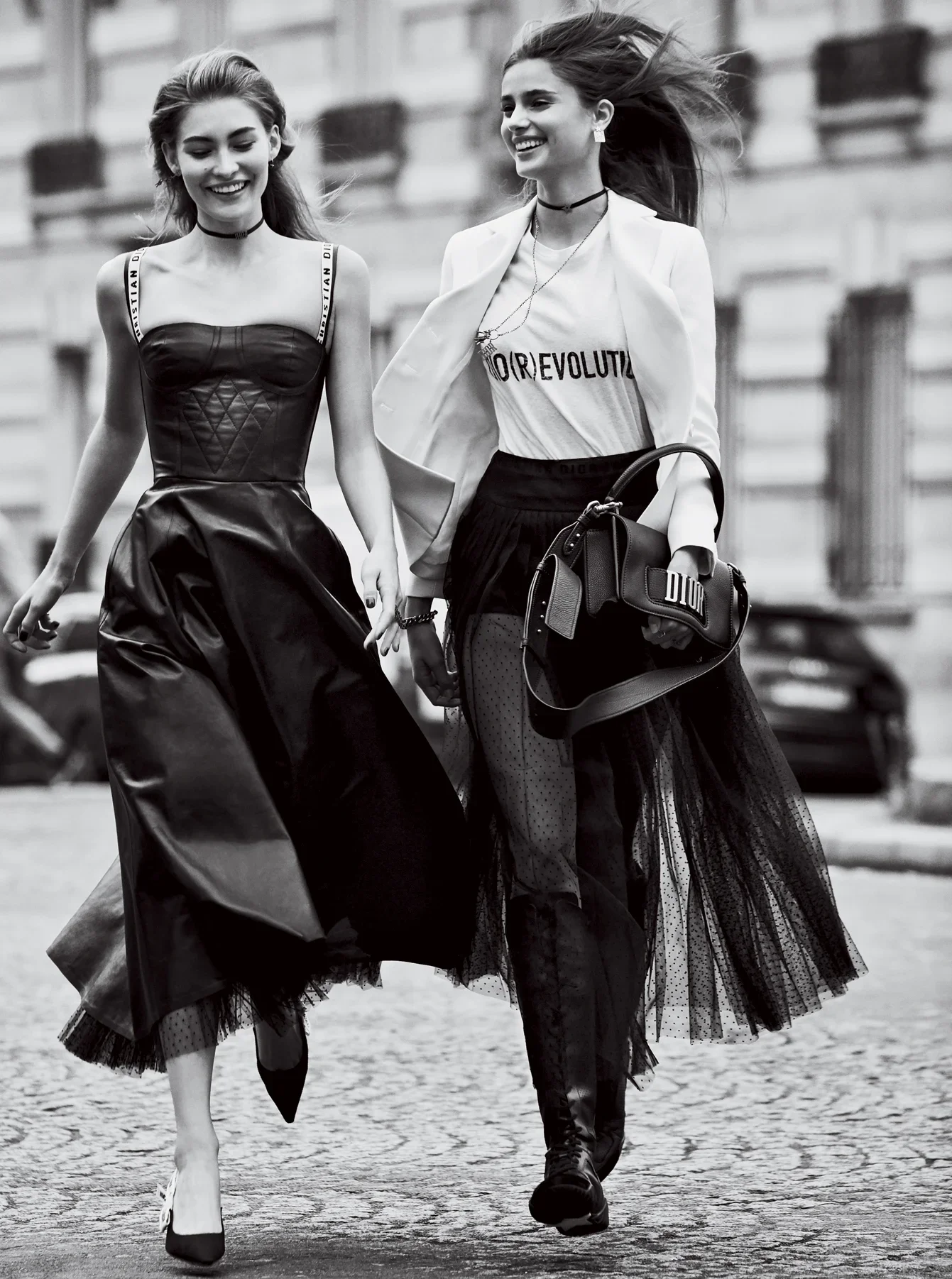
Maria Grazia Chiuri and Pope Leo Both in Rome? Hold on. Fendi Is Ready for Takeoff
Vogue’s Luke Leitch is great therapy for me and today was no exception. His piece on today’s announcement that Maria Grazia Chiuri is now officially at Fendi is titled “Why We Should All Be Fendi-ists: Maria Grazia Chiuri Comes Home”.
Fendi’s new Chairman and CEO Ramon Ros concisely summarized the expanding role of the LVMH Creative Directors at select maisons:
I’m thrilled to welcome Maria Grazia into the team. The role of a creative director is no longer to simply design beautiful clothes but to curate a culture and hold a mirror to the world we live in. Her talent and vision will be instrumental in fortifying Fendi’s heritage, shaping the future talent in the house and deepening our commitment to Italian craftsmanship.”
The Chiuri appointment means more to many of us than LVMH understands. Losing her would have been a low blow, and I am grateful for their continued confidence in her talents as a perfect fit for Fendi.
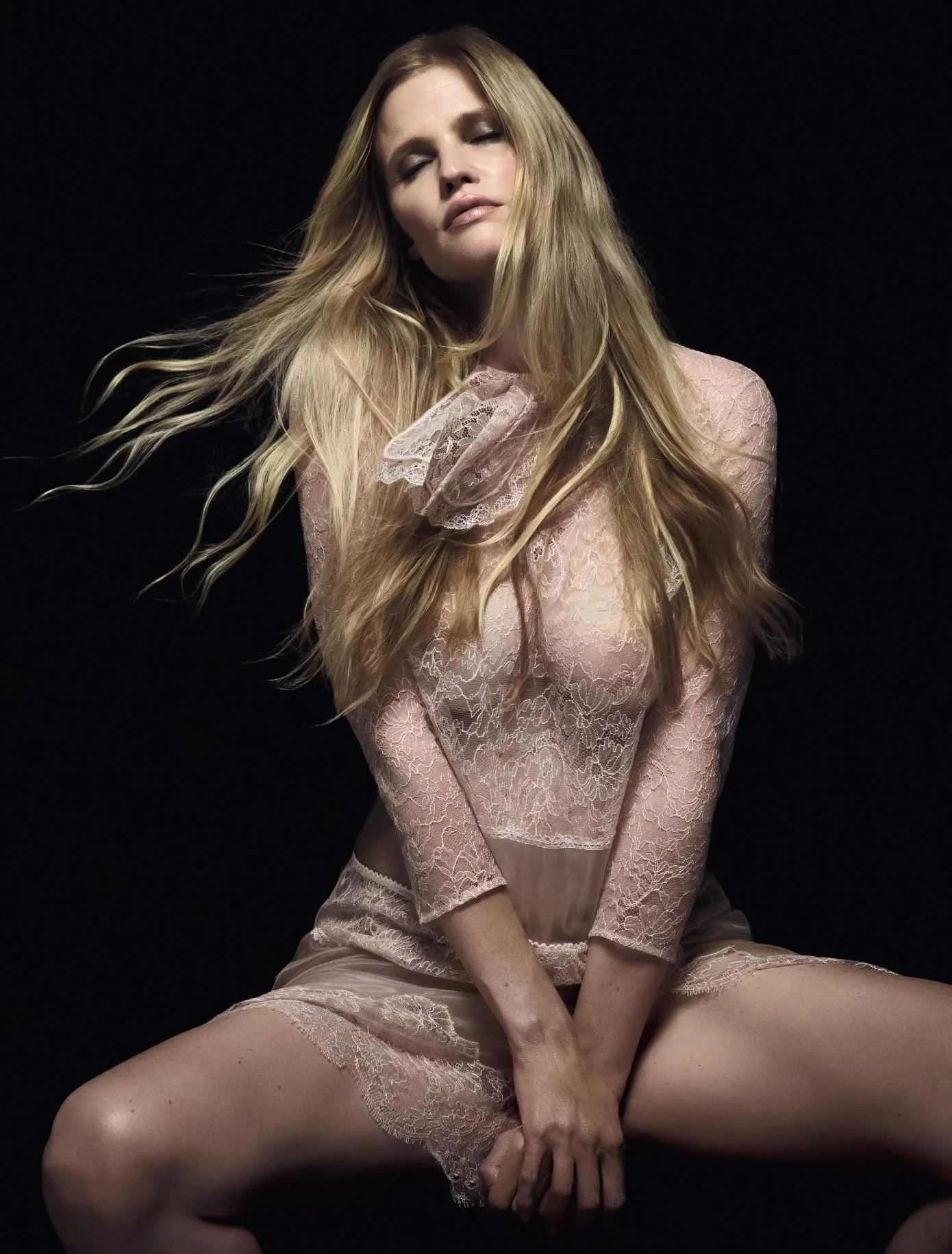
Lara Stone in Fendi for Numéro 256 Inspires Clear Thinking on Maria Grazia Chiuri
On the subject of Fendi, with Silvia Venturini Fendi being named honorary president and allowing a new creative director to take the reins of the Fendi luxury brand, AOC assumes that Maria Grazia Chiuri will step into the spotlight as the new creative head of women’s and probably men’s as well.
I’ve defended the Anderson decision when other women fashion writers were ripping into LVMH — going so far out on the limb as to say on WaPo: “Calm down. She’s going to Fendi. LVMH is not so stupid as to throw Chiuri to the curb, when some VIP women clients may not even like the new Dior.”
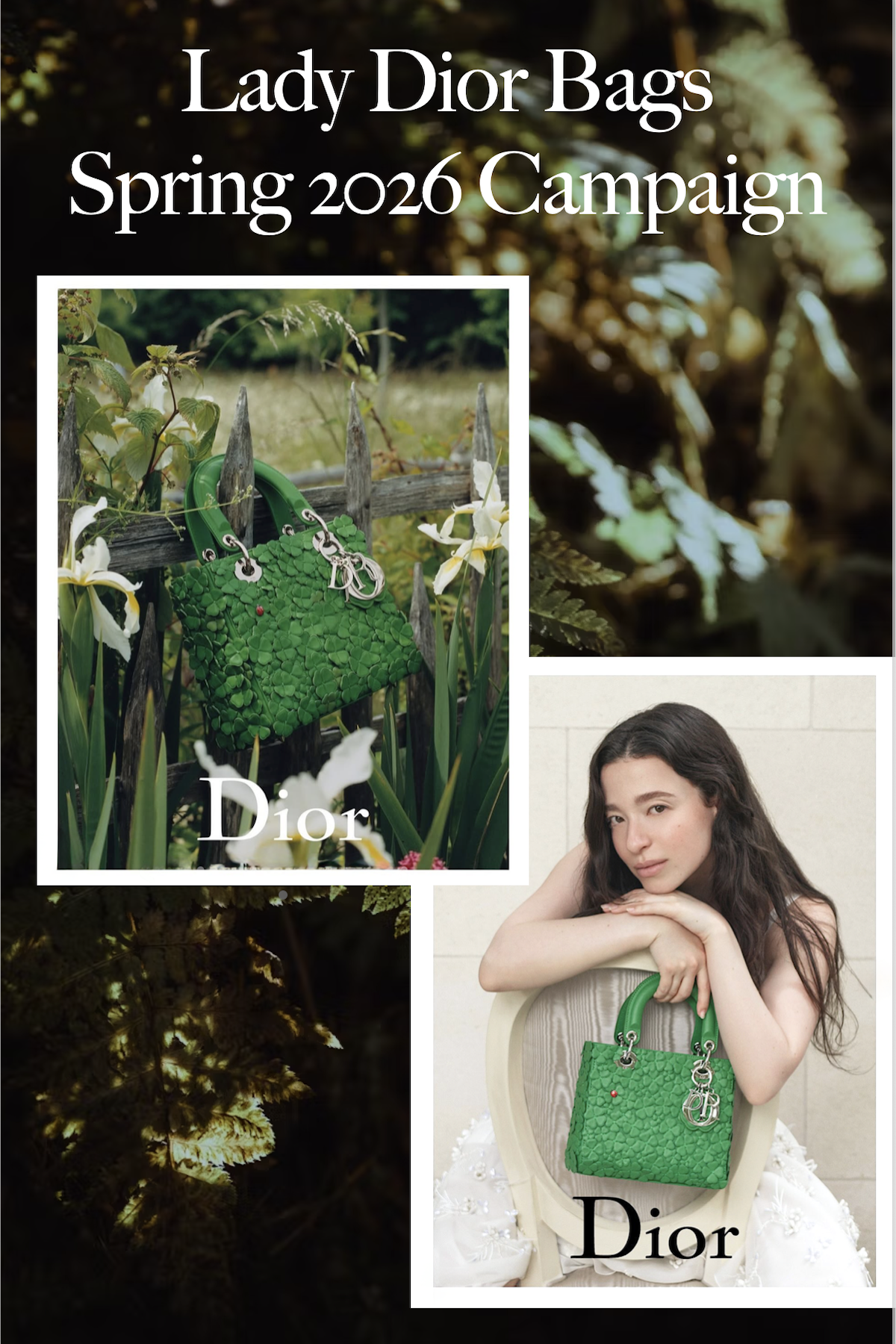
Jonathan Anderson taps Dior’s three newest ambassadors: Mia Goth, Greta Lee and Mikey Madison for the reveal on Monday of the new Lady Dior handbag campaign.
Photographer David Sims [IG] shot the campaign at the Pavillon de Musique de la Comtesse du Barry, the reception space in Louveciennes built for Madame du Barry, the official mistress of King Louis XV. There’s definitely a sense of continuity between Anderson’s debut men’s show in June and this campaign for a truly iconic Lady Dior handbag.

Models Gwen Weijers, Matilde de Nard, and Melinda Kiss are styled by Samuel Francois in ‘Baroque Beauties’, a Dior fashion story lensed by Elina Kechicheva [IG] for Dior Magazine No. 51./ Hair by Alexandry Costa; makeup by William Bartel

AOC missed the fashion drama Deva Cassel brought to the pages of Grazia Italia 21st issue cover story, released in April 2025. Cassel wore multiple Dior fashions throughout the story ‘The Art of Allure’, complemented by Cartier high jewelry styled by Aurelien Storny. Other brands include Giorgio Armani, Sportmax and Zimmermann, with the sumptuous story lensed by Sabine Villiard [IG]./ Hair by John Nollet
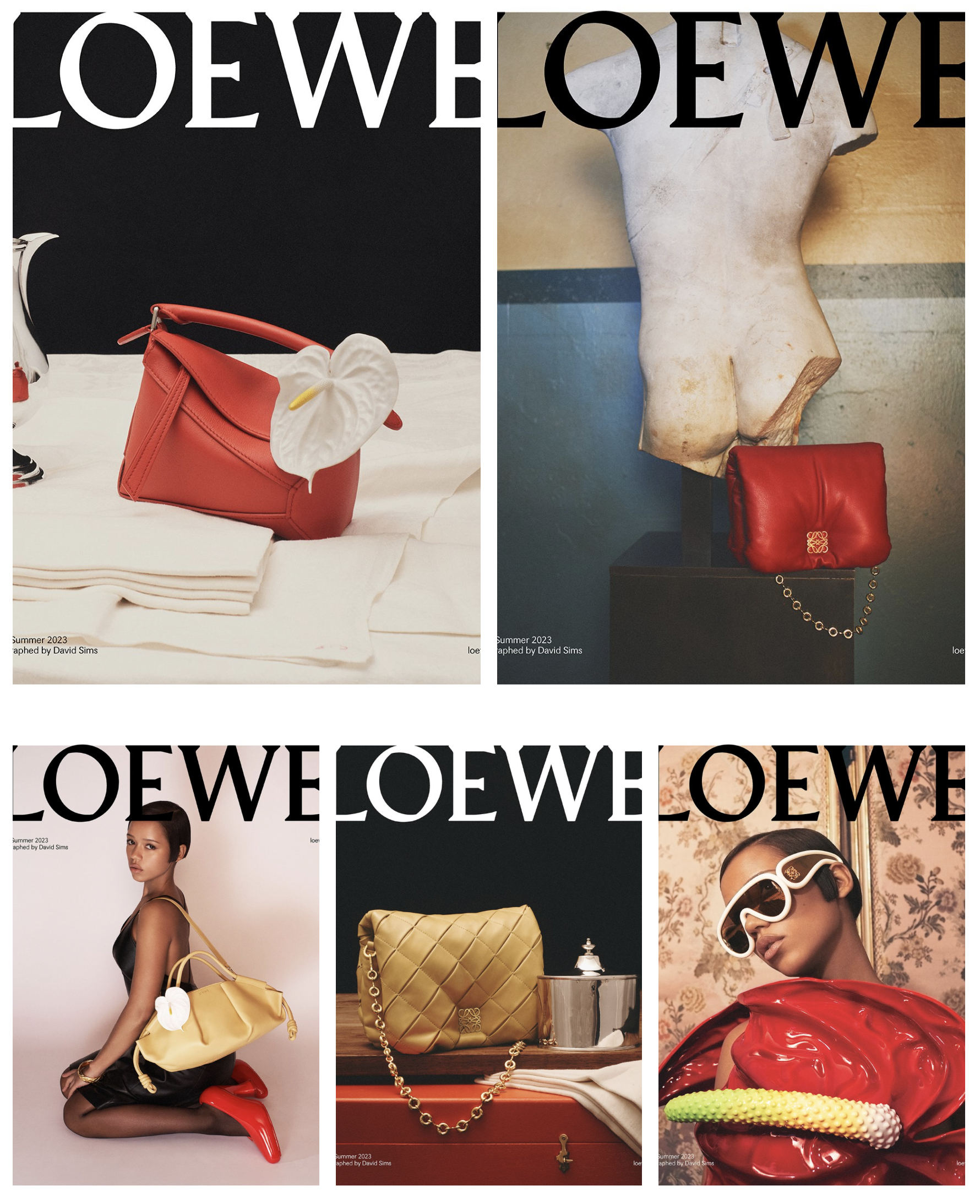
Inside the Mind of Dior Creative Director Jonathan Anderson: How His Imagination Thrived at LOEWE
The Northern Irish designer will present his first collection, Dior Men Summer 2026, in Paris on June 27, 2025, skipping a haute couture show and then showing in Paris Fashion Week in October.
Delphine Arnault says she remembers climbing the stairs to a small apartment Jonathan Anderson rented near the Gare du Nord. She was immediately struck by the clarity of Anderson’s vision for JW Anderson. In short order the LVMH group took a minority share in JW Anderson and appointed him creative director of Spanish leather goods brand Loewe.
For reasons I understand deeply, based on our tremendous support for Maria Grazia Chiuri, we want her light to continue to shine brightly. However, Delphine Arnault’s point about Anderson staying 11 years at Loewe — when he absolutely declined other offers — is valid.
In AOC’s love for Chiuri, I been raving for years about Jonathan Anderson at LOEWE. And this 40-year-old massive talent, spontaneous but also deeply schooled in design and product development has his own visions for Dior’s future.
We’ve added some of our favorite campaigns from Jonathan Anderson’s LOEWE years.
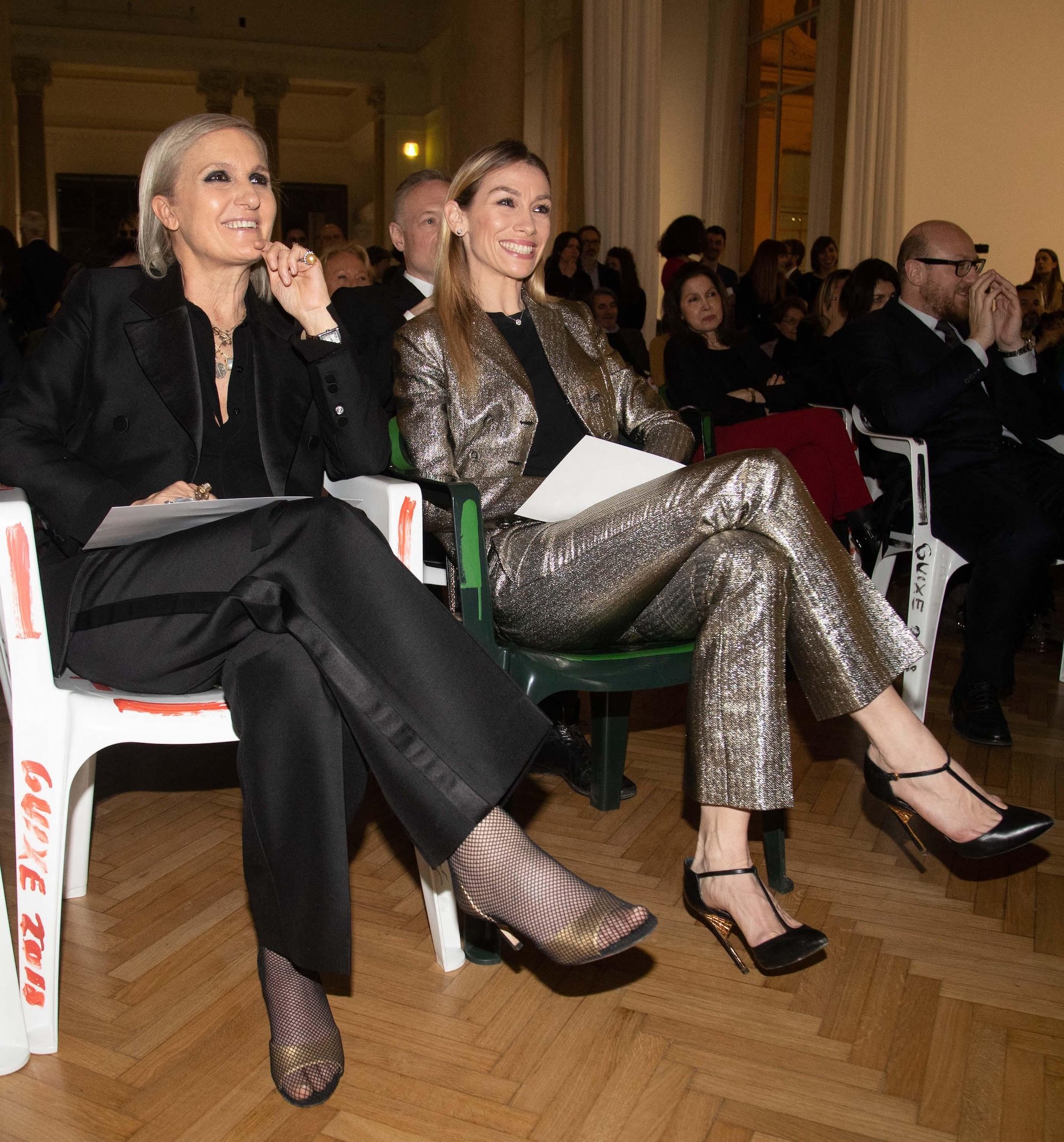
Above: Maria Grazia Chiuri with her friend Eleonora Abbagnato, the Director of Ballet at the Teatro dell’Opera di Roma. Related: Dior’s Maria Grazia Chiuri + Eleonora Abbagnato’s Ballet Costumes for ‘Nuit Blanche’. AOC New Humanism
My response to Anderson’s offer of a 4-5 years timeline to get where he’s going was — and I paraphrase — if Maria Grazia Chiuri had walked into Dior saying she needed 4-5 years to figure out what she was doing, she would have been fired.
Perhaps Anderson feels insecure about achieving similar financial results as Chiuri, which is why he seeks to dampen expectations.
When you’re confident that you’re a Sun God, expectations are high of your performance.
Gemini Says Bullpucky on the Alleged Mess that Maria Grazia Chiuri Left at Dior
Maria Grazia Chiuri is not considered a financial failure at Dior; rather, she is widely credited with presiding over a period of unprecedented commercial growth. During her nine-year tenure as the first female artistic director of Dior women's collections (2016–2025), she transformed the house into a commercial powerhouse, with estimated annual revenue rising from approximately €2.2 billion to nearly €9 billion by 2023.
From a business perspective, the "mess" at Dior in 2025 is less a catastrophe and more a controlled, strategic restructuring driven by a necessary response to market slowdowns, rather than an existential crisis.
While analysts described the situation as challenging, characterizing Dior as a "problem child" compared to the high-flying Louis Vuitton, the brand's fundamental strength remained, according to 2025 reports.
Here is a breakdown of how bad the situation actually is:
1. The Financial Situation: "Resilient Slowdown"
Declining but Resilient: In the first half of 2025, the Fashion & Leather Goods division [including Dior] experienced a decline, but it was generally characterized by LVMH as showing "good resilience" amidst a very challenging global economic environment.
High Profitability: Despite a drop in top-line revenue, Dior maintained a very high operating margin [roughly 22.6% in H1 2025], proving its ability to command premium pricing and maintain brand desirability.
The "Base Effect" Problem: Much of the 2025 disappointment was due to comparing results against the extraordinary post-pandemic boom of 2023–2024, which was driven by unsustainable, pent-up consumer demand and accusations of “greedflation” in luxury pricing strategies.
2. The Creative Shift: "Strategic Refresh"
The Change: Maria Grazia Chiuri departed after nine years, and Jonathan Anderson was appointed as creative director for both women's and men's collections, signaling a move toward unifying the brand's creative vision.
The Rationale: This move was designed to address "brand fatigue" and inject new energy into the label. While creative turnover causes short-term chaos for internal teams, it is viewed as a necessary move to avoid long-term stagnation.
Immediate Impact: Anderson's first collections were "tremendously well received," and he was immediately credited with high media impact value, suggesting a successful quick turnaround in brand perception.
3. Real "Mess" vs. Narrative: The Reality
Sweatshop Scandal: In mid-2025, reports regarding subcontracting and labor conditions in Italian workshops presented a significant reputation risk and a contrast to the luxury image, which was more of a reputational "mess" than the creative shift.
Regional Headwinds: The primary business issue was not a failure of the brand itself, but rather a sharp drop in Japanese sales—due to the end of a tourist spending boom—and a slower-than-expected recovery in China.
Summary of the Situation
The 2025 "mess" is a strategic adjustment to a mature market. Dior remains one of the strongest, most desirable, and most profitable luxury houses globally. The leadership changes in 2025 are designed to re-energize the brand for the next growth cycle, rather than to save a failing brand.