Seawater Biofuel Promises Aviation Fuel Breakthrough, No ‘Flygskam’
/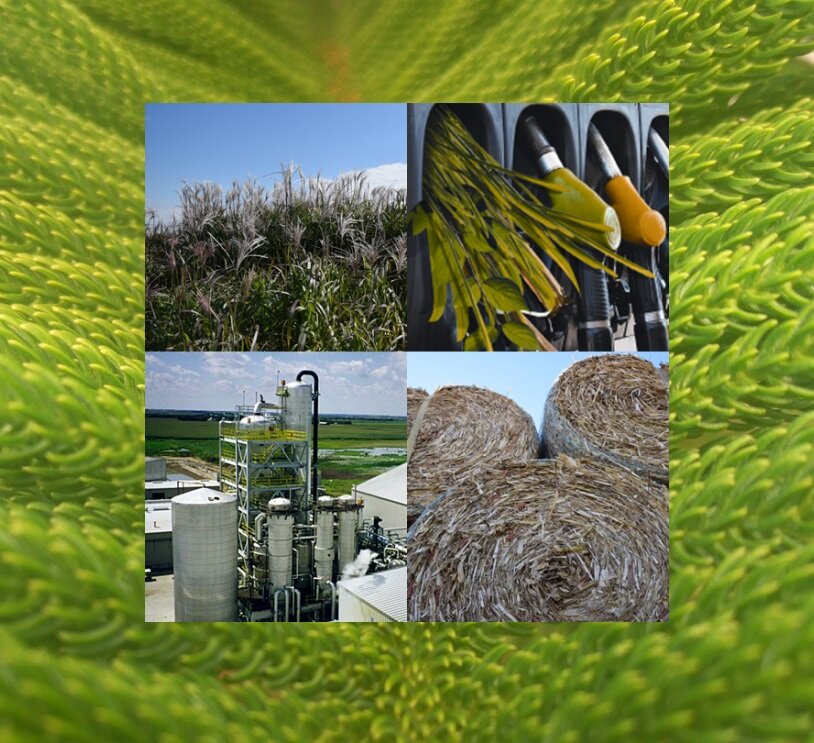
MIB (Manchester Institute of Biotechnology) says a cleaner replacement for jet fuel, made from seawater, could be just a handful of years away. The biofuel, made by aquatic bacteria, is not only clean-burning but also cost-effective to produce and does not impact food production, according to Nigel Scrutton, director of MIB.
The bacteria species called “Halomonas”, which grows in seawater, provides a viable “microbial chassis” that can be engineered to make high value compounds. This in turn means products like bio-based jet fuel could be made economically using production methods similar to those in the brewery industry and using renewable resources such as seawater and sugar. This collaboration between the UK and Brazil has shown that waste sugar cane and wheat straw from agricultural processes can be made directly into valuable chemicals with an increase in value of 5000-fold.
Aviation Seeks Paradigm-Breakthrough Fuel Source
The proportion of greenhouse gases that comes from aviation currently accounts for 2 percent of the global total. TIME Magazine’s person of the year, 16-year-old climate activist Greta Thunberg does not fly, an impossible decision for many business leaders and global travelers.
The aviation industry has promised to slash emissions by 50 percent from 2005 levels by 2050, and cleaner, sustainable alternative fuels will be key to getting there. Yet, little progress has been made to date — except that aviation’s role in planet pollution will increase to 3% by 2050.
In 2018, biofuels were less than 0.1 percent of the sector’s fuel use, writes Wiki, despite the first commercial flight to use such fuels taking place in 2008. MIB says that its new process is a game changer — good news since changing out the aircraft fuel source is the only option available to meet 2050 emissions targets.
Luxury Travel Offers Private Jet Service, No ‘Flygskam’

Greta Thunberg doesn’t fly and reports are that that increasing numbers of Europeans are using trains and not planes for travel. “We’re very concerned about the environment, and I felt guilty when we flew to Barcelona for our last holiday,” Cathrine Hellberg, a student told TIME Magazine in August. “I feel a little proud now to be taking the train.”
As a concept, “flygskam” originated in Sweden, and refers both to the guilt that individuals may feel when using a means of transportation estimated to contribute between 2 and 3% of total atmospheric carbon and to the shaming they may face should they persist in flying. It was articulated by opera singer Malena Ernmann, who gave up flying in 2016 (and who just happens to be Thunberg’s mother), drawing the attention of other celebrities and the broader public to the cause. The summer of 2018, which brought record high temperatures to Sweden, and with them, devastating wildfires, drove the point home. “It had not been like this ever before,” says Marco Andersson, head of sales for Snålltåget, the Swedish rail company that runs the Malmo-Berlin line. “I think a lot of people started thinking, ‘Oh, I need to change my behavior, maybe I shouldn’t go on vacation to Thailand anymore.’”
The majority of private plane travelers do not experience “flygskam” and are eager to extend their luxury travel experiences in private planes — if not their solely, then with small groups of similarly privileged people.
Aman Resorts, long-known as a home to spiritual, mindful luxury travel, now has a private jet service available to ferry Aman Resorts guests back and forth to single destinations, or on longer, multi-stop jaunts from one Aman property to another worldwide.