Whales: Revered in Ancient Cultures but Hunted Worldwide by Christians with Dominion Over All

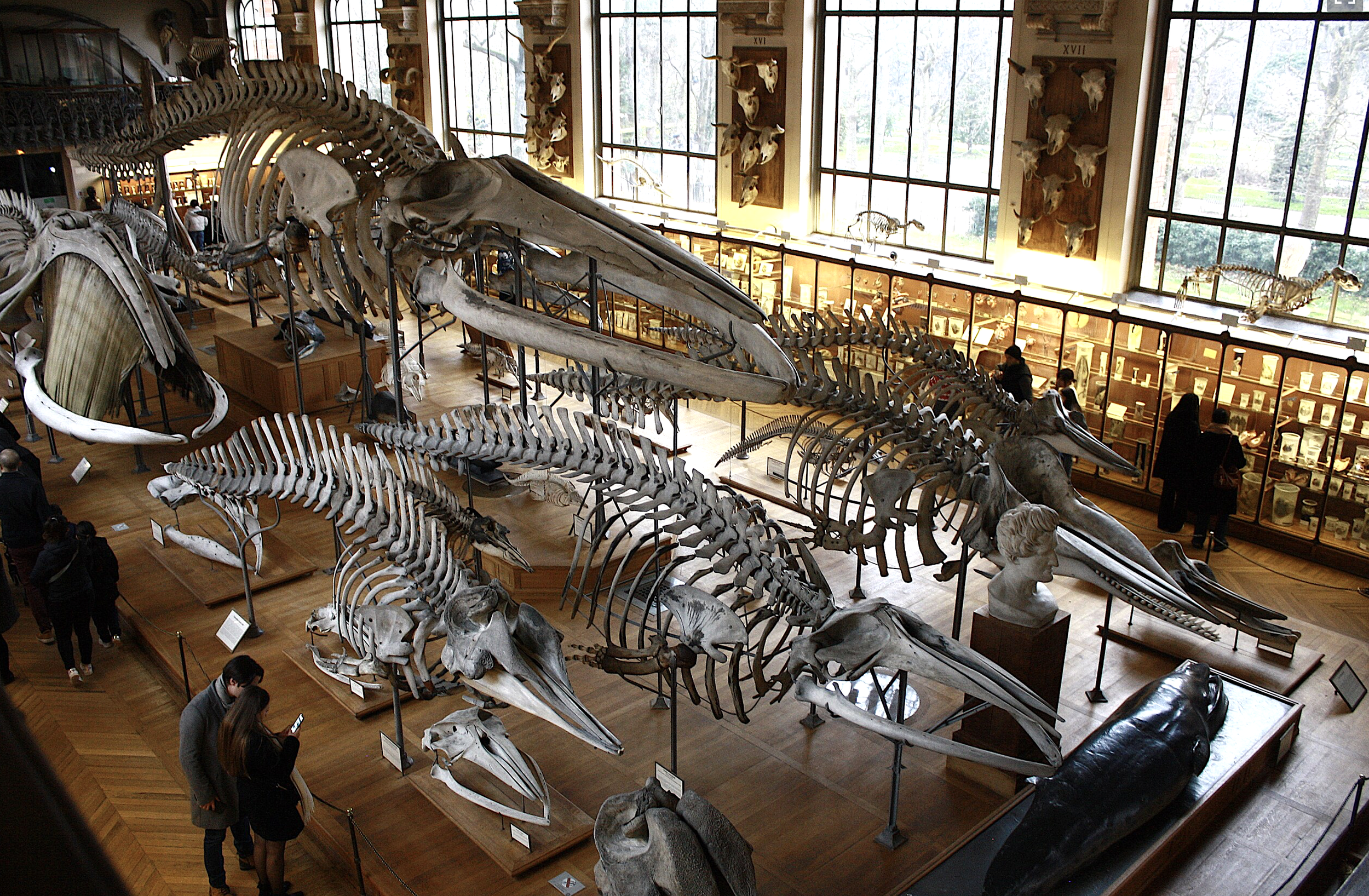
Skeletons of different types of whales exhibited in the Gallery of Paleontology and Comparative Anatomy of the National Museum of Natural History in Paris [France]. Contributer Titlutin; shared under the Creative Commons Attribution-Share Alike 4.0 International license.

Whales In Ancient Cultures And Mythologies

Whales have held a significant place in ancient cultures and mythologies across the globe, symbolizing power, mystery, and the unknowable depths of the oceans. In many coastal societies, whales were considered sacred creatures, deeply interwoven with spiritual beliefs and understanding of the natural world.

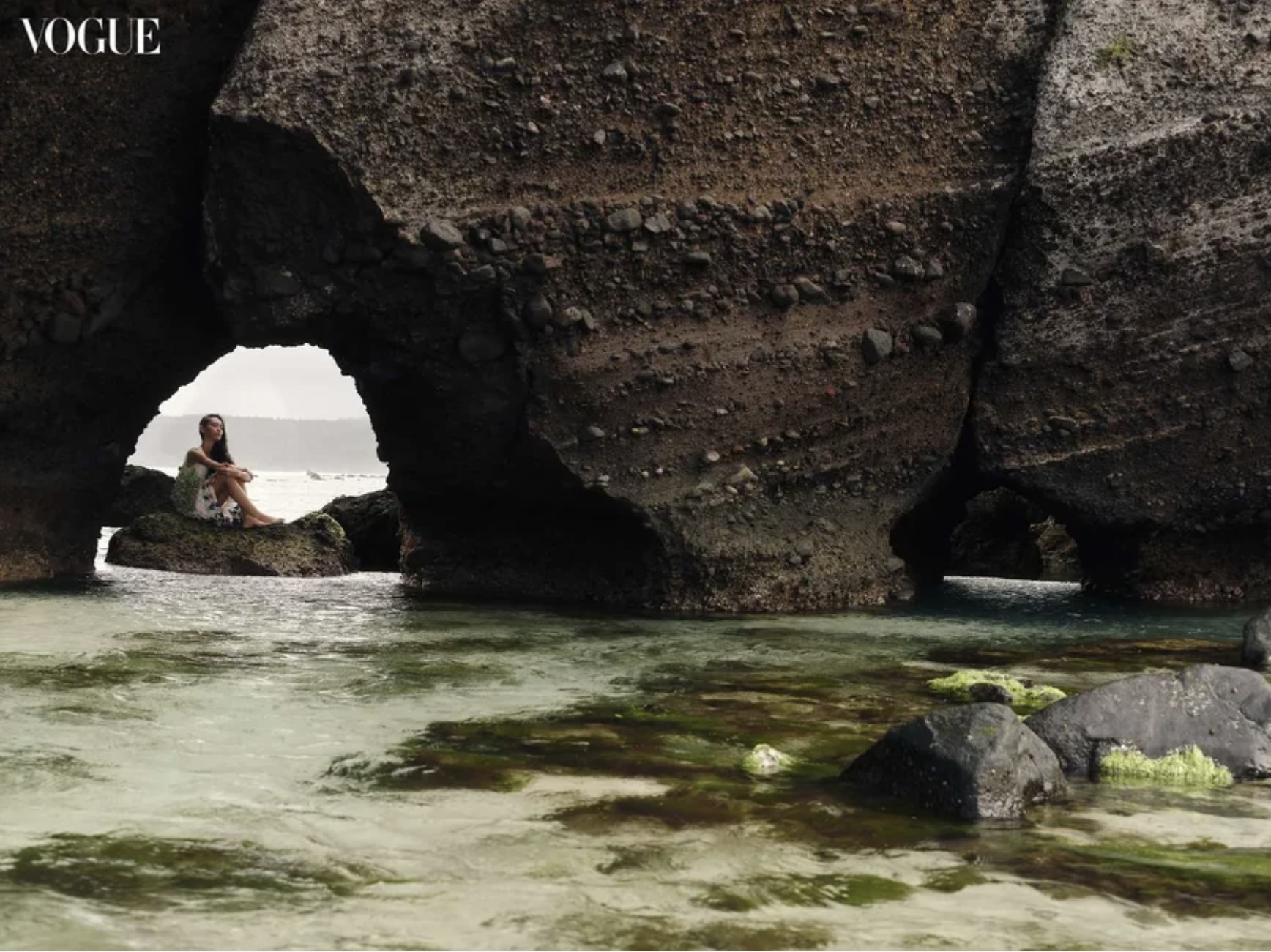
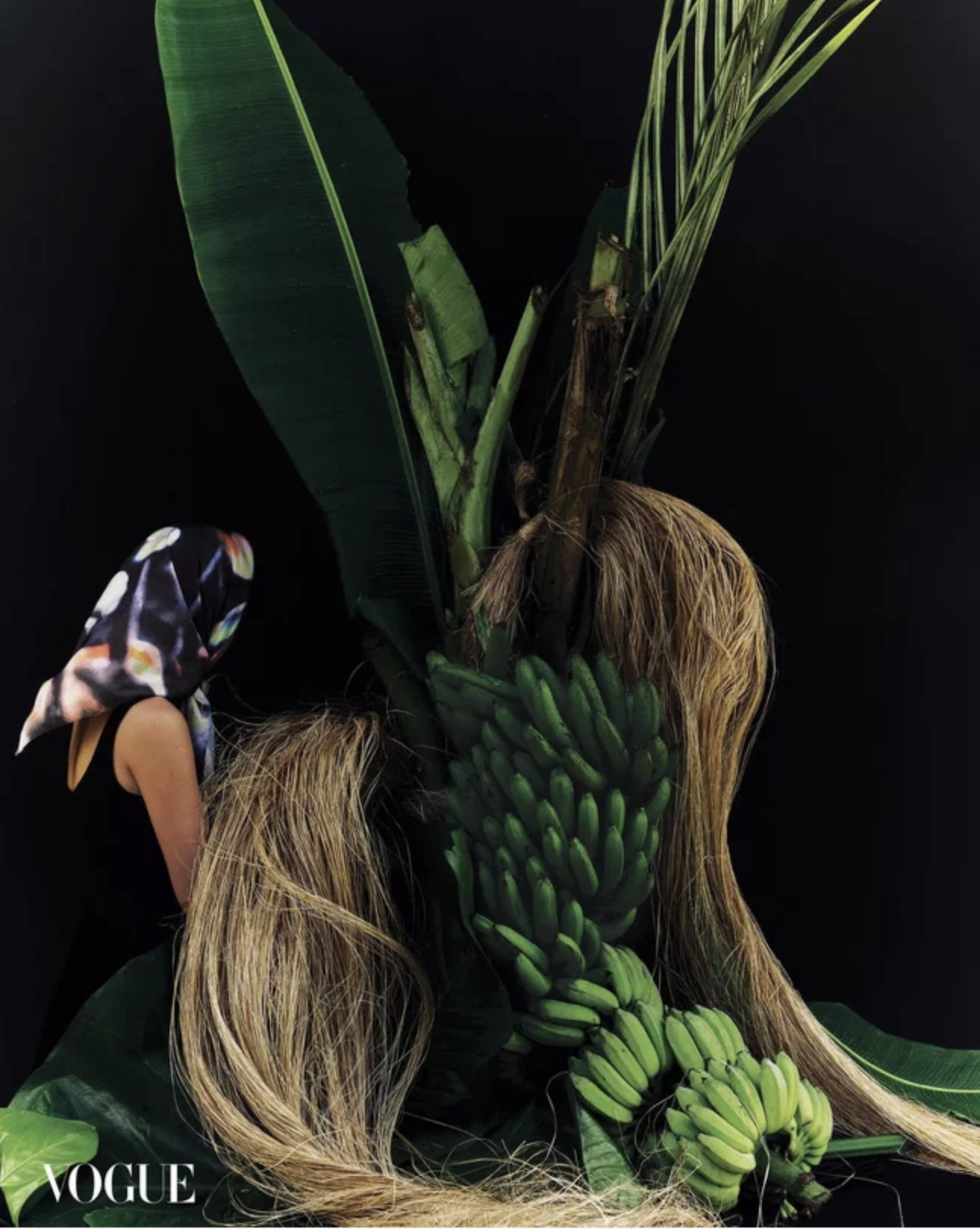
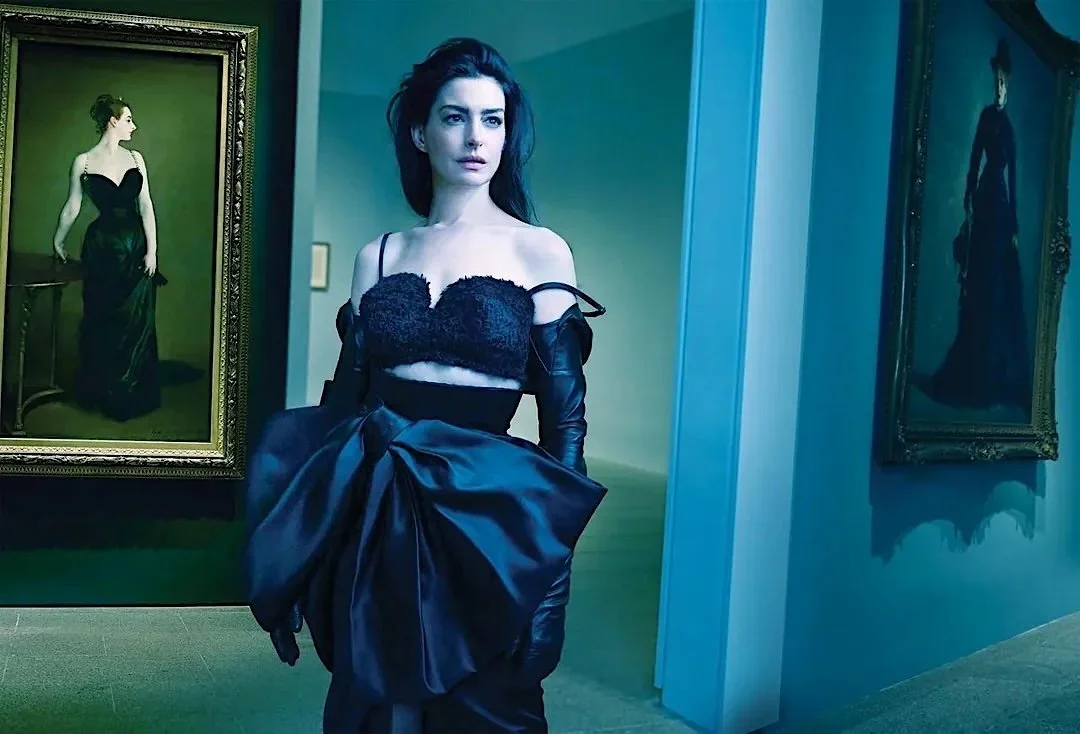
AOC learned more about the history and evolution of whales, inspired by supermodel Vittoria Ceretti’s revelation in the April 2025 issue of Vogue France, that she was a whale in another life.

Such a candid reflection deserves expanded thought on the global history of whales, which have an evolutionary history dating back 50 million years to an ancestral group called the cetaceans. During the Eocene Epoch, a remarkable transformation began to occur among hoofed, land-dwelling mammals known as ‘artiodactyls’.
Among them was a small, deer-like creature called Pakicetus, often considered the earliest ancestor of modern whales. Initially adapted to life on land, Pakicetus likely inhabited the riverbanks and coastal regions where it evolved traits beneficial for a more aquatic lifestyle. Over millions of years, natural selection favored those with adaptations for water-based living, propelling a lineage of evolutionary experimentation unique among mammals.

Gradually, the descendants of Pakicetus transitioned to more aquatic environments. The intermediary forms such as Ambulocetus, known colloquially as the "walking whale," demonstrated both terrestrial and aquatic capabilities, a pivotal transition point in this evolutionary journey. As these early cetaceans adapted to marine environments, they developed distinct features conducive to life in water, including streamlined bodies and modified limbs that served as flippers.

CC BY-SA 2.0. Kevin Guertin, Ottowa, Ontario, Canada

Over time, the vestiges of their terrestrial past receded, and a diverse array of aquatic forms emerged, eventually branching into the fully marine environments occupied by the diverse and complex species of whales we encounter today.

This evolutionary history is reflected in the skeletons on view at the Gallery of Paleontology and Comparative Anatomy of the National Museum of Natural History in Paris [France] and featured in the lead image in this AOC article.

Whales As Spiritual Beings, in World Cultures

The Native American tribes of the Pacific Northwest revered whales as powerful spiritual beings, essential not only to their diet but to their cultural narratives and ceremonial life. The Makah and the Kwakwaka'wakw, among others, engaged in traditional whale hunts that were rich with ritual significance, embodying a profound respect for these majestic creatures.

In Ancient Greece, whales were often associated with the sea god Poseidon, and their appearances in literature and oral tradition reflected the awe and fear they inspired. Stories of sea monsters, possibly inspired by whales, hinted at the unknown dangers of the deep. Similarly, Norse mythology features Jörmungandr, the World Serpent encircling the Earth, whose tale echoes the grandeur and mystery surrounding large sea creatures like whales.

In Japanese mythology, Kujira, or whale, is associated with prosperity and protection, reflecting the importance of whales to coastal communities. Whales have transcended time as symbols of might and mystery, serving as profound storytellers, connecting the ocean's secrets with humanity's cultural and spiritual narratives.

Photo by Bart on Unsplash. Humpback Whale at Sunset in Arctic Fjords of Norway [2019]

Whales As Divine Creatures

Historically, the Japanese regarded whales as divine creatures, often seeing them as manifestations of Ebisu, one of the Seven Lucky Gods, associated with prosperity and plentiful catches. This spiritual reverence was rooted in Shinto beliefs, where the natural world is imbued with spirits, allowing whales to hold a sacred status.

In many coastal communities, whales were seen as messengers from the gods or as deities themselves, believed to bring fortune or misfortune based on their appearance and actions. Such reverence gave rise to rituals and ceremonies dedicated to whales, aimed at appeasing the spirits and ensuring harmony between humans and the natural world. These practices fostered a deep spiritual connection between people and whales, rooted in respect and veneration.

However, this spiritual regard didn't preclude hunting whales in Japan, dating back to the 12th century. Japanese coastal communities, facing the challenges of a growing population and tough agricultural conditions, turned to the sea for sustenance.

Even when the relationship between whales and hunters changed in Japan, it retained the rules of a respectful enterprise in nature. Never viewed solely as an economic necessity, whaling remained a sacred endeavor.b

The whale's sacrifice was honored through rituals and prayers, emphasizing sustainability and balance. This duality—seeing whales as divine yet also as resources—highlights the complex relationship between reverence and use, shaping the cultural narratives around these majestic creatures. Each part of the whale was utilized, respecting the creature's sacrifice by ensuring nothing was wasted, which underscored the deep-seated appreciation and veneration tied to whaling.

The awe-inspiring size and grace of whales, combined with their mysterious lives in the ocean depths, have contributed to their mystical status in Japanese folklore.

Via Getty Images

America’s Indigenous Peoples Relationship with Whales

The history of whaling in New England is deeply rooted in the region’s economic and cultural development during the 17th through 19th centuries. There is a deep fault line between whales and Native American tribes, such as the Wampanoag and the arrival of European settlers. Indigenous peoples practiced shore-based whaling, taking advantage of the massive creatures that washed ashore.

Whales were central to coastal culture, featuring in oral traditions, such as the legends of Maushop on Martha’s Vineyard. Native American tribes such as the Makah and the Nuu-chah-nulth held spiritual beliefs that whales were sentient creatures possessing profound wisdom, and they integrated these majestic animals into their cultural narratives and rites.

Whales were often seen as kin or totemic beings, and hunting them required complex rituals, prayers, and respect to ensure the harmony between humans and the natural world. In this respect, America’s indigenous peoples followed a shared, global pattern or reverence for whales.

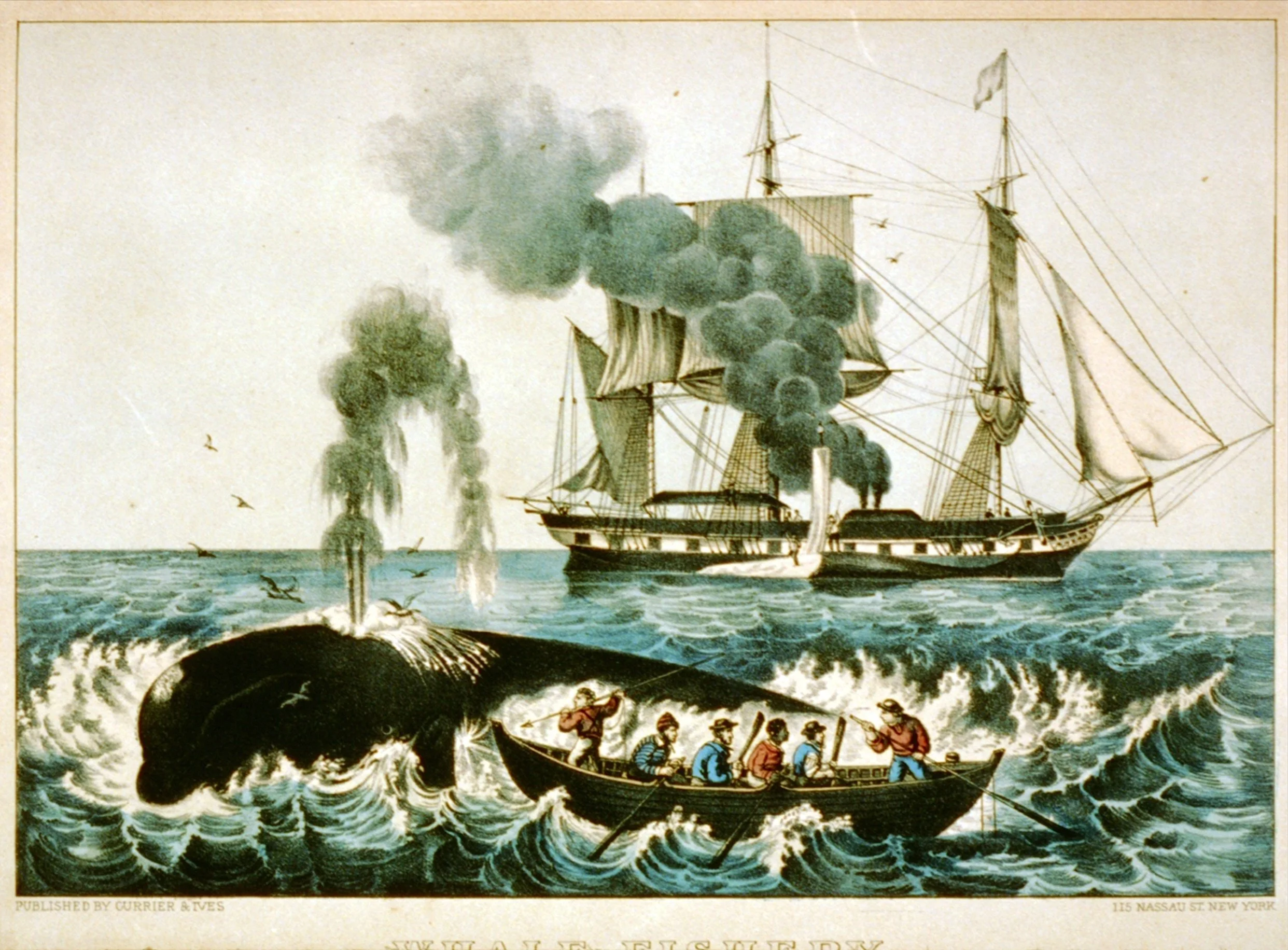
This indigenous practice laid the groundwork for European settlers, who arrived in the early 1600s and began engaging in small-scale whaling. The Europeans had a vastly different and fundamentally antagonistic relationship with whales; and New England launched new hunts on the high seas.

The story continues shortly.

Whaling off the Goto Islands Japan, Canvas Print by Katsushika Hokusai Fine Art America

Related: One of the most interesting stories to emerge from AOC’s research on whales is the significant number of free-Black Americans and also slaves working to purchase their freedom, who played a major role in New England whaling. We have no reason to believe that they treated the whales with any more respect than the white people. It remains a topic for investigation.

We do know that the black whalers bought their own ships and became deeply involved in funding America’s abolitionist movement, working closely with Quakers who held a dominant position in the whaling industry.

Read this report from The Conversation: New England's Whaling Industry Was a Meritocracy for Black Enterprise, Including As Ship Owners, published on AOC. You’re staying with us.