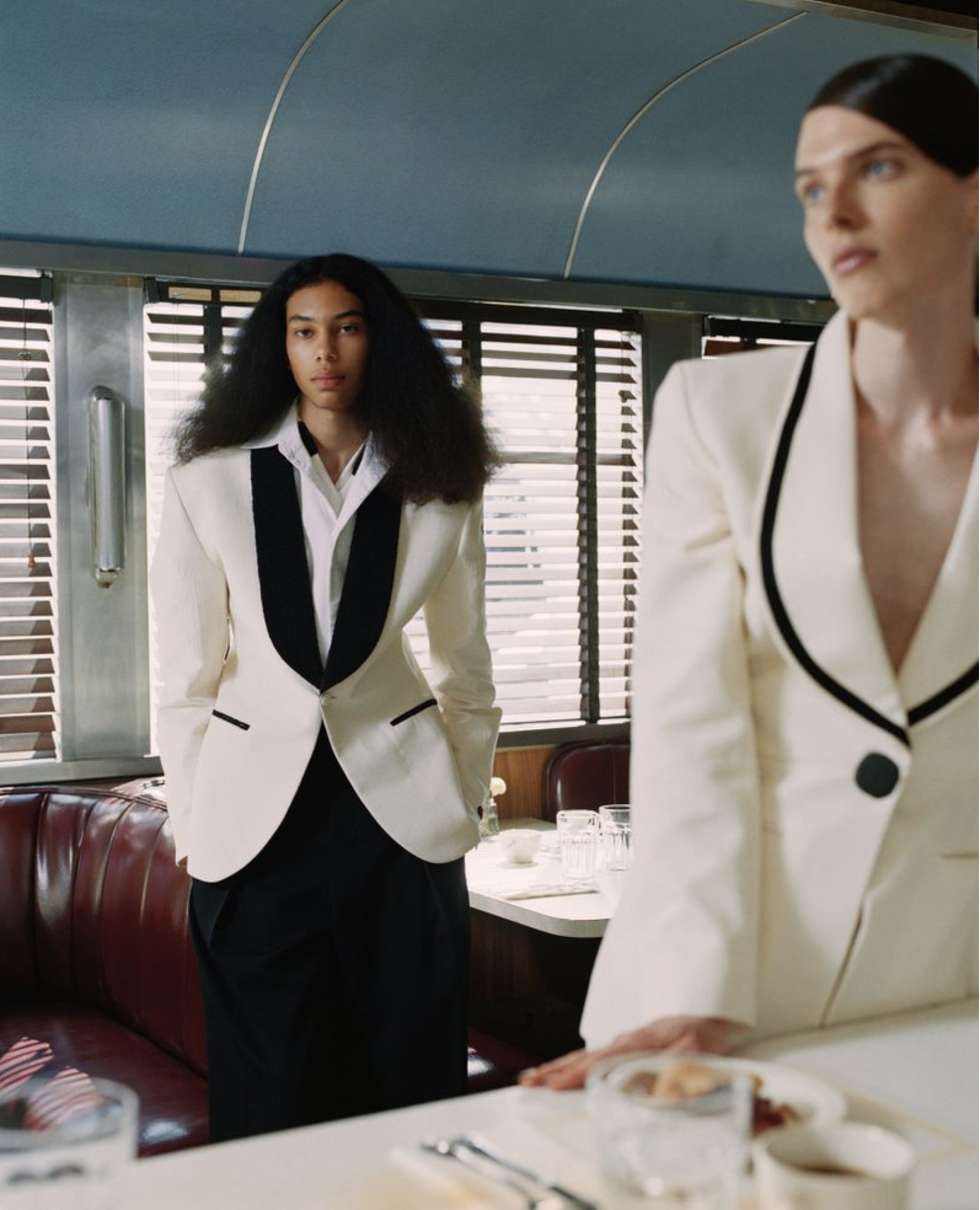
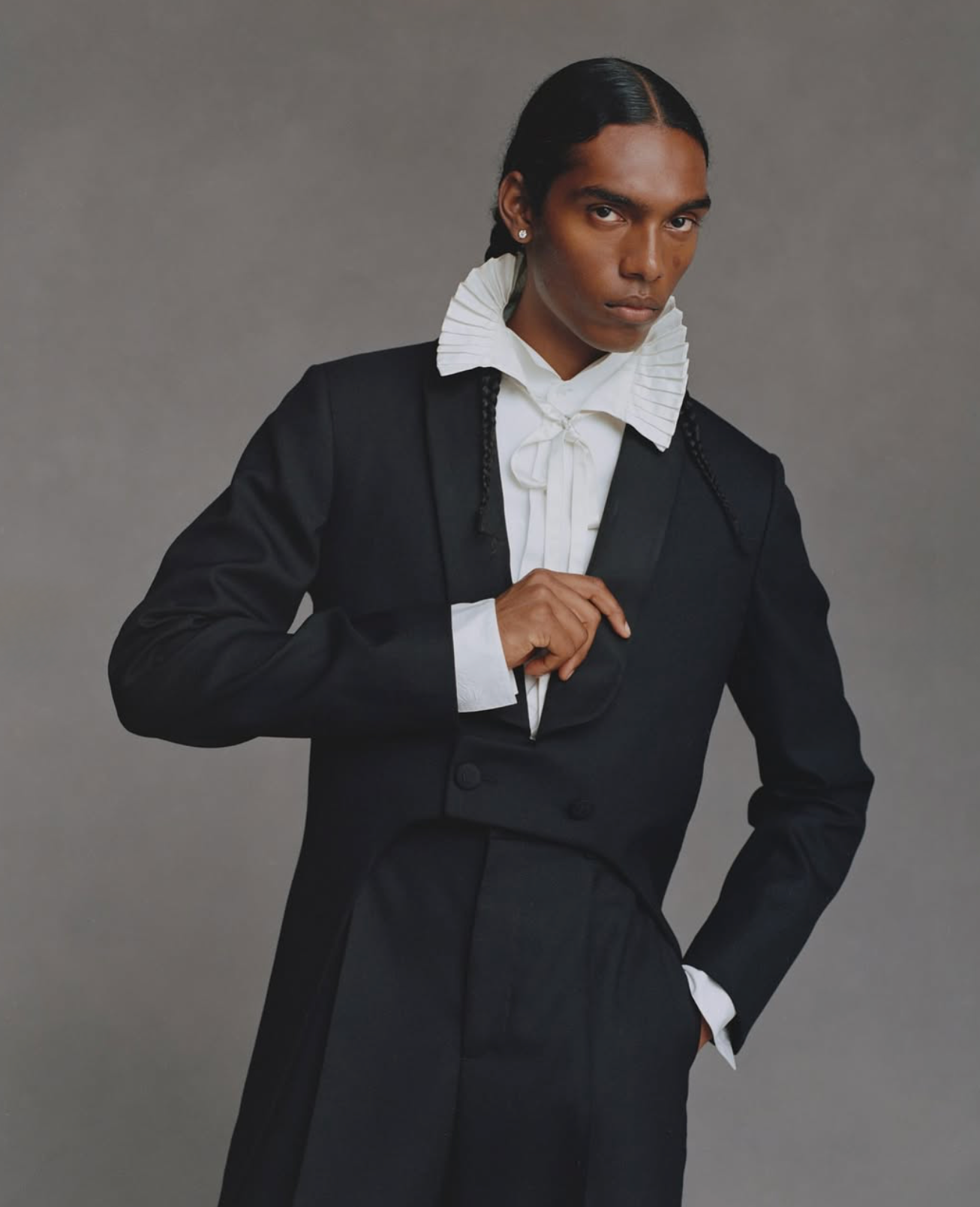
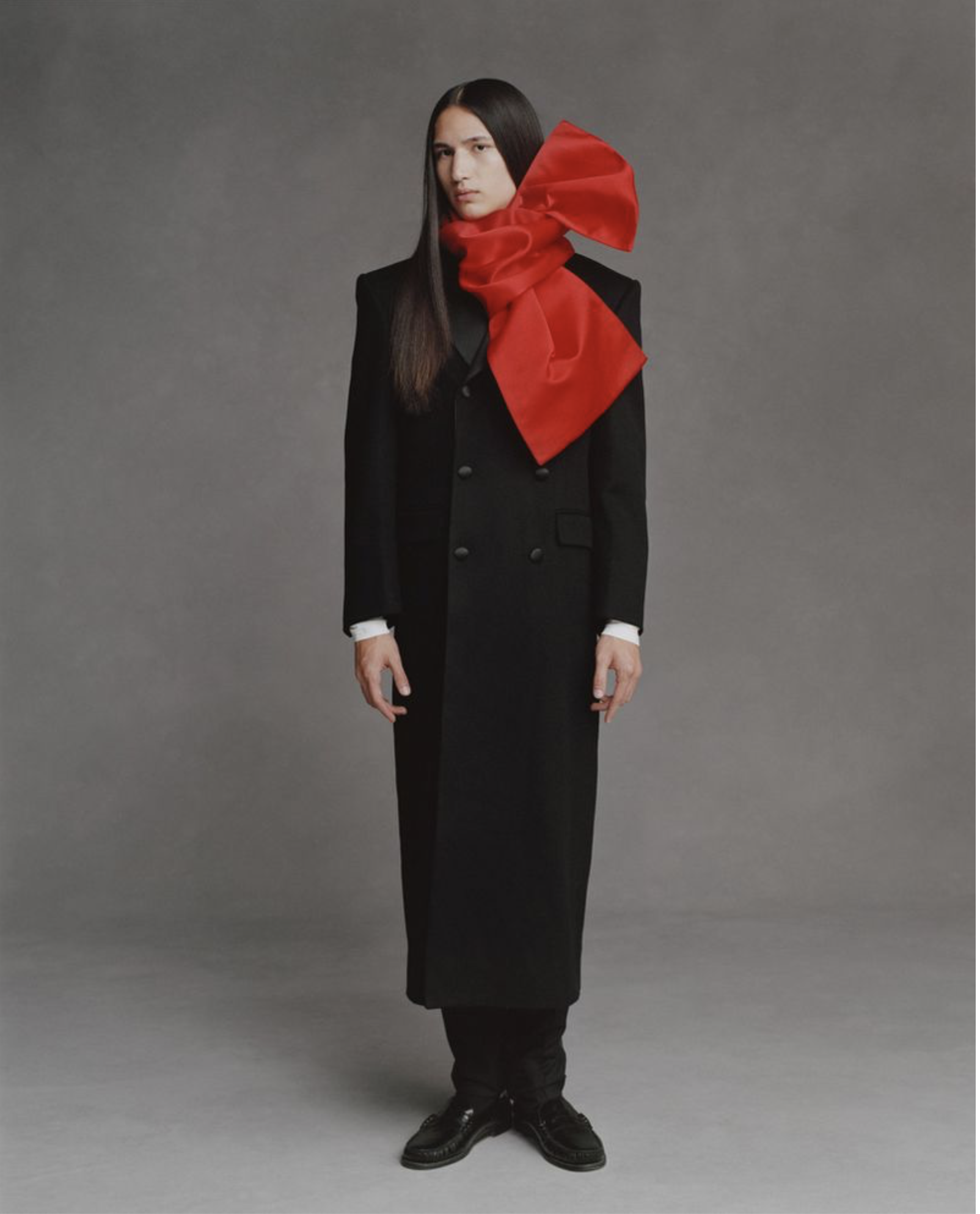
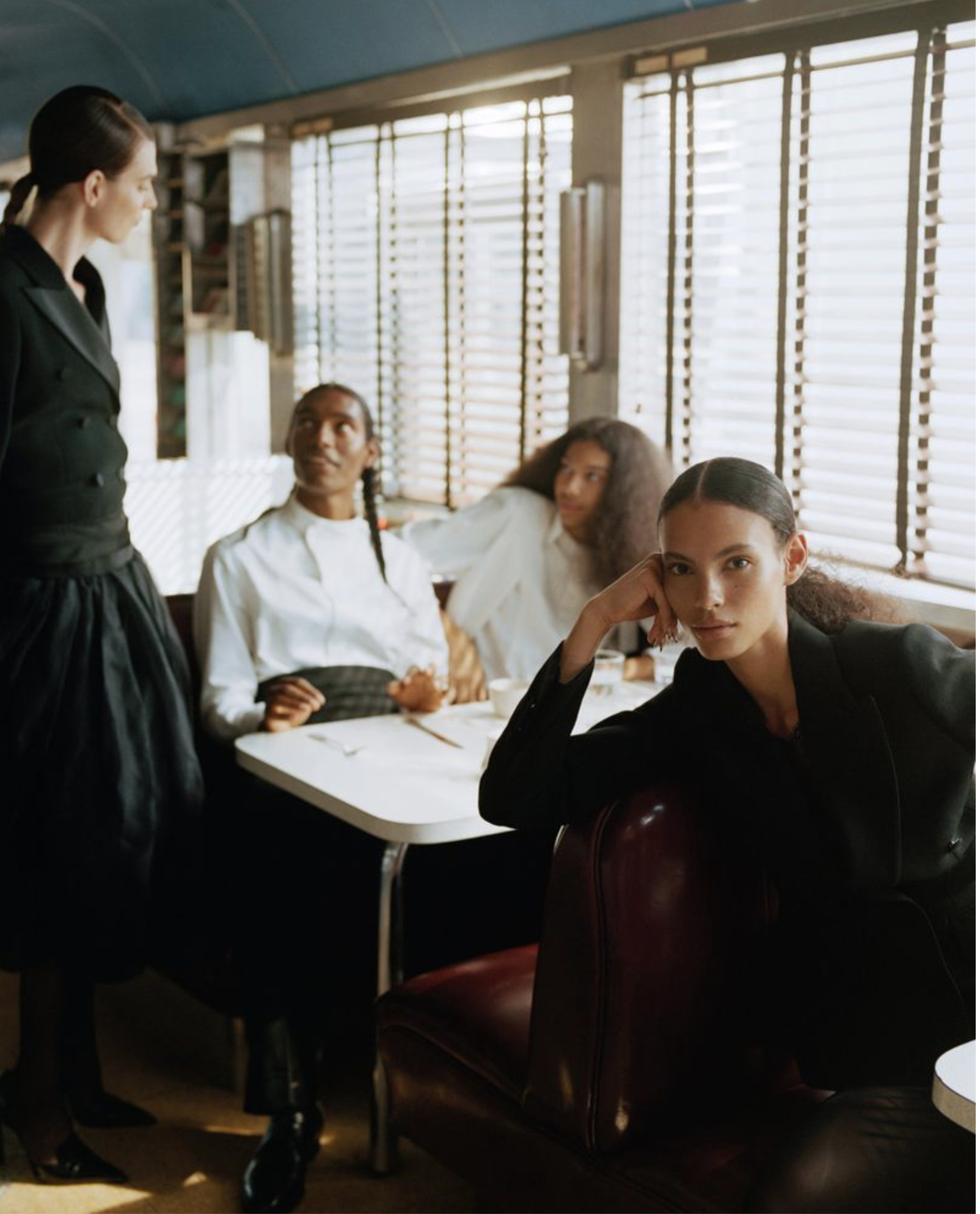
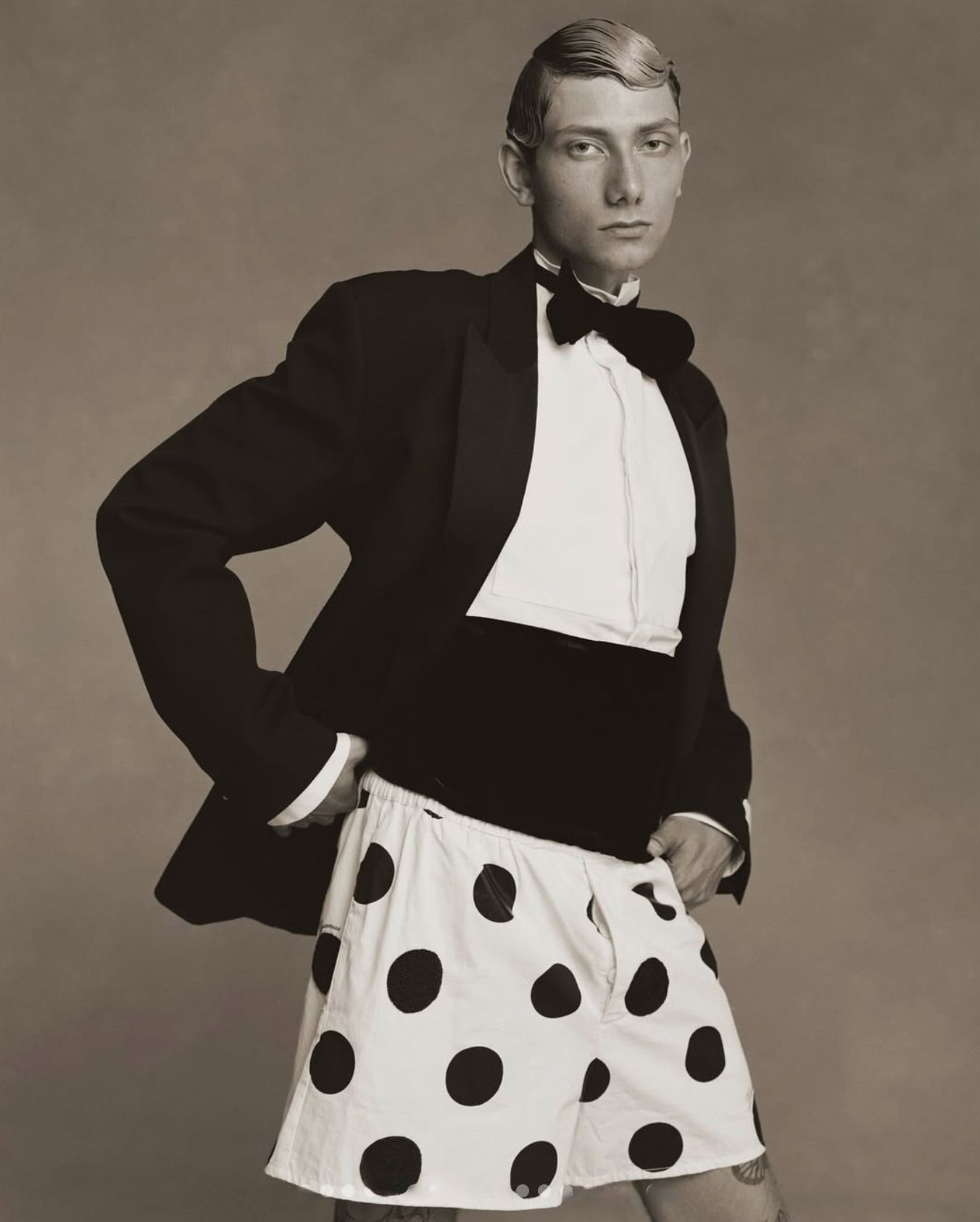
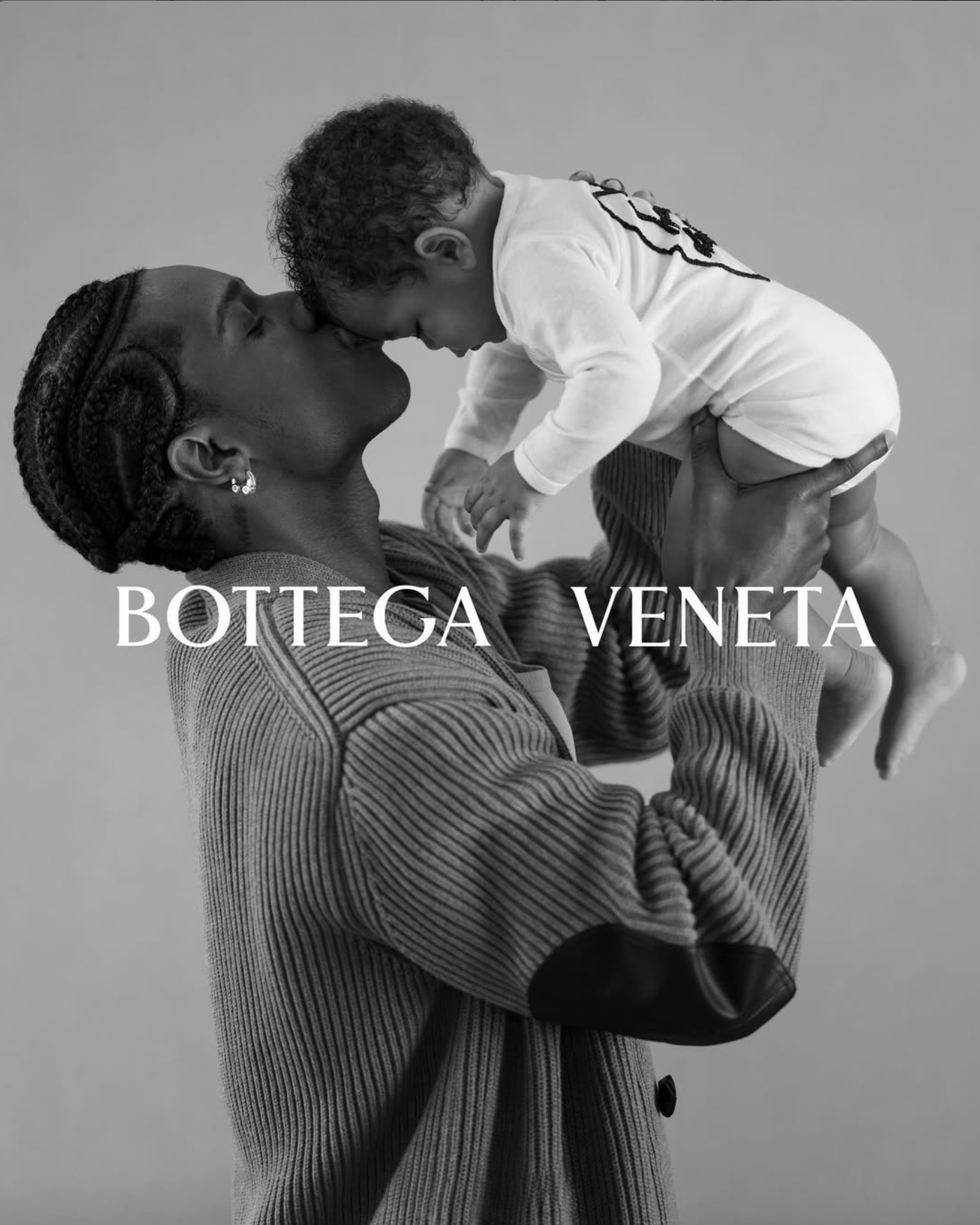
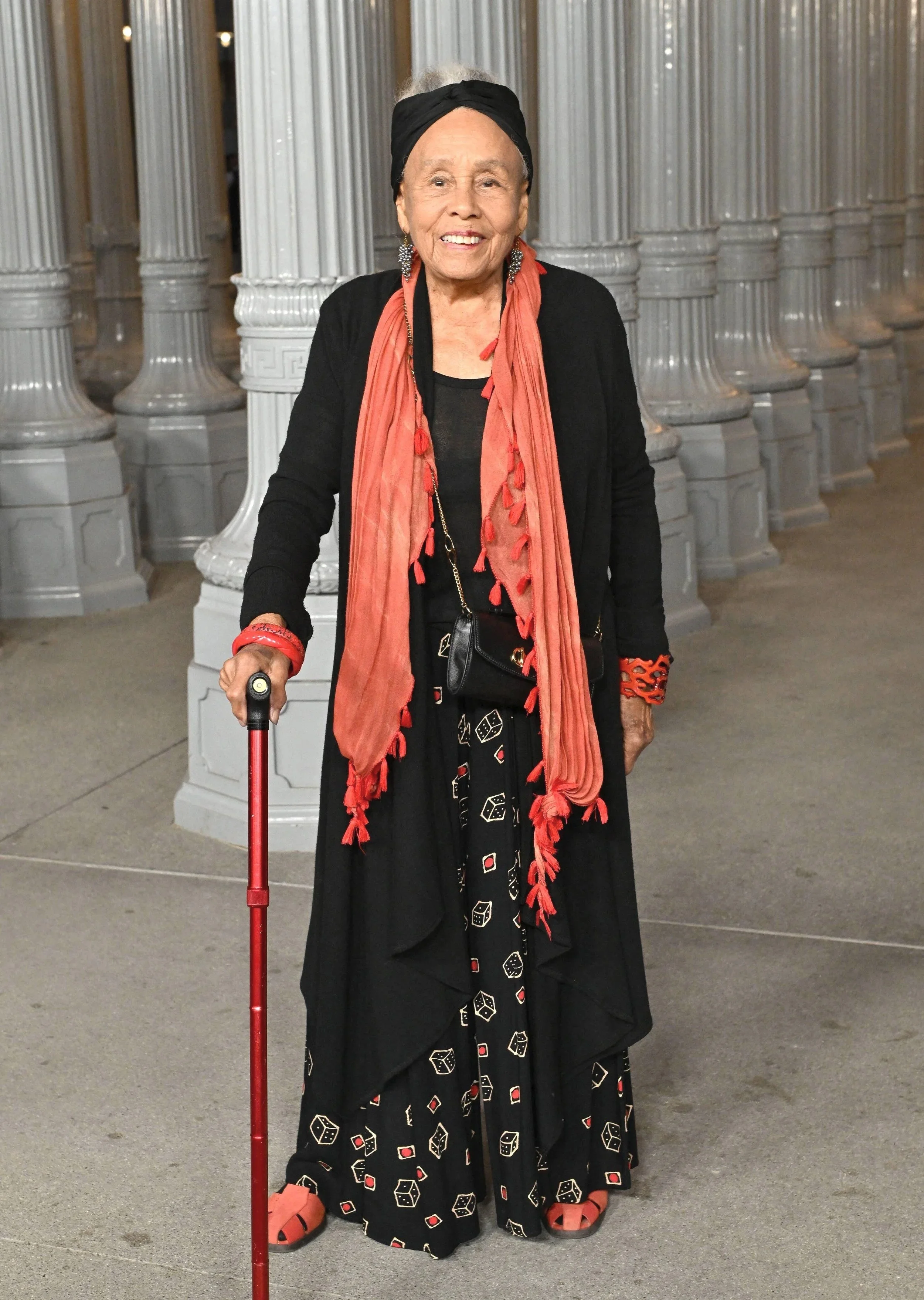
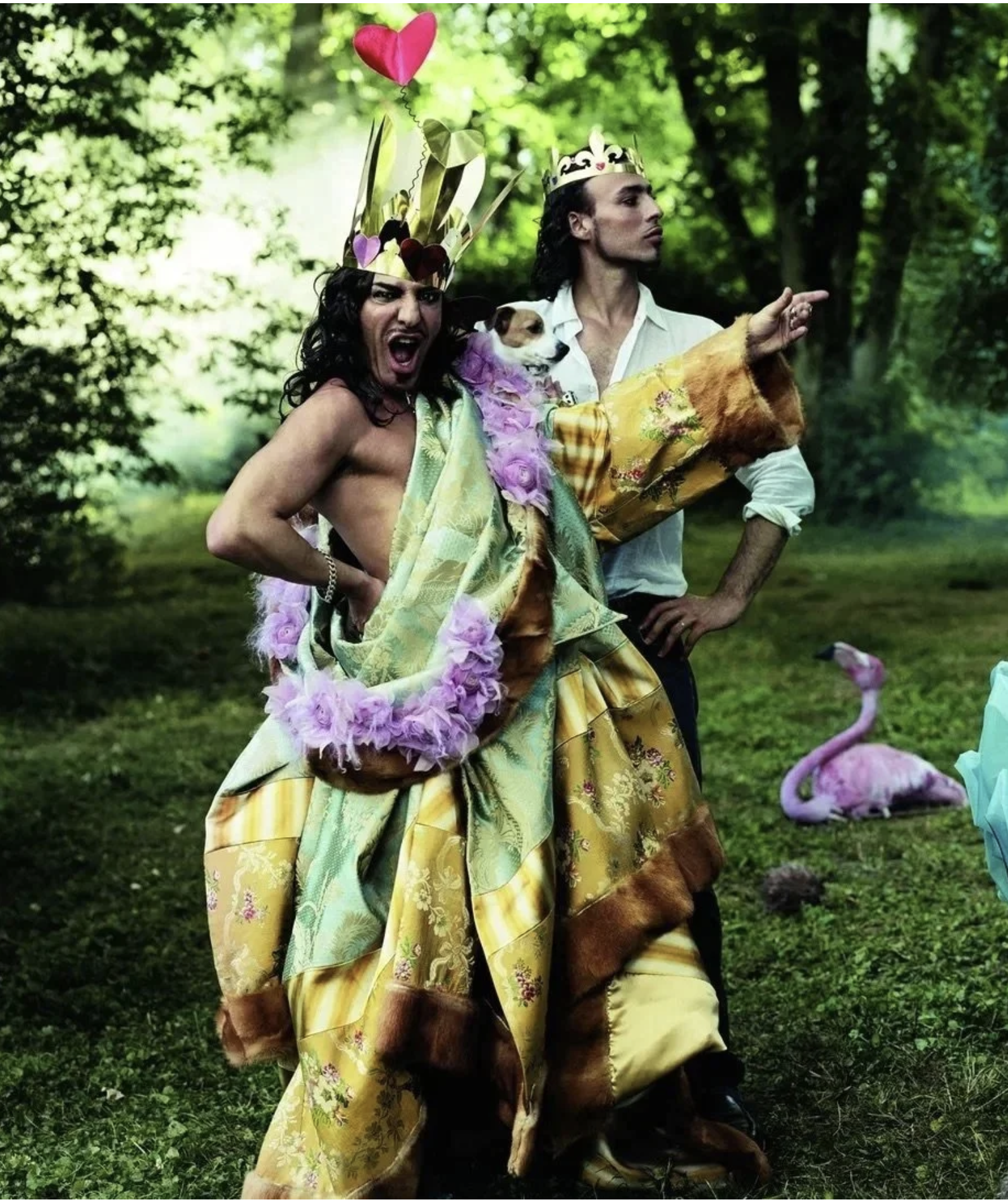
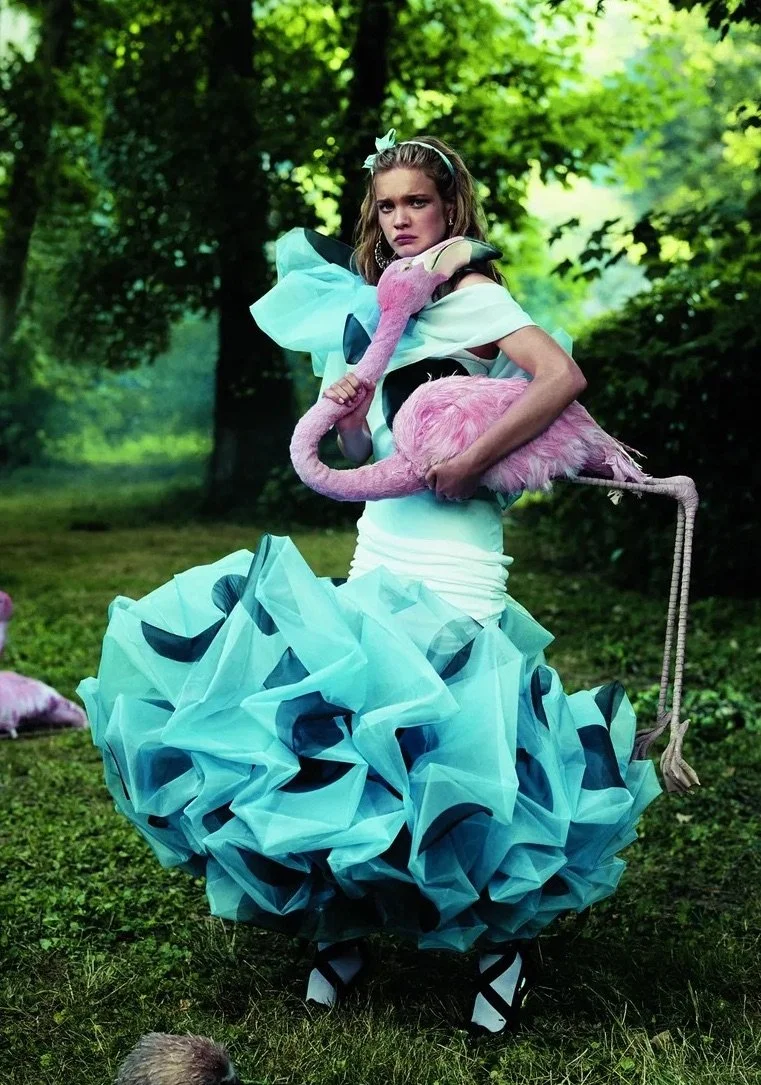
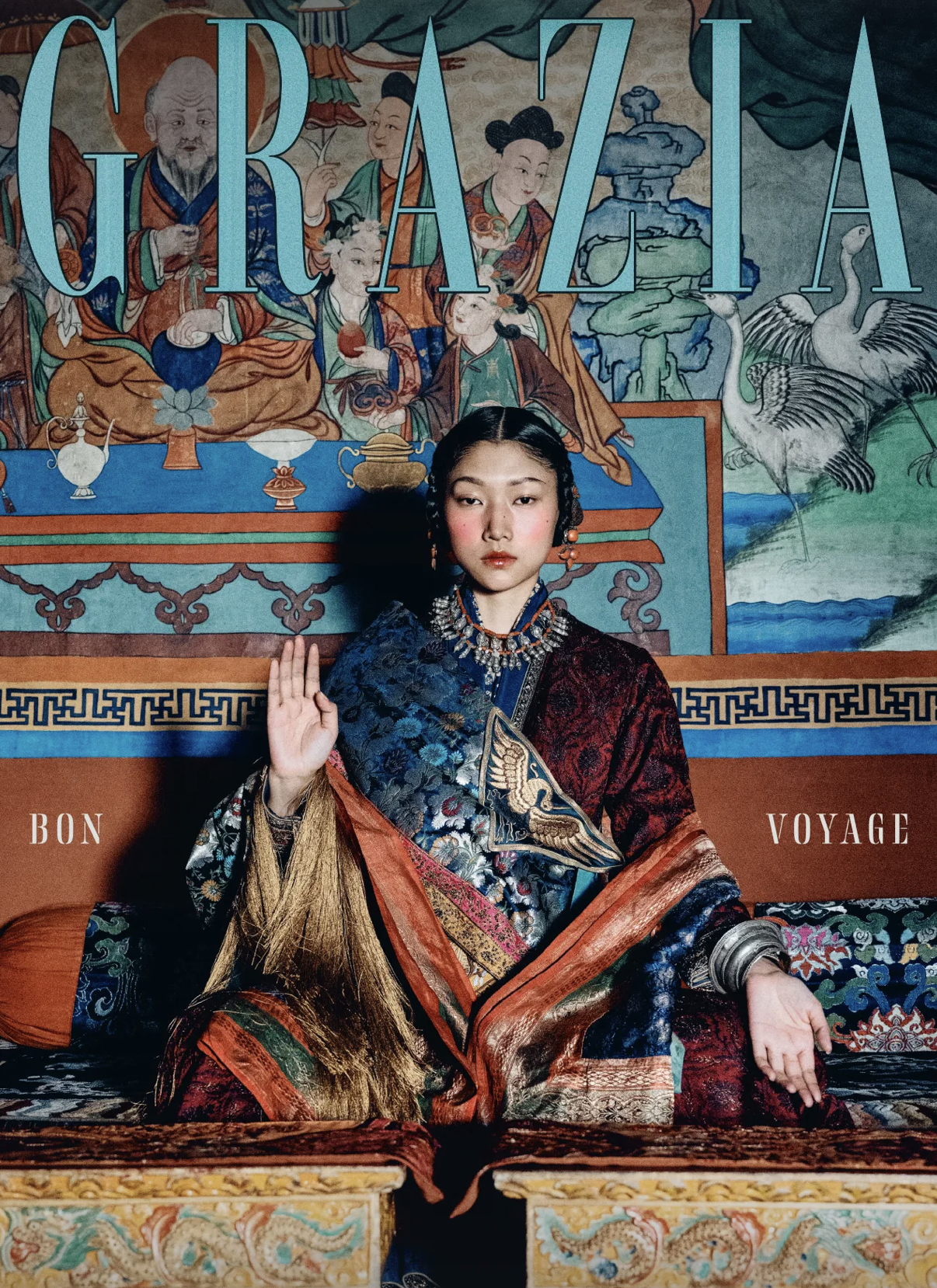
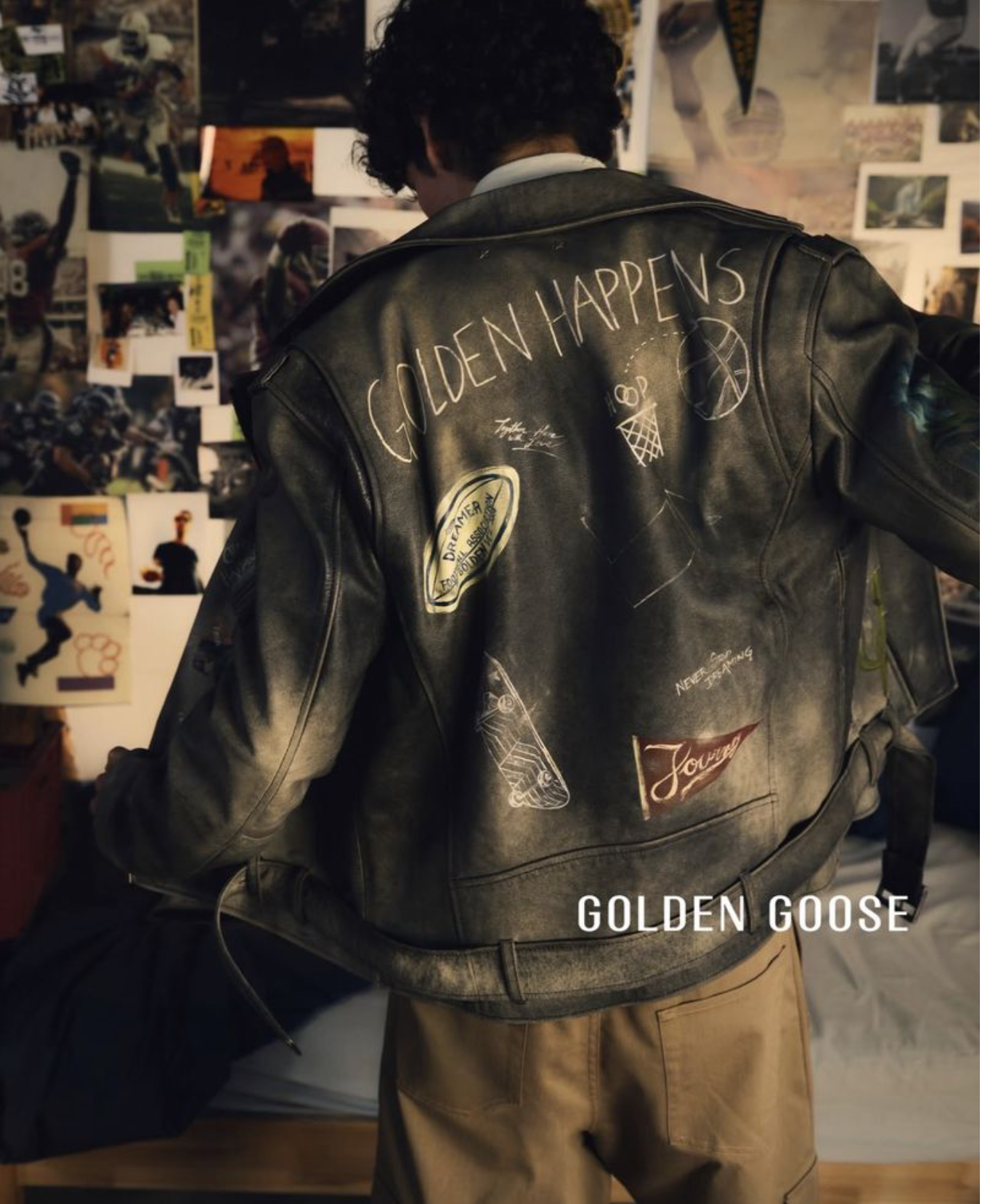
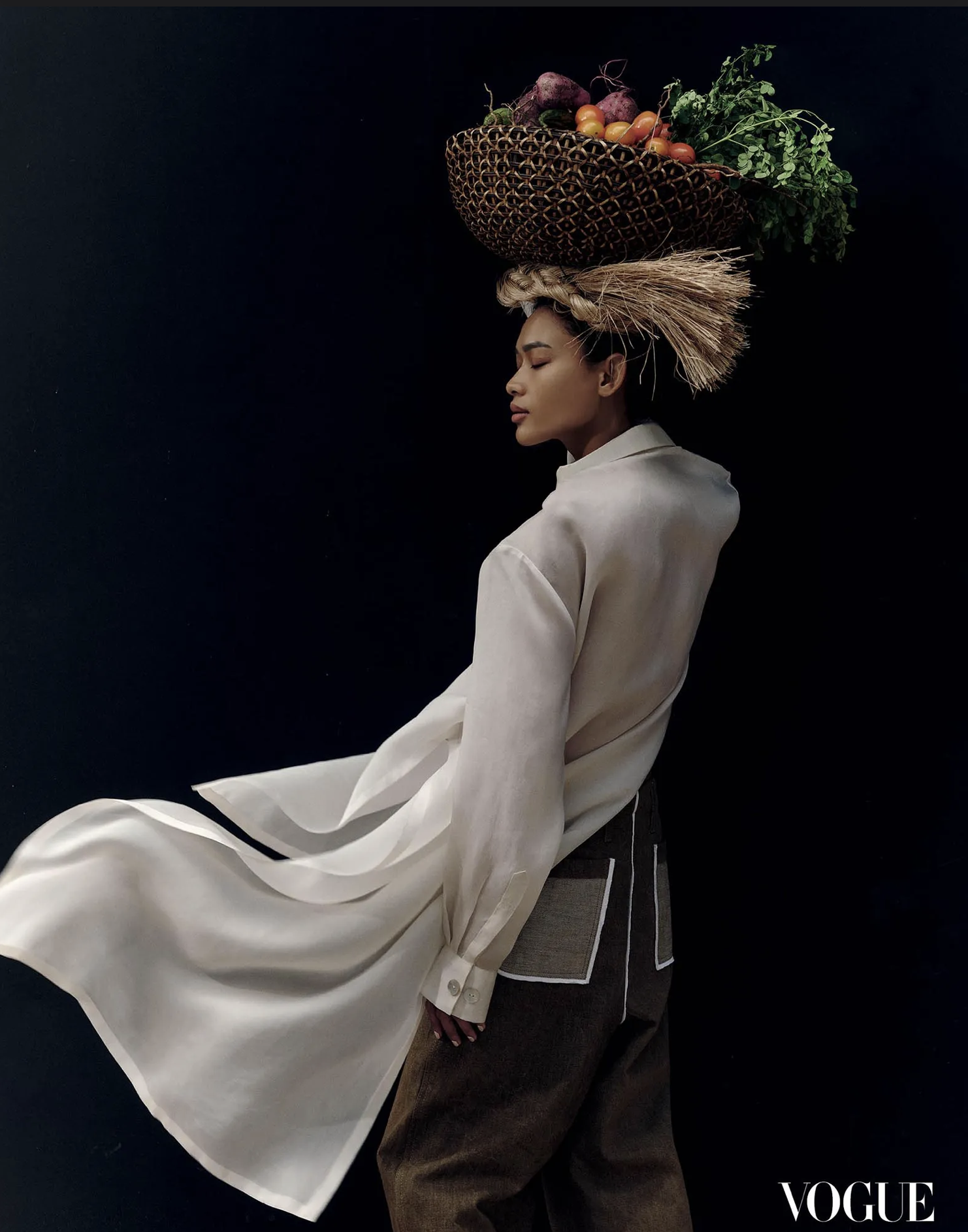
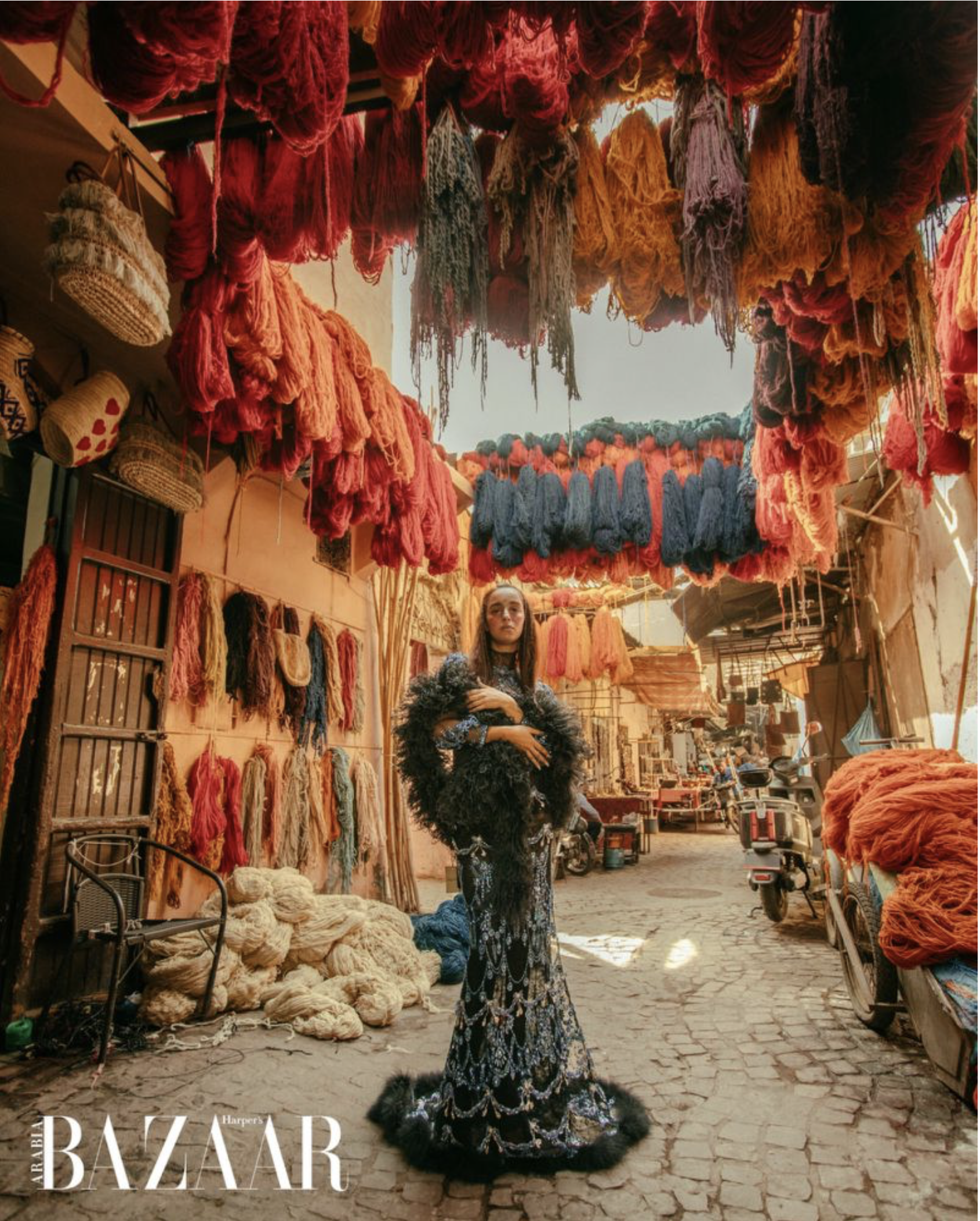
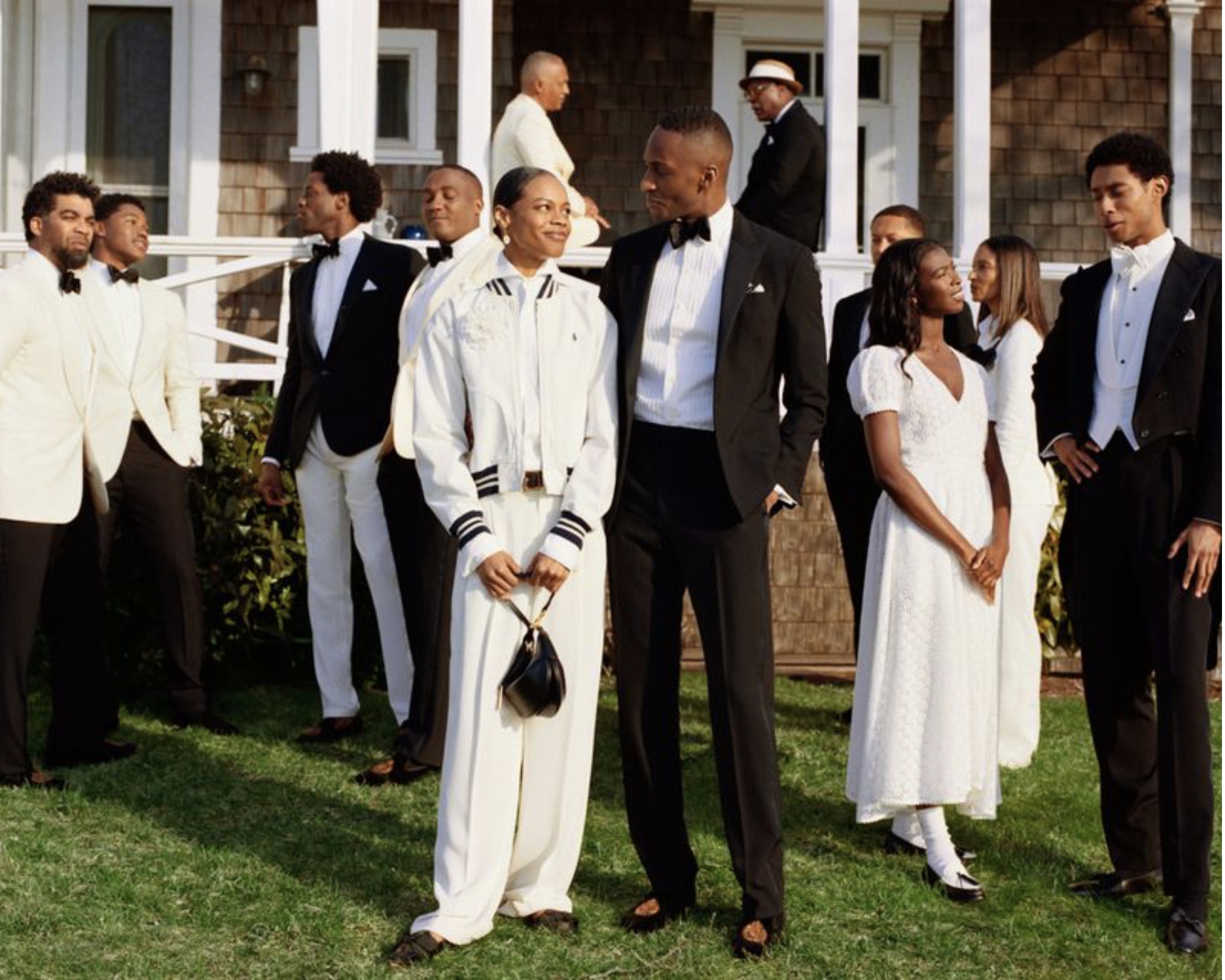
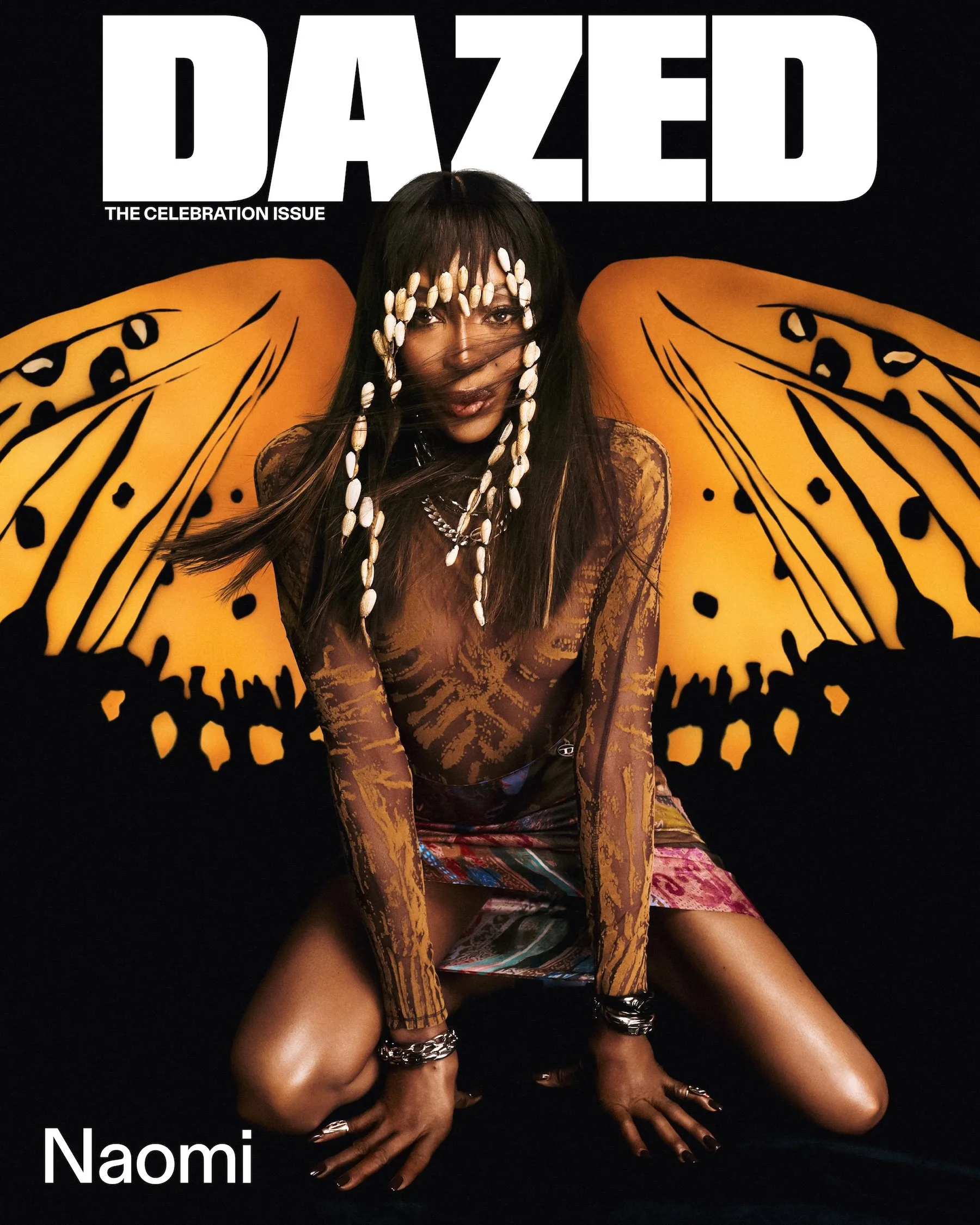
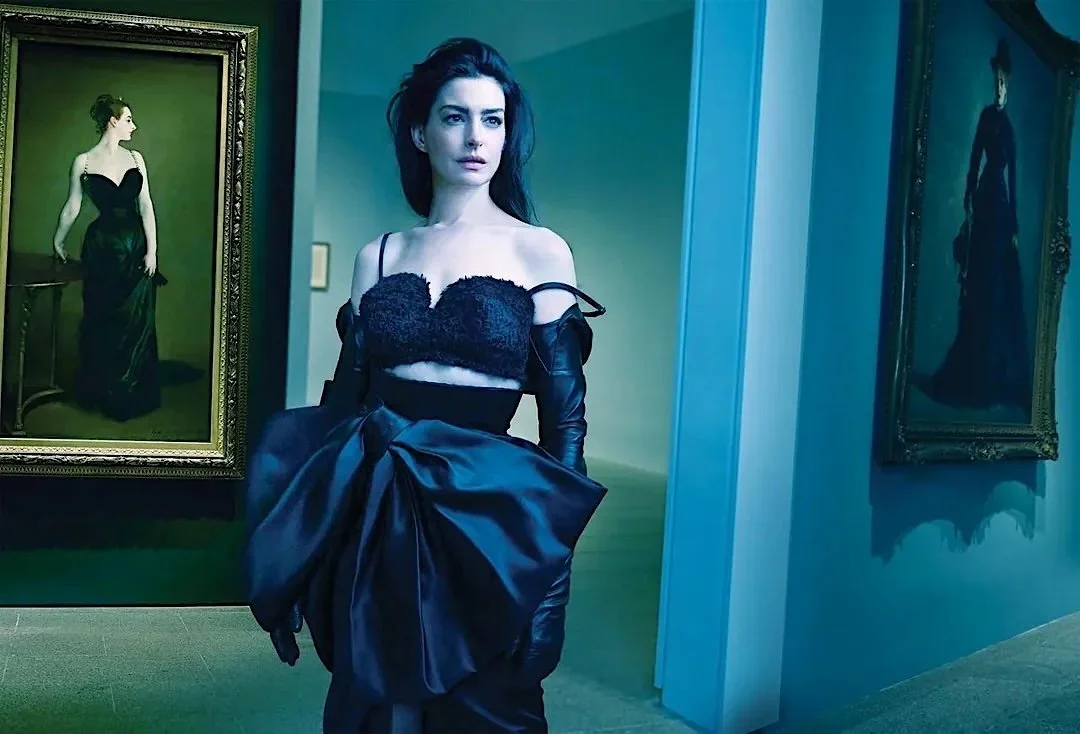
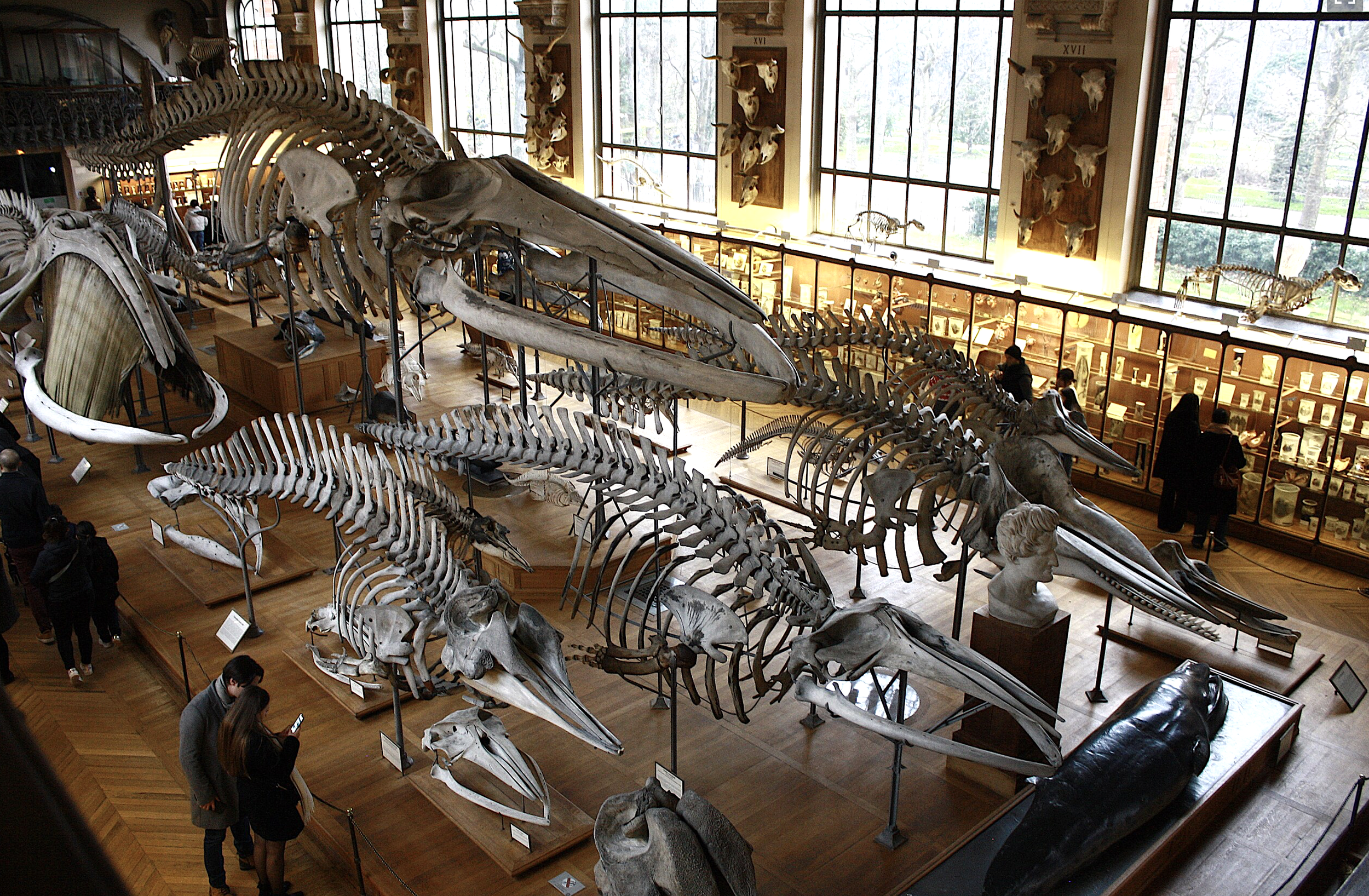
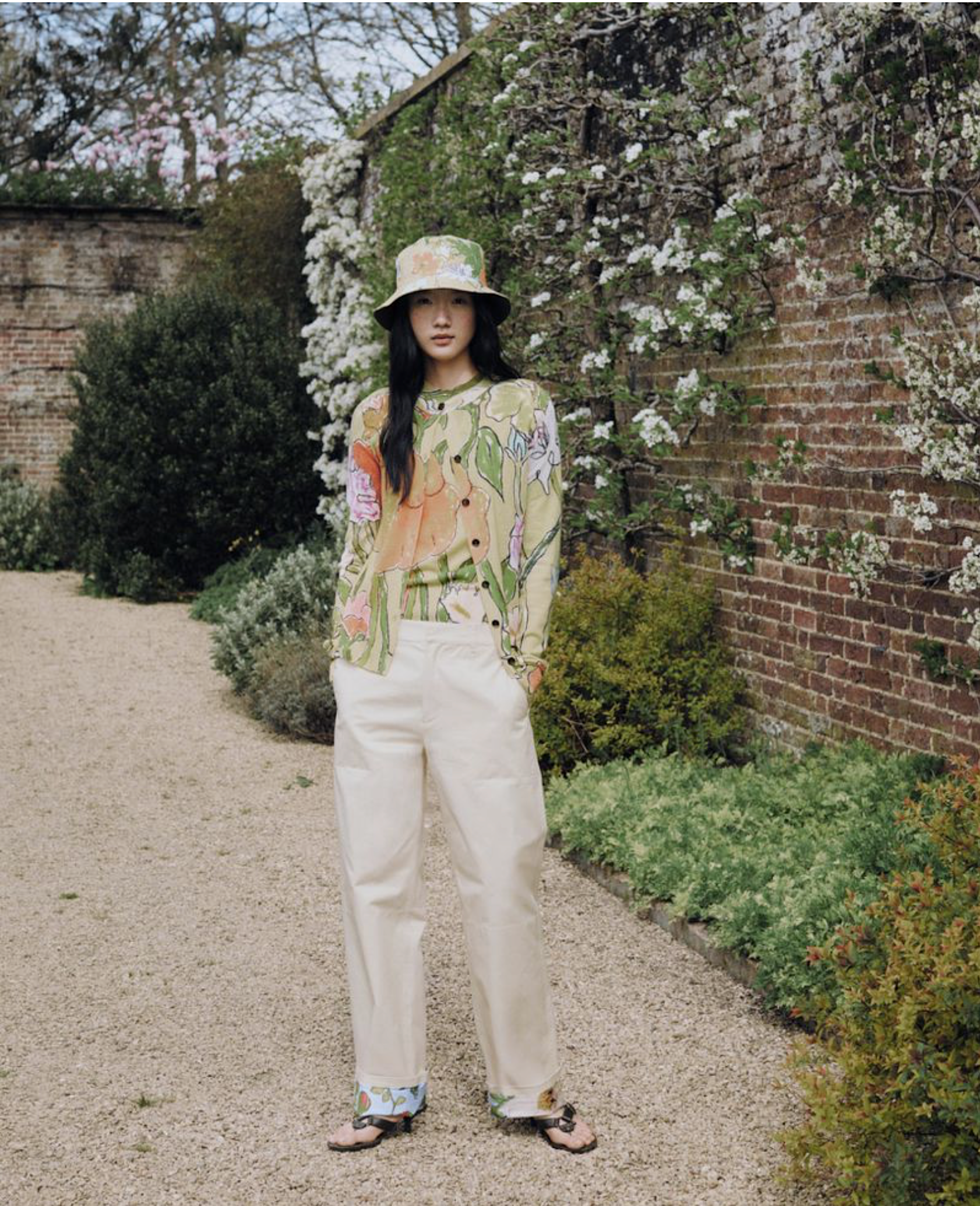
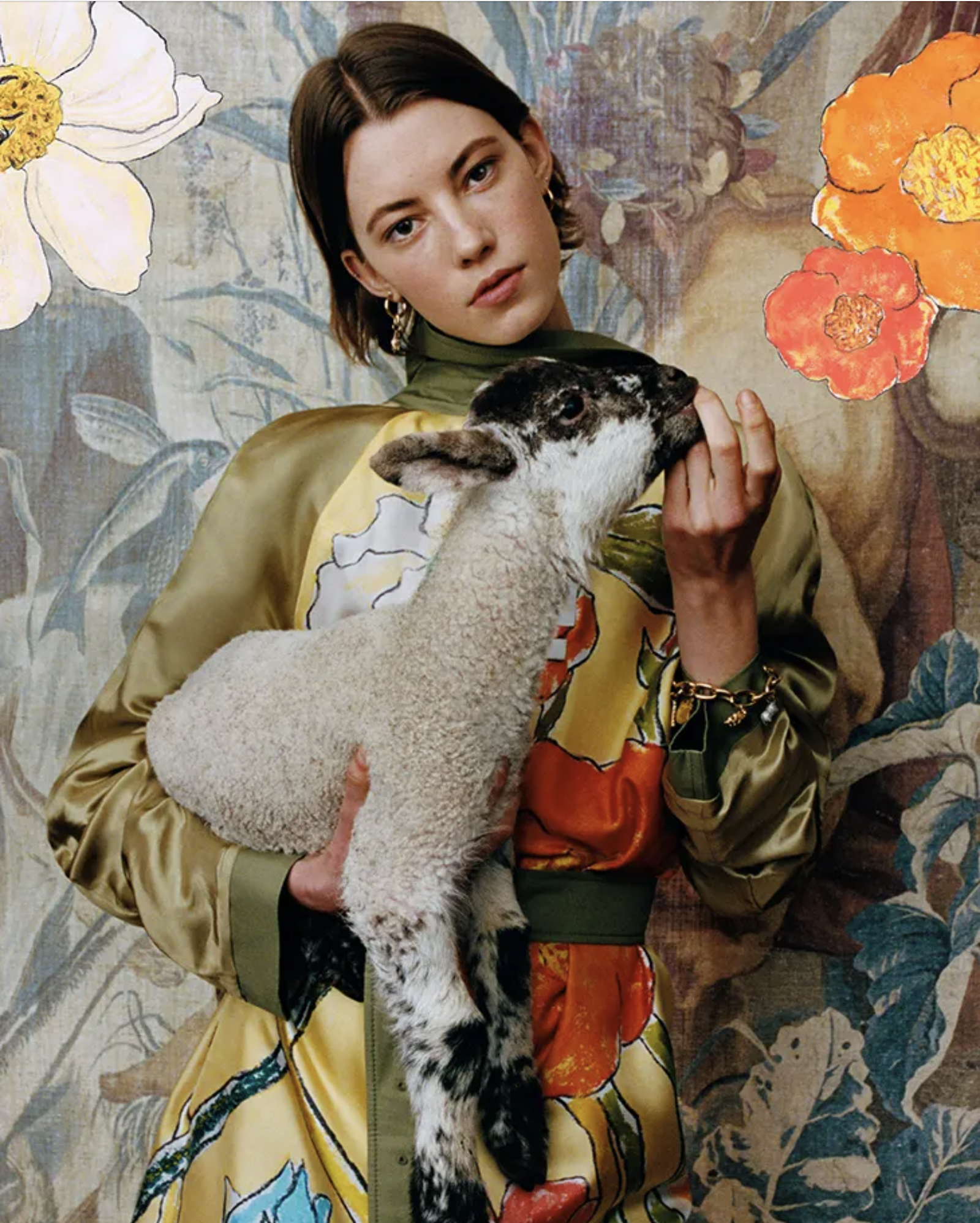
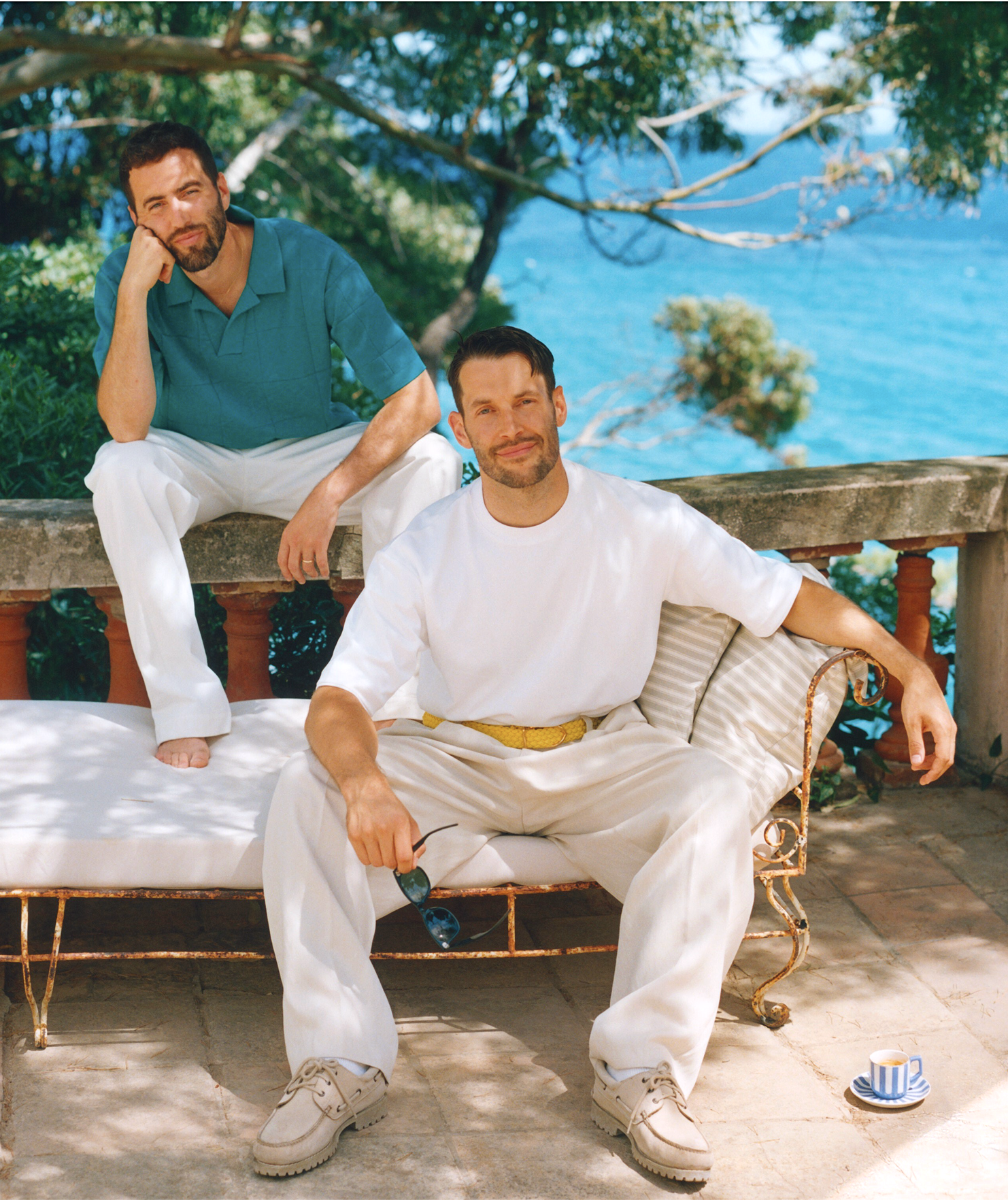
Tuxedo Trends Lensed by Nadine Ijewere for WSJ Magazine September
/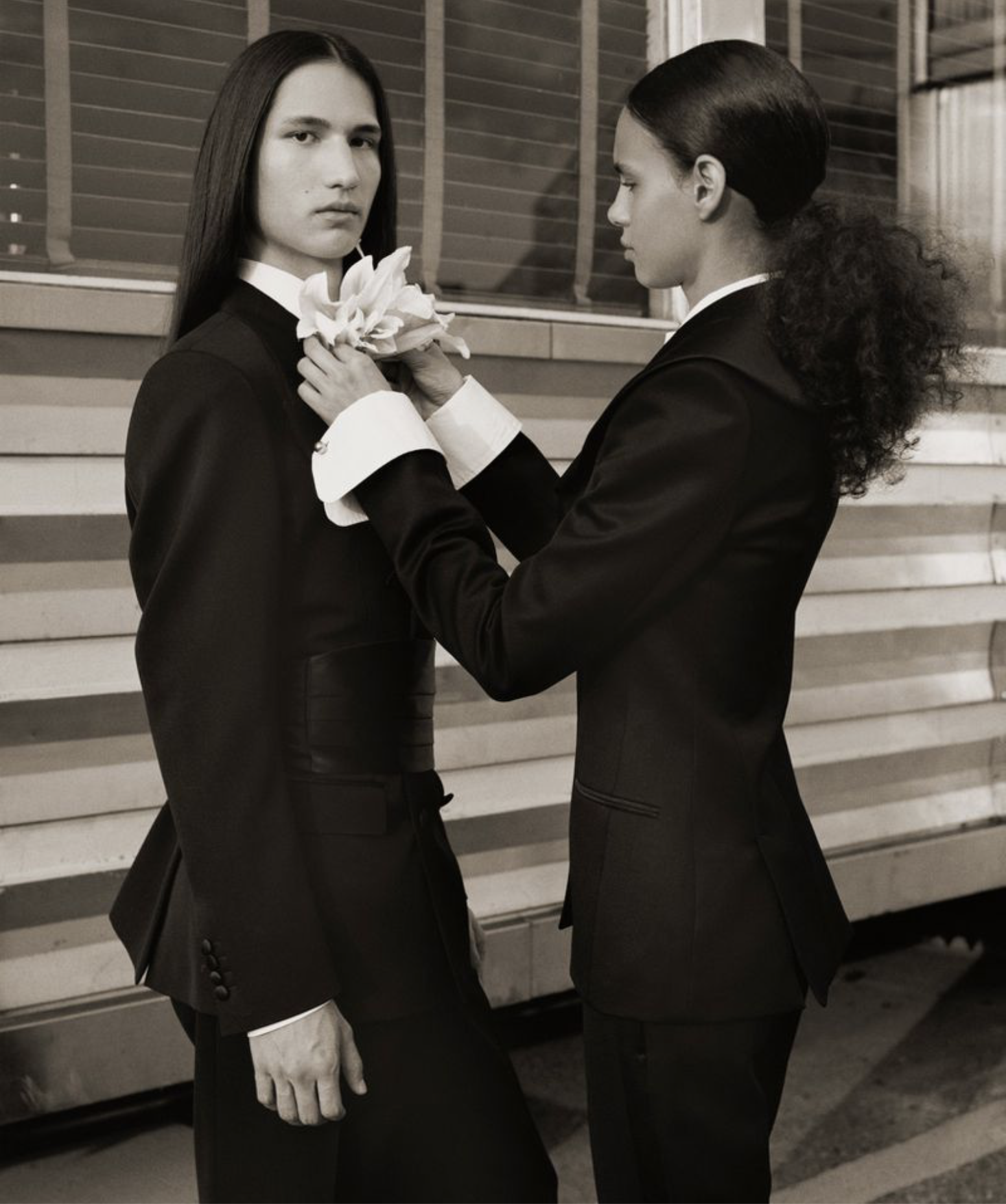
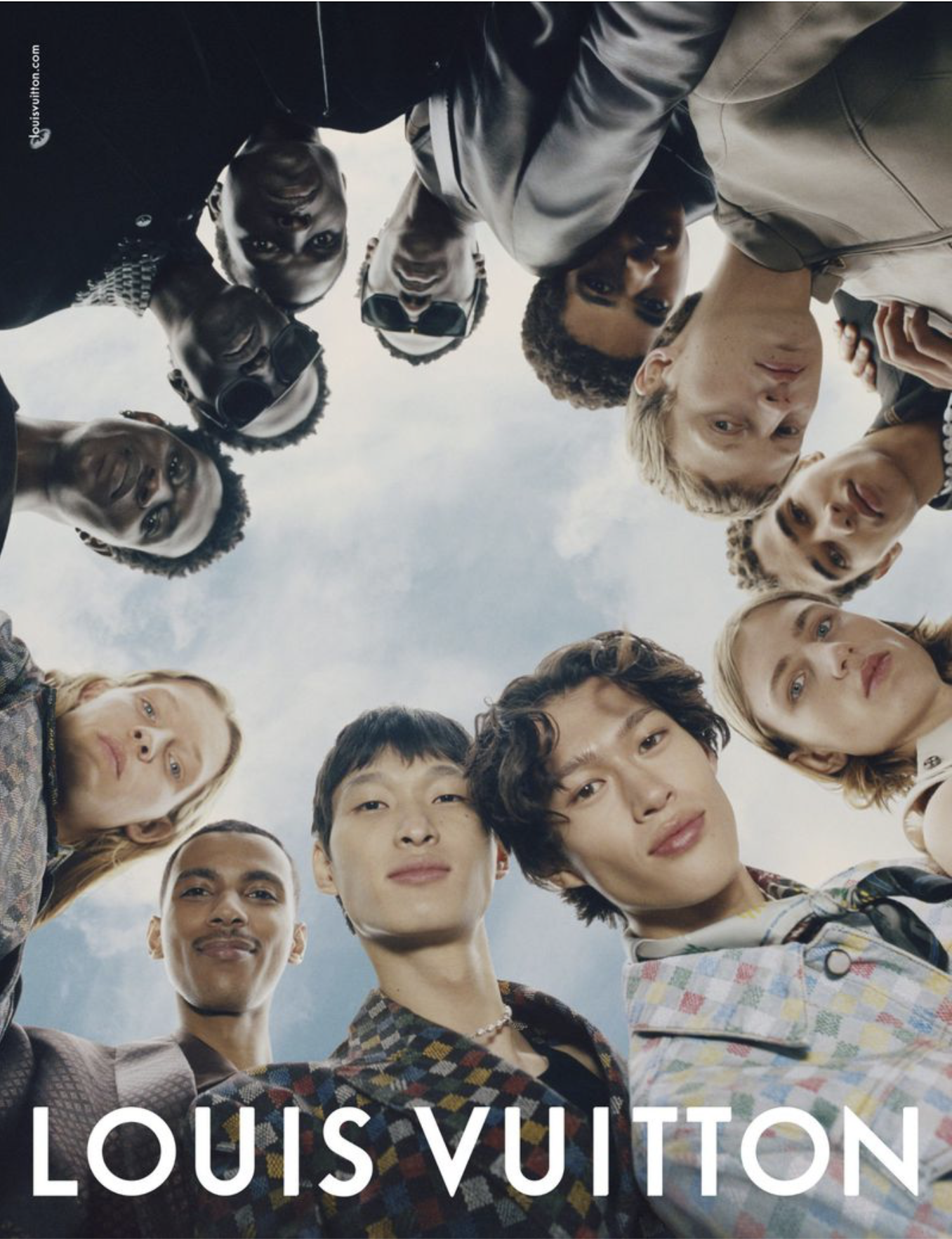
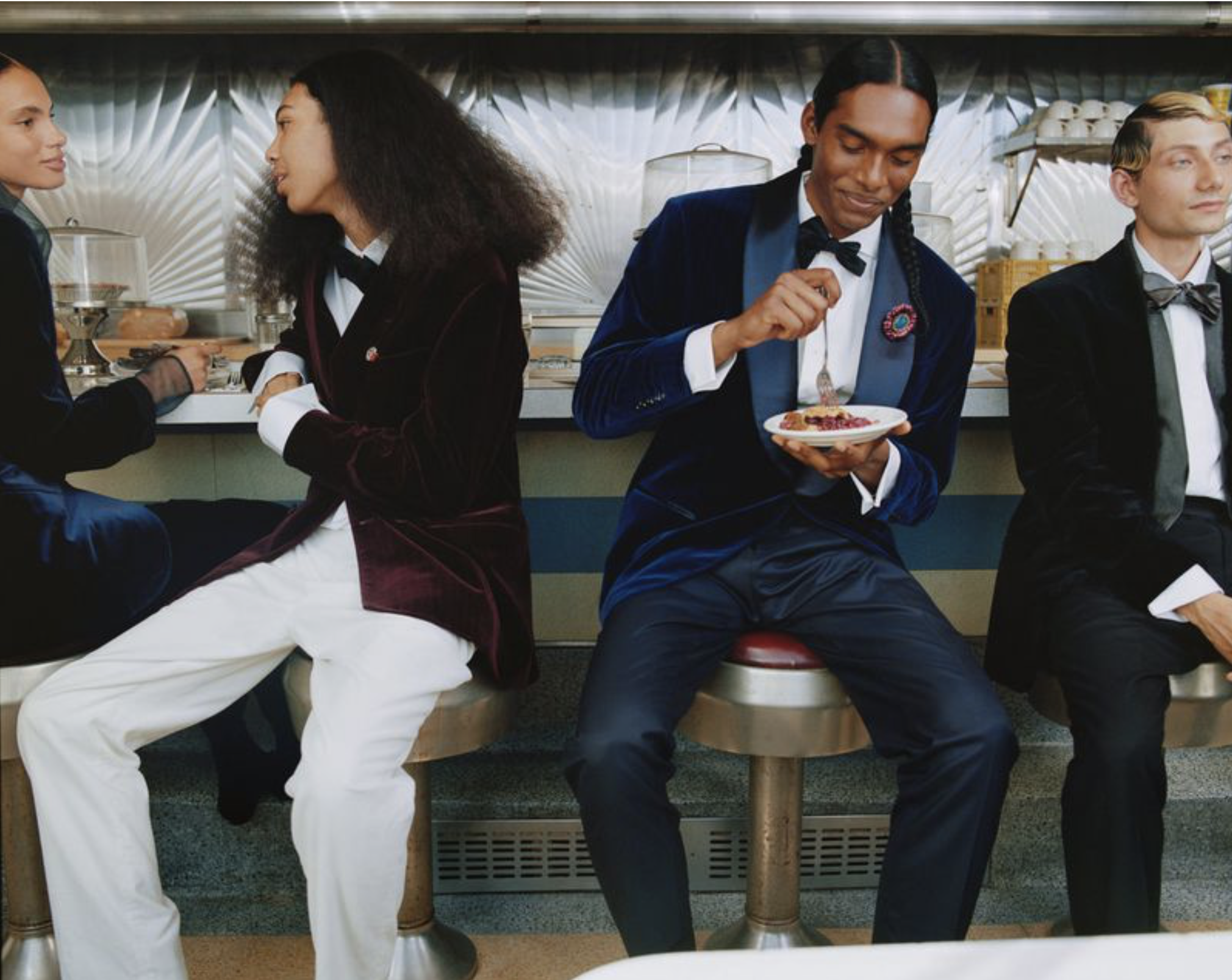
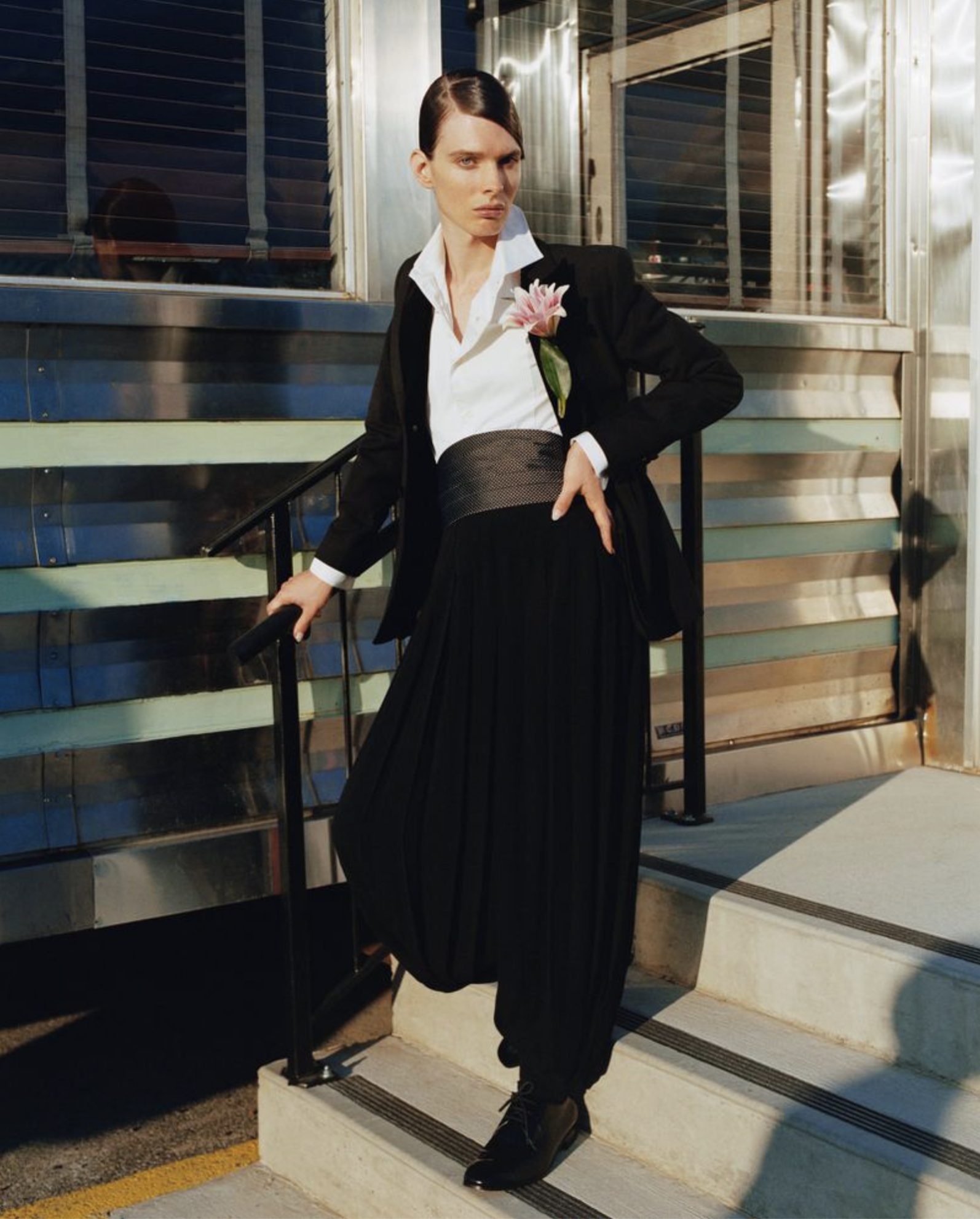
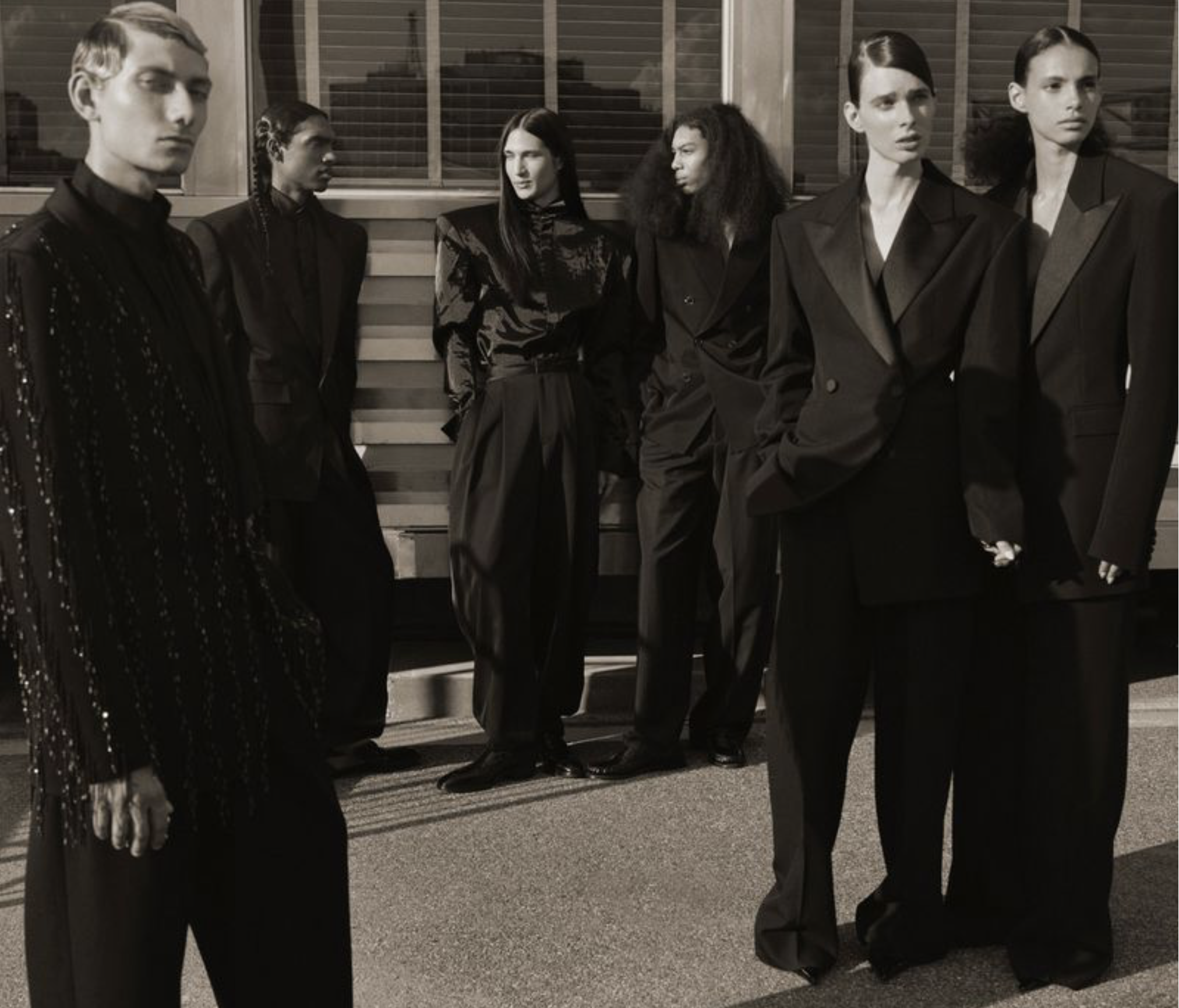
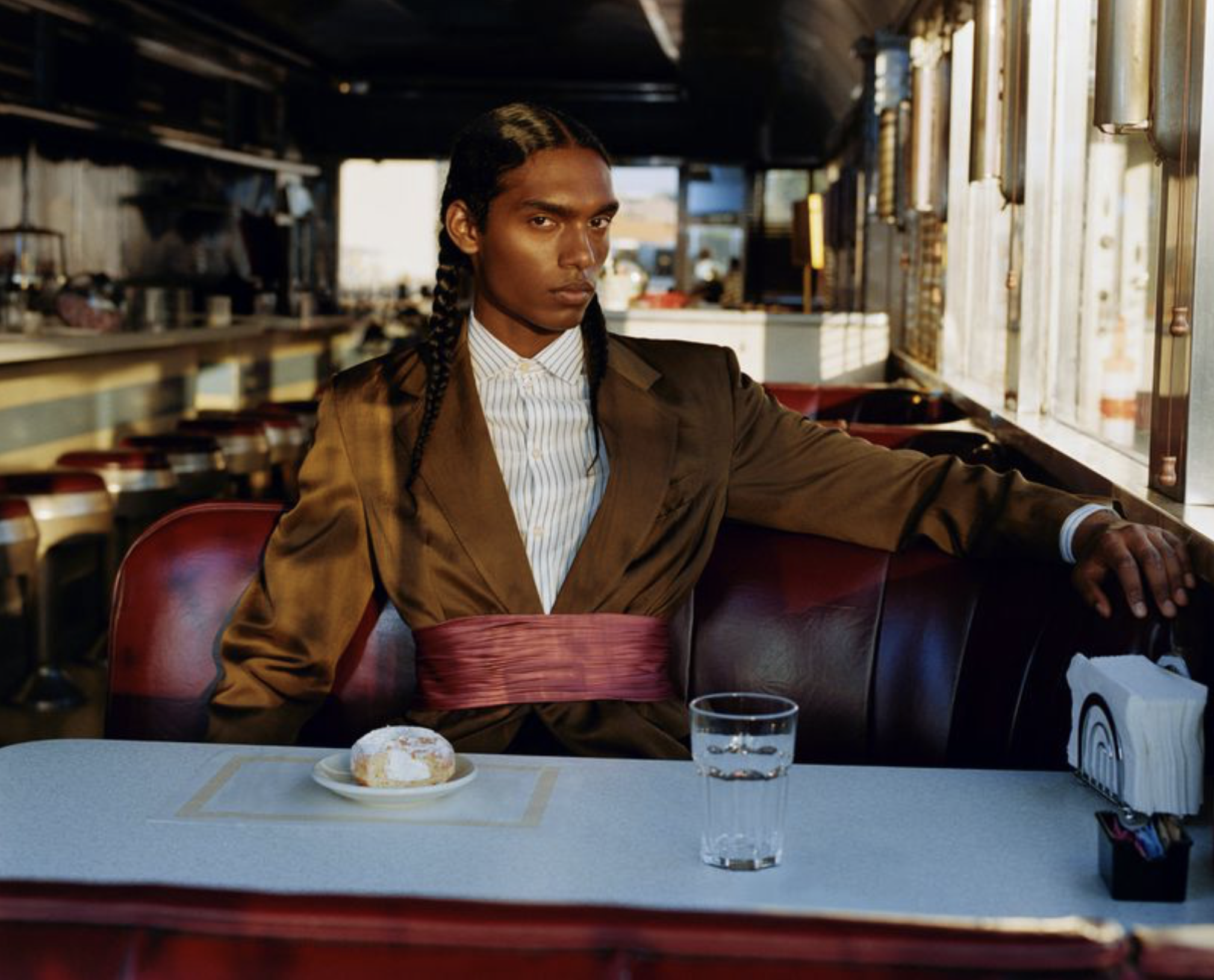
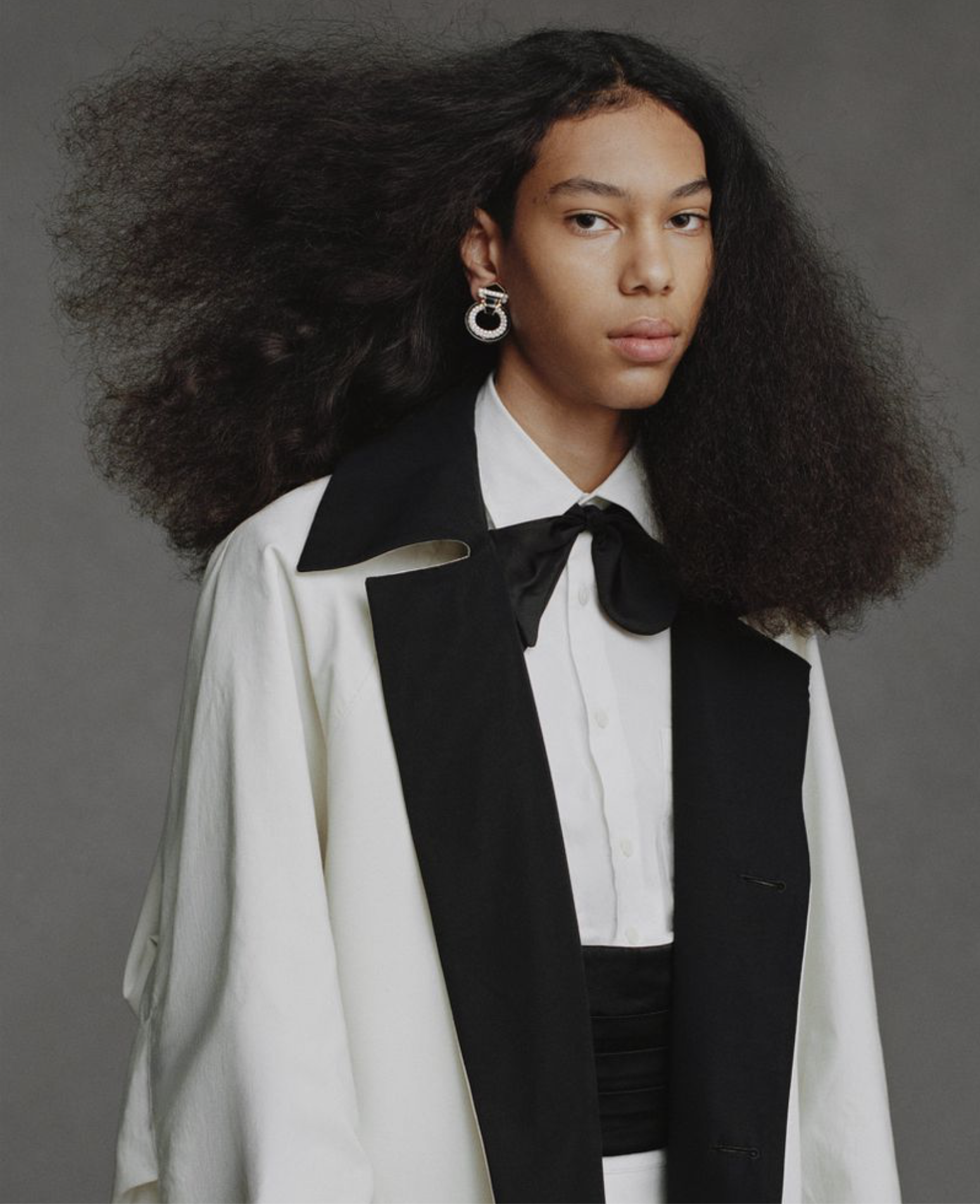
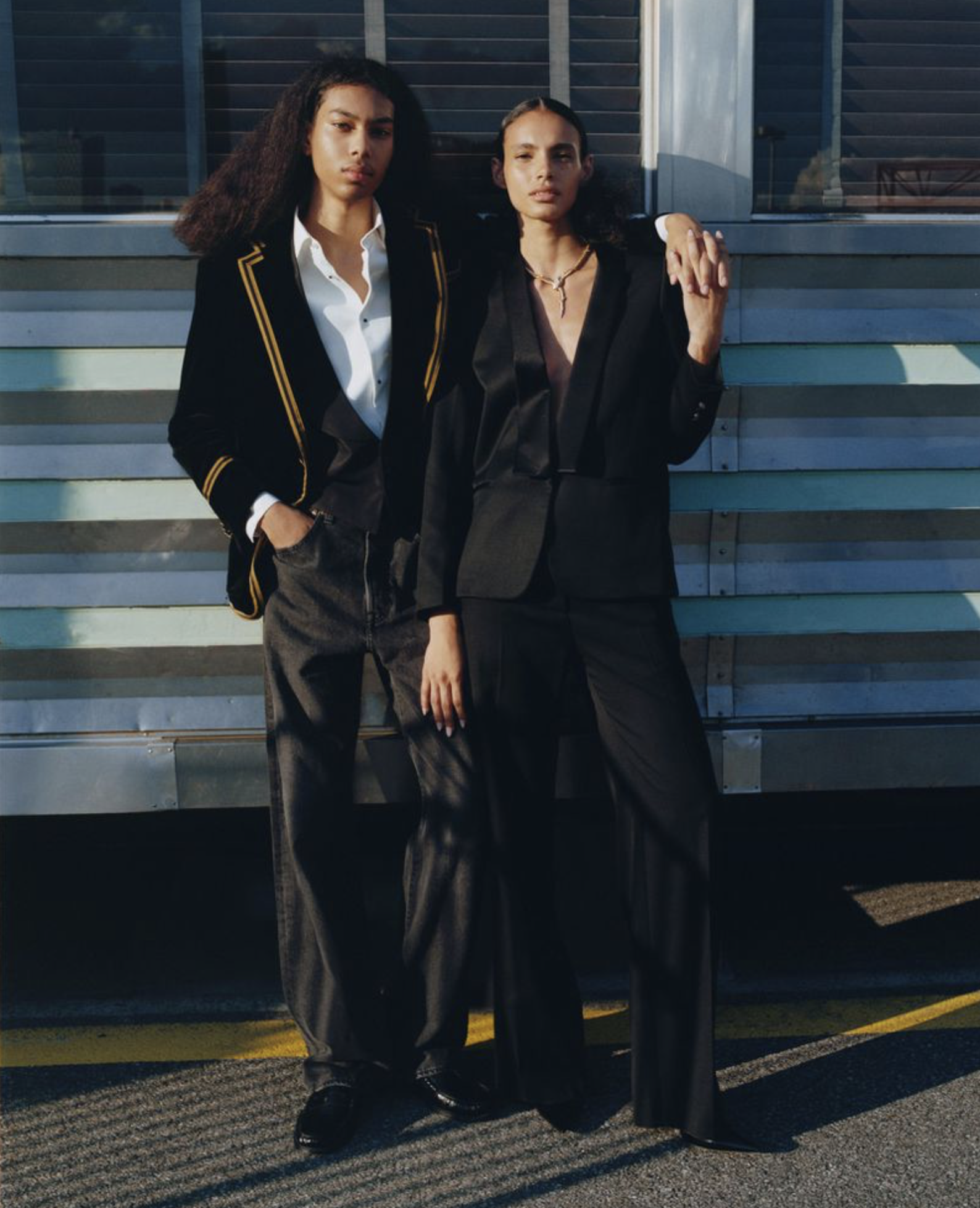
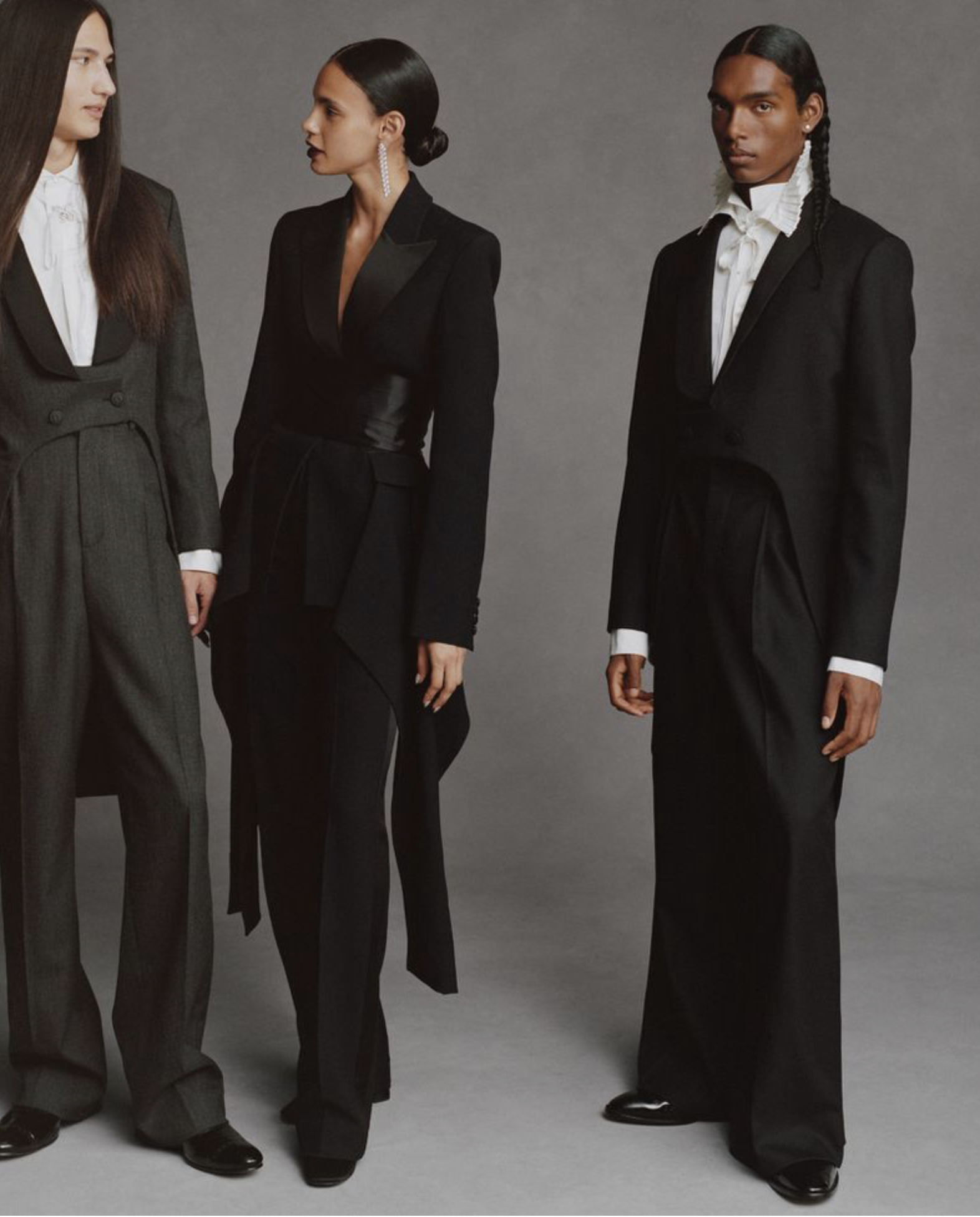
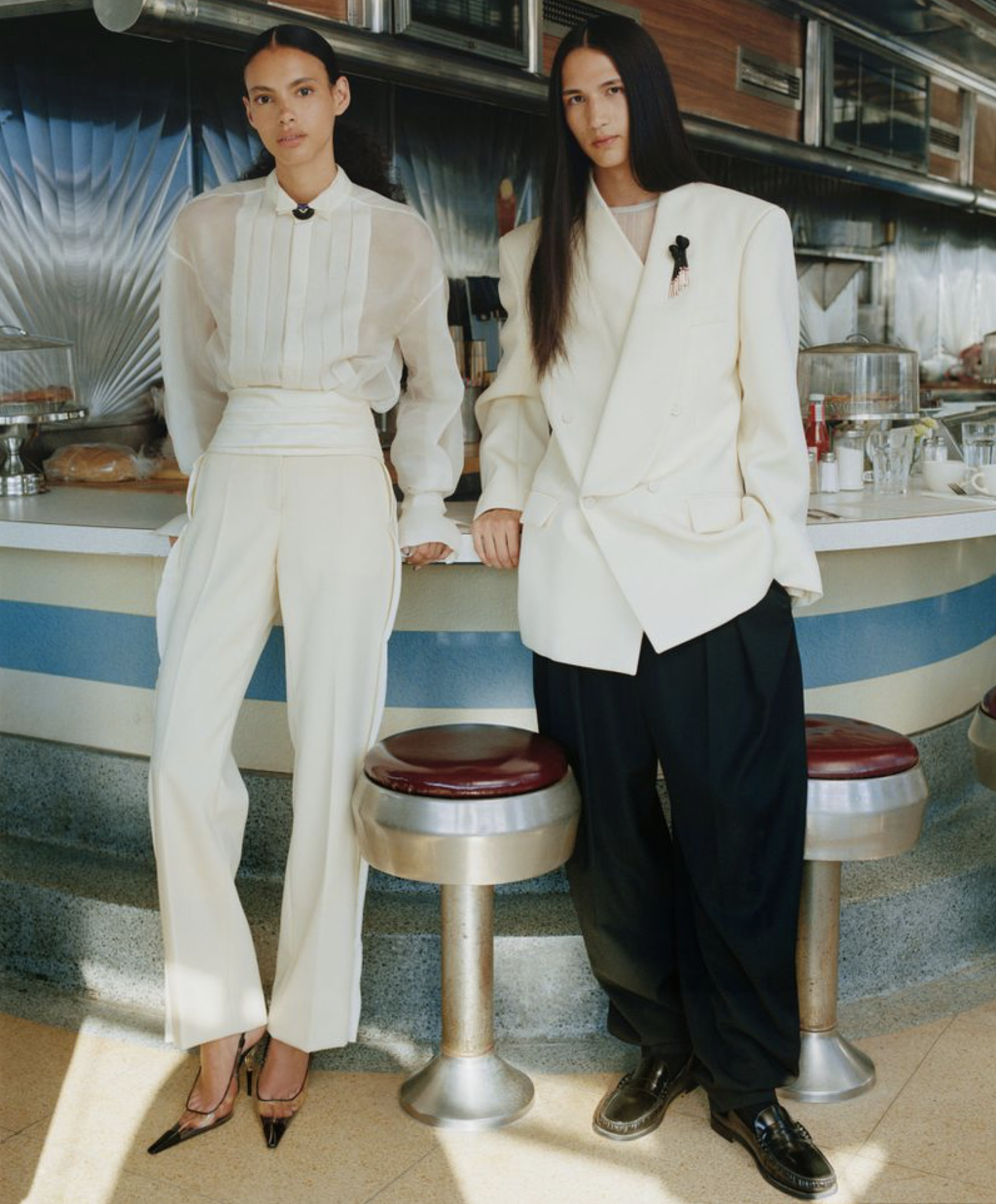
WSJ Magazine [IG] shares a fashion story ‘The Tuxedo as You’ve Never Seen It Before"‘ [free link] with models Anthony Marcelino, Charles Matadin, Danyelle Taylor, Hall Hermawan, Luma Vitoria and Santana Roach. Tonne Goodman styles the shoot with black tie fashion updates from Bottega Veneta, Brioni, Brunello Cucinelli, Celine, Dior, Dolce & Gabbana, Emporio Armani, Ermanno Scervino, Fendi, Givenchy by Sarah Burton, Jacquemus, Lein, McQueen, Michael Kors Collection, Polo Ralph Lauren, Saint Laurent by Anthony Vaccarello, Valentino and more, lensed by Nadine Ijewere [IG]./ Hair by Dylan Charles; makeup by Fulvia Farolfi
In AOC’s opinion, this story is tapping multiple global themes that are part of the current contemporary human story. One theme not requiring an advanced degree in brain science to comprehend its meaning is the global rebirth of jazz, foretold at the 2025 Met Gala at New York City’s Metropolitan Museum with its theme of dandyism.
Jazz Is American Born, But Paris Made It a Star
Jazz first arrived en masse during World War I through African American military bands, such as Lieutenant James Reese Europe’s 369th "Harlem Hellfighters" band, who performed for French and Allied troops. While American society and white audiences often marginalized Black musicians through Jim Crow laws and racial segregation, Parisian culture and intellectuals viewed them with dignity as serious artists and creators.
Figures like Josephine Baker, Sidney Bechet, Miles Davis and Bud Powell joined an expanding intellectual circle of Black Excellence artists preferring to call Paris and France ‘home’, rather than America. WWII was a brutal fight for liberal democracy and values in Europe. But it also gave America’s soldiers of color a taste of respect that was not available in a segregated United States.
Jazz in Asia
Today’s explosion of interest in jazz is very important in Asia across most countries. Cities like Shanghai had a legendary, thriving jazz scene in the 1920s and 1930s (often called "Shidaiqu" or Yellow Music), which blended American jazz with traditional Chinese melodies. The modern resurgence is often a nostalgic revival of this local, historic golden age.
AOC notes that phrases like “historic golden age” may not be appreciated by Chinese cultural officials and other nations, as well. I raise the phrase deliberately because dark clouds are gathering about a concept we all must understand as being antithetical to the European and American values of the last 100 years. ‘civilizationalism’ a permanent, existential competition between distinct, culturally and religiously bounded “civilizations”.
The Scourge of Civilizationalism
‘Civilizationalism’ is a permanent, existential competition between distinct, culturally and religiously bounded ‘civilizations’.
Simply stated, the philosophy rejects multiculturalism and the increasingly liberal world order. It goes against our shared interest in fusion design and mutual respect for and desire to know more about a world comprised of multiple civilizations across the development of human history.
The theory is grounded in a book I read over 20 years ago is built from the rocky foundation of Samuel Huntington’s controversial "Clash of Civilizations" theory into modern statecraft, where it’s defined by nationalism. In the minds of its founders, there is only one ‘supreme’ civilization and it’s the western European-American axis.
Looking for a High Note
Let’s avoid getting sidetracked by this lovely, sophisticated fashion story in the Wall Street Journal. Let me introduce you to one of my favorite musicians — often called a musical genius — Jon Batiste.
The New Orleans native is a diplomatic bridge-builder in fusion culture. Batiste is playing Mozart with the goal of showing his largely white, Mozart-loving audience all the parallels that exist between jazz and Mozart’s incredibly rich compositions.
Jon Batiste 2026 Asia Tour
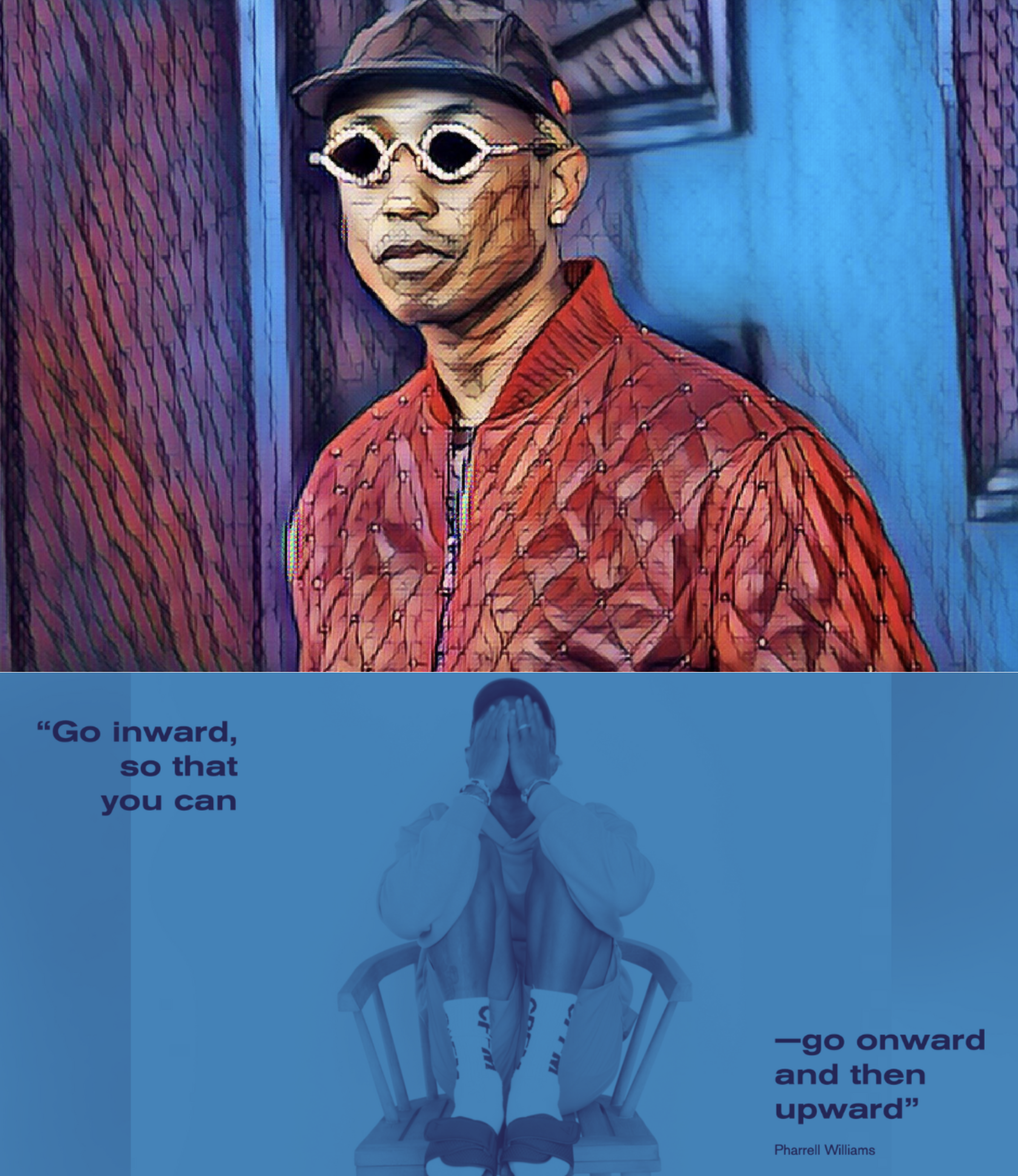
Jon Batiste is an international culture diplomat, as is AOC muse Pharrell Williams. Batiste completed a massive Asia Tour in 2026. He made his South Korea debut at the Seoul Jazz Festival in Olympic Park, Seoul. His tour included performances in Japan cities of Tokyo, Yokohama, and Osaka, as well as headlining the Java Jazz Festival in Jakarta, Indonesia. Batiste went on to perform live in Mumbai and New Delhi in India.
The creative mastermind did perform in May at Taiwan’s National Kaohsiung Center for the Arts. He has not performed in China, but I can say that Jon Batiste has enormous respect for China’s traditions and musical culture and it would be a monumental gift for humanity if he could perform there. He has spoken several times of his deep desire to experience the dynamic culture of today’s China. The creative believes that China has great energy.
Jon Batiste: Black Mozart
Recently, I watched Jon Batiste’s Performance in New York City with classical public radio station WQXR. Personally, this musical genius sits at the topic of my pianist-pyramid and to listen to him play and then refashion Mozart, Bach and other classical composers into his own style was total pleasure.
Batiste particularly likes Mozart because he played extemporaneously, which is a gift onto itself. I was the family pianist, practicing as much as 3 hrs. a day, but it was my aunt Mavis who brought more pleasure to us all because she could ‘play by ear’ — or extemporaneously — and it drove me crazy.
WQXR host Terrance McKnight’s expertise exists in the intersections of classical music, culture, and representation, and his skills show all the ways that none of these practices are ‘pure’ forms. They have global roots far and wide. I know very little about McKnight, but he is on my study list.
In response to this concept of civilizationalism, Batiste is playing Mozart with the goal of showing his largely white audience all the parallels that exist between jazz and Mozart’s incredibly rich compositions. This is a very clever power move — one made with love, of course.
American culture is under severe pressure to demonstrate all the ways that people of color — and America’s indigenous cultures — have contributed to the artistic and linguistic tapestry of America. Not all parties respect Jon Batiste’s mission of mastering Mozart, but AOC is very clear about what he is doing.
Batiste is smashing a cultural stereotype in mastering Mozart. Smashing stereotypes is our shared goal.
Anne, Batiste and Pharrell Are Warriors Against Civilizationalism
While I have not discussed my claim with either Jon Batiste or Pharrell Williams, I assure you that the three of us are warriors against this divisive idea of civilizationalism and a Eurocentric-American belief that our shared history of civilization towers over all others.
This progression of Western nationalism cannot be ignored in our global moment of shared danger. Look at the extraordinary mess made by US Secy of War Pete Hegseth with his Iranian excursion that could cause an all-out war in the Middle East before he and Trump are finished. I wrote almost two years ago about Hegseth’s desire to relive the Crusades while conquering Islam. I cannot believe I’m writing these words today.
I pause here, because this is a beautiful fashion story and we don’t need Anne singing the blues, when we all know that the global terrain is very delicate. ~ Anne