As African Art Thrives, Museums Grapple With Legacy of Colonialism
/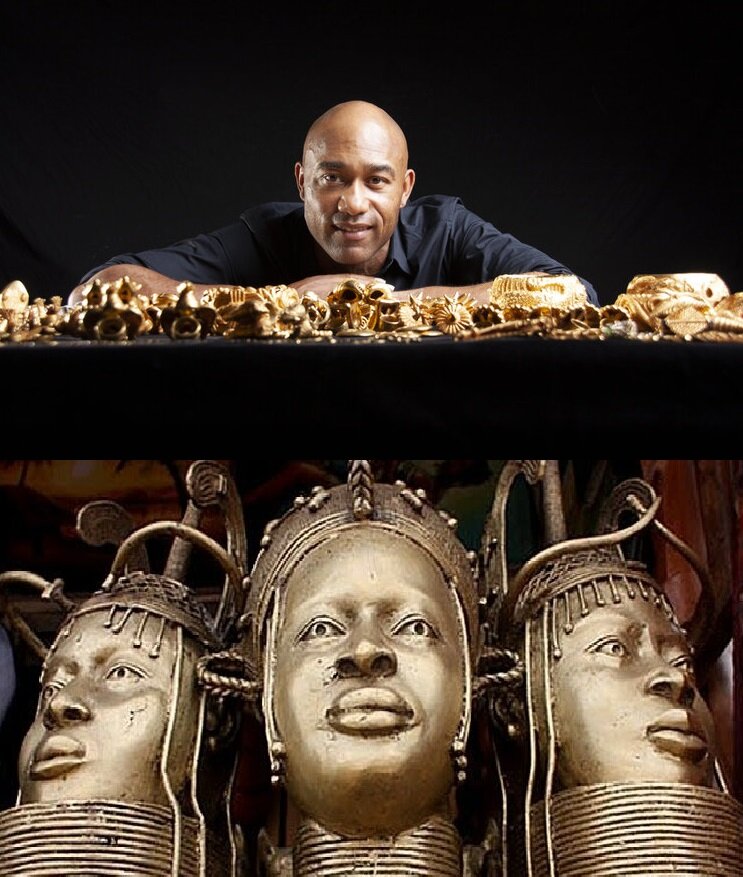
TOP: GUS CASELY-HAYFORD. COURTESY OF THE VICTORIA AND ALBERT MUSEUM, LONDON.. BOTTOM: THE BENIN ROYAL MUSEUM WILL HOUSE MANY OF THE BRONZES LOOTED BY THE BRITISH AND SPREAD ACROSS MULTIPLE MUSEUMS AND INDIVIDUAL COLLECTIONS.
As African Art Thrives, Museums Grapple With Legacy of Colonialism New Humanism
In 1897, 1,200 British troops captured and burned Benin City. It marked the end of independence for the Kingdom of Benin, which was in the modern-day Edo state in southern Nigeria. In addition to razing the city, British troops looted thousands of pieces of priceless and culturally significant art, known as the Benin bronzes.
More than a century later, the museums that house these pieces are grappling with the legacy of colonialism. Leaders in Africa have continued their call to get the Benin bronzes and other works of art taken by colonists back, at the same time as new museums open up across Africa. (In 2017, the Smithsonian's National Museum of African Art organized its first traveling exhibition in Africa showcasing the work of the Nigerian photographer Chief S. O. Alonge. The show, catalogue and educational program were organized and produced in partnership with Nigeria's national museum in Benin City. Alonge was the official photographer to the Royal Court of Benin.)
The British Museum, which has the largest collection of Benin bronzes, is in communication with Nigeria about returning the bronzes. They’re waiting for the completion of the Benin Royal Museum, a project planned for Benin City. Edo state officials recently tapped architect David Adjaye, who designed the National Museum of African American History and Culture, to do a feasibility study on the site.