New Humanism Sets Out on the Silk Road Which Today Includes Marrakech
/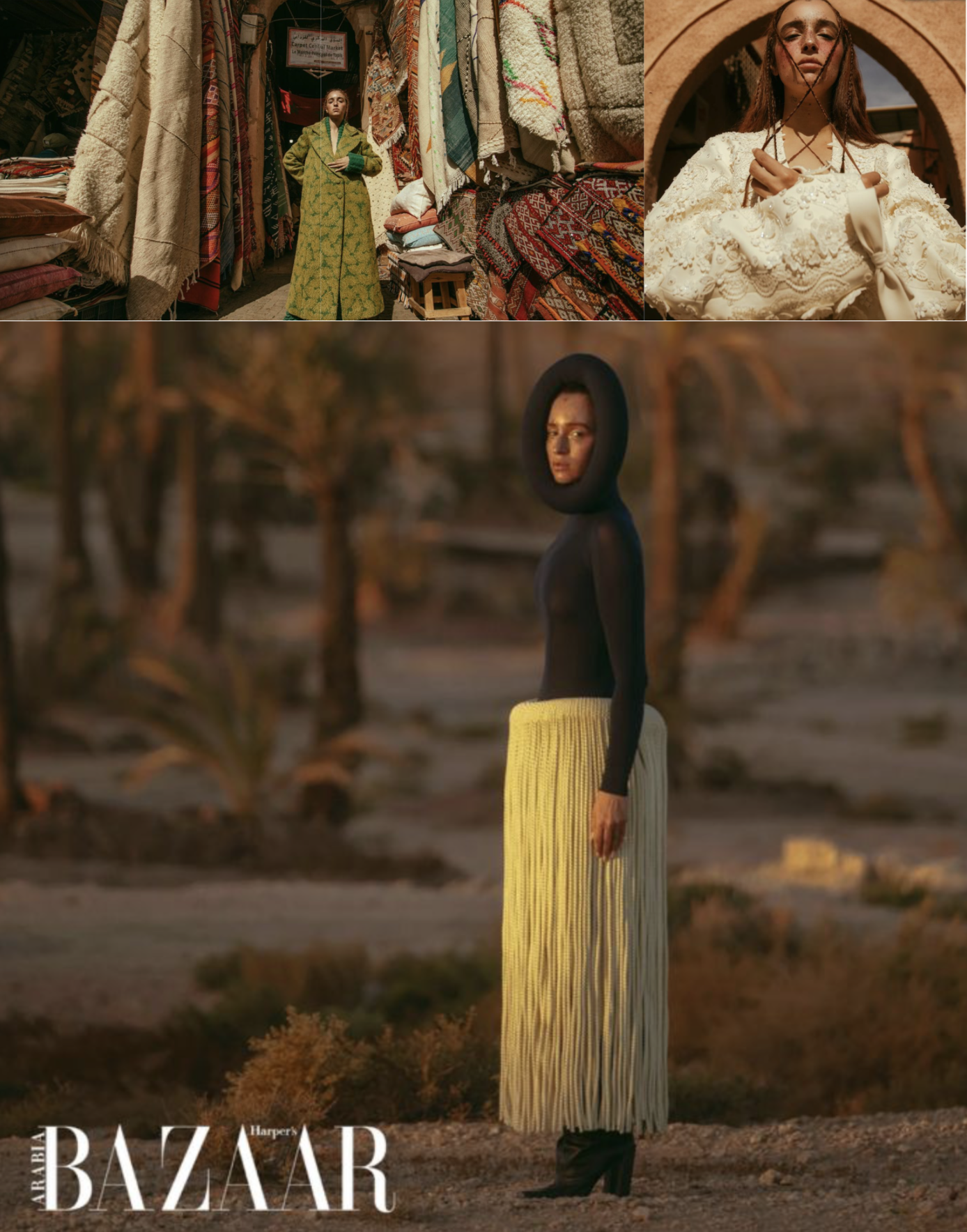
Bazaar Arabia Goes to Marrakech, A Key Location on the Map of New Humanism AOC New Humanism
With this greeting, the December 2025 issue of Harper’s Bazaar Arabia [IG] brings us to Marrakech, a very important place in the history of the world and a treasured place in my own heart.
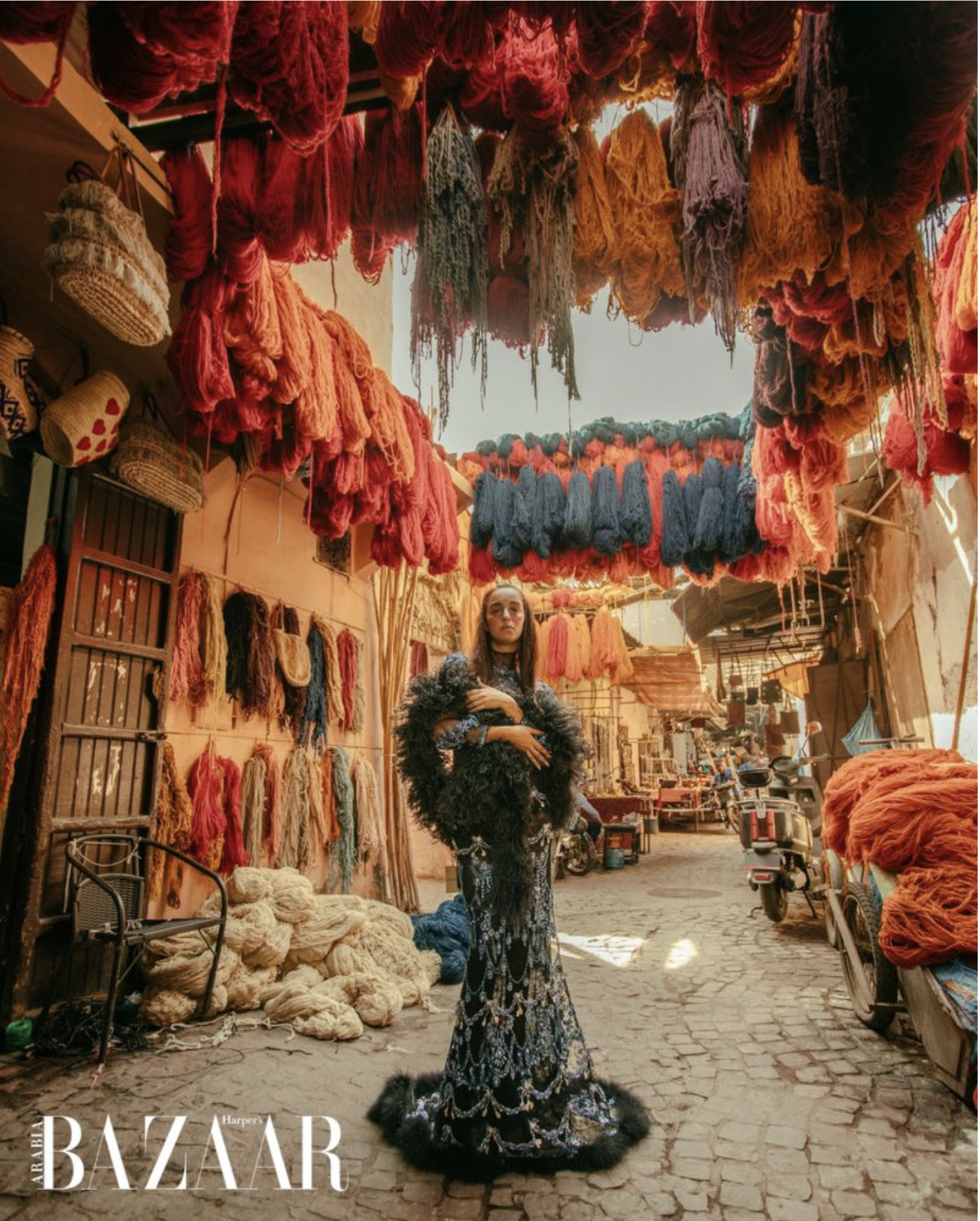
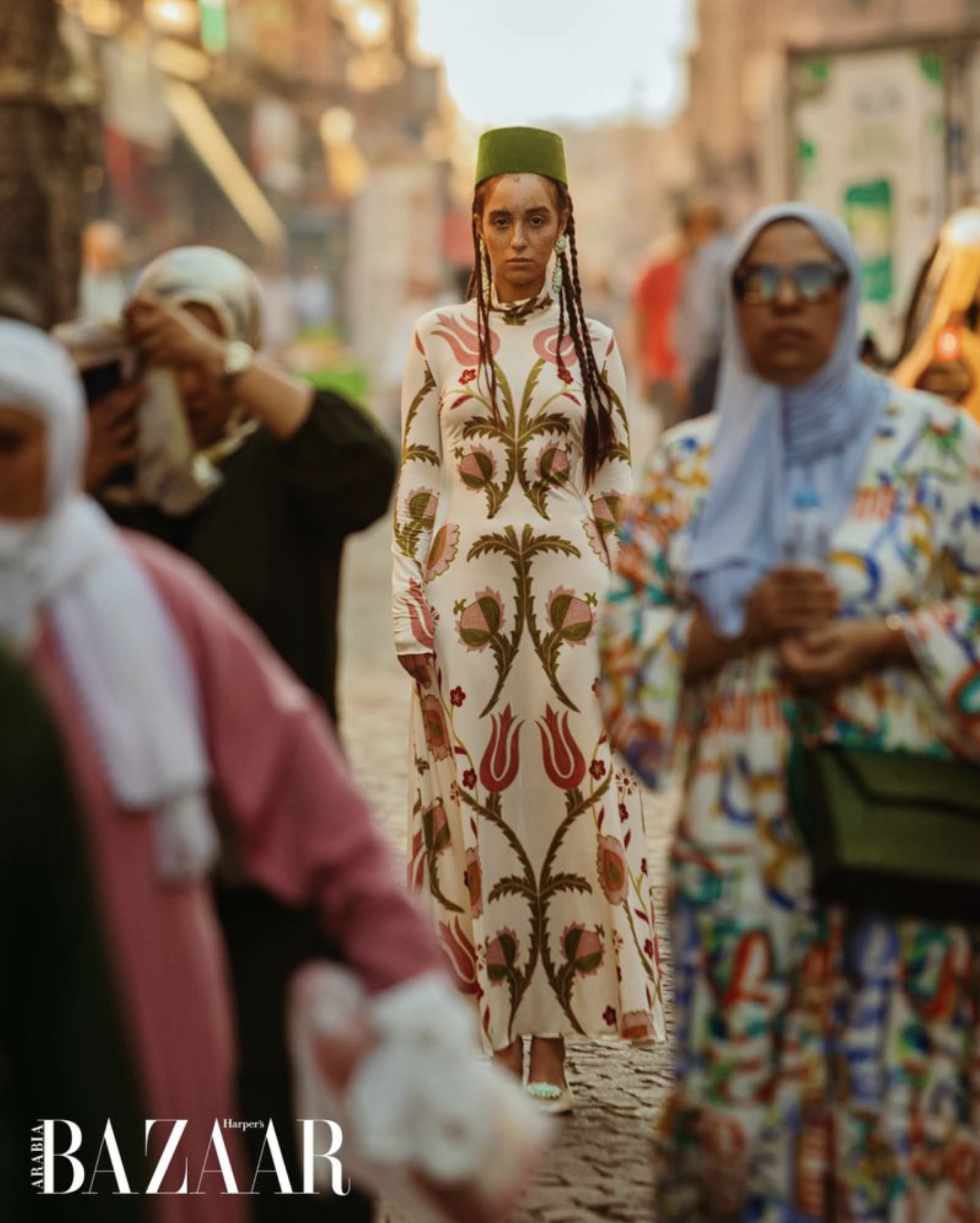
In this story, models Tilila Oulhaj and Hatim Tebli are styled by Loizos Sofokleous in Alaïa, Elie Saab, Etro, Georges Hobeika, Giambattista Valli, J Salinas, Louis Vuitton, Roberto Cavalli, Saint Laurent, Valentino, Zhor Raïs, Zuhair Murad and more. Photographer Élio Nogueira [IG] taps visually into a story shaped by centuries . . . and Anne takes into the process of understanding New Humanism through an updated, 21st century lens. [Note that for starters AOC can’t explain the contradiction of the original Humanism with the development of the international slave trade.]
Marrakech is the westernmost terminus of the historical Silk Road.
Role in the Global Trade Network
Marrakech functioned as a strategic "crossroads" where various global networks intersected:
The Silk Road Terminus: It was frequently described as the final major hub of the Silk Road before goods reached the Atlantic or were distributed into Europe.
Trans-Saharan Gateway: The city acted as a primary outpost for caravans crossing the Sahara to trade with West African empires like Mali and Timbuktu.
The Maritime Link: Through its proximity to the Atlantic and Mediterranean coasts, Marrakech connected overland Asian routes to maritime trade flowing toward the Iberian Peninsula.
The Great Translation Movement
Beyond the movement of physical goods, Marrakech facilitated a massive exchange of knowledge and culture that spread widely in the region. In one of those stories never told in America, I learned about the Great Translation Movement in my investigation of Secretary of Defense Pete Hegseth’s desire to fight another holy war in Arabia.
The casual nature of this mission was just astonishing in his commentaries.
During the early Middle Ages [Europe’s "Dark Ages"], much of the Greek philosophical and scientific corpus was lost to the West. However, it was preserved and expanded upon in the Islamic world.
As the first European universities [like those in Bologna, Paris, and Oxford] began to form in the 11th and 12th centuries, they lacked a curriculum. The knowledge came back to them through two primary ‘gateways’:
Toledo, Spain. After the city was retaken by Christians, a "School of Translators" was formed. Jewish, Christian, and Muslim scholars worked together to translate Arabic versions of Greek texts into Latin.
Sicily. Under the cosmopolitan rule of King Roger II, Arabic science and administration were integrated into the European court, blending Norman, Byzantine, and Islamic cultures.
We intend to come at this topic of New Humanism from multiple different directions in the coming months. Follow the article link top of page to read this entire post and learn about the history and also the modern New Humanism movement that’s gaining traction.
For a fashion and culture website, of course Anne of Carversville will also examine the designers, philanthropists, thinkers and activists who are helping to create momentum around this 21st century vision of a Renaissance philosophy.
Top of the list is Brunello Cucinelli, who has worked diligently to explain the key principles of humanism and also build his very successful, global luxury brand that always walks the talk laid out in the vision of its founder. ~ Anne