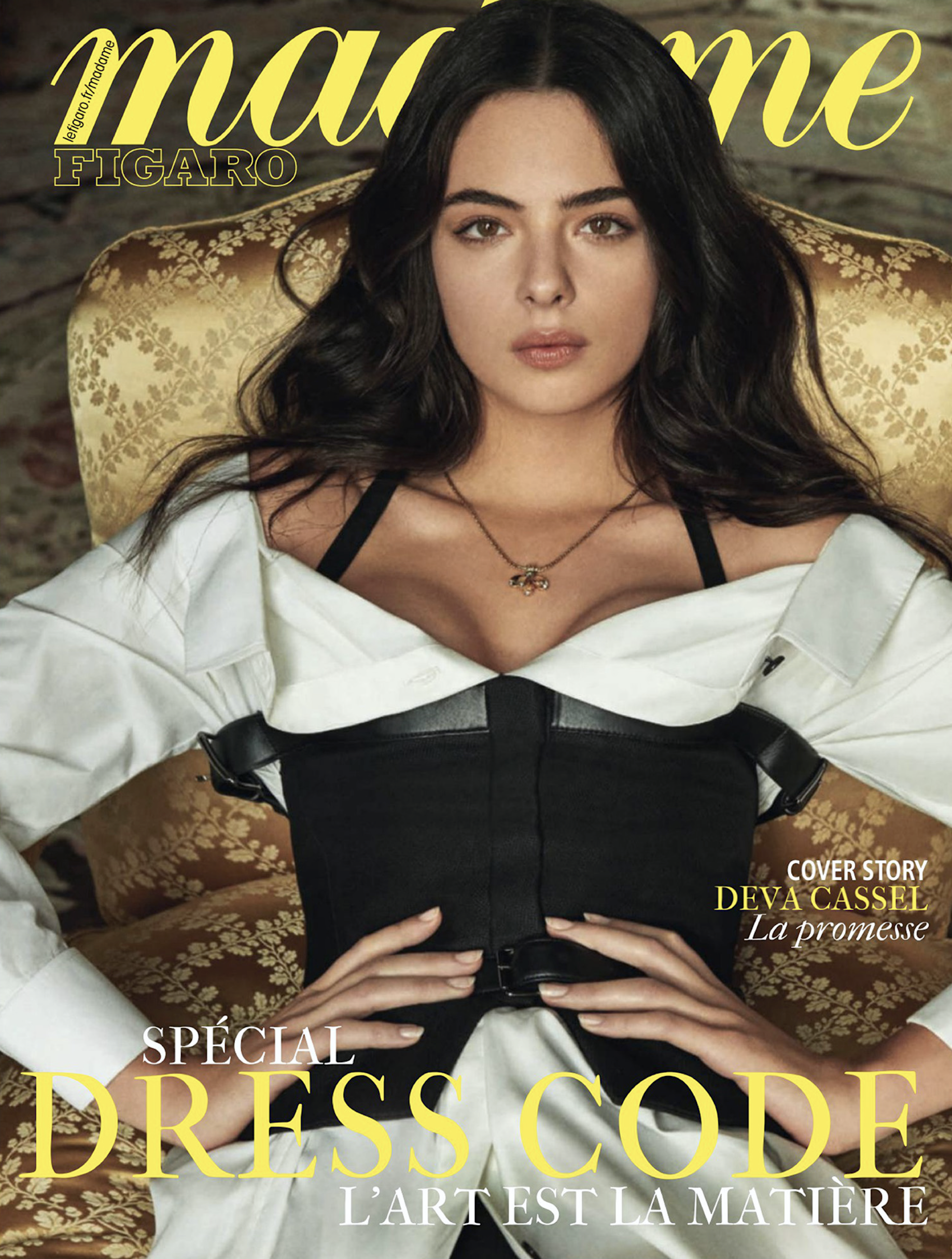
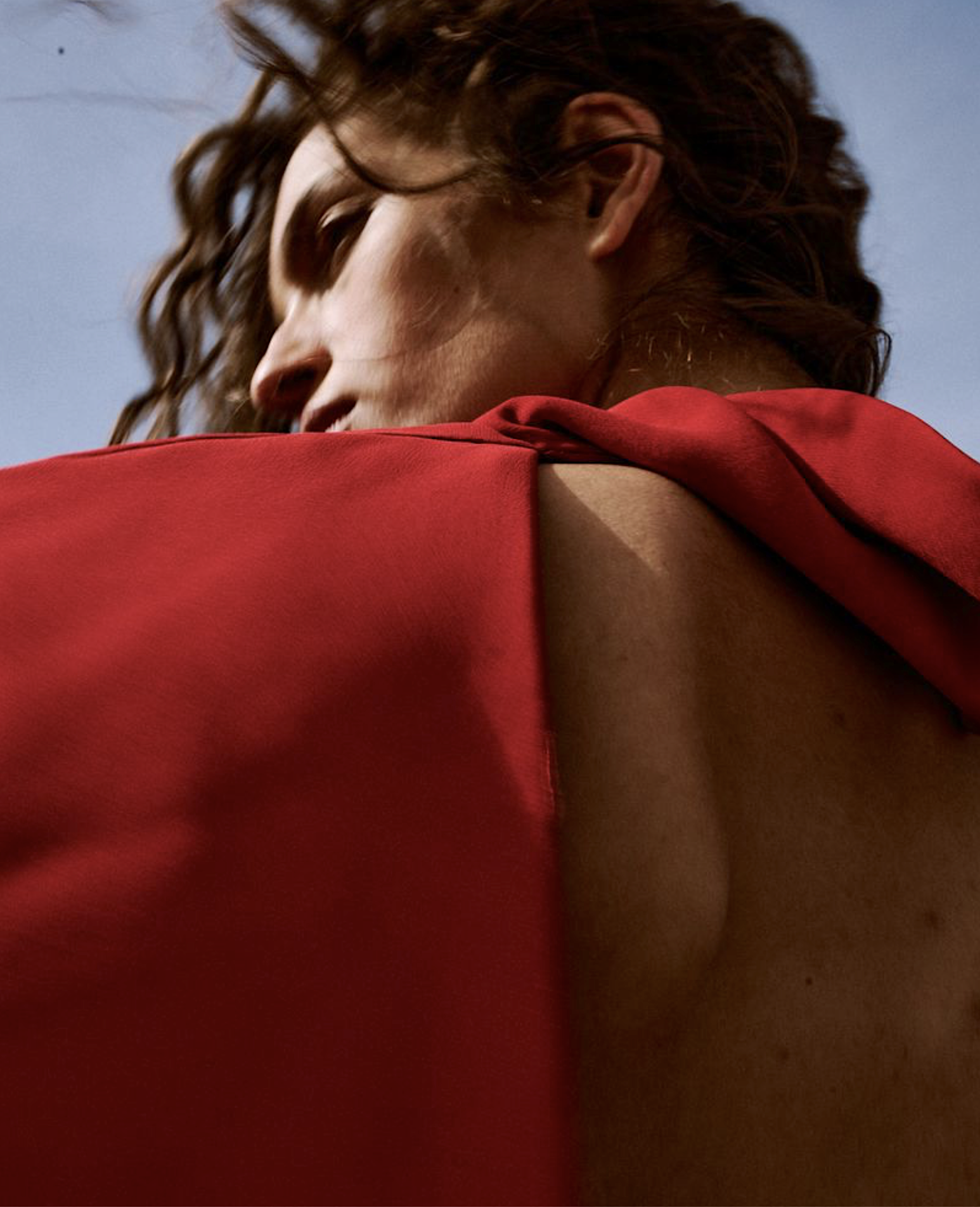
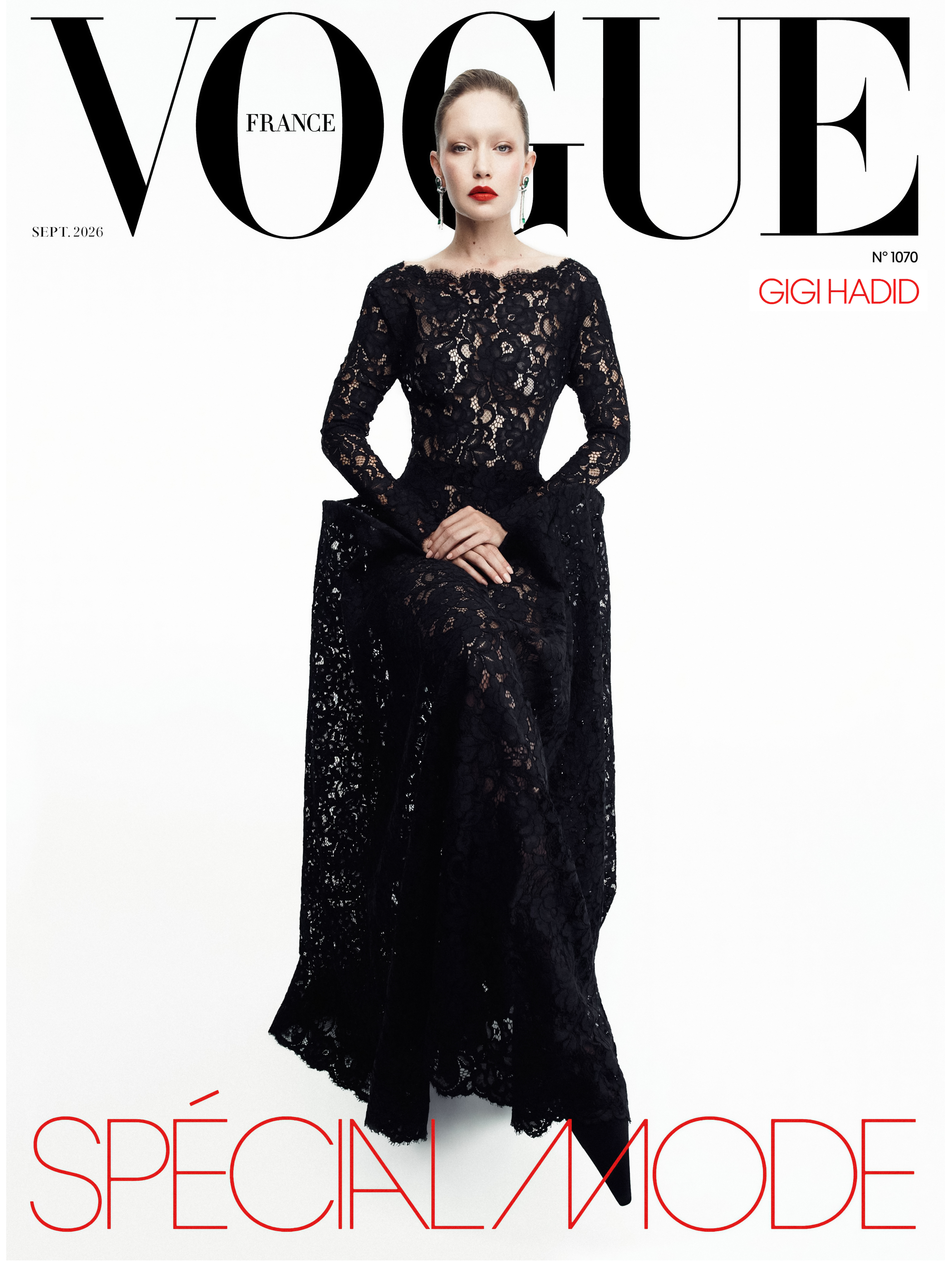
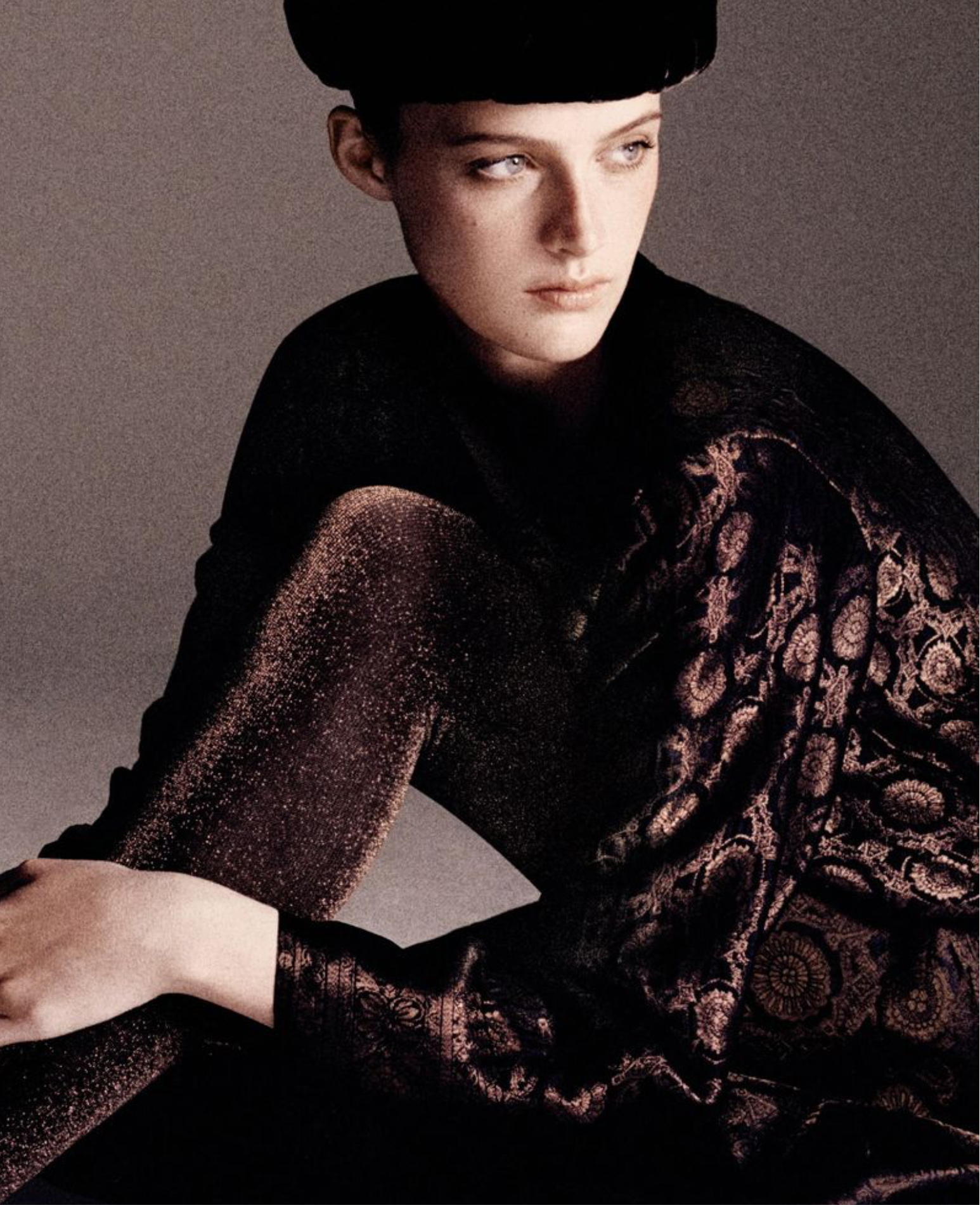
Phantom's Deva Cassel and Julien De Saint Jean Cover Vanity Fair France March 2026
/A Modern Team for an Old Story
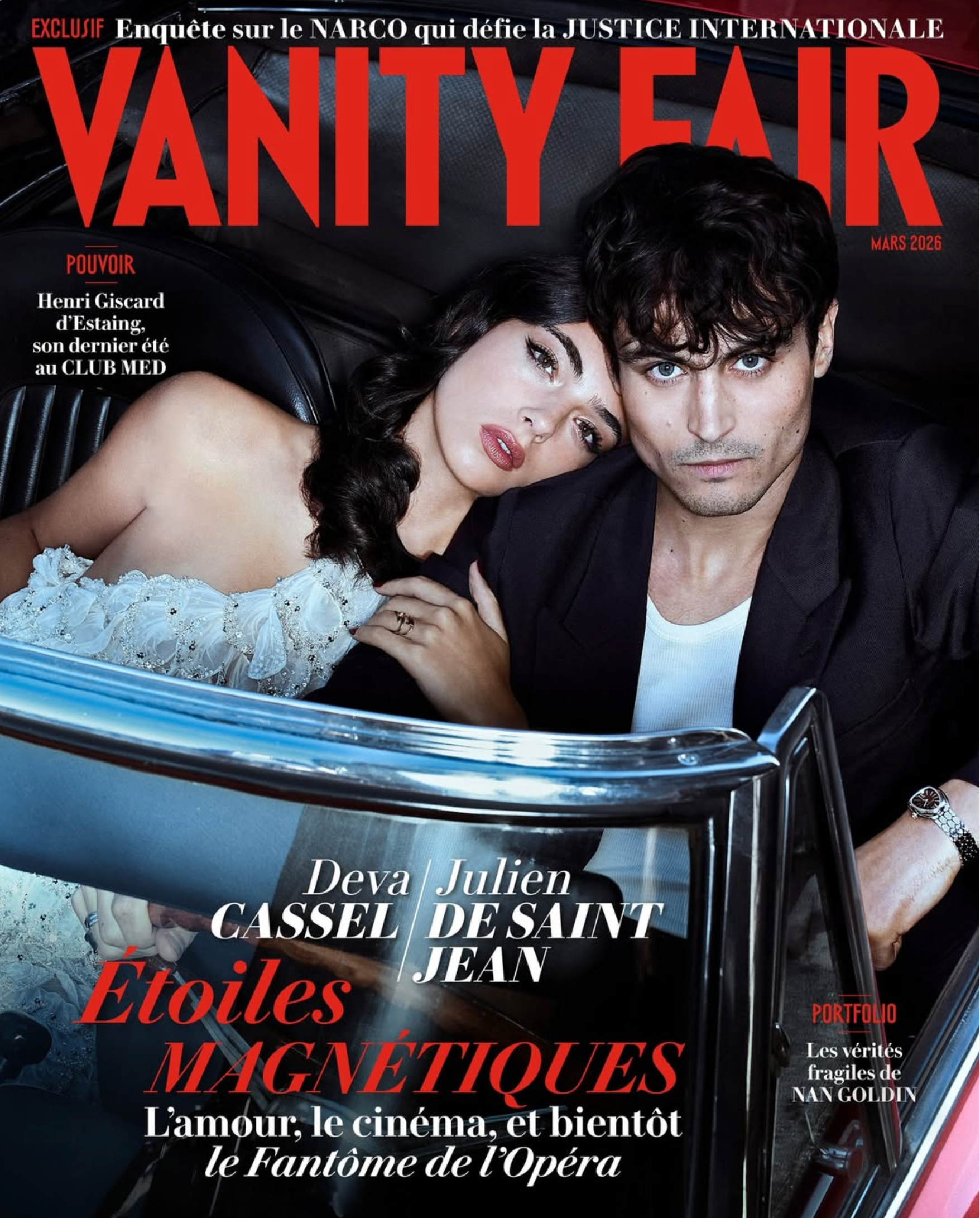
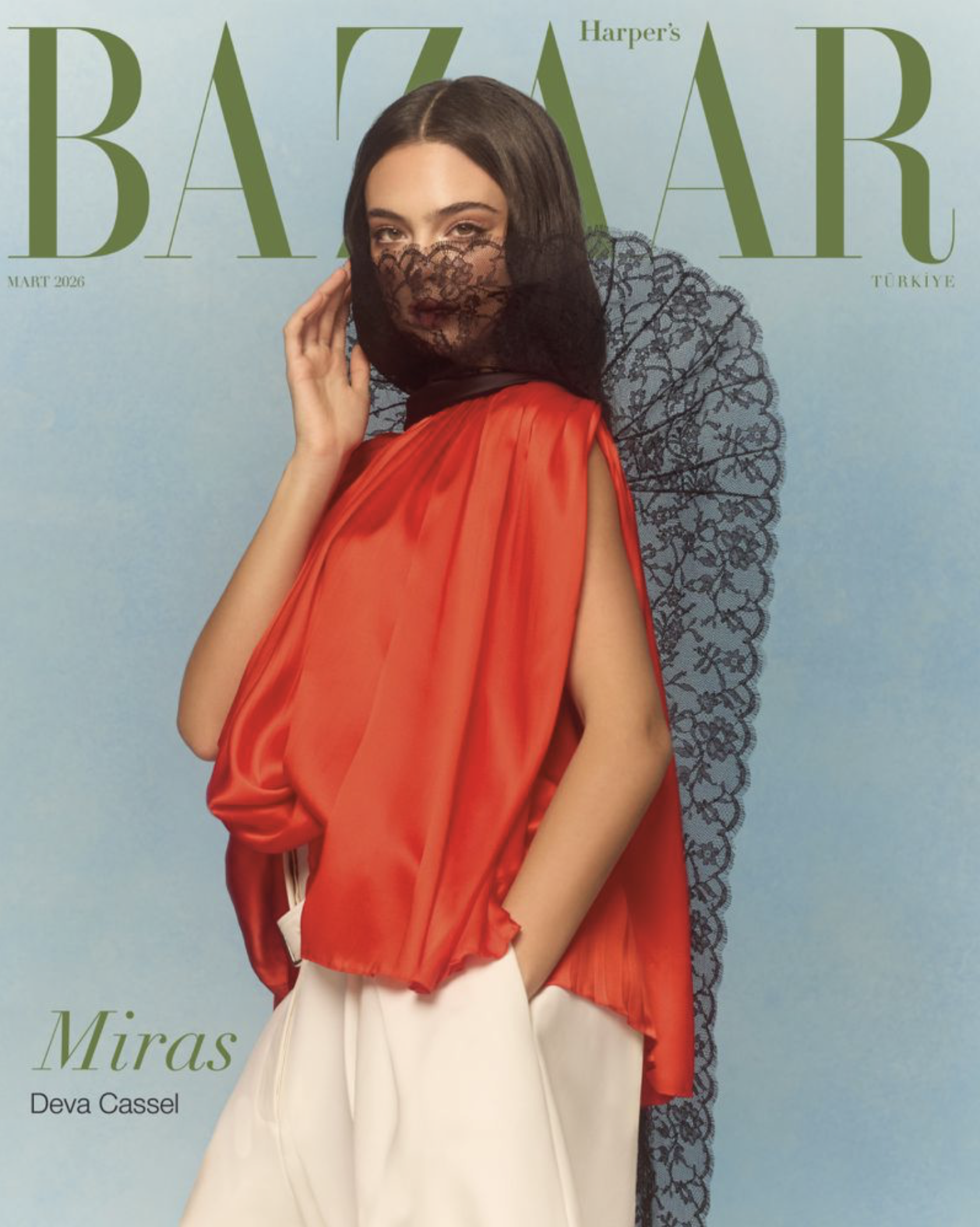
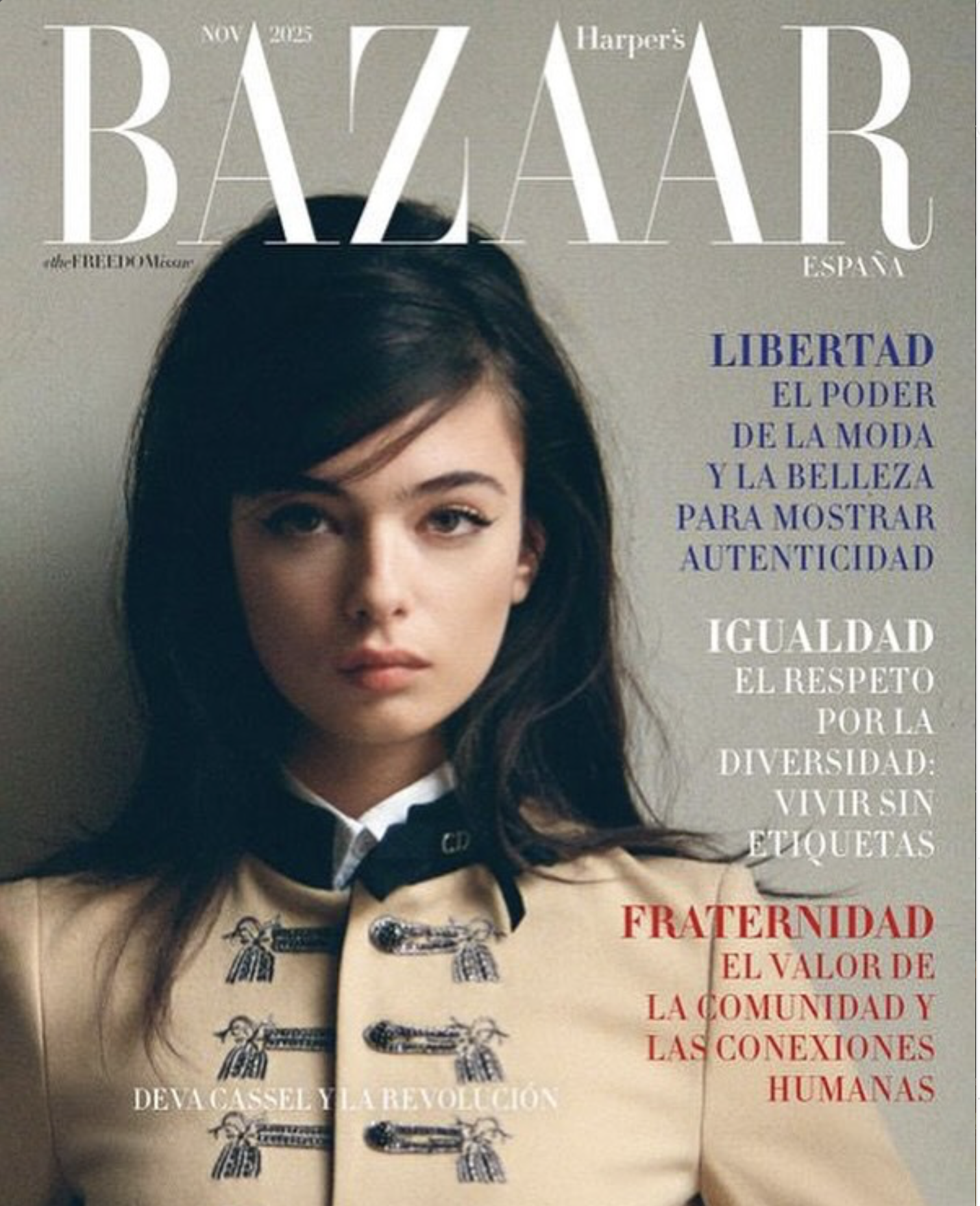
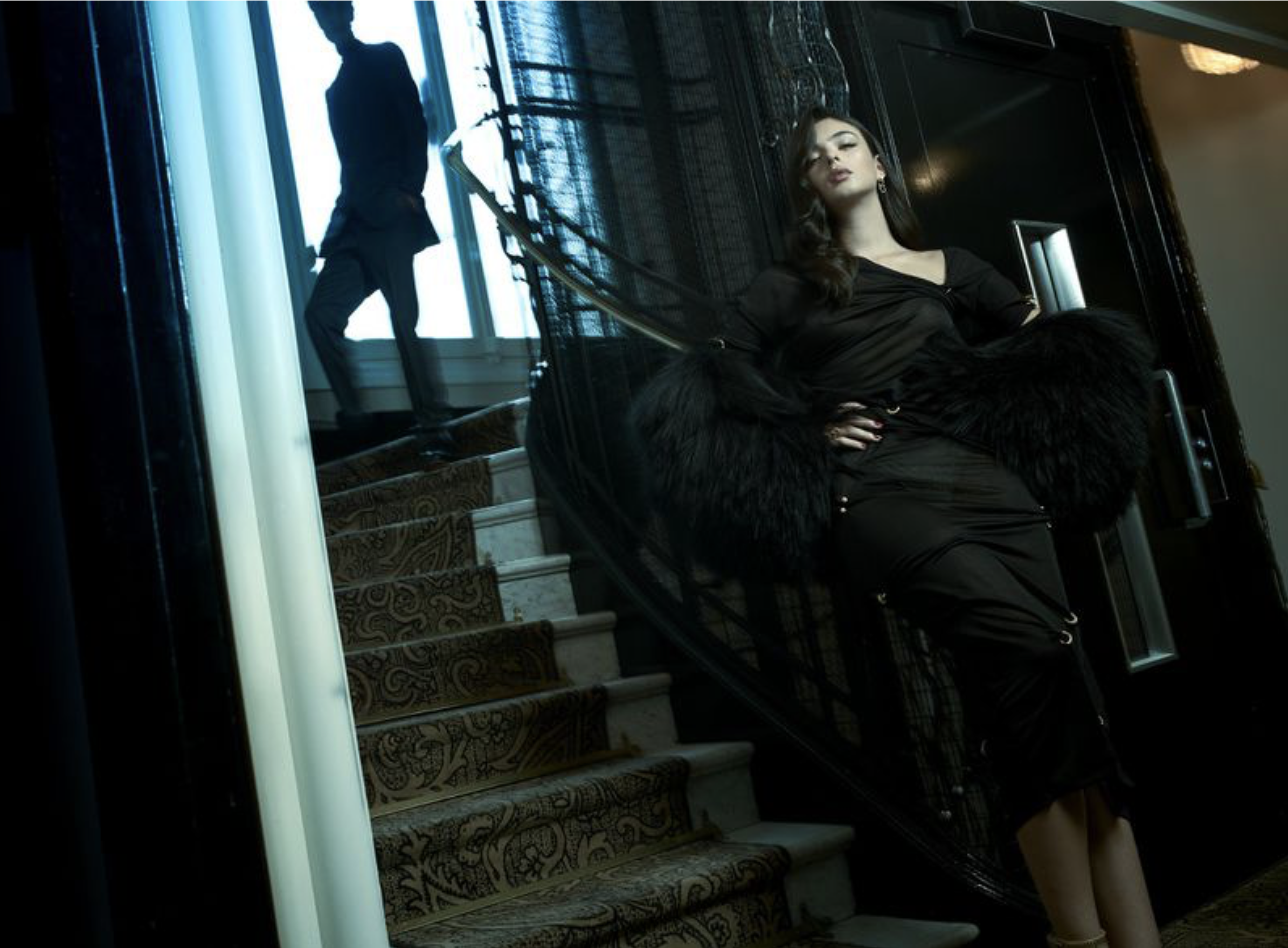
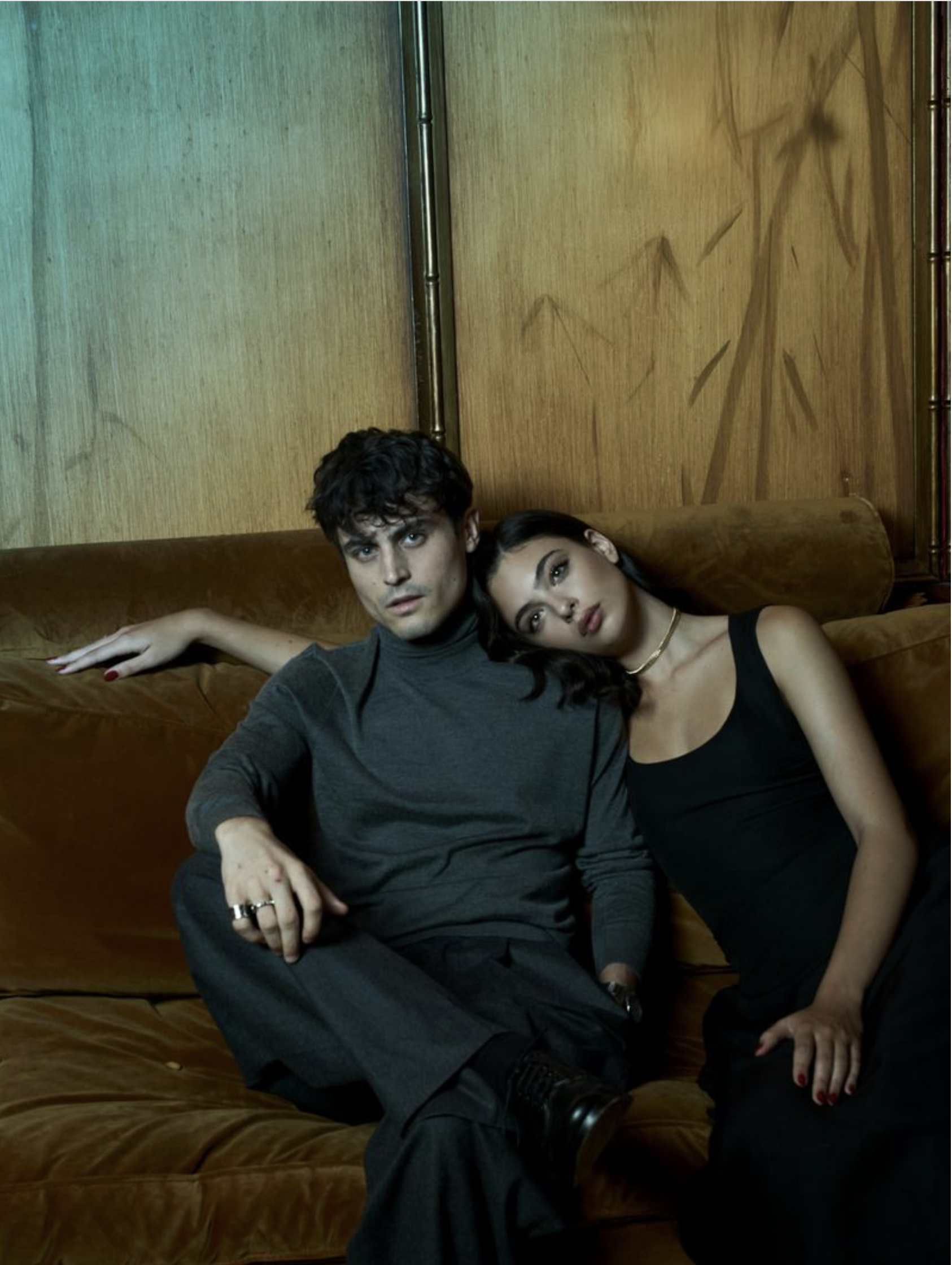
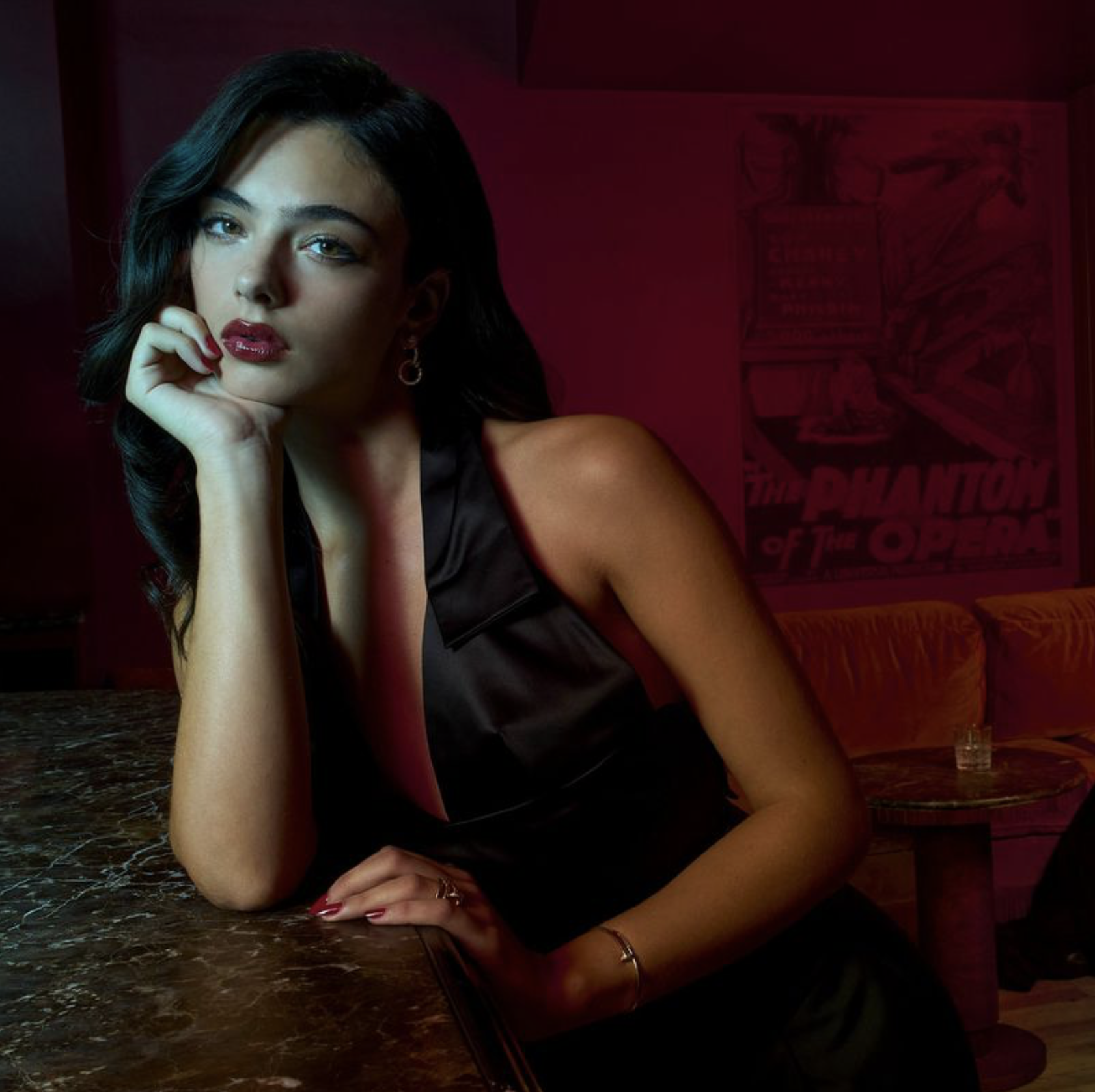
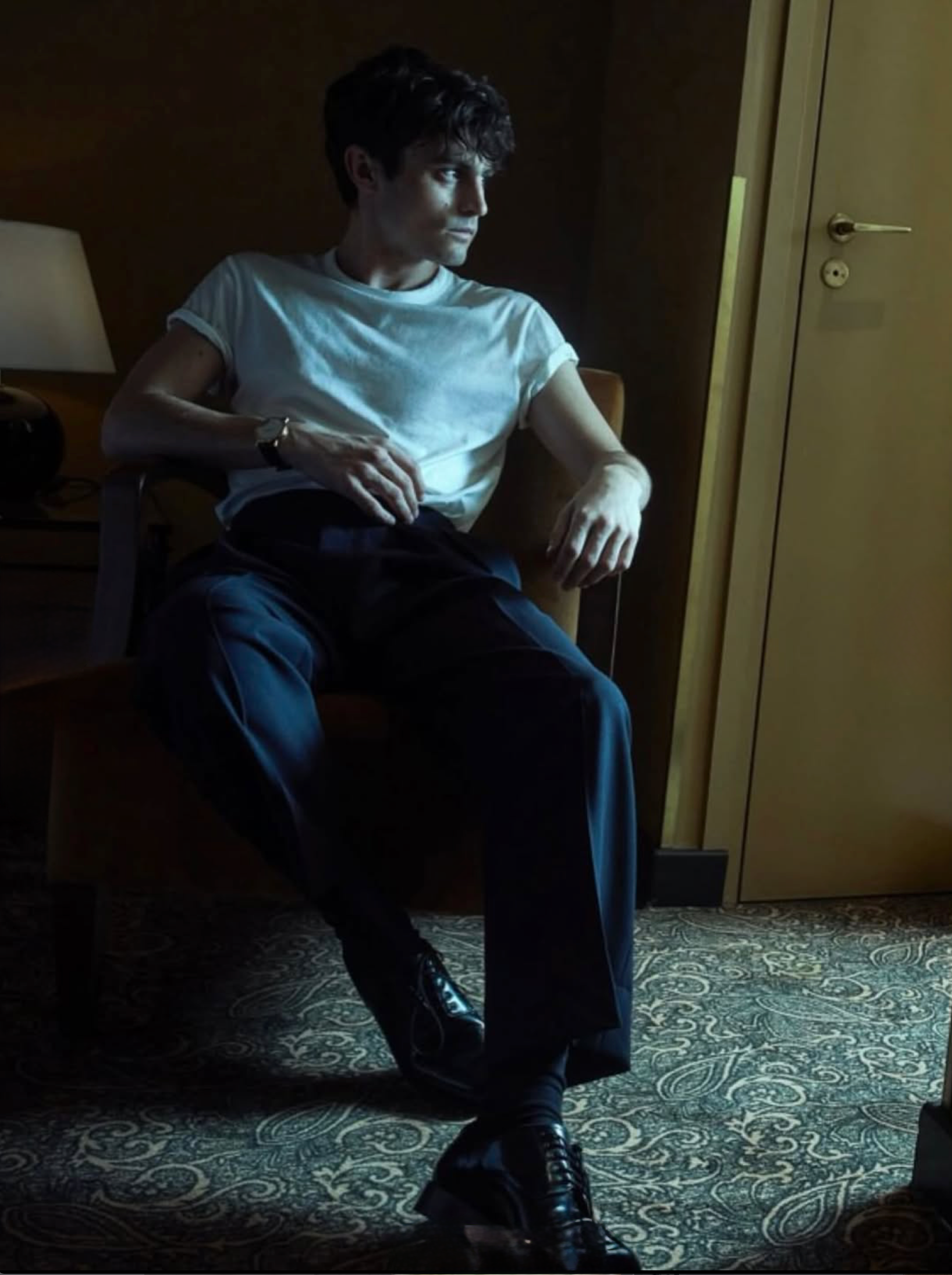
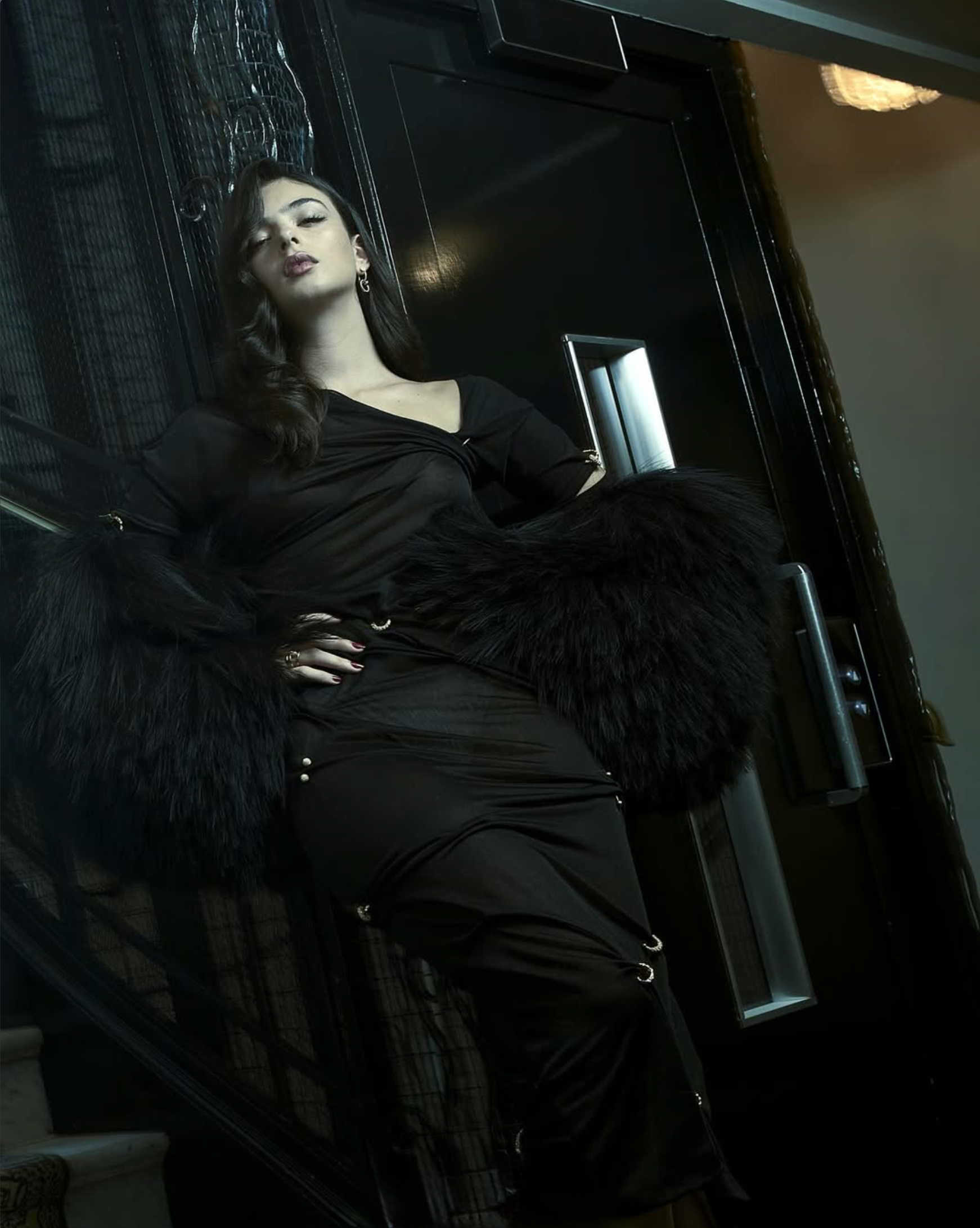
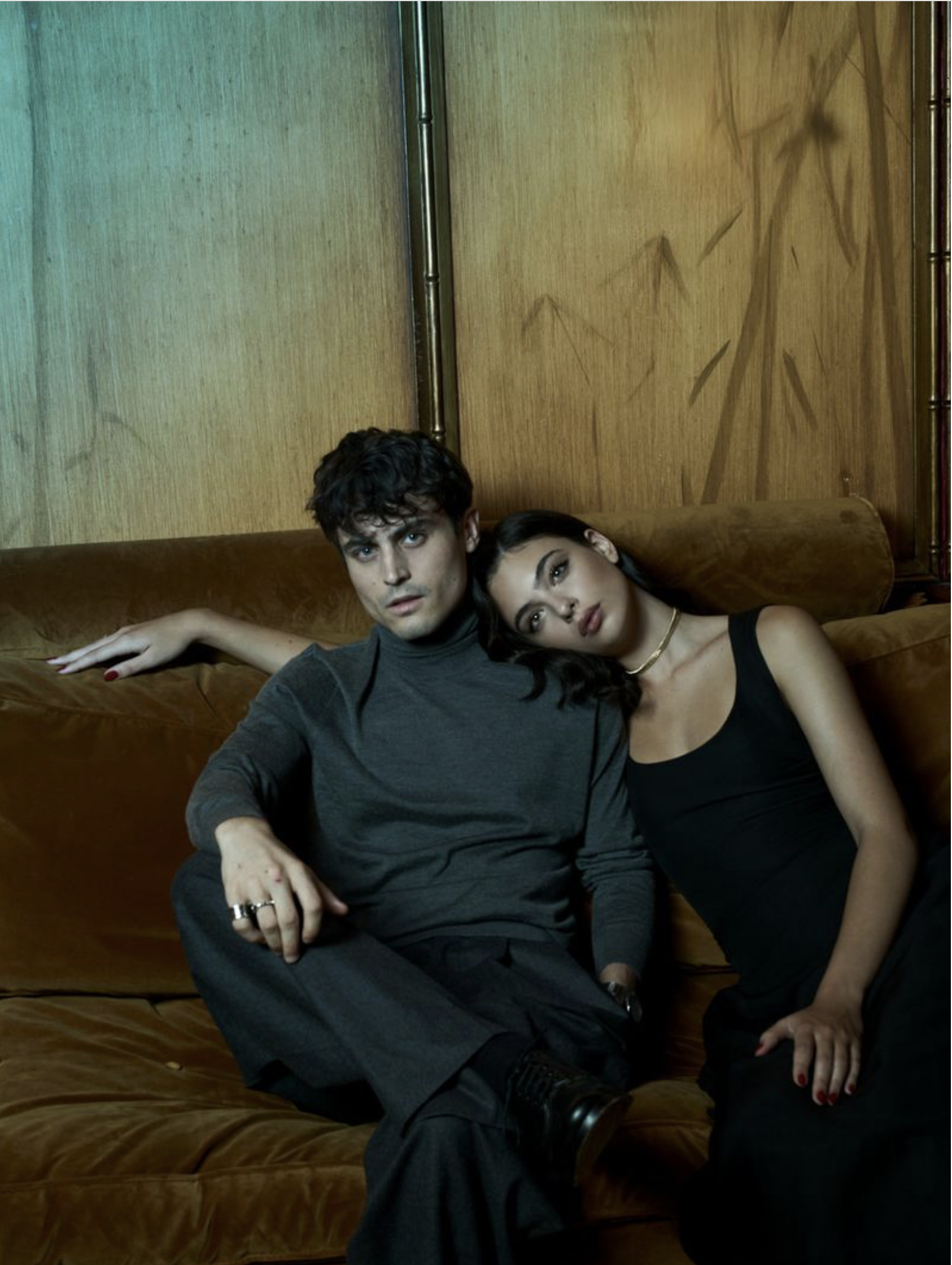
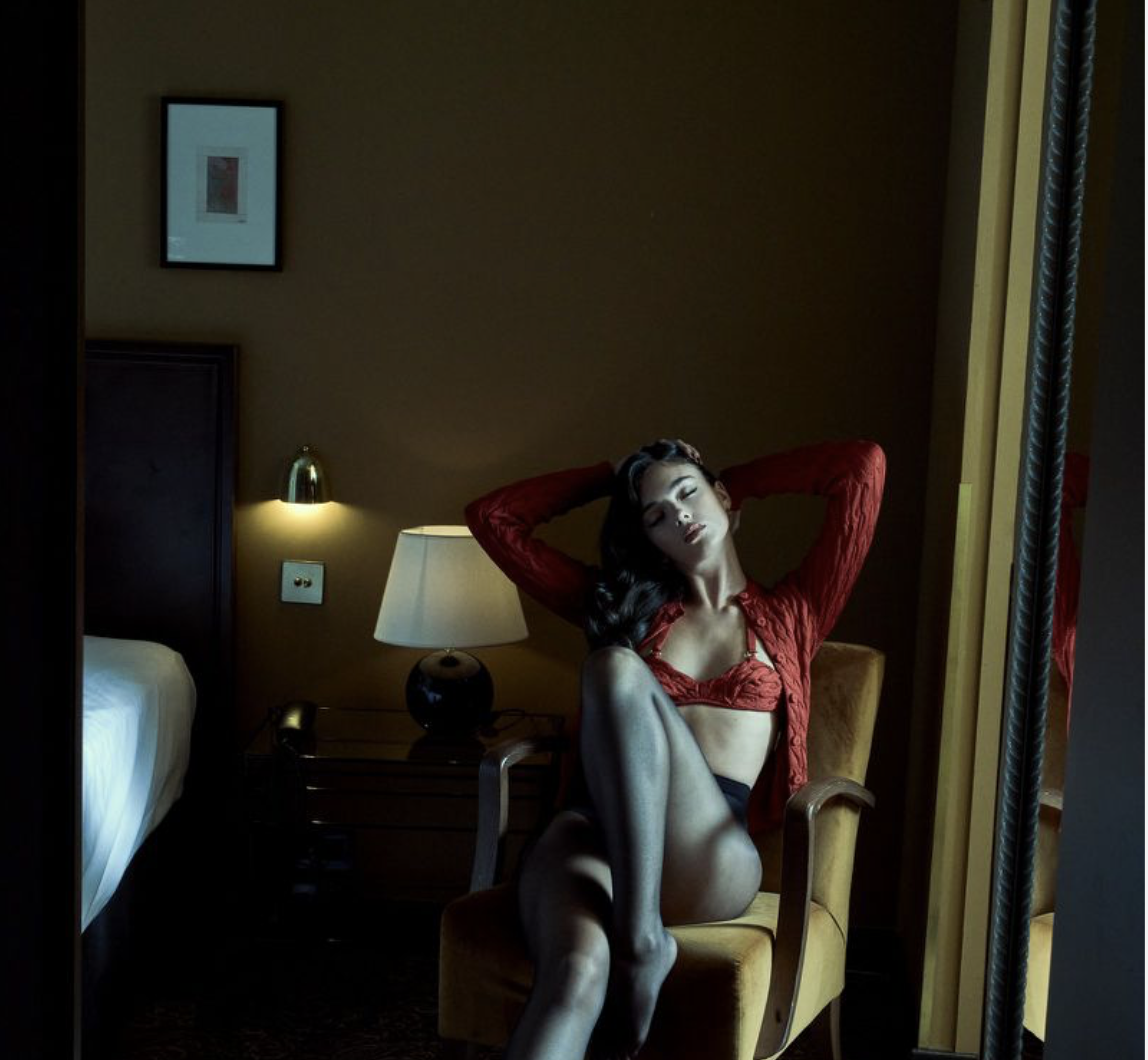
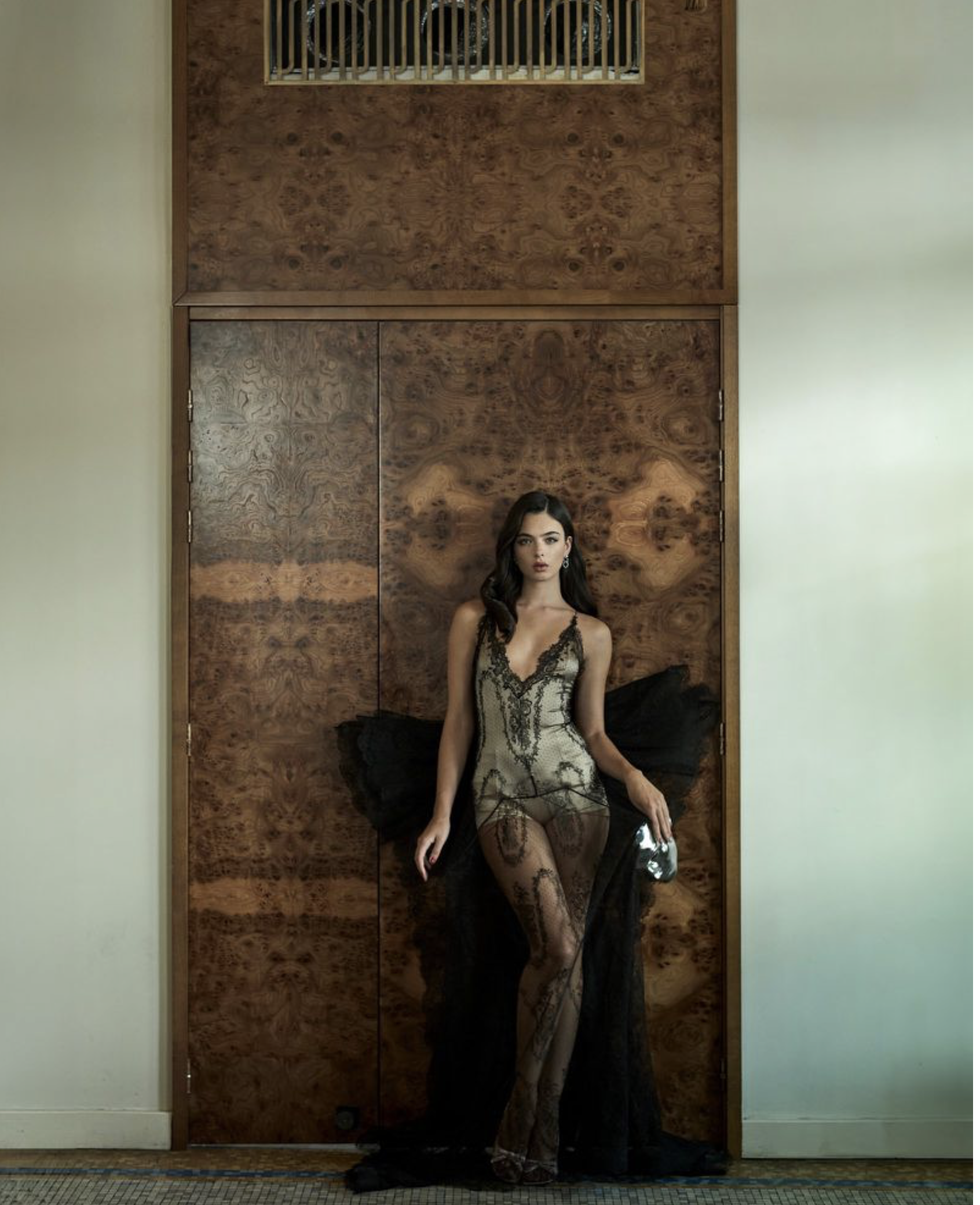
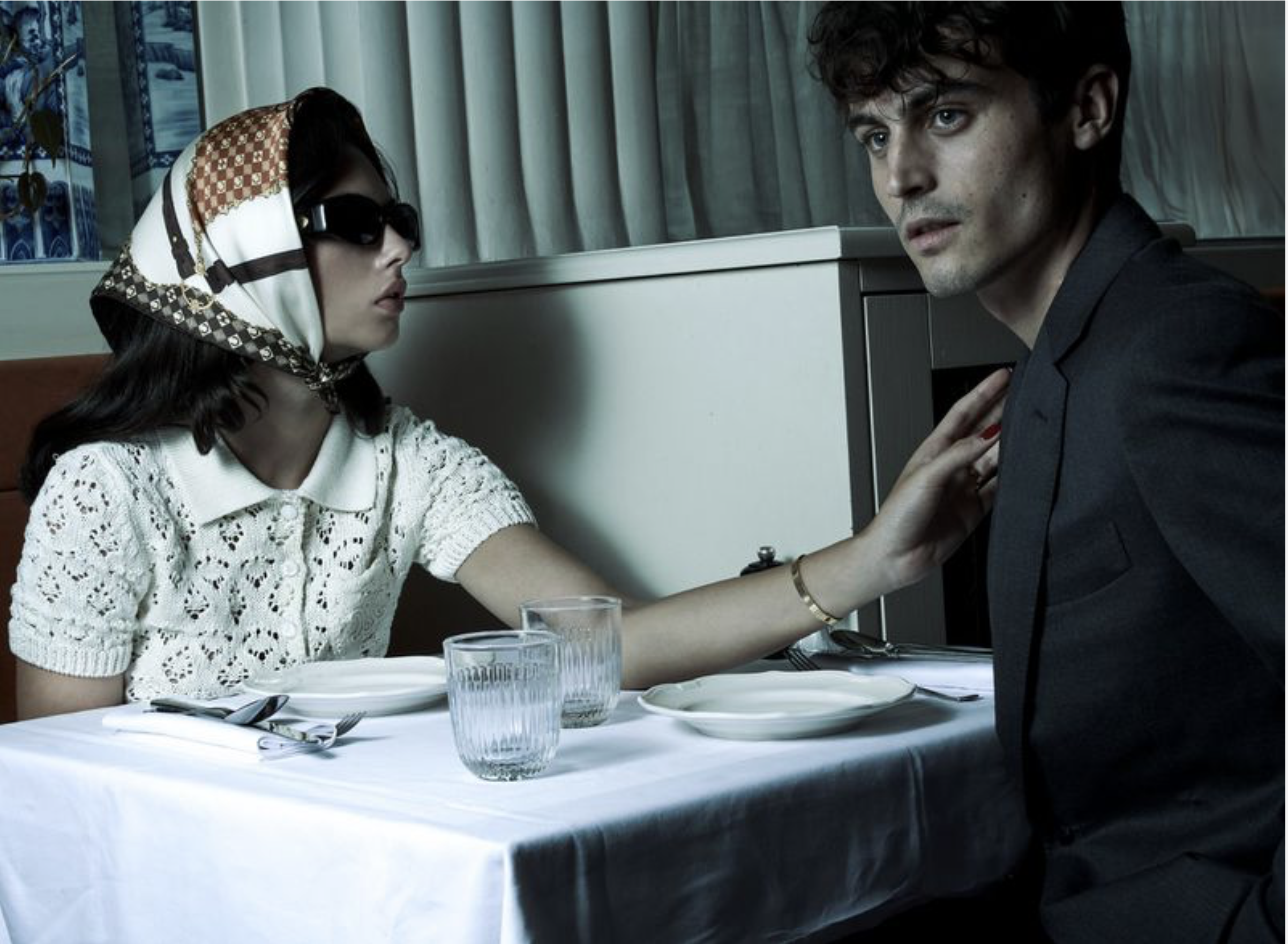
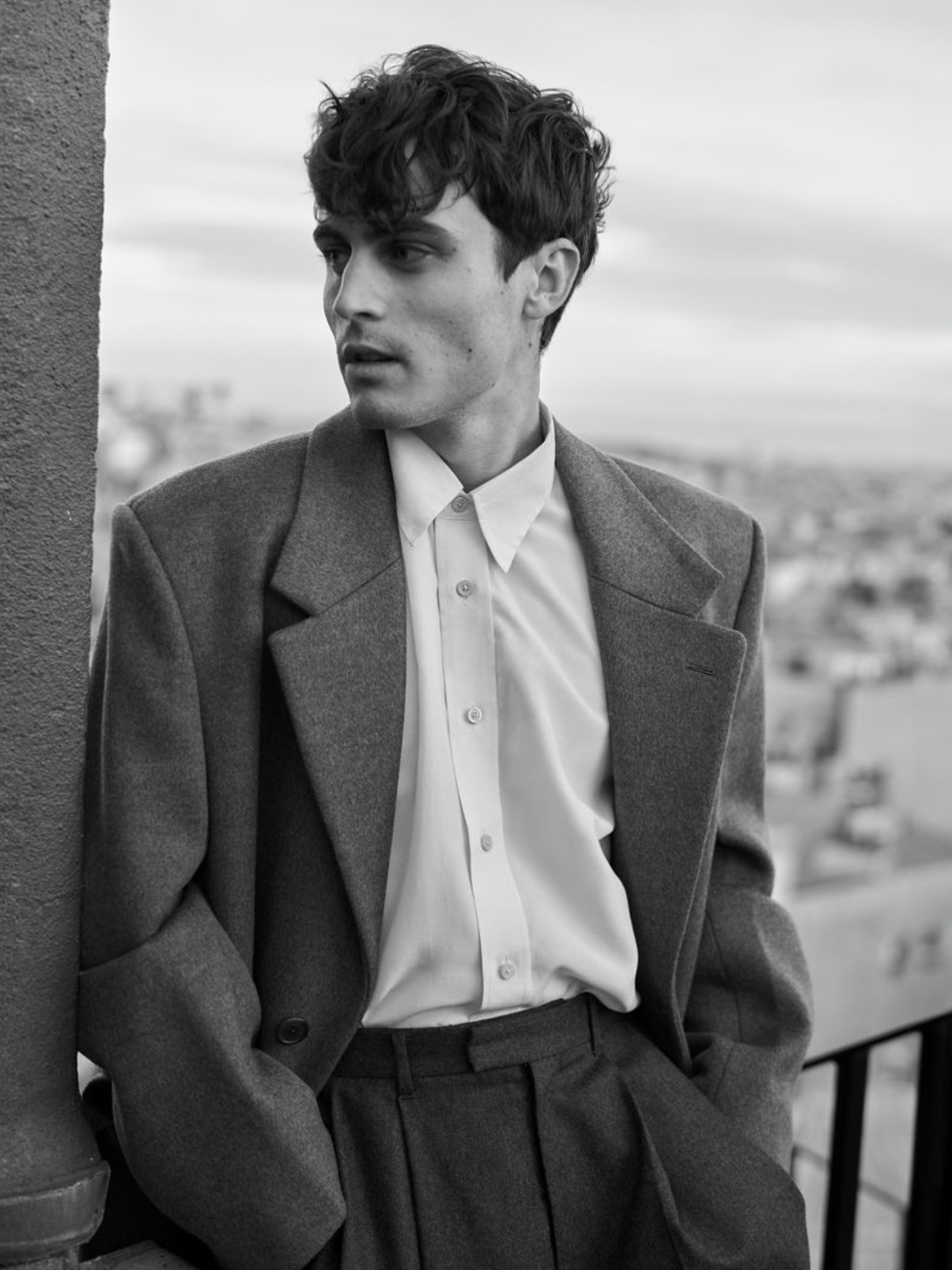
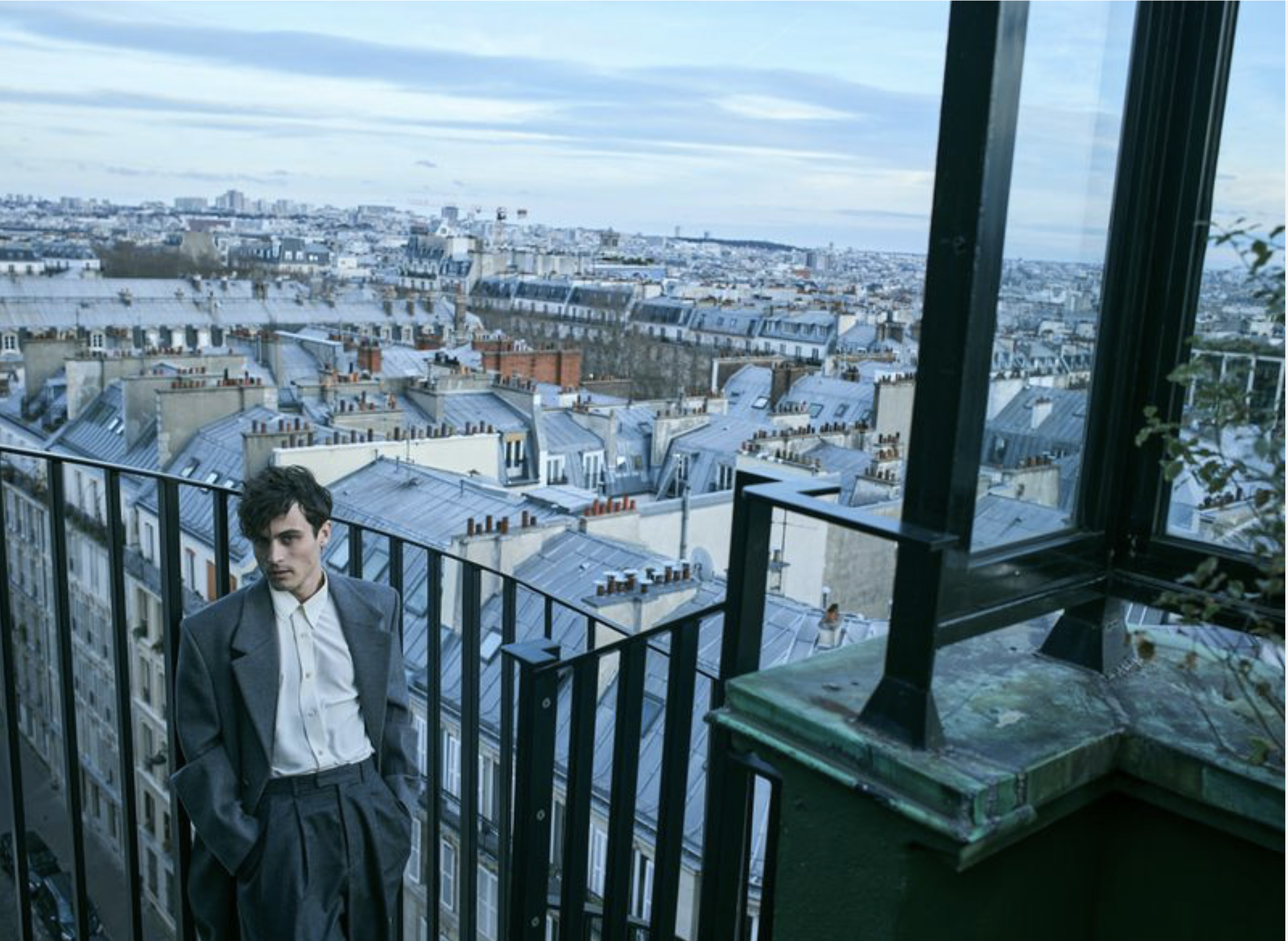
Actors Deva Cassel and Julien De Saint Jean cover the March 2026 issue of Vanity Fair France [IG], promoting their upcoming cinema French production of ‘Phantom of the Opera’. The stars are styled by Tania Raf Patron in Dior, of course with Cassel being an ambassador, but also Fendi, Louis Vuitton and more.
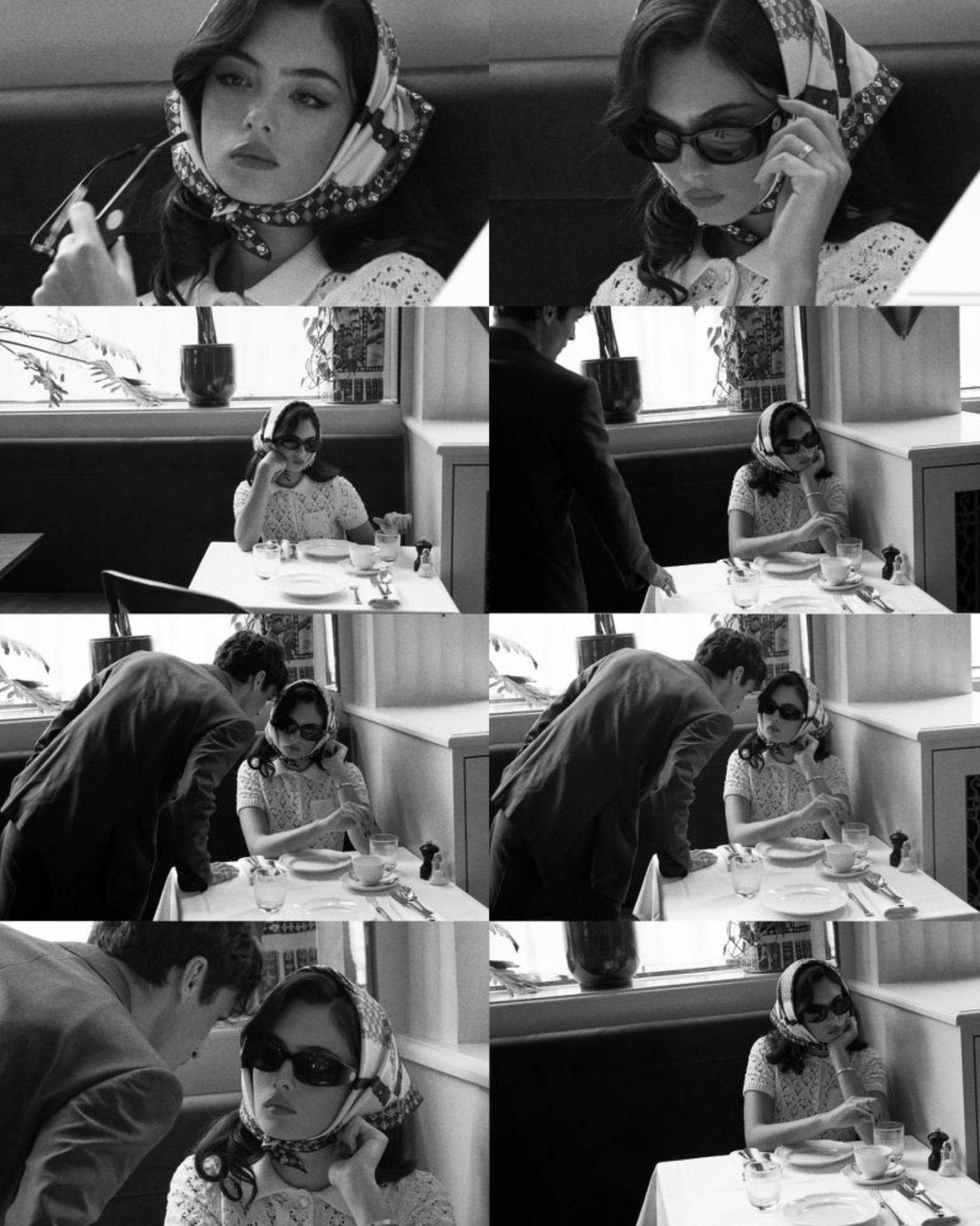
Photographer Luc Braquet [IG] creates his own cinematic fashion story, with a ‘ships’ passing in the night’ vibe between Cassel and De Saint Jean, who plays the phantom in a modern rendition of the original story.
Le Fantôme de l’Opéra’s best shot at success is probably in French hands. Like ‘The Bride’, the plot is complex for today’s audiences. Let us hope for a better run at the box office than ‘The Bride’ experienced.
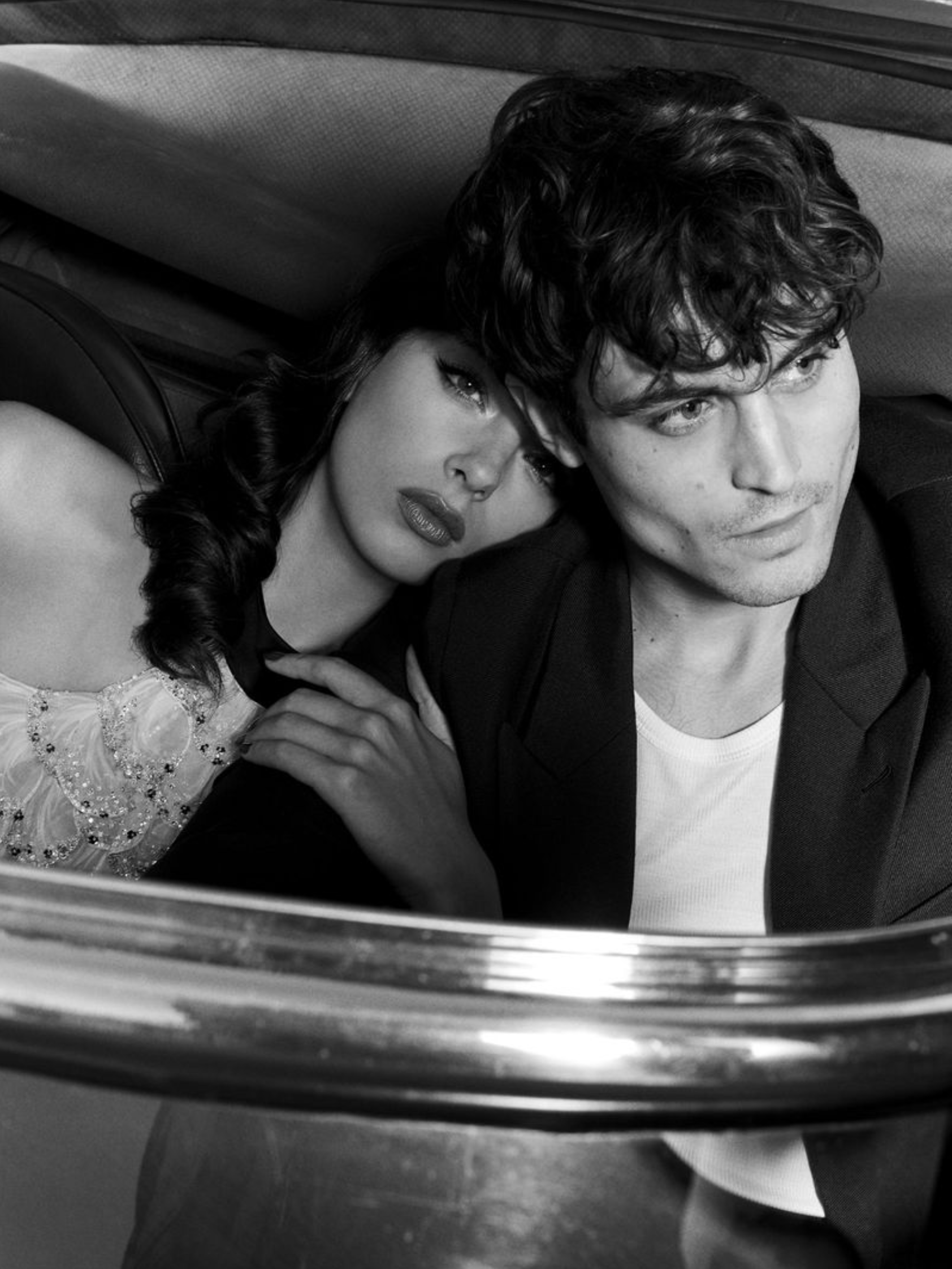
Alexandre Castagnetti [‘Stand by Love’, ‘Tamara’ and ‘A New Girl In Paris’] is set to direct the film from a screenplay co-written with Camille Fontaine [‘Coco Before Chanel’].
Revered French choreographer Marion Motin, known for her high-energy work with Madonna and Dua Lipa, and also Jean-Paul Gaultier events, builds a dance-themed narrative surrounding a young ballerina named Anastasia, played by Cassel.
How This ‘Phantom’ Differs From the Original
In the 2026 film Le Fantôme de l’Opéra, the character of the phantom—played by Julien De Saint-Jean — remains a disfigured man living in the opera's underground labyrinth. This backdrop stays true to the core of Gaston Leroux's original 1909-1910 novel.
However, the ‘different’ aspect lies in the film's contemporary, young-adult tone, which the director, Alexandre Castagnetti, has explicitly compared to the extraordinarily successful Twilight franchise, as noted. To achieve this goal, significant liberties have been taken with the original storyline.
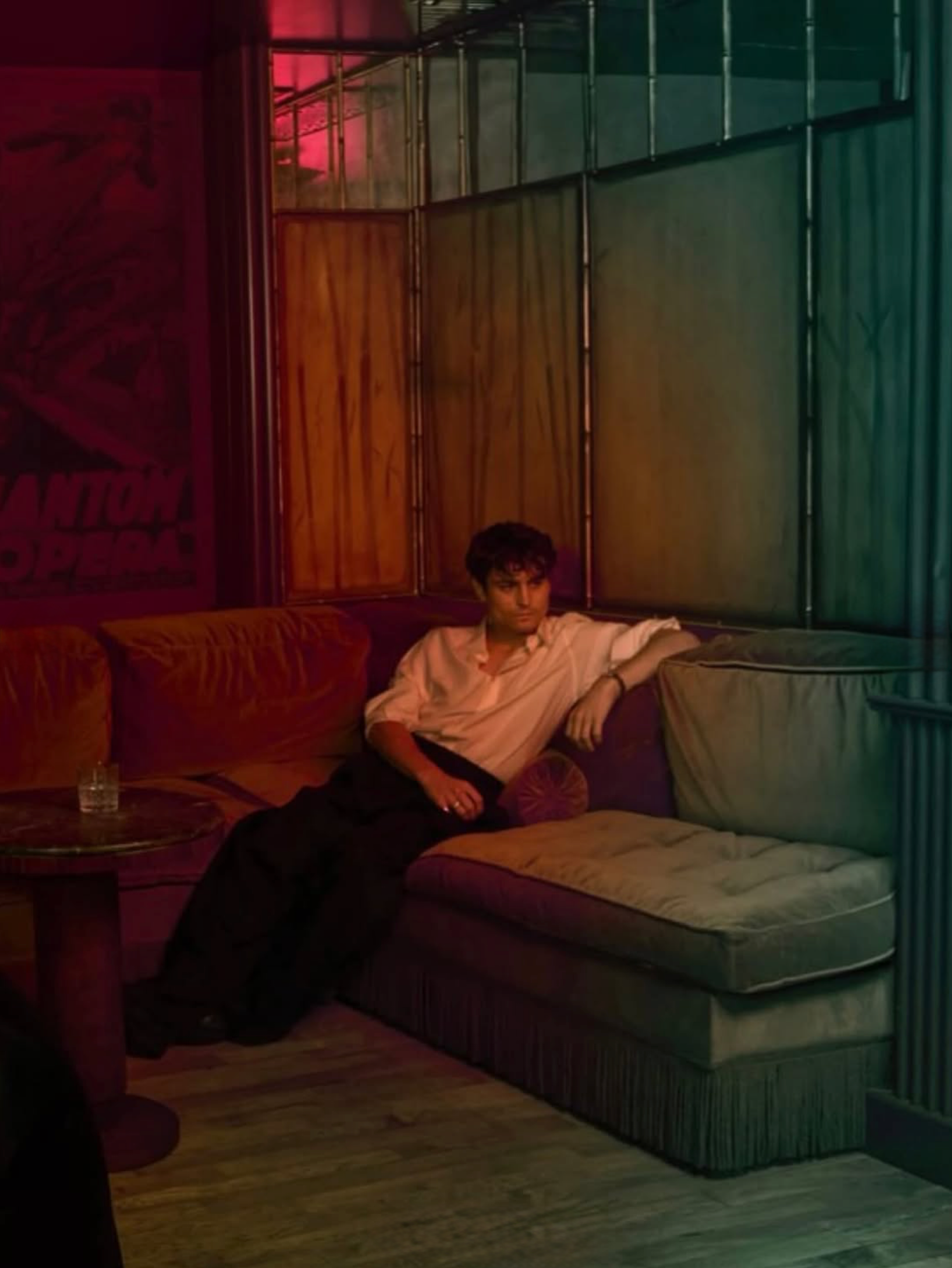
A "Mysterious Pianist" Identity: Unlike the reclusive architect-composer of the 1910 novel, this Phantom is introduced to the protagonist, Anastasia, as a mysterious pianist. Their relationship is framed as an "impossible love story" with a romantic, supernatural, fantasy-thriller edge rather than a strictly gothic horror mystery. The producers believe this fresh edge builds well for creating a new film franchise that will resonate with modern YA [Young Adult ] audiences. This is the ‘Twilight’ franchise comparison.
Contemporary Setting: The story is set in modern-day Paris. While the original Phantom was an expert in 19th-century "trap door" stagecraft, this version navigates modern theatrical mayhem and "unexplained accidents" within the real Opéra Garnier.
A Human Phantom: Originally the Phantom was a voice. In the new French version, the Phantom becomes a real ‘human’ character Ernest Dupré, played by Julien De Saint-Jean.
Protagonist Focus: The focus shifts from a young soprano [Christine] to an 18-year-old ballet dancer named Anastasia, played by Deva Cassel.
The "Cursed" Opera: In the new film, the movie's artistic director, James Figueras [Romain Duris], is reviving a production of ‘Orpheus’. The ‘cursed’ ‘opera is allegedly composed by the Phantom himself, Ernest Dupré. In the original, the Phantom was working on his masterwork, ‘Don Juan Triumphant’, in secret and for years. This dimension adds a layer of supernatural curse to the performance.
Life Imitating Art: Eager to mount a ballet career in Paris, Anastasia [Deva Cassel], lands the starring role of Eurydice after the original prima ballerina narrowly escapes a fatal ‘accident’.
Orpheus and Eurydice in Greek Mythology
Understanding the Orpheus and Eurydice myth as a ‘play within a movie’ is essential to understanding this version of Phantom of the Opera.
Orpheus and Eurydice in Greek Mythology: Orpheus was a foundational figure —a legendary bard, musician, and prophet. In another chapter of the myth, Orpheus joined an expedition of the Argonauts and saved them from death when entering the water orbit of The Sirens. Orpheus played music so mesmerizing, that the men did not succumb to the calls of once powerful women reduced to a clan of murderous half-women, half-bird seducers of men.
A Time of Losing
Note: For backdrop, you must remember that women underwent a tremendous and well-documented final fall in ancient Greece with the rise of patriarchy and men demanding control of female fertility and inheritance. The Sirens are just another vision of Lilith storming out of the Garden of Eden as Adam’s first wife, who refused to submit to him. She considered herself Adam’s equal.
I don’t mean to bring former Dior creative director Maria Grazia Chiuri into the narrative, but because of her, I wrote a prodigious amount of text to accompany her design and culture references. Greek mythology was a major part of that writing. I’ll get the links and share them again. It’s very relevant in this myth that Orpheus played such beautiful music, that even the Sirens lost their power against him.
Alas, he did not have the same extraordinary luck in a meetup in the Underworld. Grieving deeply for his wife who died of a snakebite, Orpheus went in search of her, using his musical skills to gain an audience with Hades, king of the Underworld. The king was so moved by the grief-stricken husband that he agreed to allow Eurydice to leave with him under one condition. Once Orpheus returned to the entrance and his departure with Eurydice following him, he could not look back. If he did, his devoted wife would be done forever.
Steps ahead of Eurydice in leaving the dark Underworld, Orpheus approached the beautiful sunlight and all that it promised for him and his beloved. Unable to contain his joy and amazement over their pending departure — but also unable to trust that Eurydice was really there behind him, Orpheus turned and looked back at Eurydice. Unable to exhibit the self-discipline required of him in that moment, he was left watching Eurydice vanish forever in that moment.
Deva Cassel Has Yet Another Plum Movie Role
"This is my first role in France," says Deva Cassel about her role in the film. “It's a project that is much bigger than me, like all the others that will follow. So obviously, I meant to do it right.”
‘The Phantôme de l'Opéra’ musical production turns 40 this year, with three new books being released to commemorate Andrew Lloyd Webber’s global phenomenon now seen by an estimated 160 million people worldwide.
The celebration includes a Phantom book developed for young readers. And, this French film version rejuvenates the original story for today’s times.
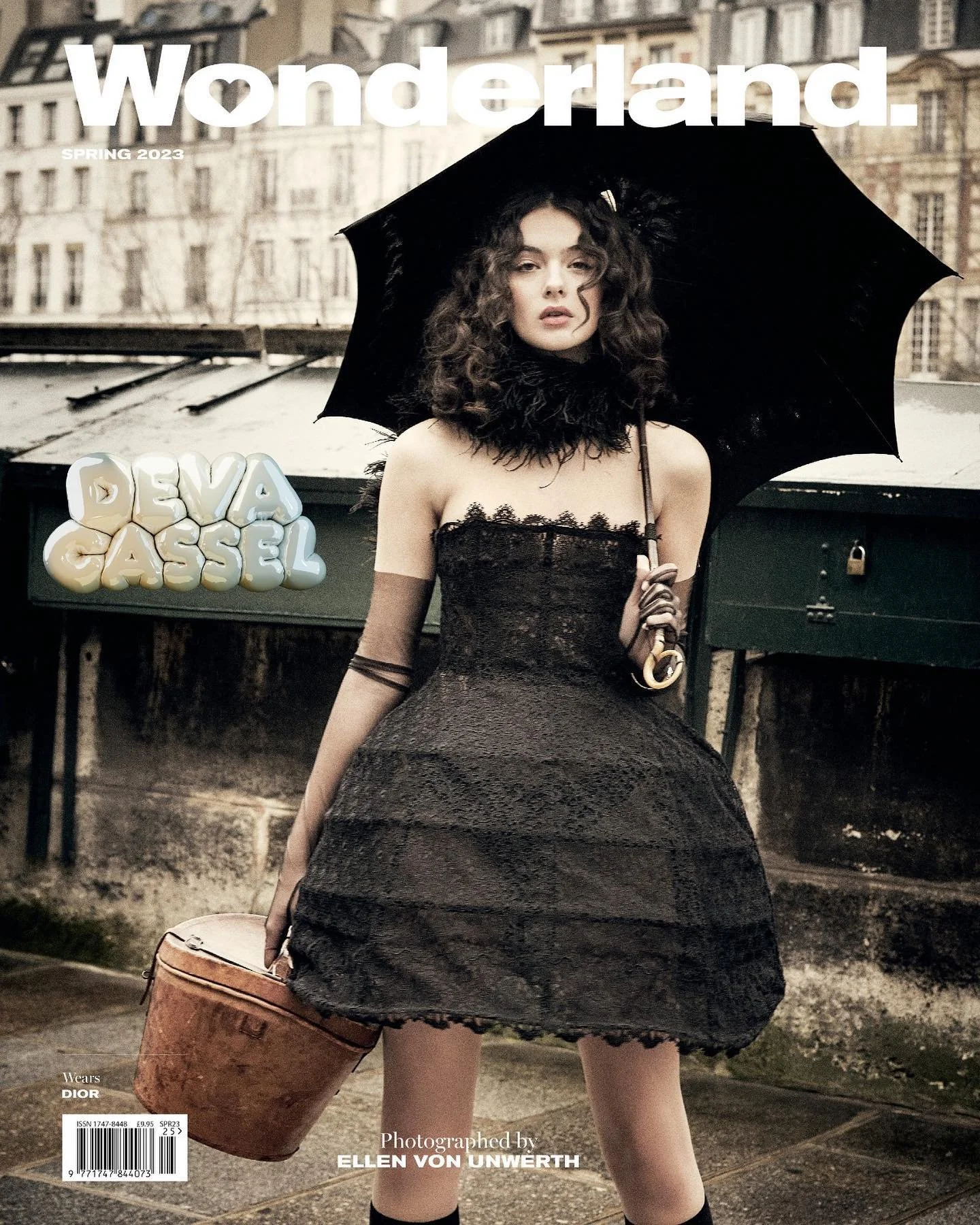
More Deva Cassel