Ladakhi in Silk Roads History, Envisioned by Avani Rai and Dané Stojanovic
/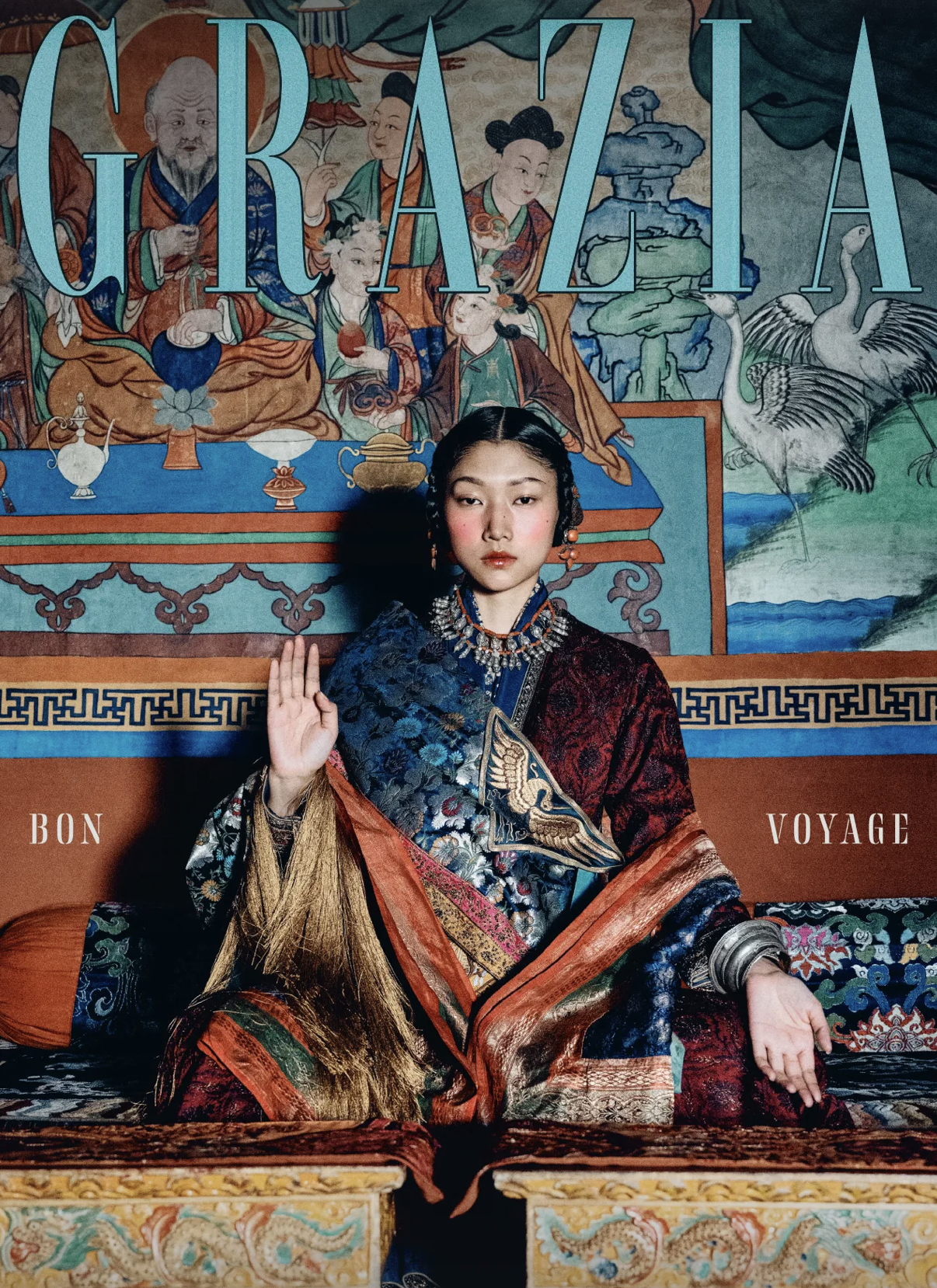
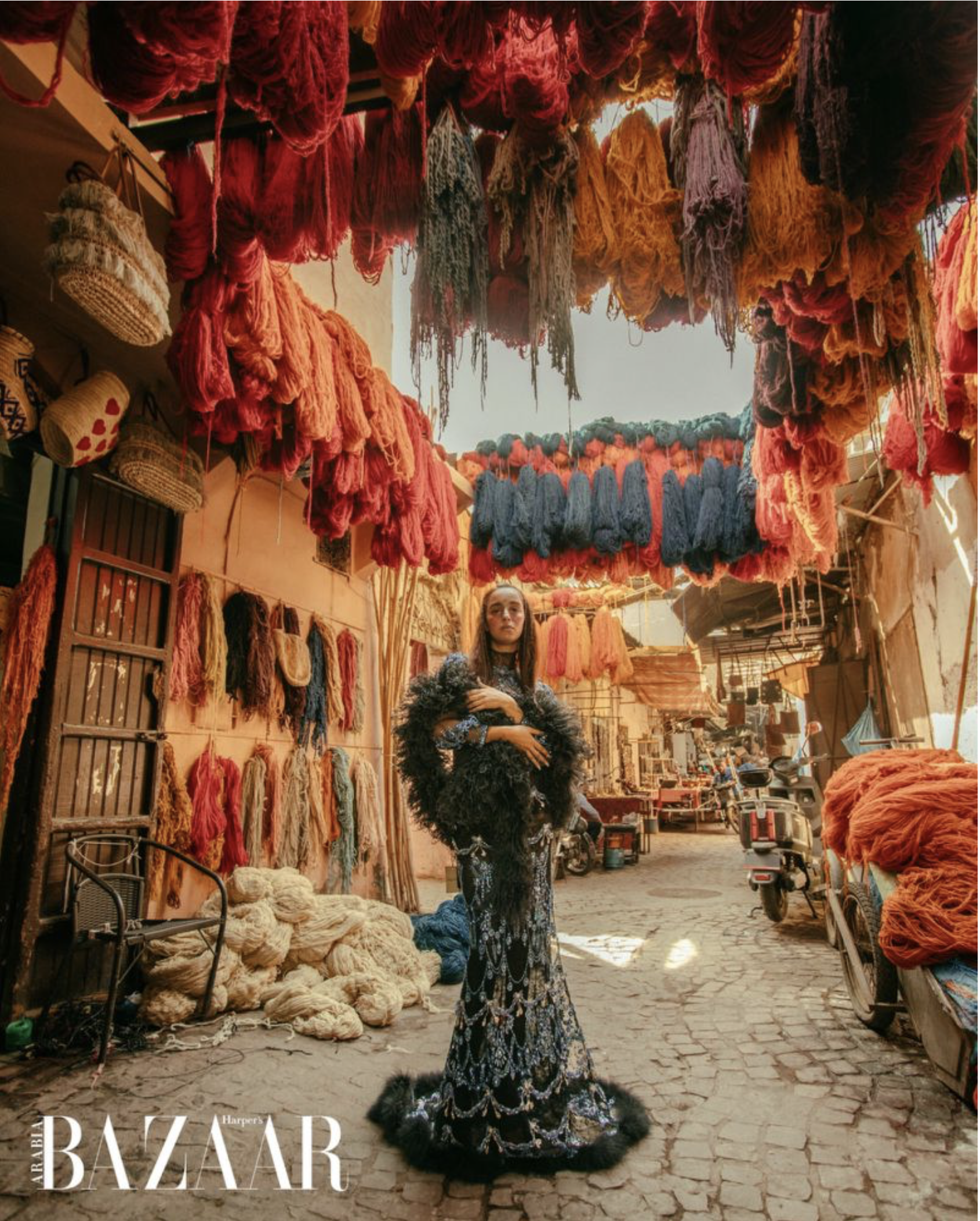
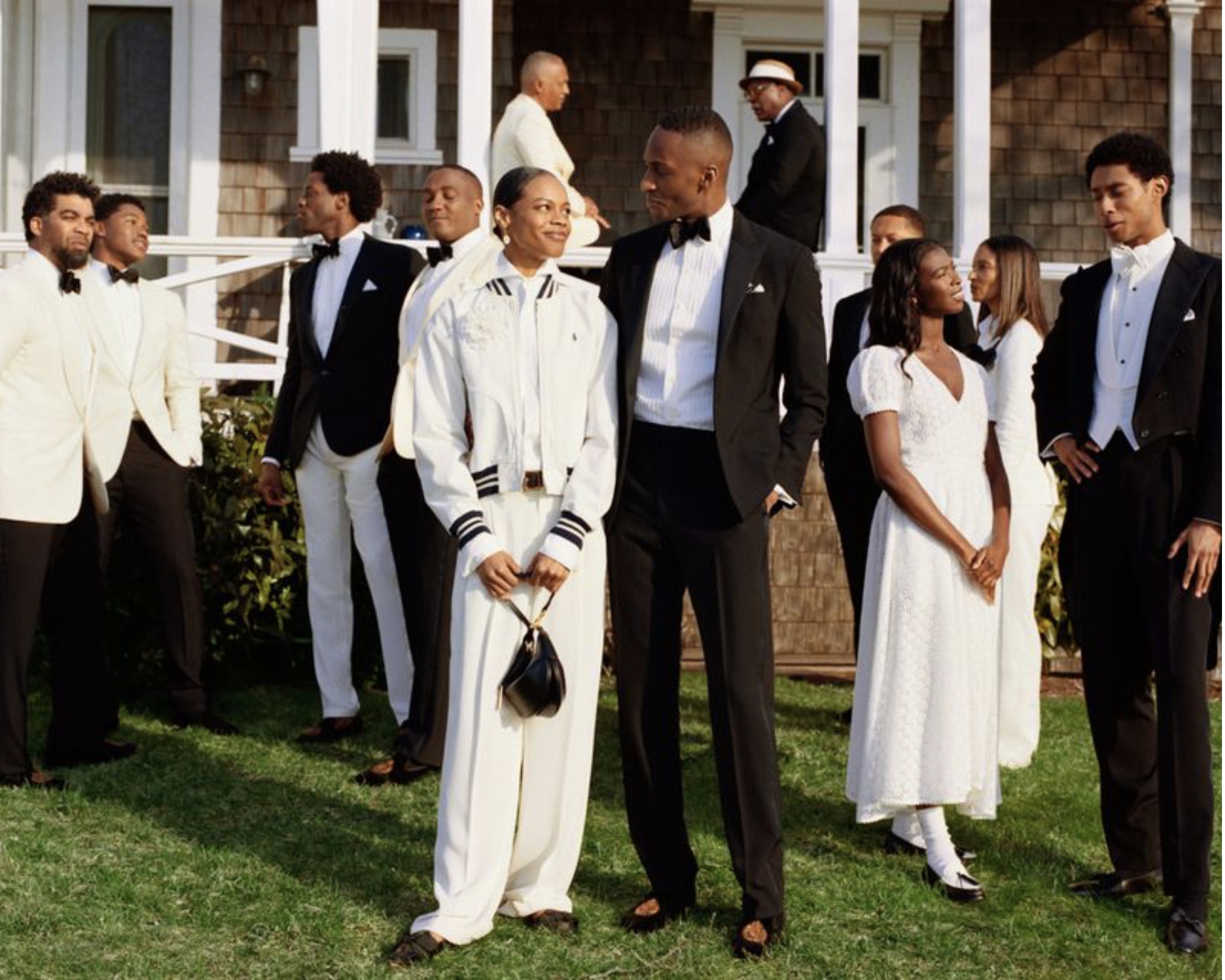
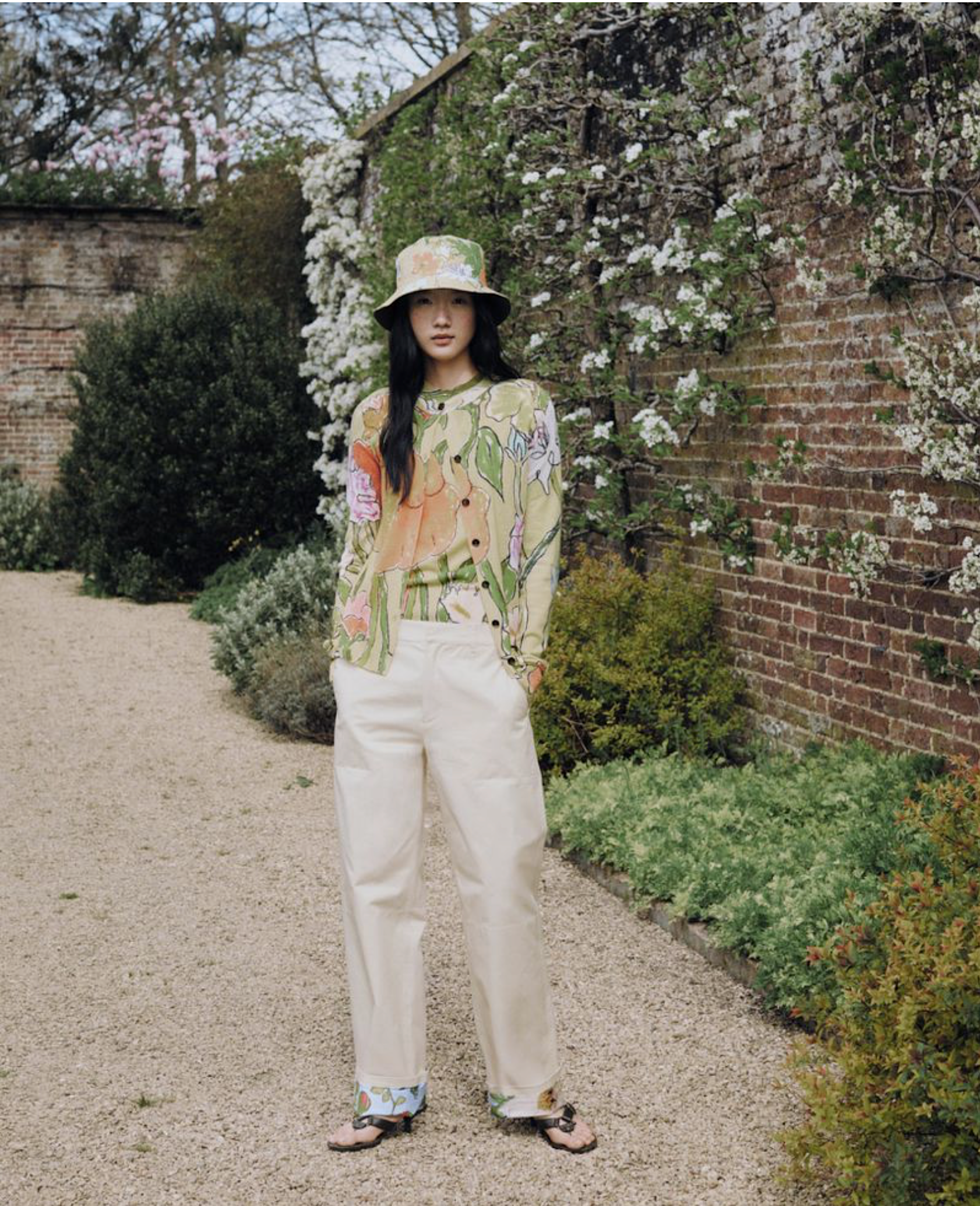
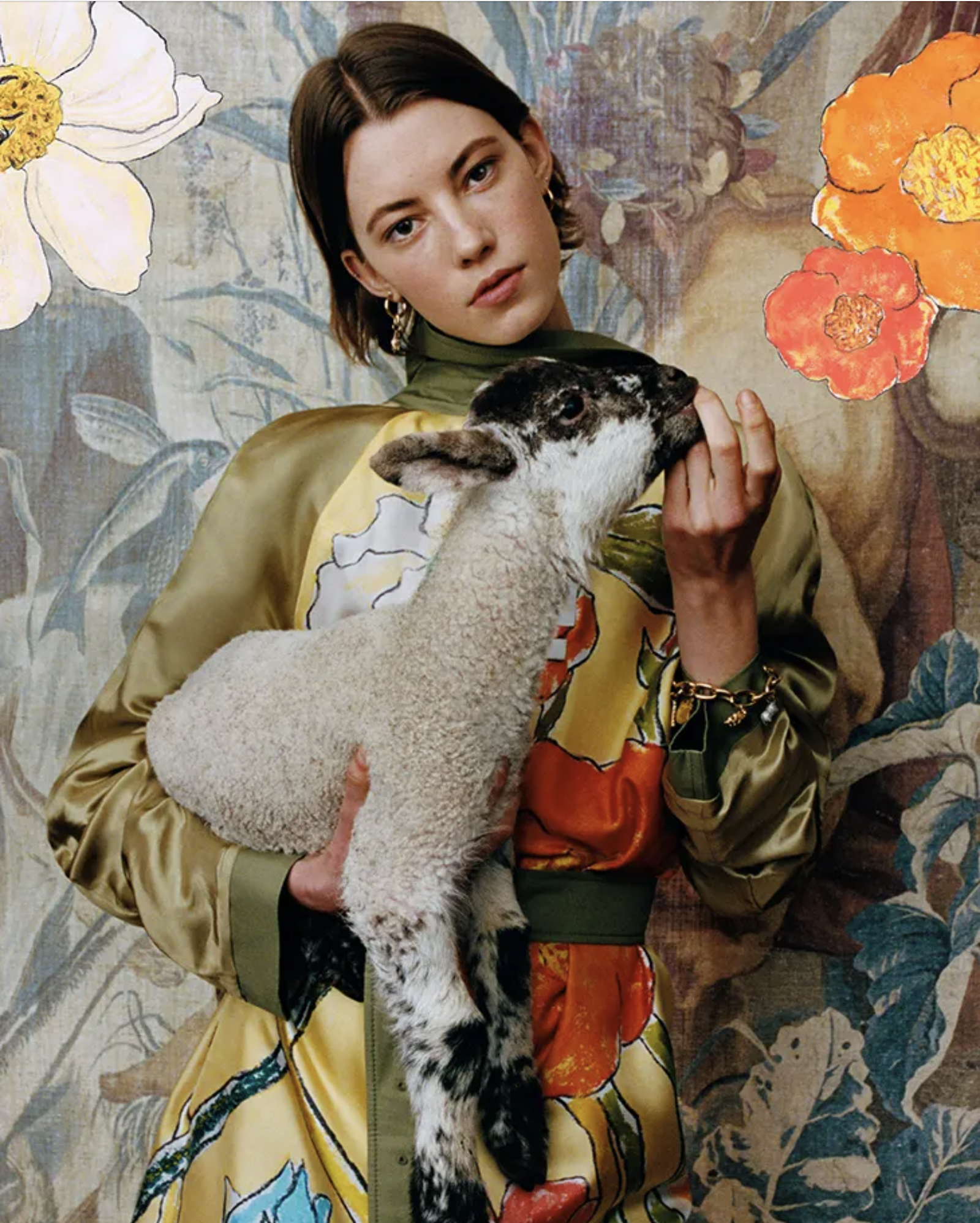
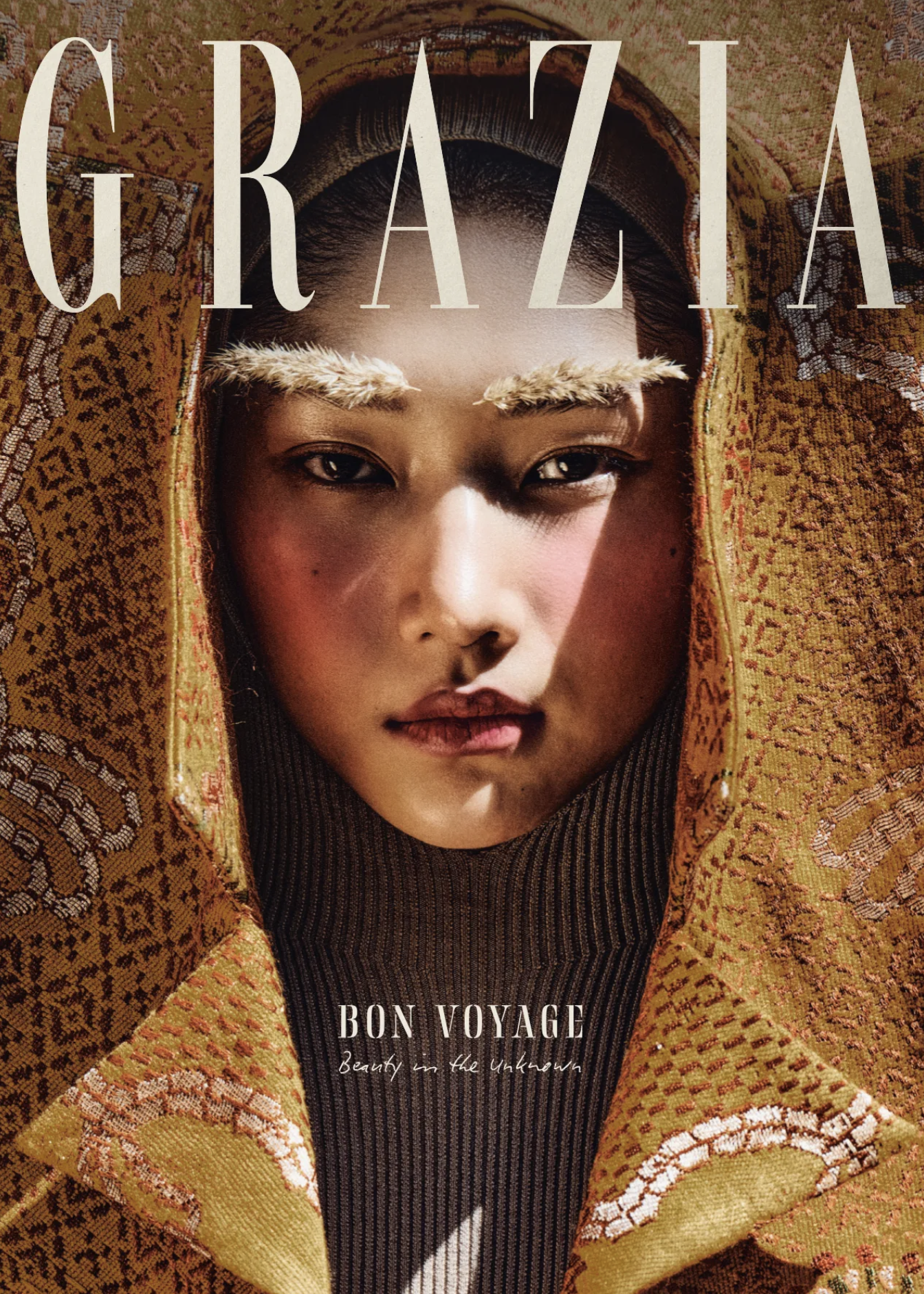
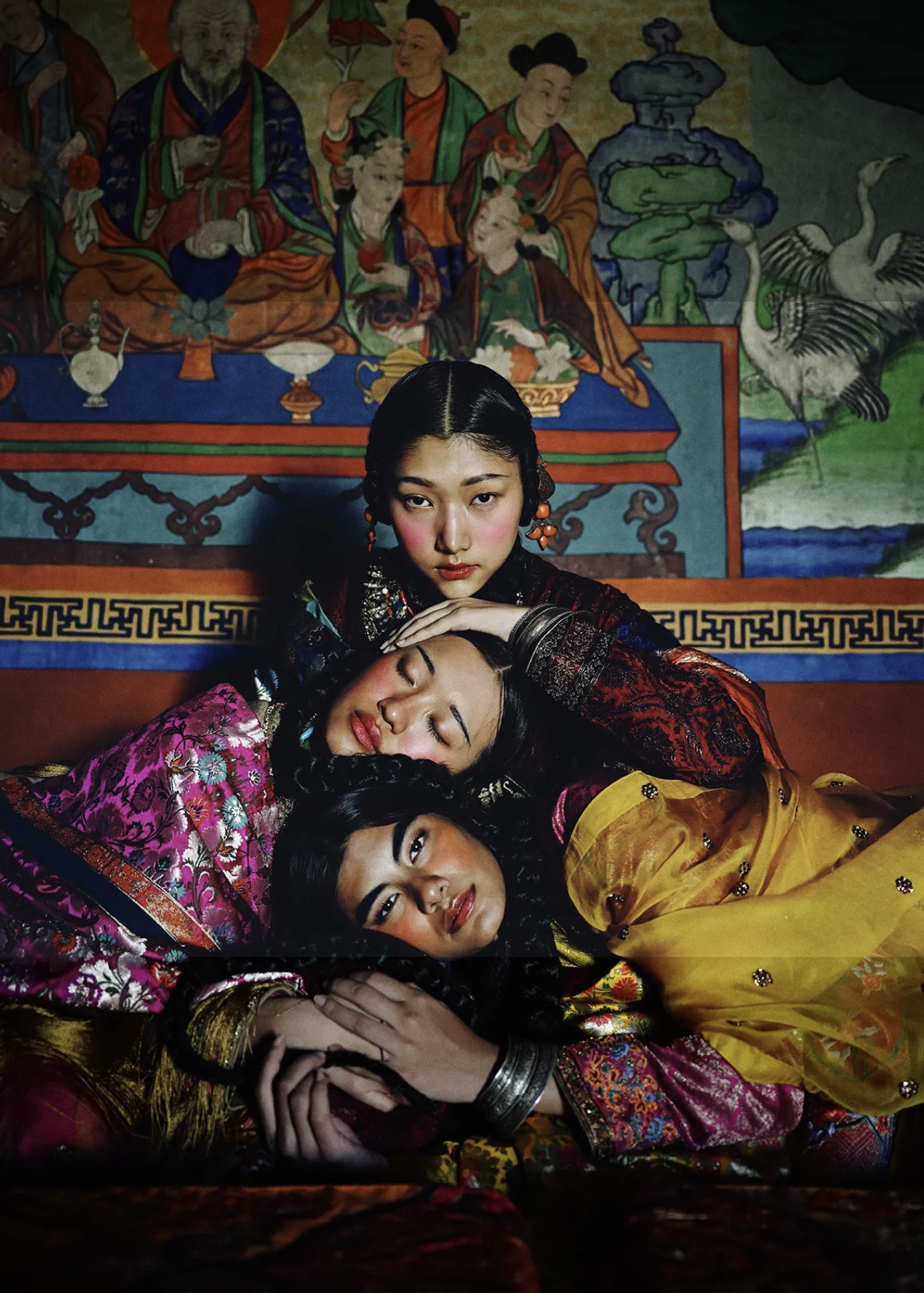
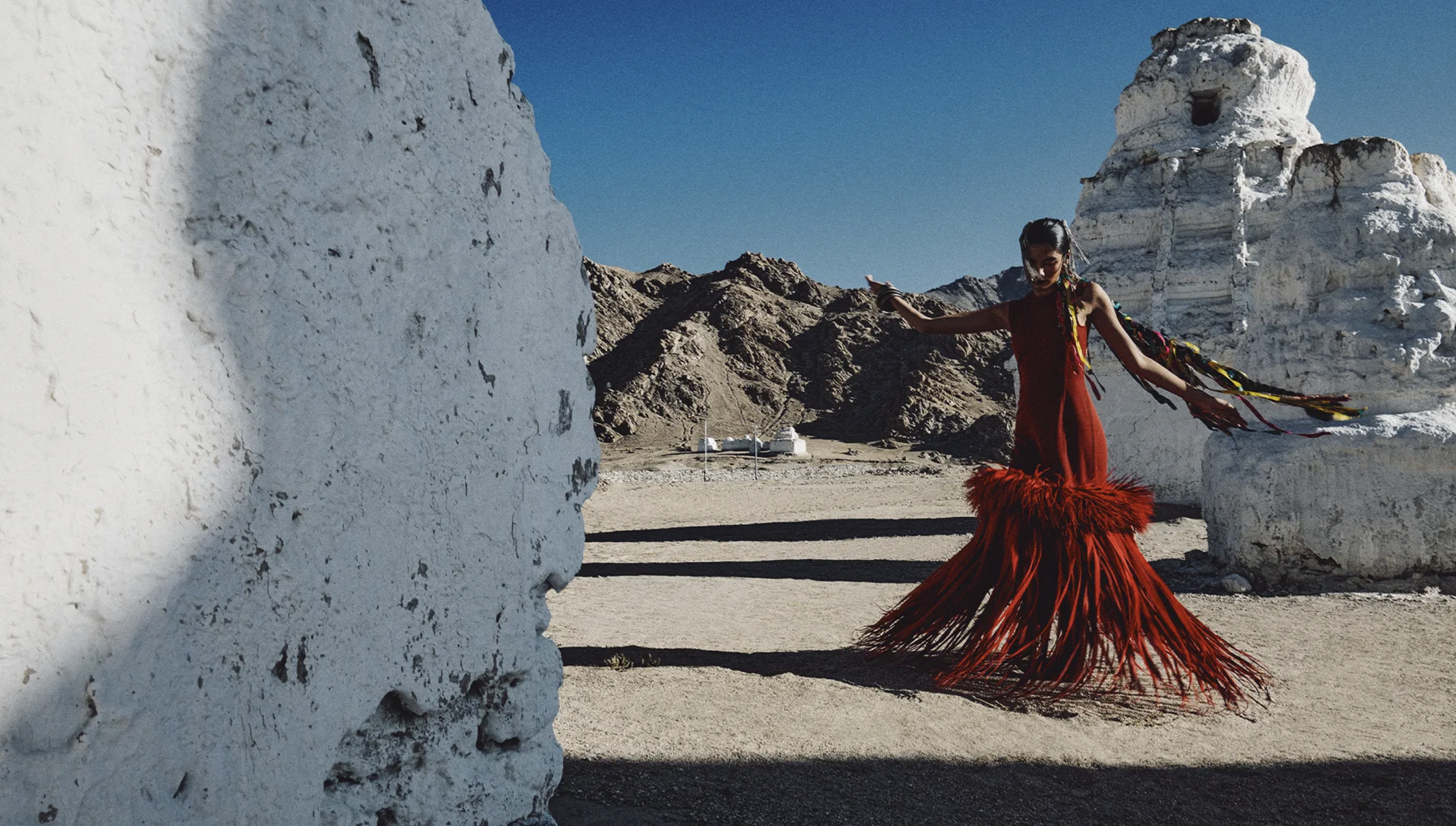
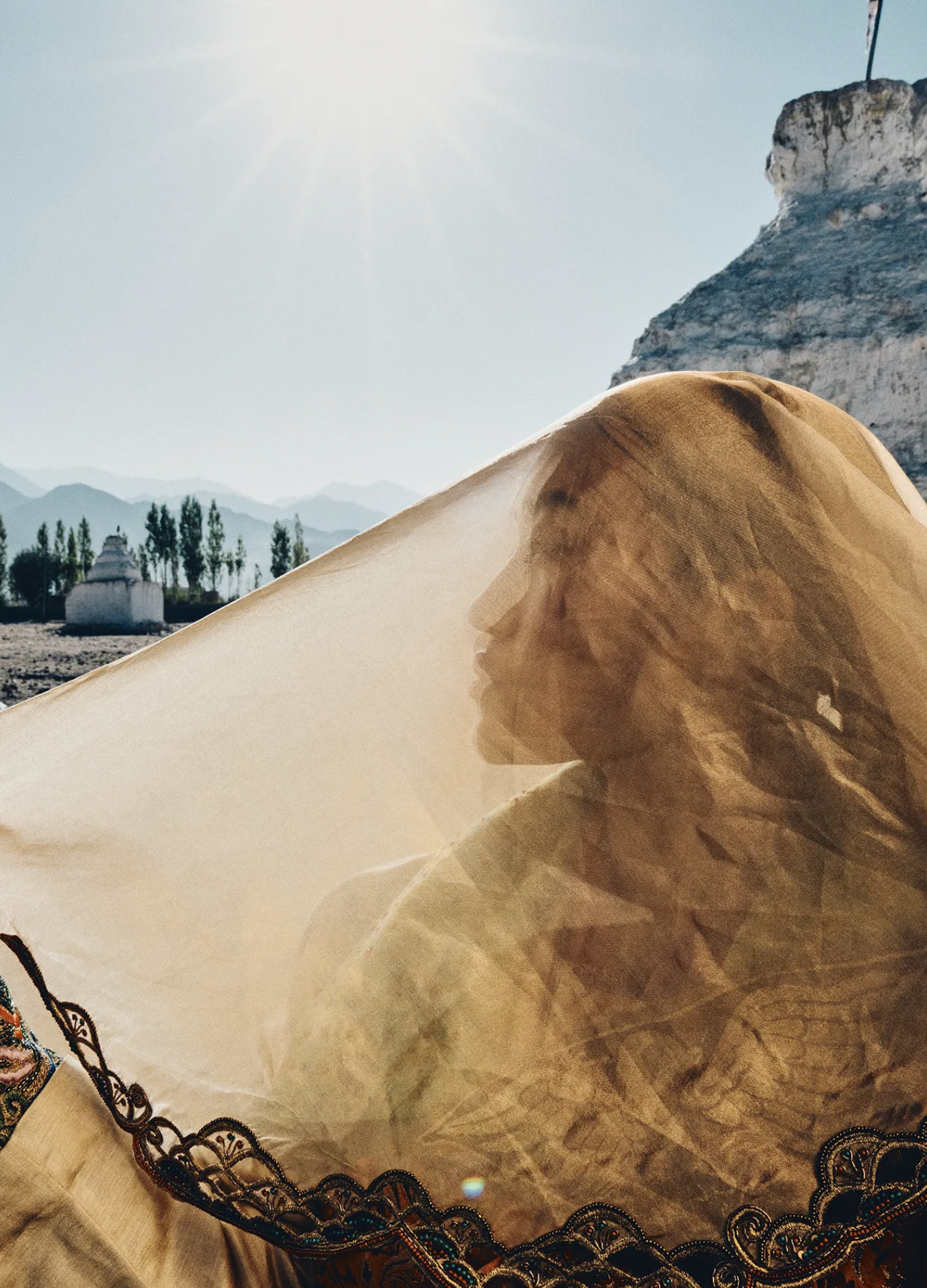
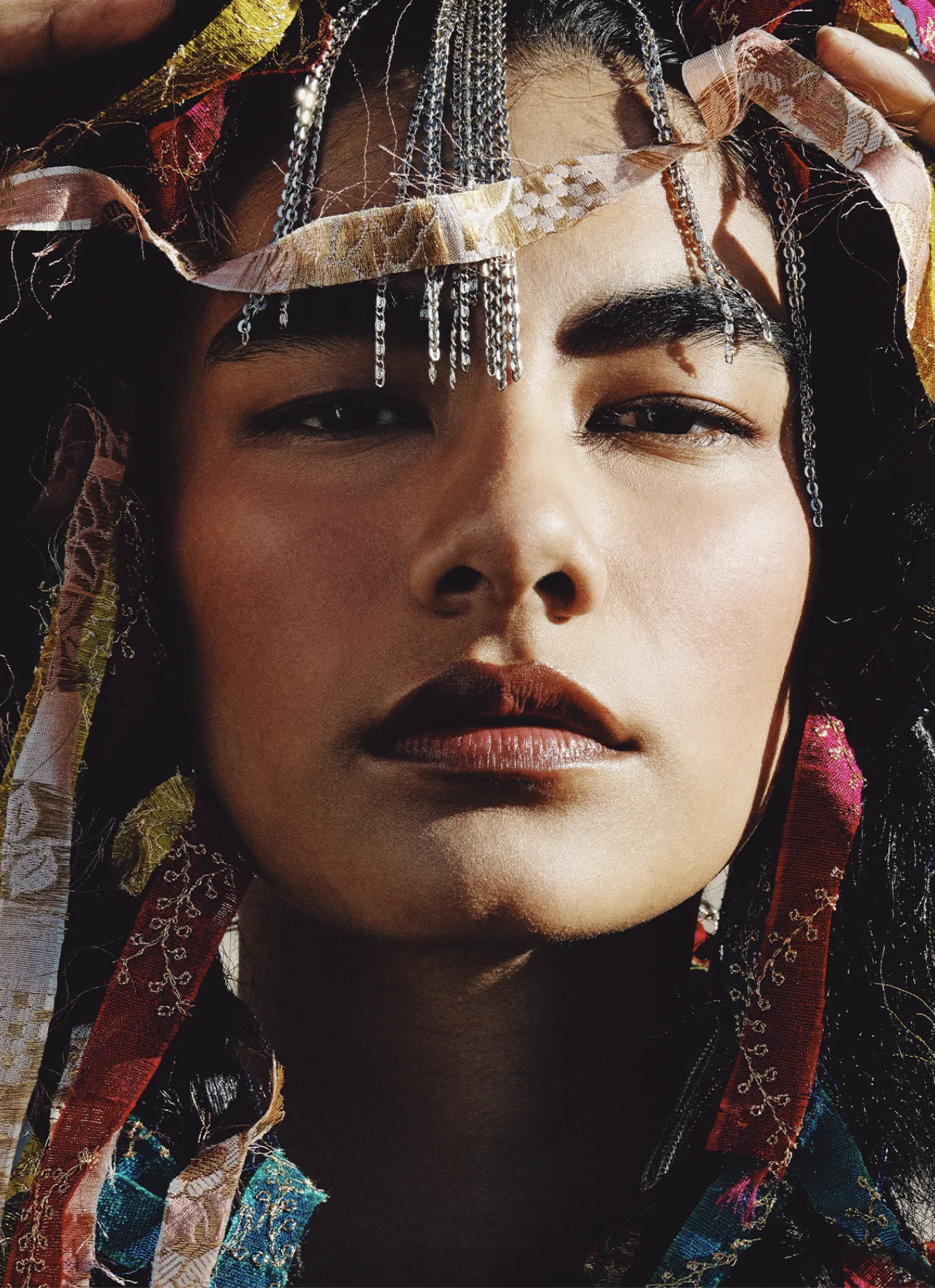
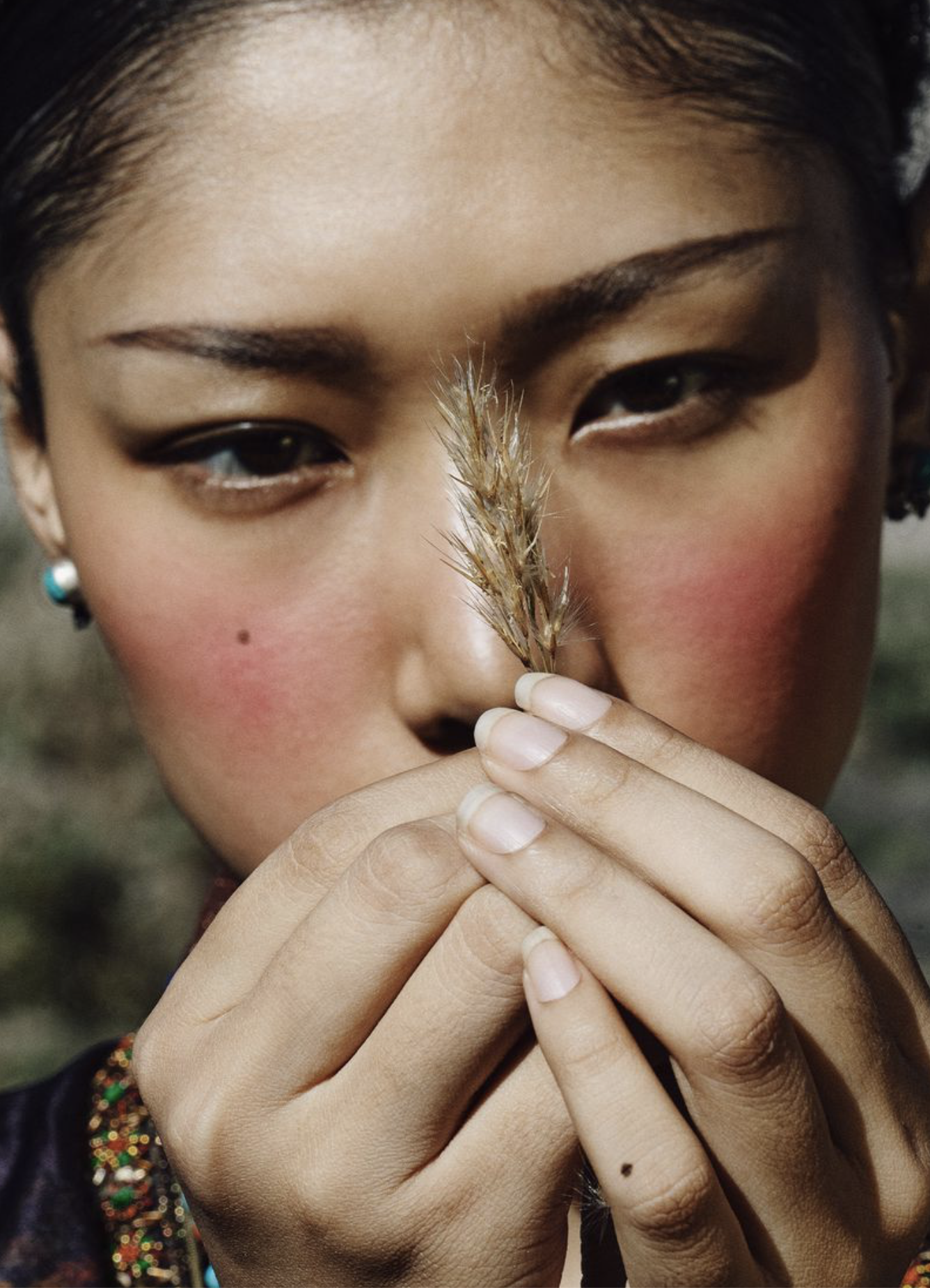
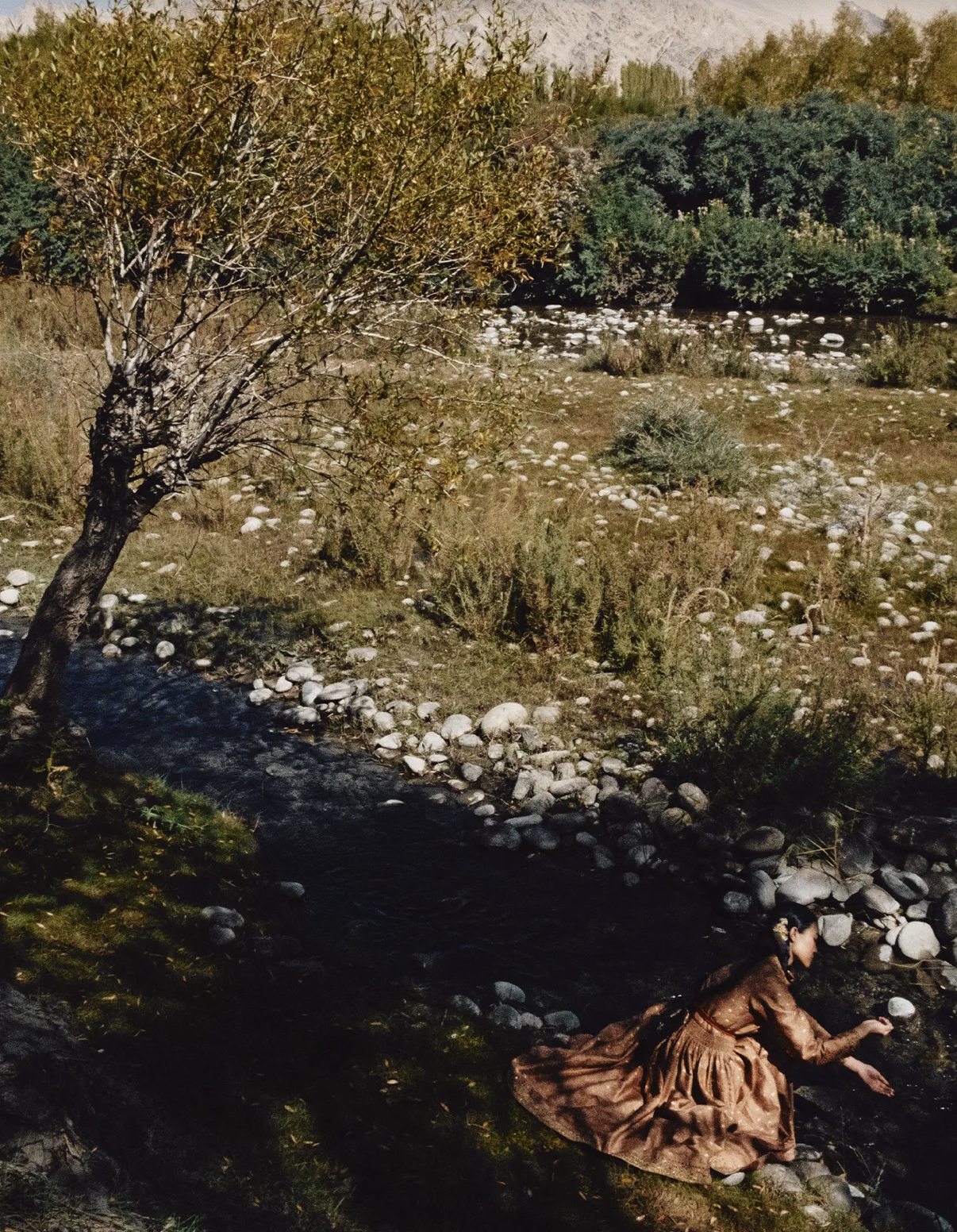
Anne of Carversville did not share previously this magnificent fashion story, photographed by Avani Rai [IG] for Grazia International [IG] December 2024 issue. Models include Amu Teli; Ani or Anika [@ananikani]; and Mila Dechen. The enormously-talented Dané Stojanovic provided creative direction for the ‘Bon Voyage’ fashion shoot, placed with changes in multiple magazines. Malkeet Singh styles the fashion expedition with its focus on Namza Couture[IG]. / Hair by Umang Thapa; Makeup by Harshita Josh
We’ve pulled out this story focused on ‘The Silk Road’ to honor Avani Rai’s father, renowned photographer Raghu Rai and equally the work of her mother, conservation architect Gurmeet Sangha Rai.
Honoring the Rai Family
The world suffered a significant loss with the passing of Rangha Rai in April. The Magnum Photos member was working with photographer Solve Sundsbo on the 2027 Pirelli calendar, when he passed.
Silk Road story photographer Avani Rai is featured in the calendar and was already involved with the Pirelli production team. She has expanded her role with the loss of her father, working with Sundsbo to capture the 2027 Pirelli cast.
Advancing and Cultivating A New Humanism
Today, the relevance of this fashion story has become critical across Anne of Carversville, as we give voice to major changes in the world of luxury fashion that we call New Humanism. To be clear, the implications of New Humanism may well impact all aspects of global fashion and culture across the world, but we are tracking it through a luxury lens and an eye on women consumers, collectors, activists and philanthropists. Of course we present men, too. But there is a female-centric pov on Anne of Carversville.
A key plank of AOC’s vision of the original Renaissance Humanism vs New Humanism is its lack of a Eurocentric lens. This global embrace of humanity has motivated me my entire life, with travels and a career around the world more times than I can count.
One of my core beliefs is that traders only succeed when they work together. This belief is increasingly challenged as money, power and knowledge become increasingly centralized among fewer enormously wealthy people, businesses and governments.
The Silk Road Traders are Our Global Ancestors
Still, hope drives me to work for a more equitable global future and to do my part to make it happen in a world that has been very kind to me. In sharing my incredible stories that always involve people and not my favorite restaurant, I’ve always expressed my deep respect for our differences and my own willful rejection of a purely Eurocentric vision on every subject from art and design to music and hotels, great books and lost poets, food and philosophy.
I’m not proud of the fact that wherever I’ve gone to make business in the world, a common theme emerges, once people know me better. The phrase is “Anne, you are not an American.” As a patriotic person, I try to respond with a phrase like “I understand what you are saying, but there are many Americans like me.”
My mission is to strengthen the positive view that you have of America, while using my deep knowledge of you to be your ambassador, so to speak. AOC has long promoted media and creatives from every continent. Now I want to promote our shared history as explorers and creators of a global culture that is increasingly relevant in the business world.
I’ve chosen Silk Road traders by land and sea as a visual metaphor for an international culture of traders, who long ago learned to work together for shared economic goals. Very often they shared no language or religion, but they knew that only through peaceful collaboration, could they be successful together. An intermediary often facilitated these early business collaborations. My research suggests that this person was often a Buddhist monk.
The Place of Ladakhi in Silk Roads History
Ladakh was never an isolated mountain kingdom; it was the vibrant pulse point of the Trans-Himalayan Silk Road from as early as the 2nd century BCE. Its primary town, Leh, acted as a massive commercial hub where the trade routes of Central Asia, South Asia, and Tibet converged.
Traders coming from China, India, and Persia had to navigate the brutal high-altitude passes of the Karakoram range and the Zoji La pass to reach Ladakh. Oasis settlements and villages in Ladakh’s high-altitude desert survived by operating as caravanserais [resting stops]. Here, exhausted traders swapped pack animals—exchanging horses and yaks for Central Asian Bactrian camels—while purchasing food, shelter, and fodder.
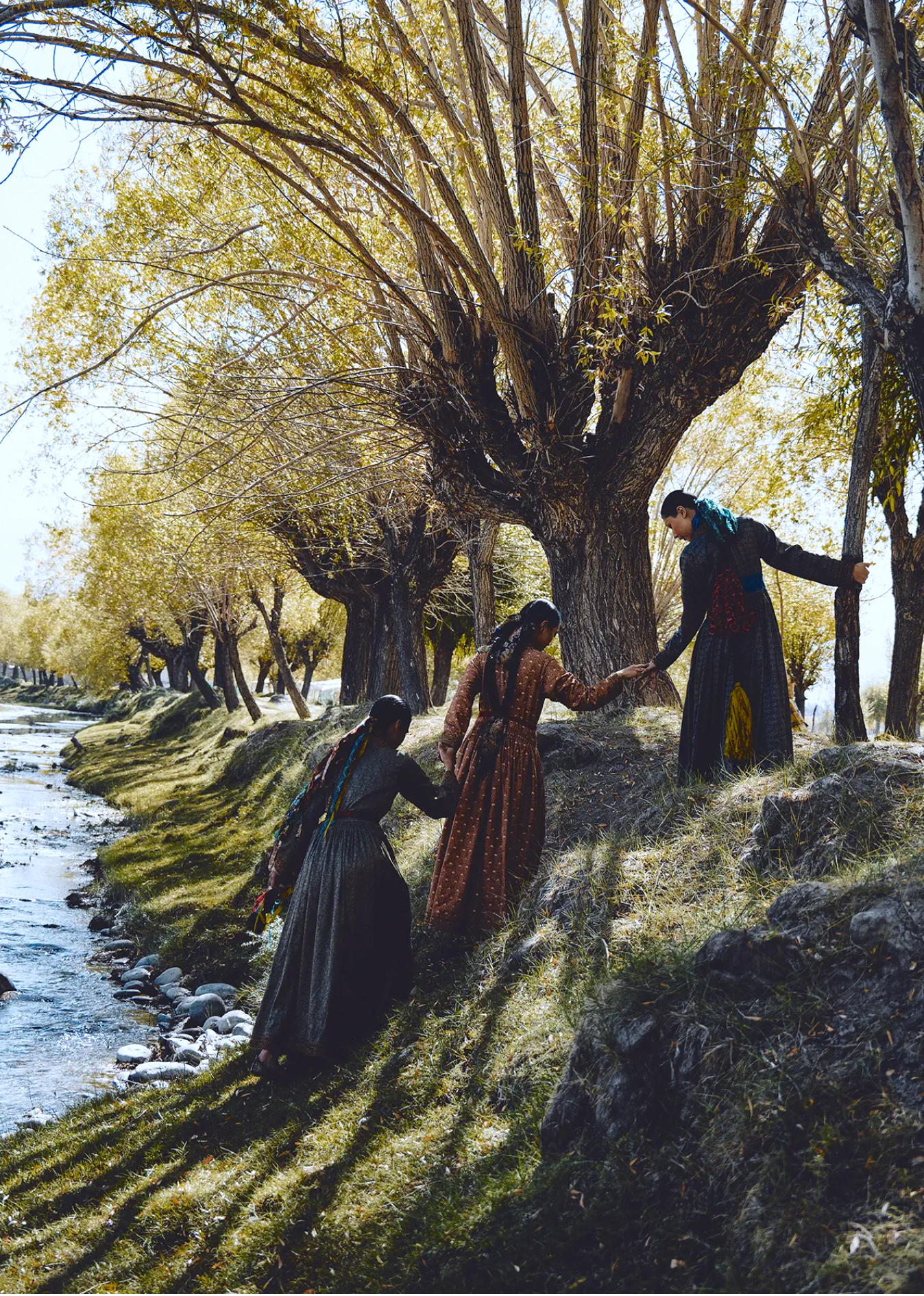
Embryonic, Global Luxury Networks . . .
Ladakh was renowned for exporting its own high-altitude lake salt and pashmina wool [harvested from Changthangi goats and used to fuel Kashmir's world-famous shawl industry]. Through Ladakhi middlemen, these local products were exchanged for global commodities traveling the Silk Road network, including:
Persian rugs
Afghan silver cookware
Indian spices and textiles
Tibetan turquoise and musk
Chinese silk and porcelain
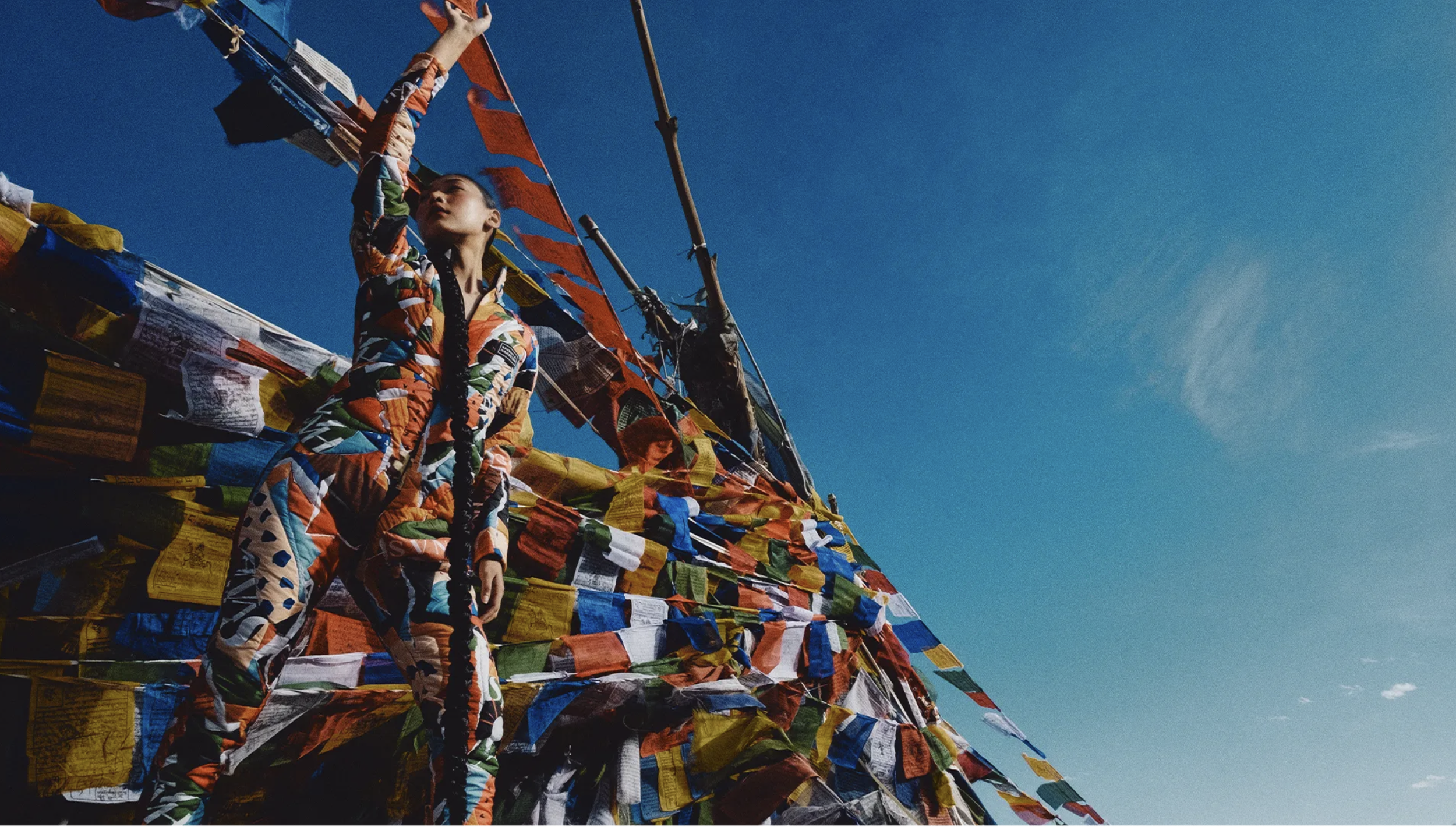
. . . Birthed a More Global Culture
Because Ladakhi traders mingled with merchants from vastly different worlds, the Ladakhi language became a living linguistic archive of the Silk Road. Spoken Ladakhi absorbed an immense volume of loanwords from Persian, Urdu, Central Asian Turkic dialects, and eventually English.
The Silk Road was also the primary vehicle for religious expansion in the region. Buddhism traveled along these trade arteries from India into Tibet and East Asia, anchoring itself deep in the monastic culture of Ladakh. Later, Islam also took root in the same region.
Moving into the 14th century — and key signals about an evolving world — the Silk Road traders saw tremendous unification of the Mongol Empire, followed by its exact opposite.
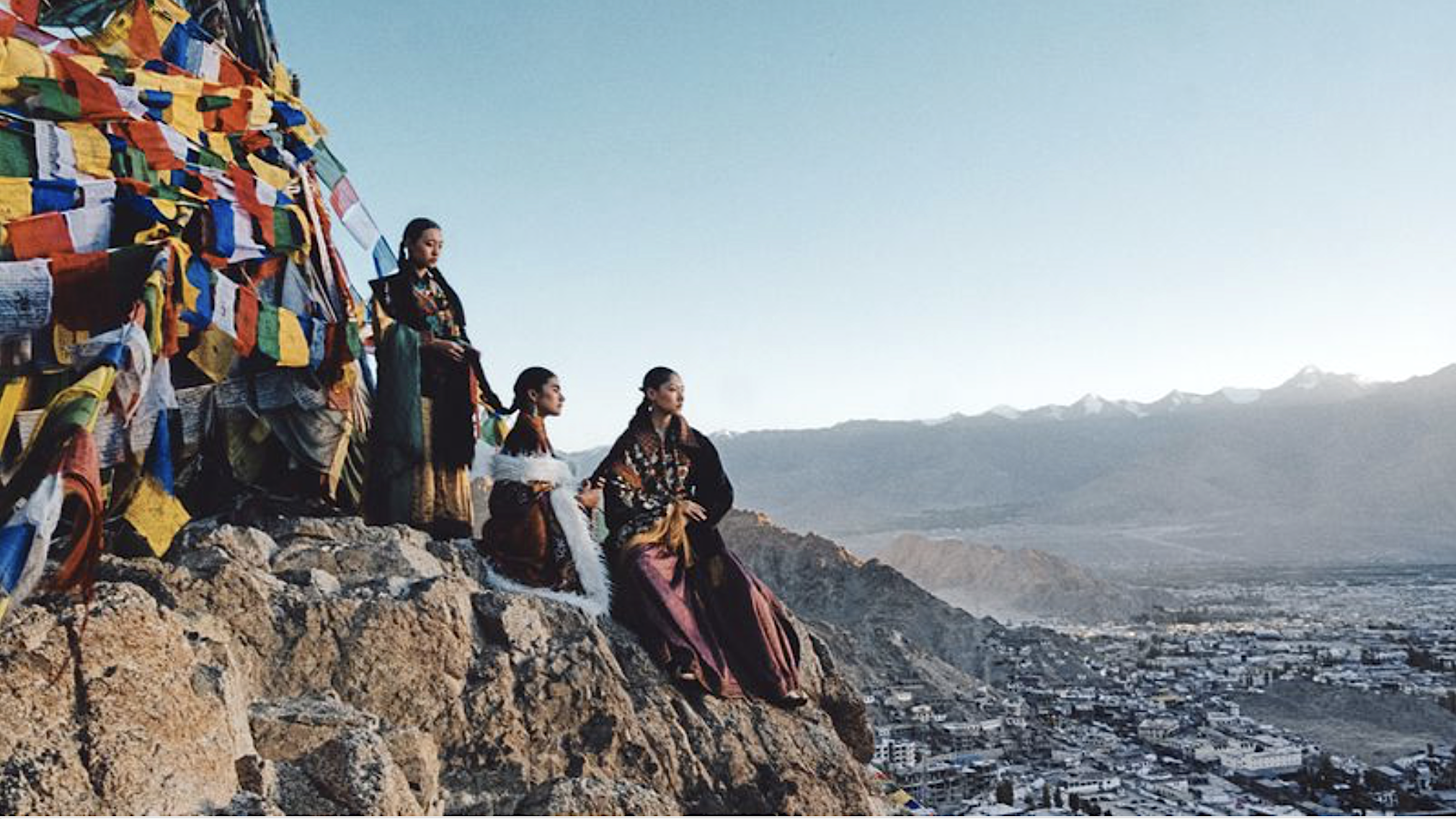
Initially, the Mongol Empire forcefully unified, almost the entirety of Eurasia under a single administrative and legal system. Remarkably, a merchant could travel from Europe to China using a single passport [paiza], paying predictable, standardized taxes.
When the Mongol Empire collapsed and splintered into competing regional khanates, that unified safety network vanished overnight. The overland paths fractured into thousands of miles of hostile territory controlled by local warlords. Banditry skyrocketed, and every minor local ruler demanded their own heavy tolls, making long-distance trekking highly dangerous and financially draining.
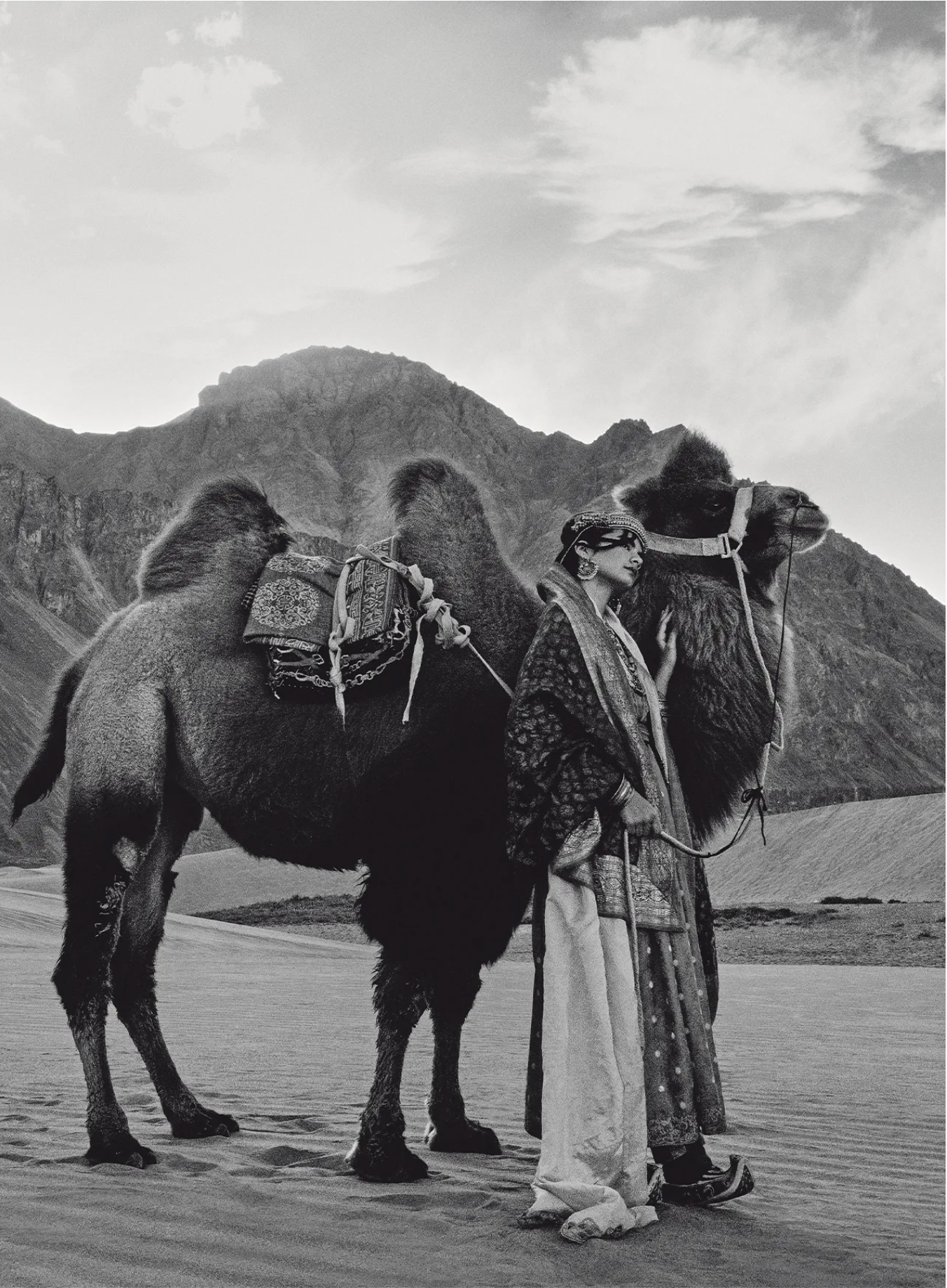
The Rise of the Ottoman Empire [1453]
Global commerce on the Silk Road’s traditional overland routes was choked by these empire shifts. The Ottomans did not strictly forbid trade, but they placed stiff tariffs and trade embargoes on Western merchants while heavily restricting access to the Black and Mediterranean seas. This aggressive economic positioning made Asian luxuries like silk and spices prohibitively expensive for Europeans.
In response Spain and Portugal invested heavily in naval technology, sparking the Age of Exploration. Once reliable maritime routes around Africa to India and China were established, they proved to be faster, cheaper, and safer than overland caravans. The primary Eurasian overland Silk Road effectively became obsolete.
The Ladakhi Route Survived Another 400 Years
Fractured regional trade diverted into smaller, vertical Trans-Himalayan networks. Ladakh became a protected, localized micro-Silk Road. While the rest of the world traded via massive naval ships, Central Asian merchants from Yarkand [modern Xinjiang], Tibetans, and Indian traders still relied on the high mountain passes of Ladakh to trade pashmina, tea, and salt, operating completely independent of European maritime dominance until the mid-20th century.
Anne Walked Her Talk and Delayed Her GlamTribale Launch
This Silk Road post becomes a key foundation of my new GlamTribale artisan jewelry project. In the spirit of these ancient traders, every piece must represent a minimum of three distinct cultures, countries or regions of the world.
Some necklaces will have 6-7 different geographic sources of beads and findings. Living artisans will also have a role in the collection. Using AI, we are auditing every pair of earrings, all bracelets and necklaces to understand past conflicts and their resolutions.
In an action that I’m truly proud of, I literally “stopped the presses” in December 2025, when I realized that from a materials perspective, the collection was too Eurocentric.
Very specifically, China was not properly represented. In a nod to an emotional relationship I have with the entirety of Asia, I knew that we could do better — and it was my fault for not recognizing the full range of possibilty attached to my creative impulses — if only I wanted to hold myself to that incredibly high goal.
There were moments when I truly wanted to scream over the delay and redesign work involved in holding myself to the standard of my own words and expressed intentions about early traders and their evolving trade routes.
Now that we are once again approaching the early fall launch date with a dramatically transformed GlamTribale collection heavy on vintage and antique trade beads from many parts of the world, I’m so glad for the reconsideration of my goals and objectives.
When I learned recently that the distance from modern Kenya to maritime ports in India was a distance equivalent to flying from Washington, DC to Denver, Colorado, I imagined those ships at sea. I saw them moving regularly between India and East Africa on critical trade routes; and ‘yes’ women traders and merchants were on those ships. It sounds so preposterous that I’ve checked this fact a minimum of five times, for fear that I dreamed up this inspiring historical fact that women were actually on those ships shuttling between India and Africa. Women had major roles connected to the Silk Road as well.
There are so many incredible stories to share about my own experiences with strangers all over the world, while we also learn about each other’s lives and cultures — past and present. I love my country but am also very sad about my country. You can fill in the blanks on that topic.
The principles of success on those ancient trade routes inspire me because people had to cooperate, in order to succeed. The principles of New Humanism are deeply embedded in my spirit, and I’m highly motivated to do my best to articulate and spread this vision as far and wide as possible.
There are aspects to Renaissance Humanism that I cannot abide by. Actions did not live up to the words, and I will draw clarity on my breaks with traditional humanism over those actions. ~ Anne