






How Women in Kenya Mobilized for Peace After Surviving Violence
/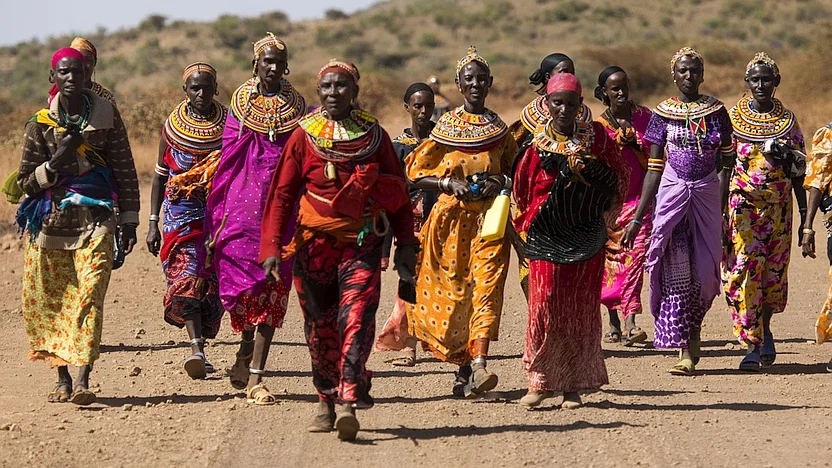
How Women in Kenya Mobilized for Peace After Surviving Violence
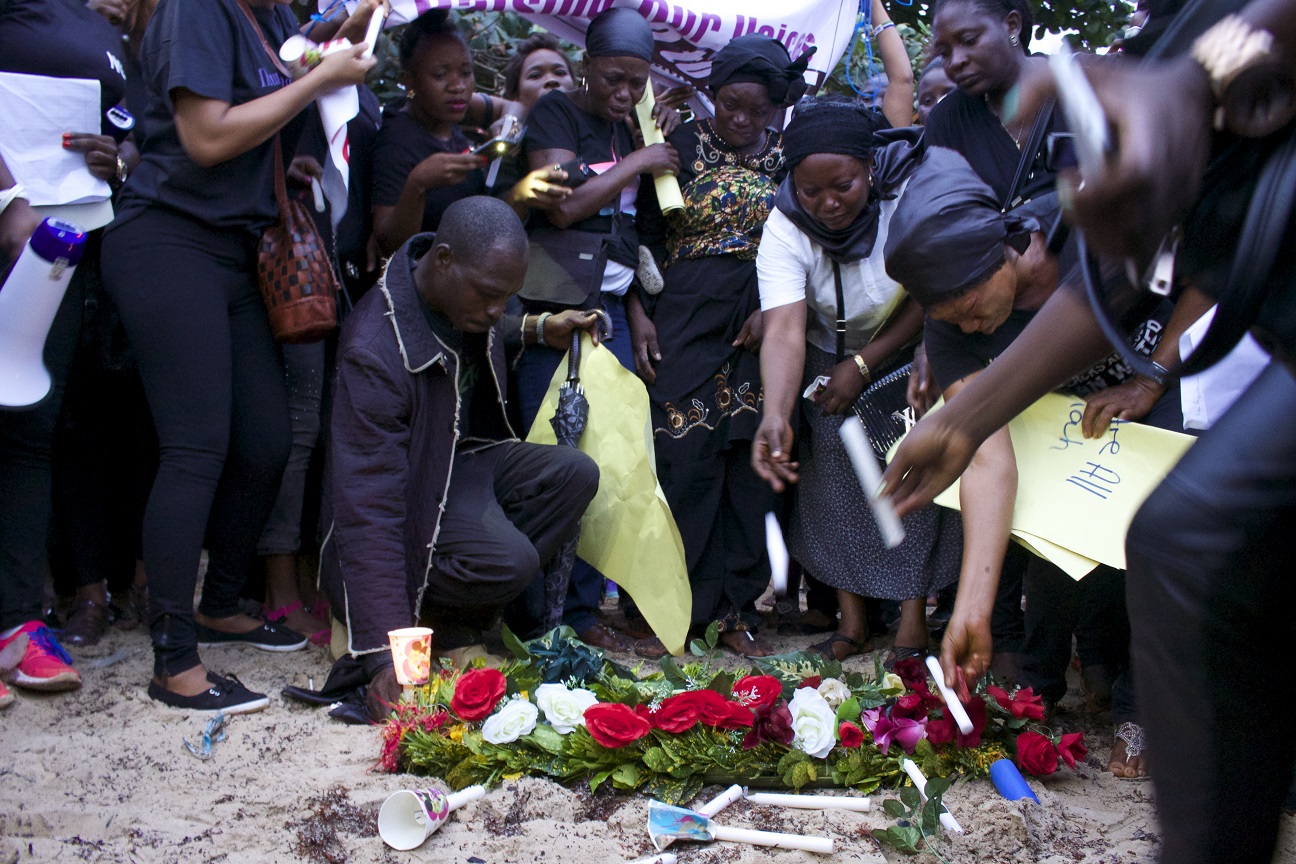
Women are rarely represented adequately at peace negotiations yet they make up half the population of any country in conflict or at war. This remains the case despite increasing global policy awareness on how women are affected by conflict and the importance of including them in peace and security processes. For instance, the UN’s landmark framework on women, peace and security reaffirms the important role women play in the prevention and resolution of conflicts.
Women’s contributions are also underscored in African peace instruments like the Maputo Protocol and Kenya’s National Action Plan.
But how do women in conflict actually engage in peacebuilding? There is considerable academic literature on the links between gender and peace but the lived experiences of women peace builders are not well captured.




















Raping Women Worldwide
What does one say about a question in South Africa’s national school-leavers’ drama exam in which students are asked to direct a rape scene? South Africa’s Education Department defended their action in which they were asked to maximize the raping of a baby, using a broomstick and loaf of bread as props.
“Nowhere is it expected of the candidate to have to literally describe the actual act of raping a nine-month-old baby,” responded the department in a statement, arguing that the exercise was aimed “at assessing the pupils’ concept of using metaphor as a theatrical technique.”
“By the time pupils are in [the final year of high school], they have begun to be faced with the realities of adulthood, often beyond the security of their homes and the school system. They will, through media and cinema, have been exposed to many horrific images and reports,” spokesman Elijah Mhlanga said. He pointed out that high school seniors are well informed about child rape in South Africa.
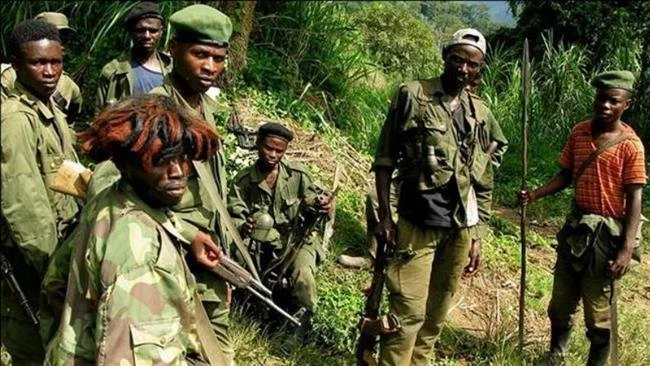
South Africa is a world leader in the raping of women and children. Just a day or two after newspaper headlines blazed with the test question, a six-week-old baby girl from Galeshwe township, west of the diamond-mining town of Kimberley, was raped by her 24-year-old uncle.
South African playwright Lara Foot wrote a play ‘Tshepang’ about the 2011 rape of a 9-month-old girl. Pressured for a response to the drama school test question, Foot released a statement saying it was “totally inappropriate and frankly appalling. Given the history and statistics of rape in this country, it is imperative that the matter is dealt with, but dealt with sensitively and responsibly.”
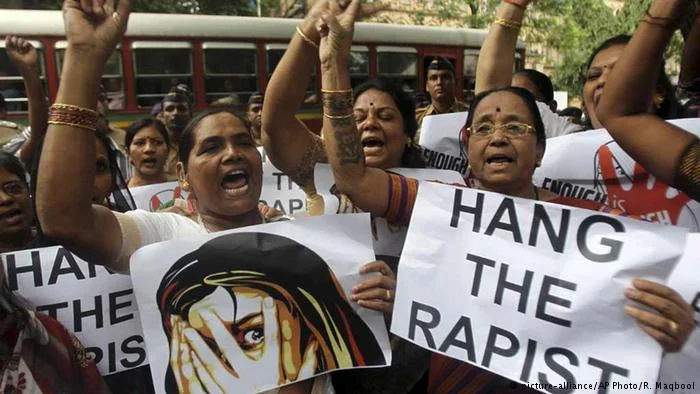
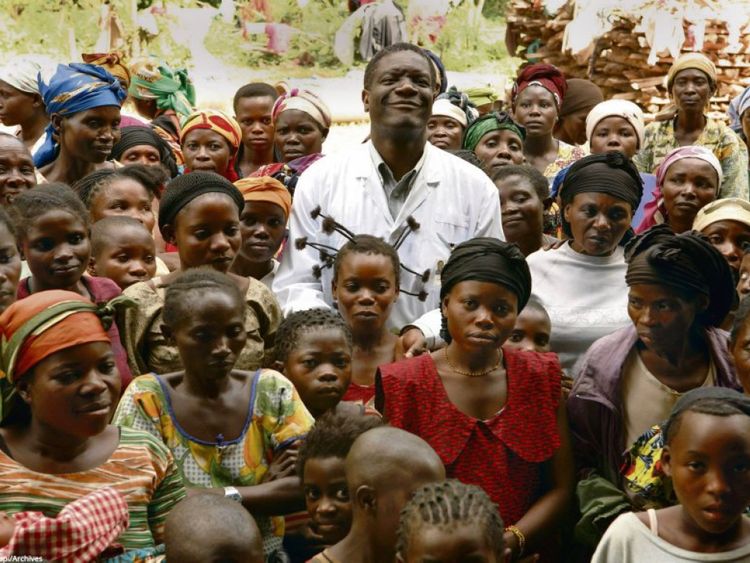
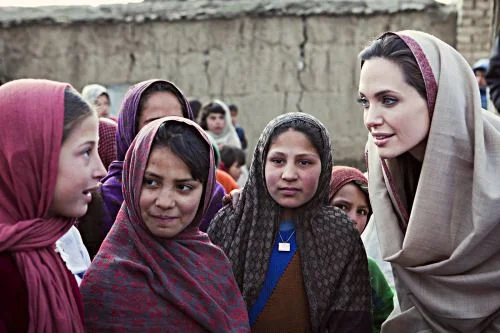
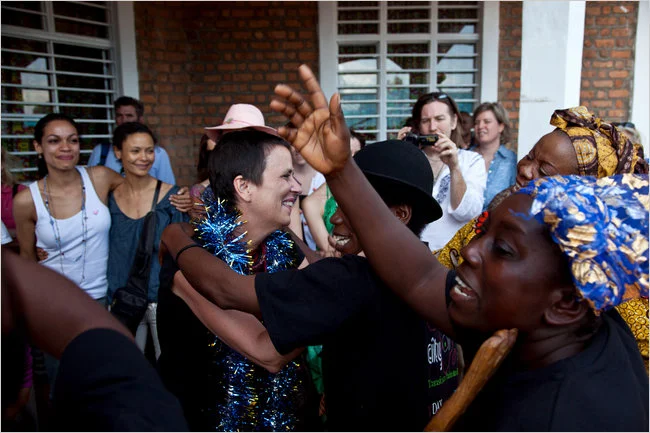
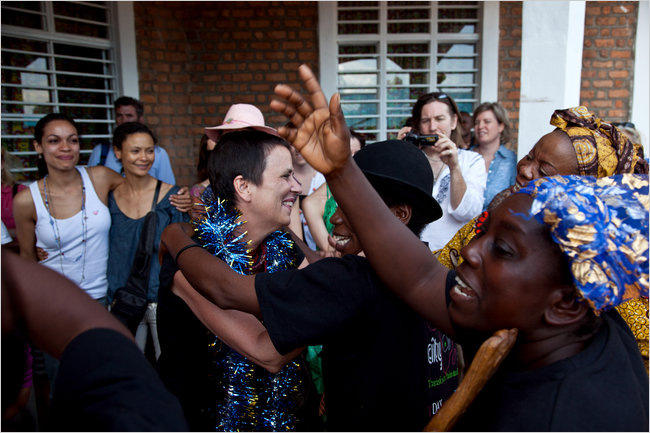
Tracking the rape of women worldwide is a key focus of Anne of Carversville. Charlize Theron joins a list of other prominent women and men, including Angelia Jolie and Eve Ensler, who for years have dedicated themselves to stopping the brutal rapes of women, children and men.
Charlize Theron for Dior