The announcement that accused Supreme Court nominee Brett Kavanaugh and his accuser Christine Blasey Ford have both been invited to testify under oath in a public hearing next Monday ended a day of Senate Republican leaders projecting defiance on calls to slow down the confirmation process.
Dr. Ford has accused Judge Kavanaugh of assaulting her at a house party when he was 17 and she 15. Ford charges that a “stumbling drunk” Kavanaugh attacked her, with his friend Mark Judge present, when she went upstairs to go to the bathroom. According to Ford, Kavanaugh then jumped on top of her, tried to take her clothes off, and when she tried to scream, put his hand over her mouth and turned up the music. She said was able to free herself when Judge jumped on the bed, too, sending the three tumbling, giving her a chance to run into the bathroom and lock the door.
Blasey Ford took and passed a professionally administered polygraph test, administered by a retired FBI agent.
The hearing with Judge Kavanaugh and Christine Blasey Ford, a research psychologist in Northern California, sets up a potentially explosive public showdown, stirring up painful to women memories of the 1991 testimony of Anita Hill, who accused the future Justice Clarence Thomas of sexual harassment. Next Monday’s hearing will play against the backdrop of the #MeToo movement and countless sexual harassment and sexual assault accusations against Donald Trump. His presidency has fired up Democratic women across the nation in massive civic actions and unheard of numbers of women running for political offices at every level in every state.
In an article by her friends in tonight’s The Mercury News, the headline reads #MeToo spurred Christine Blasey Ford to open up. . .
Sen. Susan Collins (R-ME) was a key force in ending the misguided perceptions among Republican white men leaders that the scheduled vote by the judiciary committee would still happen on Thursday. Or that the hearing would somehow not be public.
Senate Majority Whip John Cornyn (R-TX), a senior member of the judiciary committee, told reporters Monday morning that a hearing was out of the question, calling it a “show trial.” But after a meeting with Collins in her office, it became clear that his position was no longer untenable, writes The Daily Beast.
“I have said that in order for me to assess the credibility of these allegations that I want to have both individuals come before the Senate Judiciary Committee and testify under oath,” Collins told reporters Monday afternoon.
Collins won; Cornyn lost. And Collins was joined shortly after by her close associate, Alaska Senator Lisa Murkowski, another pro-choice Republican woman.
Retiring Sen. Jeff Flake (R-AZ), made it clear Sunday evening that he would not support Kavanaugh without Blasey Ford publicly telling her story.
“Obviously these are serious charges,” Flake, who sits on the judiciary committee, told reporters. “And if they're true, I think they're disqualifying.” South Carolina Sen. Lindsey Graham said Monday night that he also found believable testimony from Blase Ford the end of Kavanaugh’s nomination to the Supreme Court.
Today there are no female Republican members of the Judiciary Committee, but there are four Democratic women, including ranking member Dianne Feinstein, who was elected the year after the Hill-Thomas hearings, in what came to be known as "The Year of the Woman."
Both Sen. Collins and Murkowski are more moderate than most Republican senators. They definitely hold the keys to Brett Kavanaugh’s future, but we shouldn’t assume that other Republican men won’t be persuaded to vote down the nomination.
No one is guaranteed a seat on the US Supreme Court.

















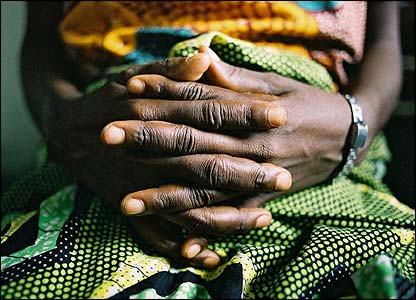


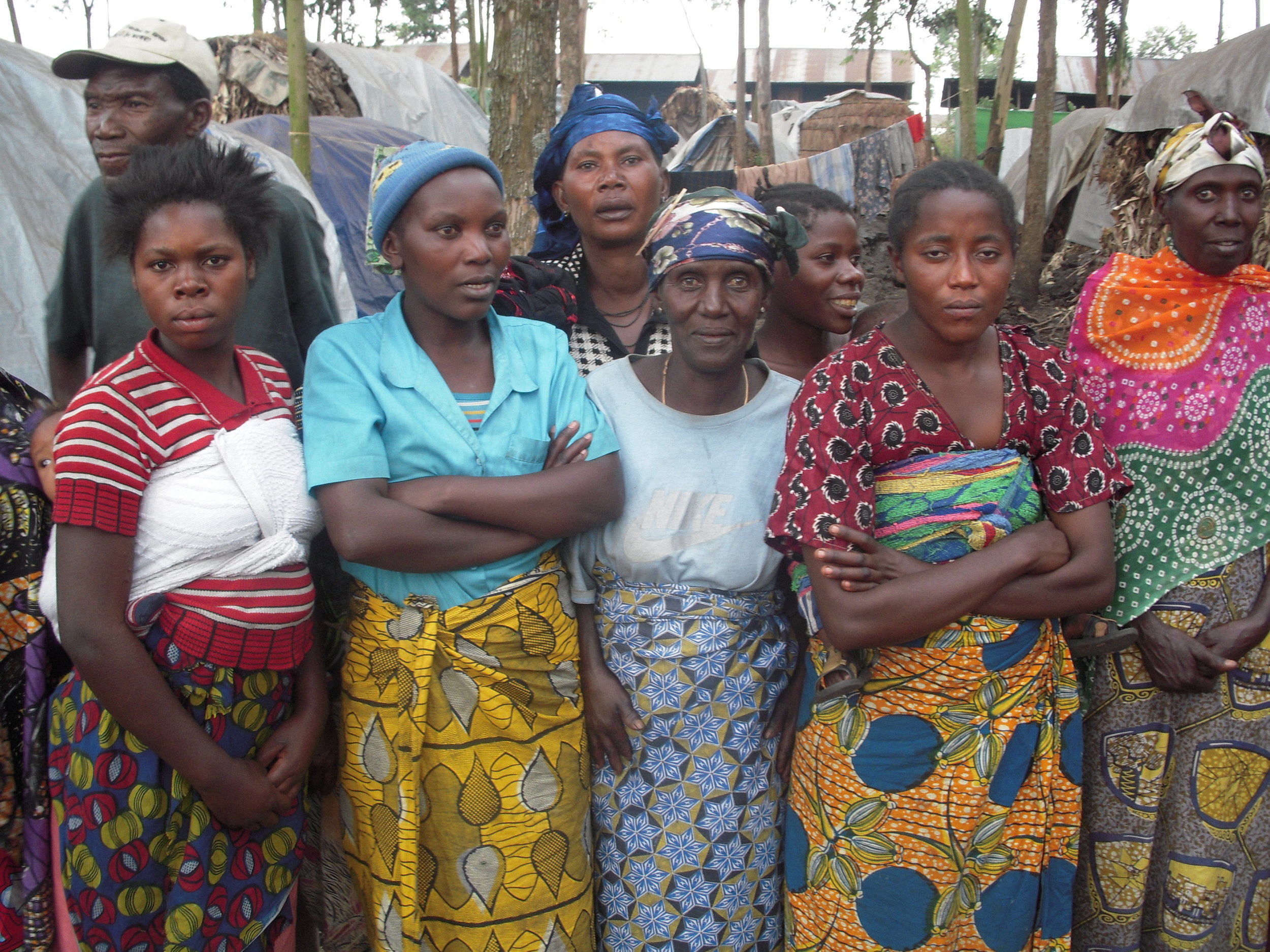

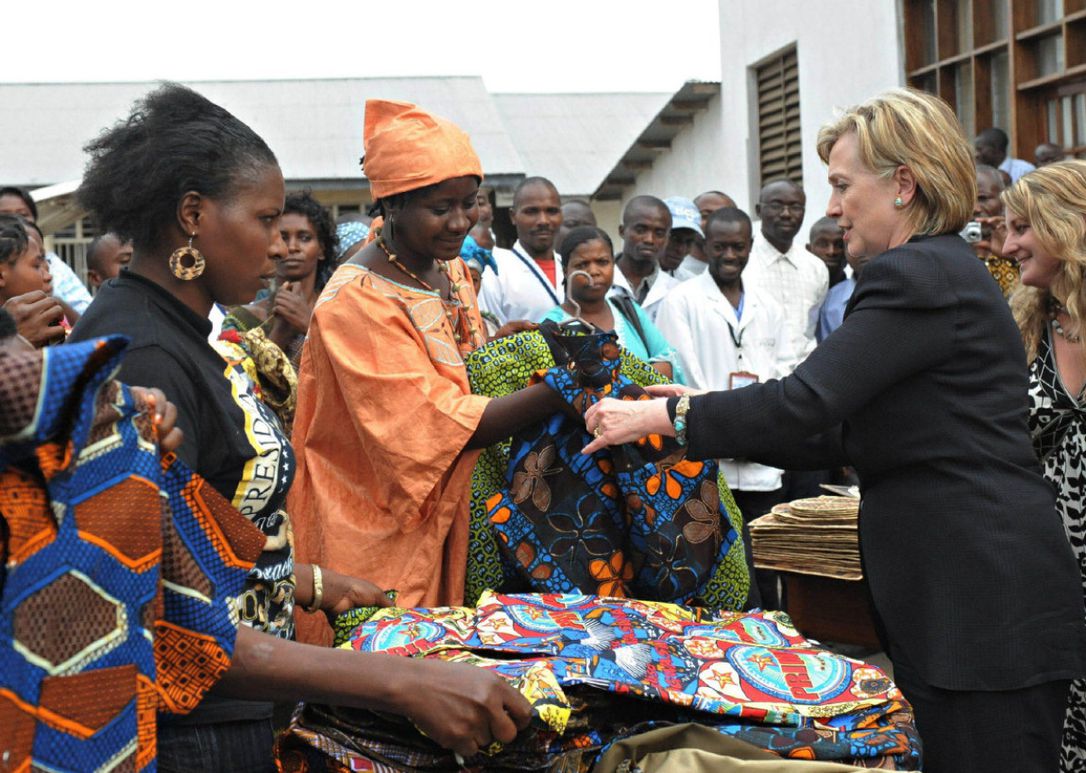

























Raping Women Worldwide
What does one say about a question in South Africa’s national school-leavers’ drama exam in which students are asked to direct a rape scene? South Africa’s Education Department defended their action in which they were asked to maximize the raping of a baby, using a broomstick and loaf of bread as props.
“Nowhere is it expected of the candidate to have to literally describe the actual act of raping a nine-month-old baby,” responded the department in a statement, arguing that the exercise was aimed “at assessing the pupils’ concept of using metaphor as a theatrical technique.”
“By the time pupils are in [the final year of high school], they have begun to be faced with the realities of adulthood, often beyond the security of their homes and the school system. They will, through media and cinema, have been exposed to many horrific images and reports,” spokesman Elijah Mhlanga said. He pointed out that high school seniors are well informed about child rape in South Africa.
South Africa is a world leader in the raping of women and children. Just a day or two after newspaper headlines blazed with the test question, a six-week-old baby girl from Galeshwe township, west of the diamond-mining town of Kimberley, was raped by her 24-year-old uncle.
South African playwright Lara Foot wrote a play ‘Tshepang’ about the 2011 rape of a 9-month-old girl. Pressured for a response to the drama school test question, Foot released a statement saying it was “totally inappropriate and frankly appalling. Given the history and statistics of rape in this country, it is imperative that the matter is dealt with, but dealt with sensitively and responsibly.”
Tracking the rape of women worldwide is a key focus of Anne of Carversville. Charlize Theron joins a list of other prominent women and men, including Angelia Jolie and Eve Ensler, who for years have dedicated themselves to stopping the brutal rapes of women, children and men.
Charlize Theron for Dior