How DC Mayor Bowser Used Graffiti to Protect Public Space

How DC Mayor Bowser Used Graffiti to Protect Public Space

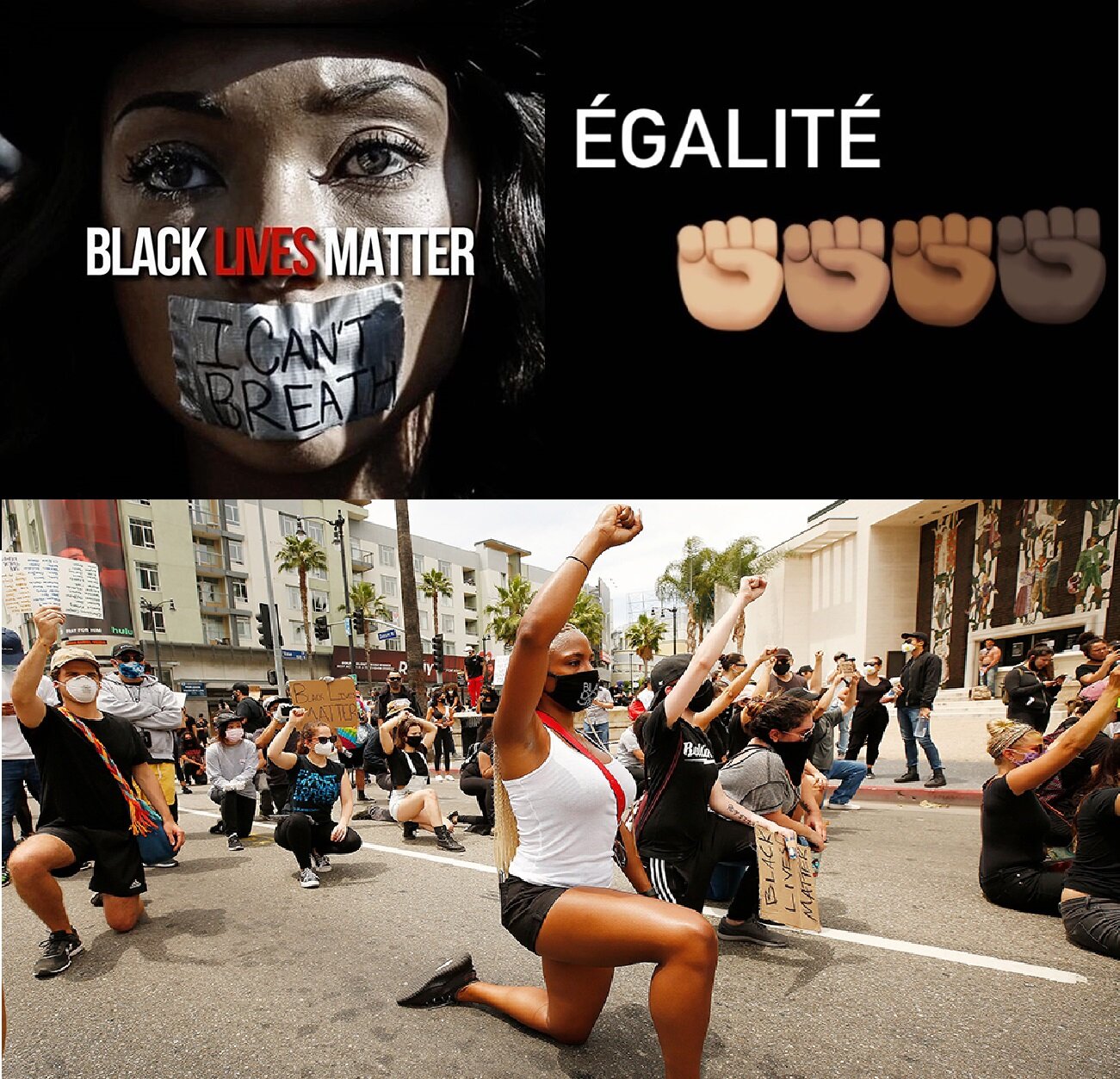
When President Donald Trump sent heavily armed federal law enforcement officers and unidentified officers in riot gear into Washington, D.C. during the height of protests recently, Mayor Muriel E. Bowser responded by painting “BLACK LIVES MATTER” directly on the street leading to the White House.

While many spoke of it as a daring political act, for artists like me, it was also an act of urban intervention, an artistic act intended to transform an existing structure or institution, that reclaimed public space back for the public. And she accomplished this with little physical matter at all.

Her action – expressing dissent by marking an oppressive environment – references graffiti, which has been called the “language of the ignored.”

Art scholars note that most types of graffiti are meant to claim or reclaim territory by those who are systematically excluded. “Writers” often work quickly and at night, when they are less likely to be seen and arrested for painting on others’ property without consent.

Bowser’s action would likely be considered vandalism if not for the fact that it was carried out by the city’s Department of Public Works, using city funds. She wielded municipal services as artistic tools to condemn another state-sanctioned action, the violence perpetrated against Black people.
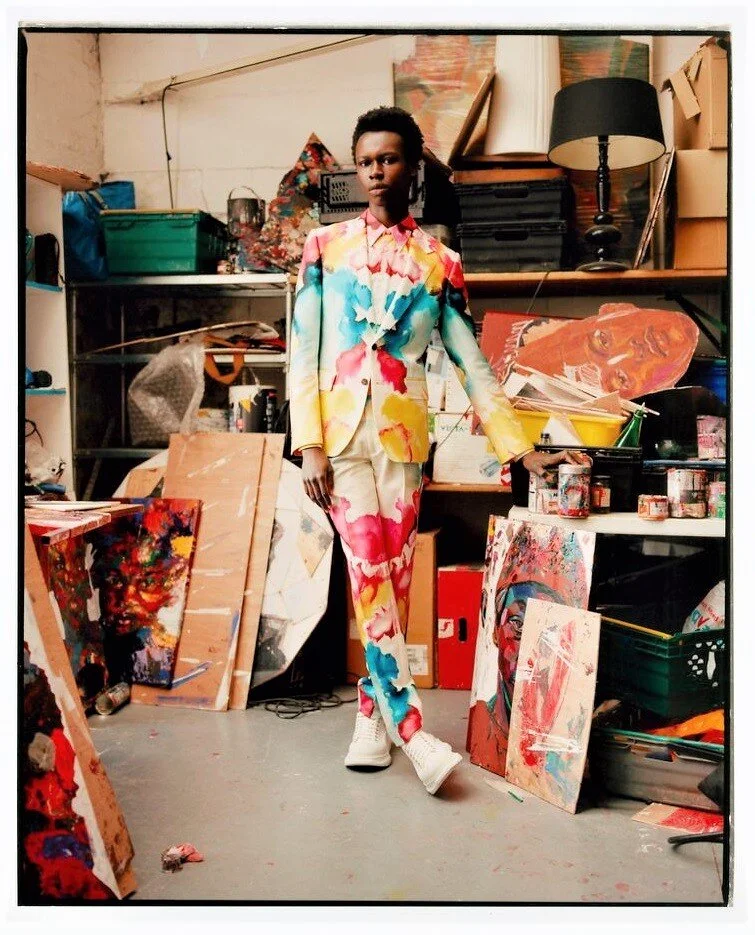
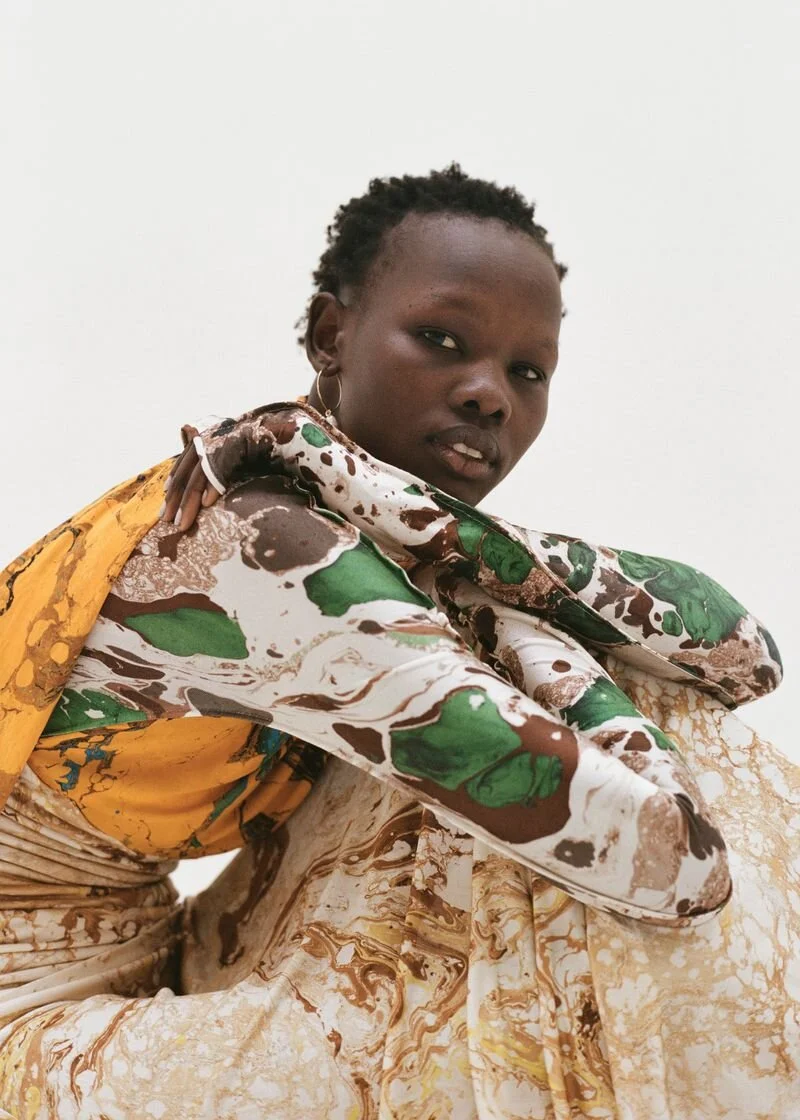
Emmanuel Adjaye by Jon Gorrigan for The Guardian Fashion June 2020

Emmanuel Adjaye by Jon Gorrigan for The Guardian Fashion June 2020

The Guardian’s fashion editor Helen Seamons puts menswear artistry center stage in ‘A Brush With Greatness’, photographed in the studio of British artist Matt Small. Photographer Jon Gorrigan captures model Emmanuel Adjaye, with Seamons also interviewing Small for “I want to get a sense of Jazz in my work.”

Serena Williams Steps Up For Vital Voices; Alexis Ohanian Sr. Resigns Reddit Board

Serena Williams Steps Up For Vital Voices; Alexis Ohanian Sr. Resigns Reddit Board

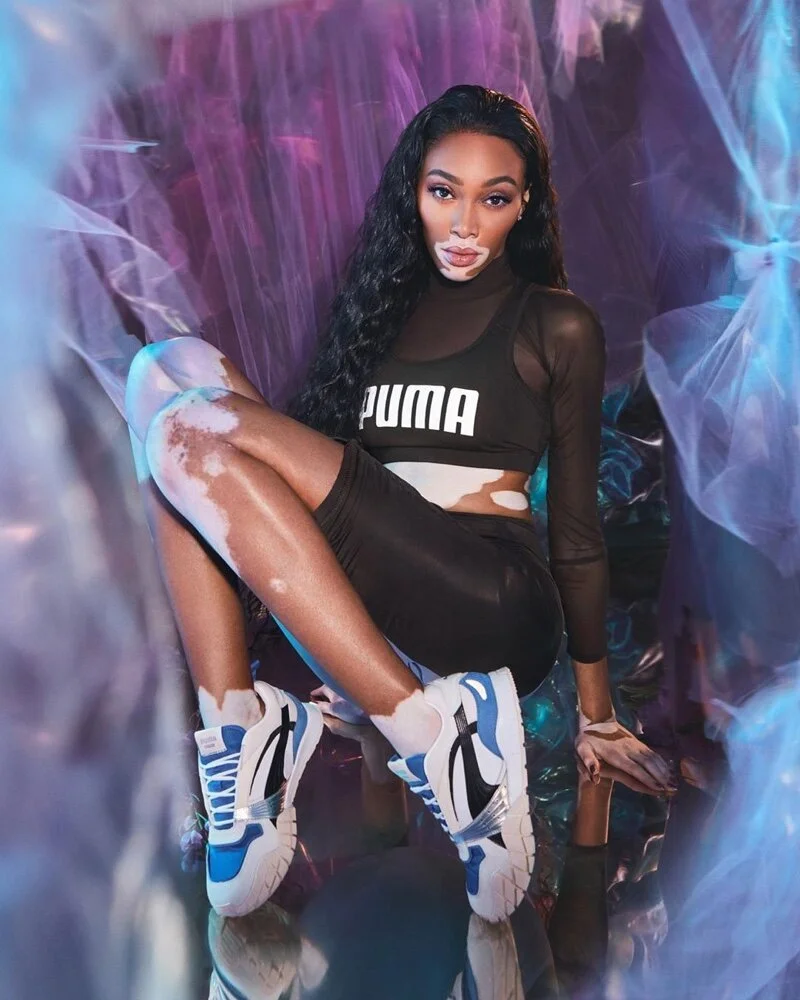
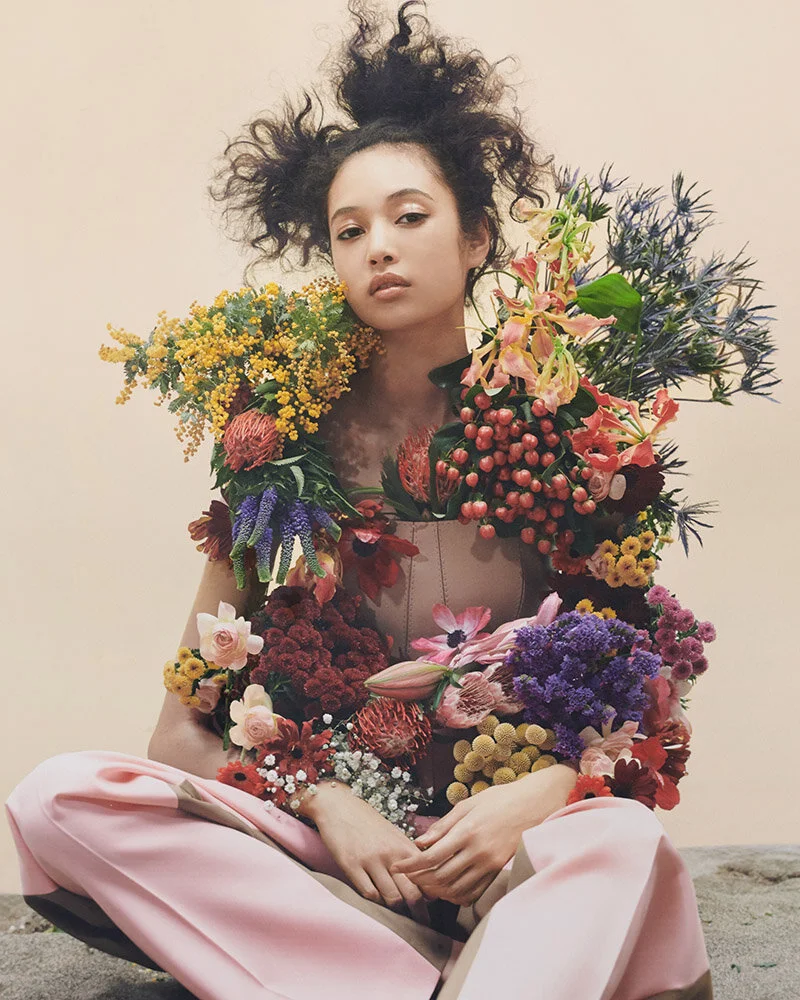
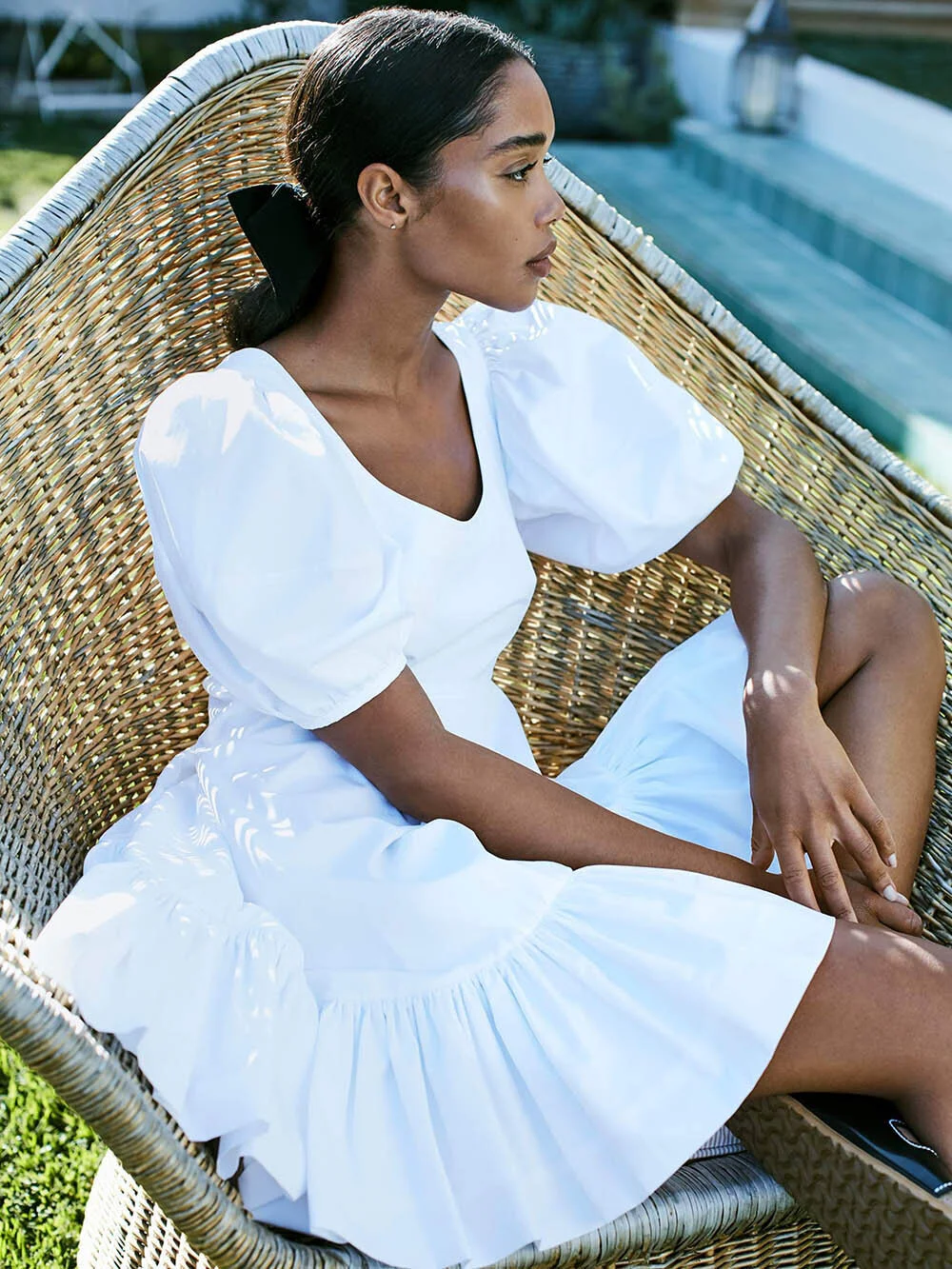
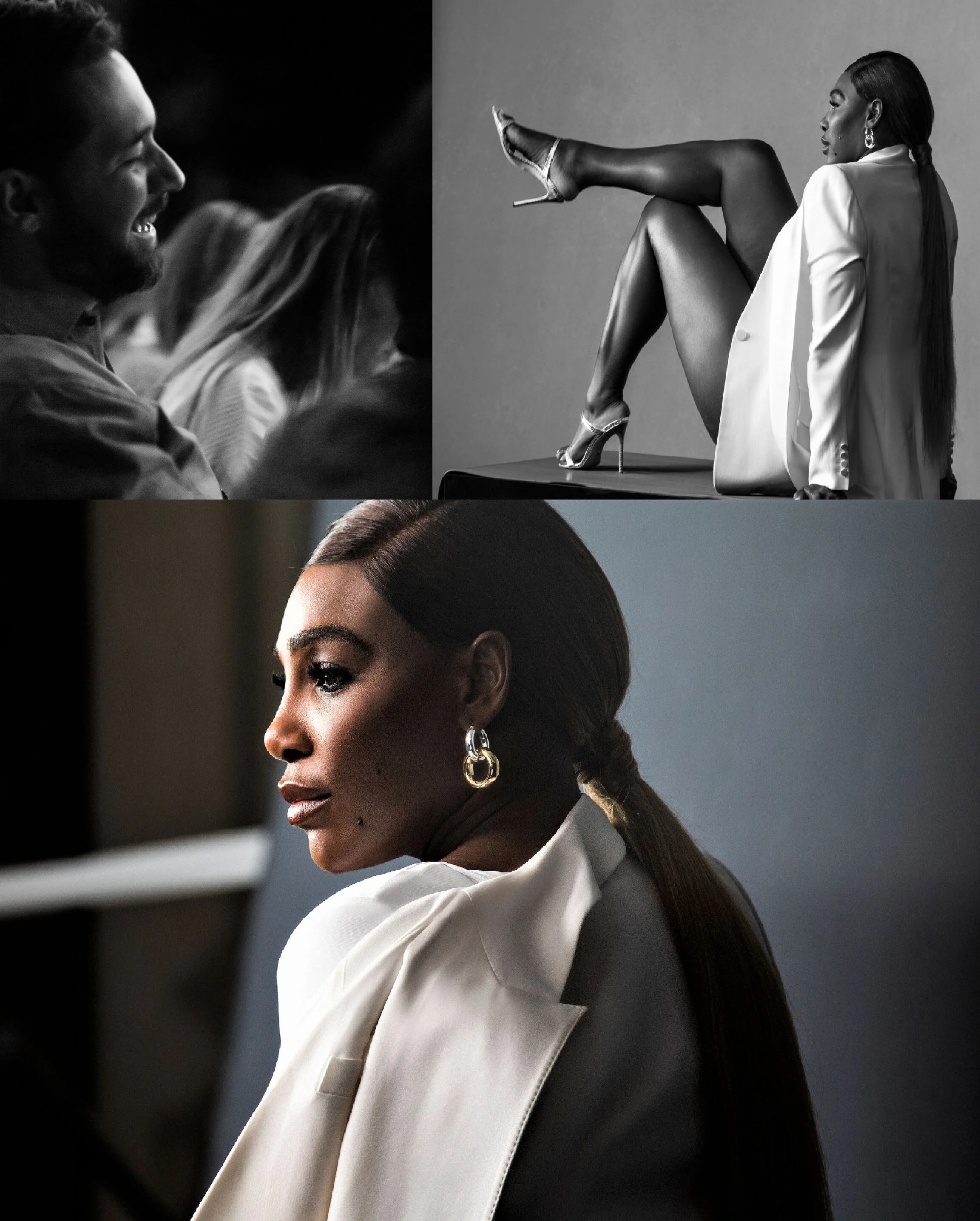
Tennis legend, black activist, fashion designer — and yes, now venture capitalist — Serena Williams became the global spokeswoman for Stuart Weitzman in early May. Photographer Ethan James Green captures Serena in campaign images that present her fierce power and beauty unbowed.

The power of the project for Serena lies in Stuart Weitzman’s alliance with the Vital Voices Global Partnership  Tapped to choose two women leaders to participate with her in the campaign, Williams tapped Ashlee Wisdom and Sage Ke’alohilani Quiamno. Wisdom is the founder of  Health in Her Hue, a platform that connects black women to culturally competent health-care providers. Ke’alohilani Quiamno, founder of Future for Us, a civic organization that gives women of color the tools to succeed in the highest levels of corporate and social-sector careers.

Alexis Ohanian Sr. Resigns from Reddit Board

It’s Serena Williams’ husband Alexis Ohanian Sr.that made the big news today — June 8 — as word of his resignation from the board of directors of Reddit traveled through media channels. The co-founder of Reddit recommended that his spot be filled by a Black candidate amid activists’ calls for more representation of BlPOC in positions of power in global companies.

"I co-founded Reddit 15 years ago to help people find community and a sense of belonging," Ohanian wrote across his social media channels, pulling from a blog post on his site. "It is long overdue to do the right thing. I'm doing this for me, for my family, and for my country." Along with the statement to the public, Ohanian embedded a video message from his Instagram account onto his blog entry, and in it he reiterates his original statement.

Revisiting the Johanna Ortiz X H&M Spring 2020 Collab In A Flower Power World

Revisiting the Johanna Ortiz X H&M Spring 2020 Collab In A Flower Power World

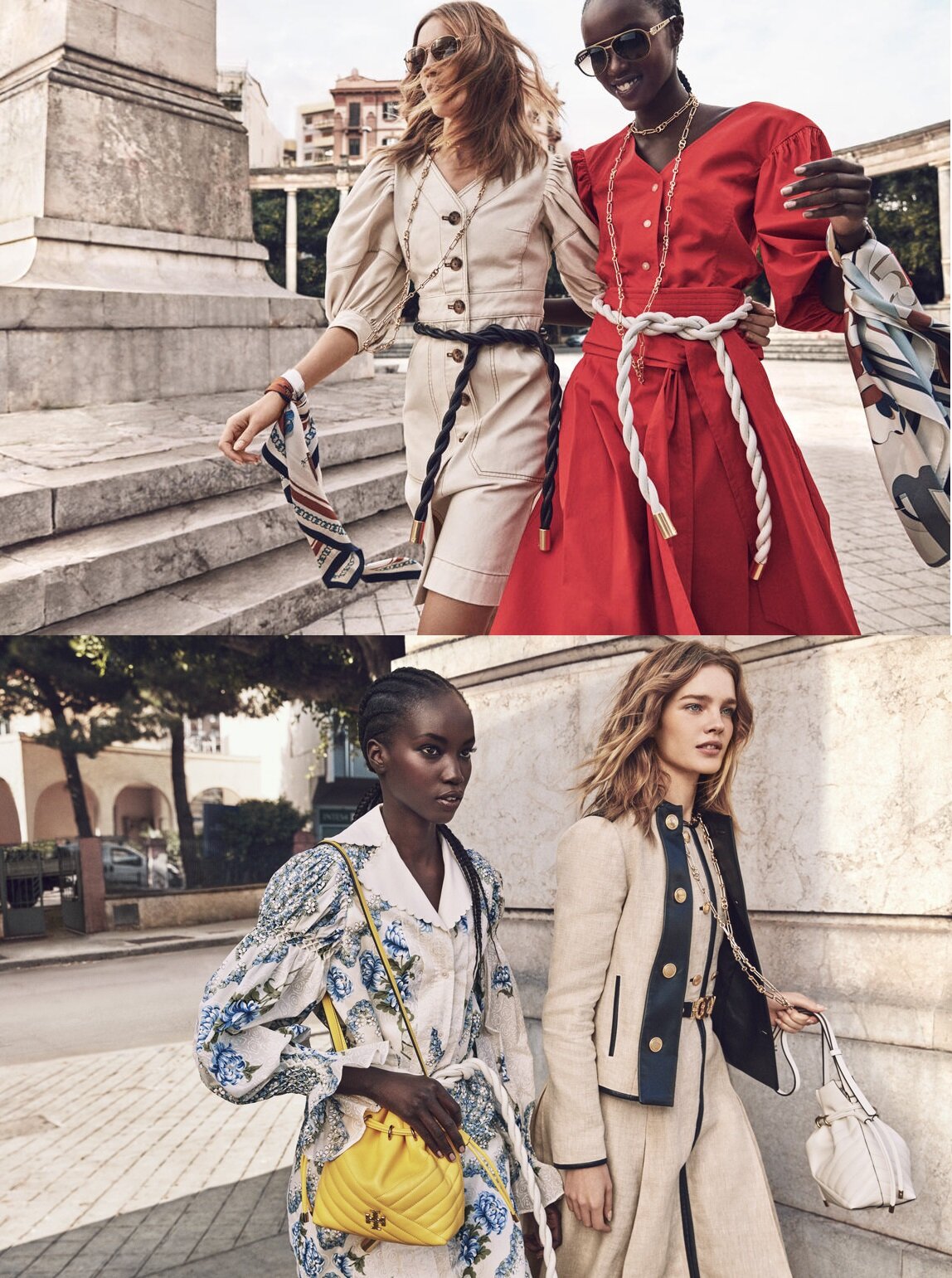
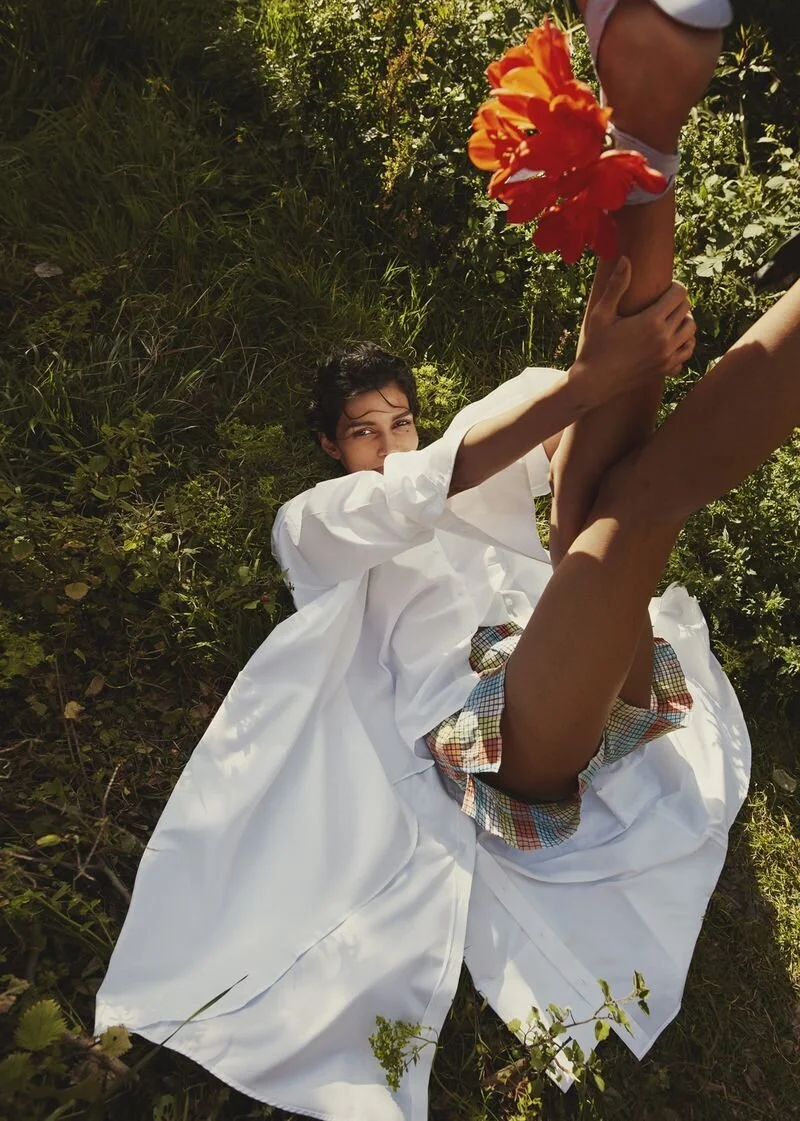
The Johanna Ortiz X H&M Spring 2020 collab is one of the Spring 2020 beauties lost in the COVID-19 pandemic. Following on the success of her Fall 2019 collection for H&M, Ortiz returned for spring. Describing the designer, H&M wrote:

If you don’t know that Johanna Ortiz hails from the birthplace of salsa, her energetic designs will give you some immediate pointers. Dramatic, luscious, extravagant — Johanna Ortiz’s dresses are the kind of pieces you’ll want to throw on and start dancing in. They tap their own beat, and demand the wearer does the same.

It’s not only fashion lovers who feel the rhythm of Ortiz’s collections. There’s an irresistible sense of joy and power at the heart of the Colombian designer’s work that has the world’s most powerful women smitten. Michelle Obama opted for Johanna Ortiz during her book tour, at parties, Lady Gaga, Beyoncé, Alexa Chung and Jessica Biel count Ortiz’s designs as must-haves. Olivia Palermo wears Ortiz to set her style agenda, and when it came to serving a major look at Jennifer Lawrence’s wedding, it was Johanna Ortiz that Sienna Miller favored. 

H&M Magazine then interviewed Ortiz about her frankly-feminine, design vision that resonates deeply with so many women leaders.

Fear, More Than Hate, Feeds Online Bigotry and Real-World Violence

Fear, More Than Hate, Feeds Online Bigotry and Real-World Violence

By Adam G. Klein, Assistant Professor of Communication Studies, Pace University. First published on The Conversation.

When a U.S. senator asked Facebook CEO Mark Zuckerberg, “Can you define hate speech?” it was arguably the most important question that social networks face: how to identify extremism inside their communities.

Hate crimes in the 21st century follow a familiar pattern in which an online tirade escalates into violent actions. Before opening fire in the Tree of Life synagogue in Pittsburgh, the accused gunman had vented over far-right social network Gab about Honduran migrants traveling toward the U.S. border, and the alleged Jewish conspiracy behind it all. Then he declared, “I can’t sit by and watch my people get slaughtered. Screw your optics, I’m going in.” The pattern of extremists unloading their intolerance online has been a disturbing feature of some recent hate crimes. But most online hate isn’t that flagrant, or as easy to spot.

As I found in my 2017 study on extremism in social networks and political blogs, rather than overt bigotry, most online hate looks a lot like fear. It’s not expressed in racial slurs or calls for confrontation, but rather in unfounded allegations of Hispanic invaders pouring into the country, black-on-white crime or Sharia law infiltrating American cities. Hysterical narratives such as these have become the preferred vehicle for today’s extremists – and may be more effective at provoking real-world violence than stereotypical hate speech.