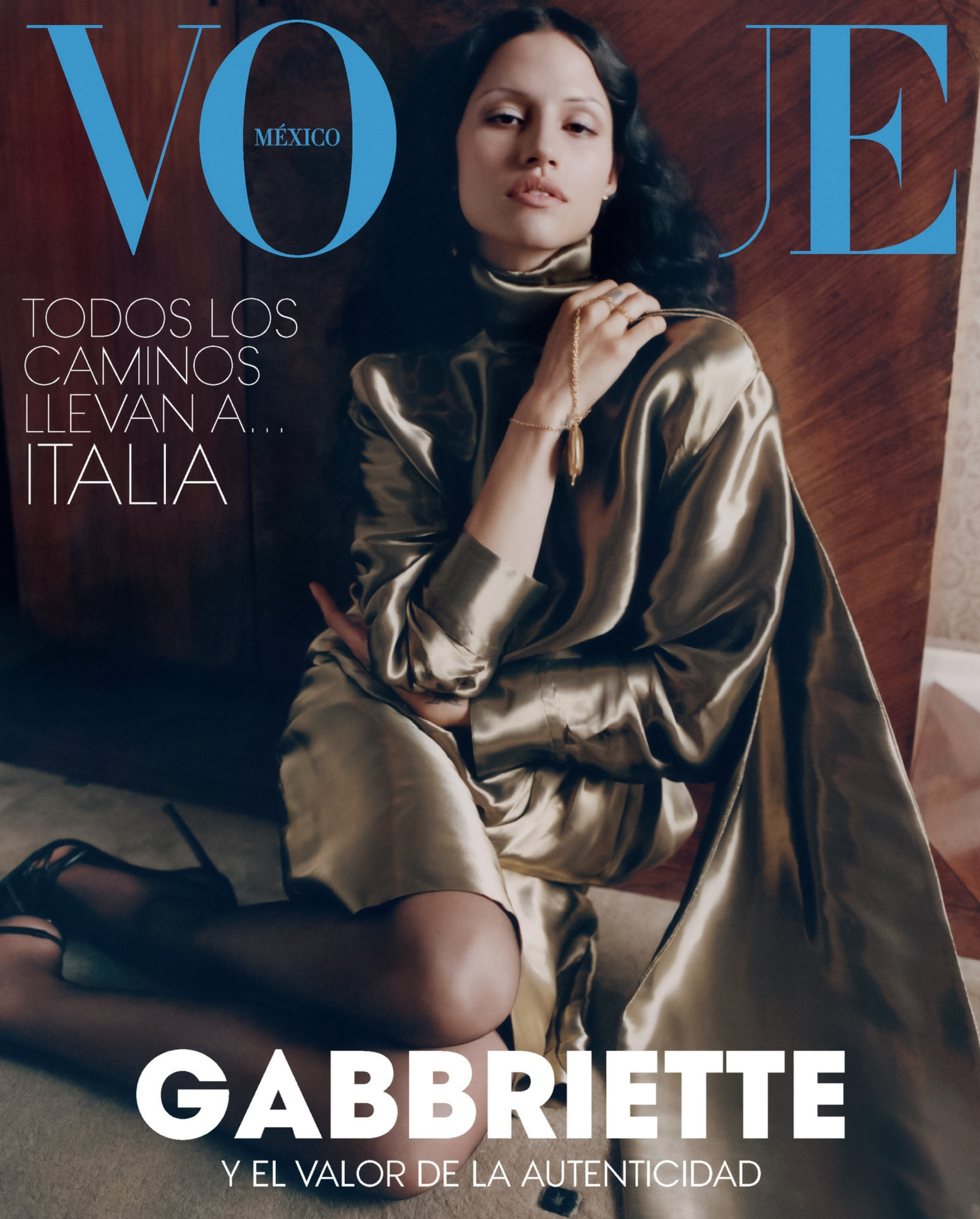
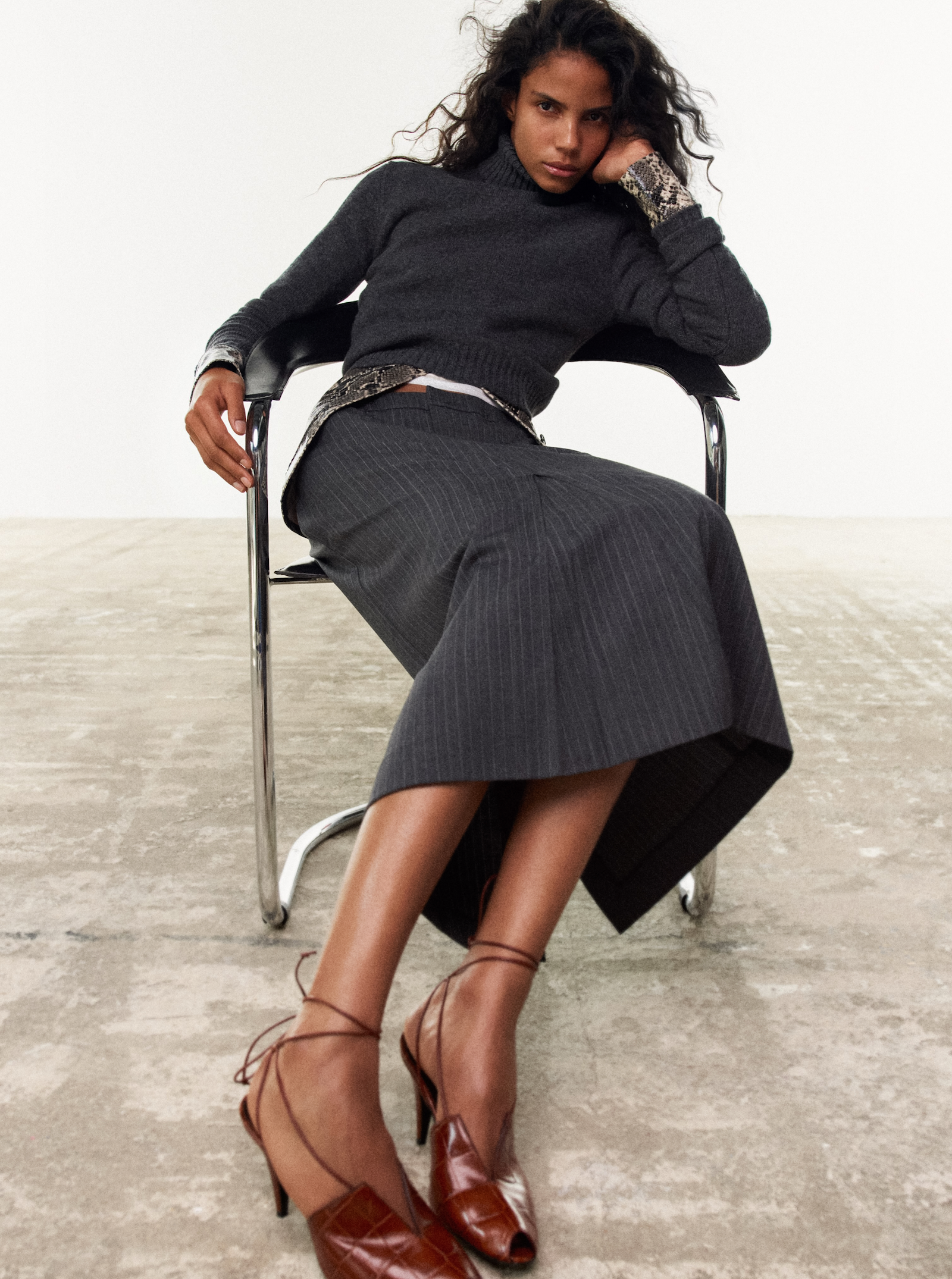
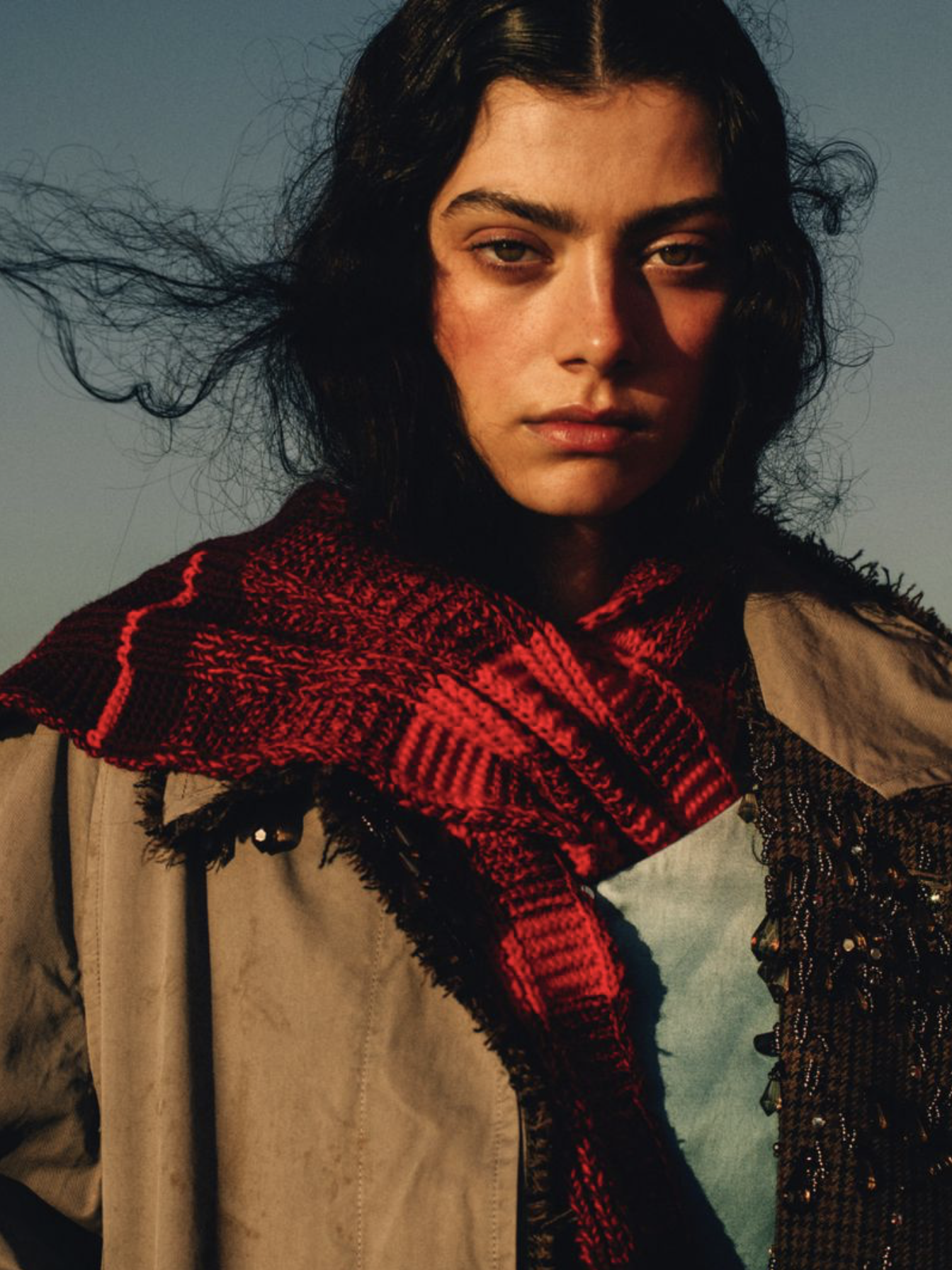
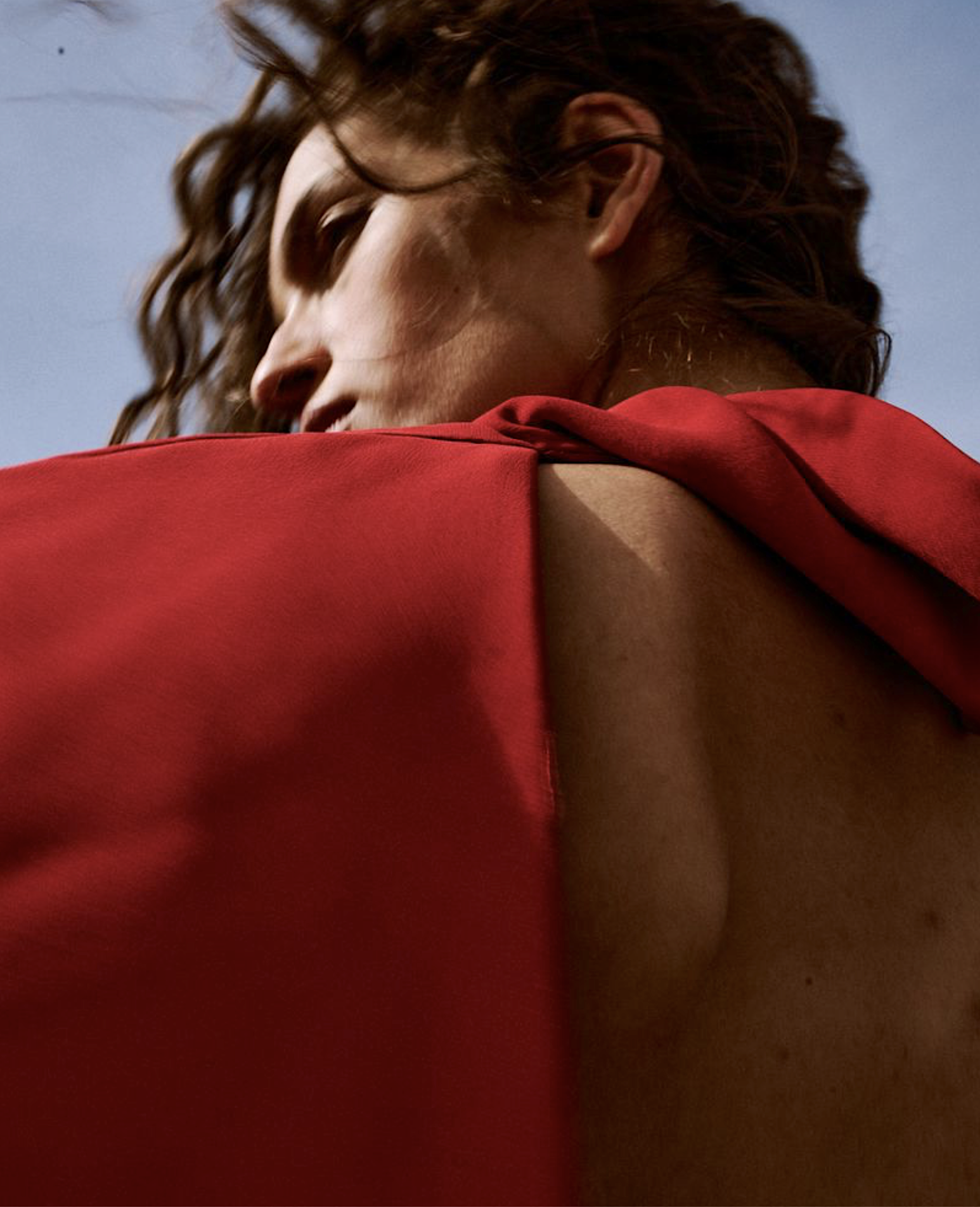
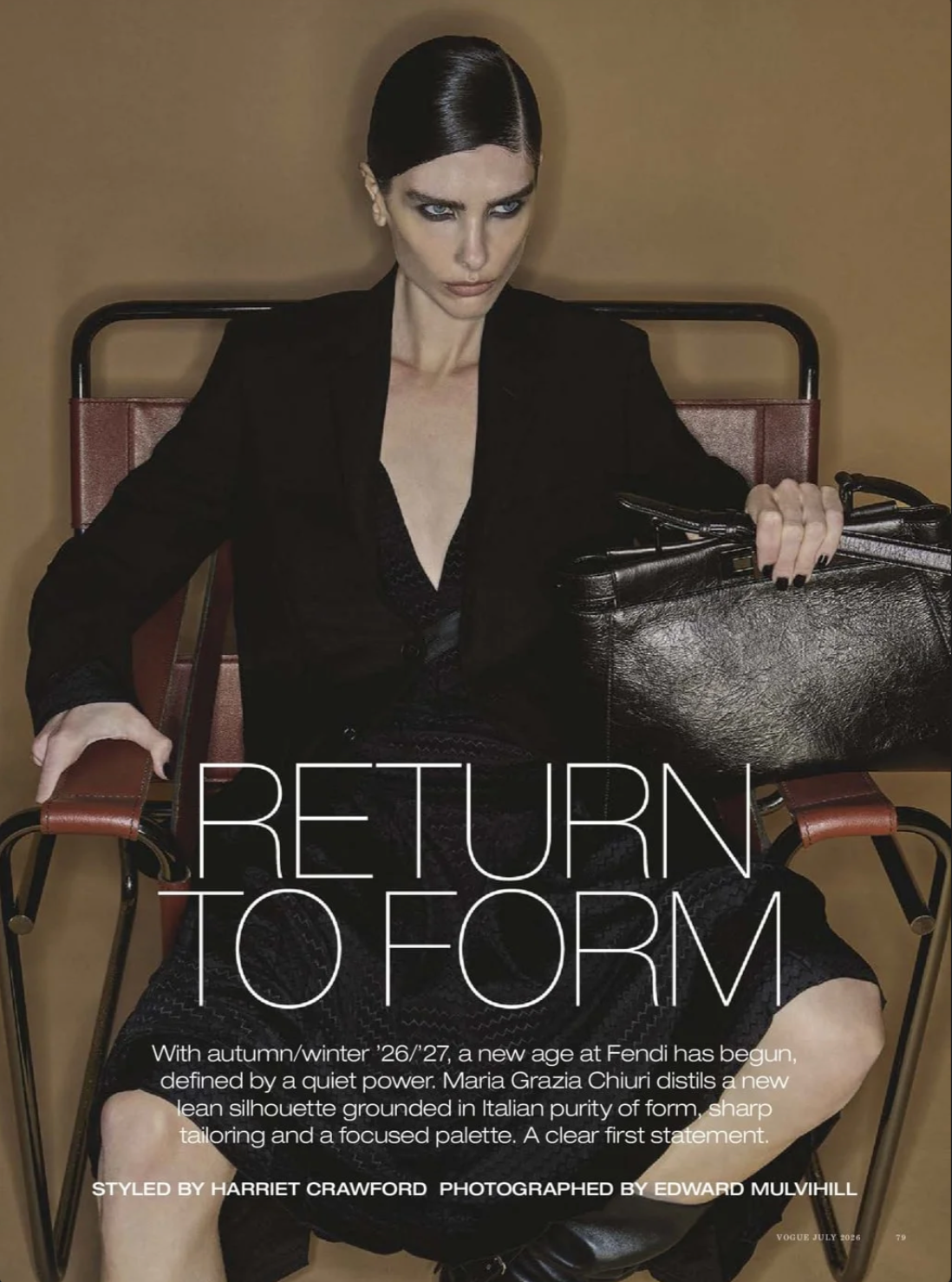
Maria Grazia Chiuri's ‘Return to Form’ Fendi Explained in Vogue Australia
/
Purity of Form in Luxury Fashion
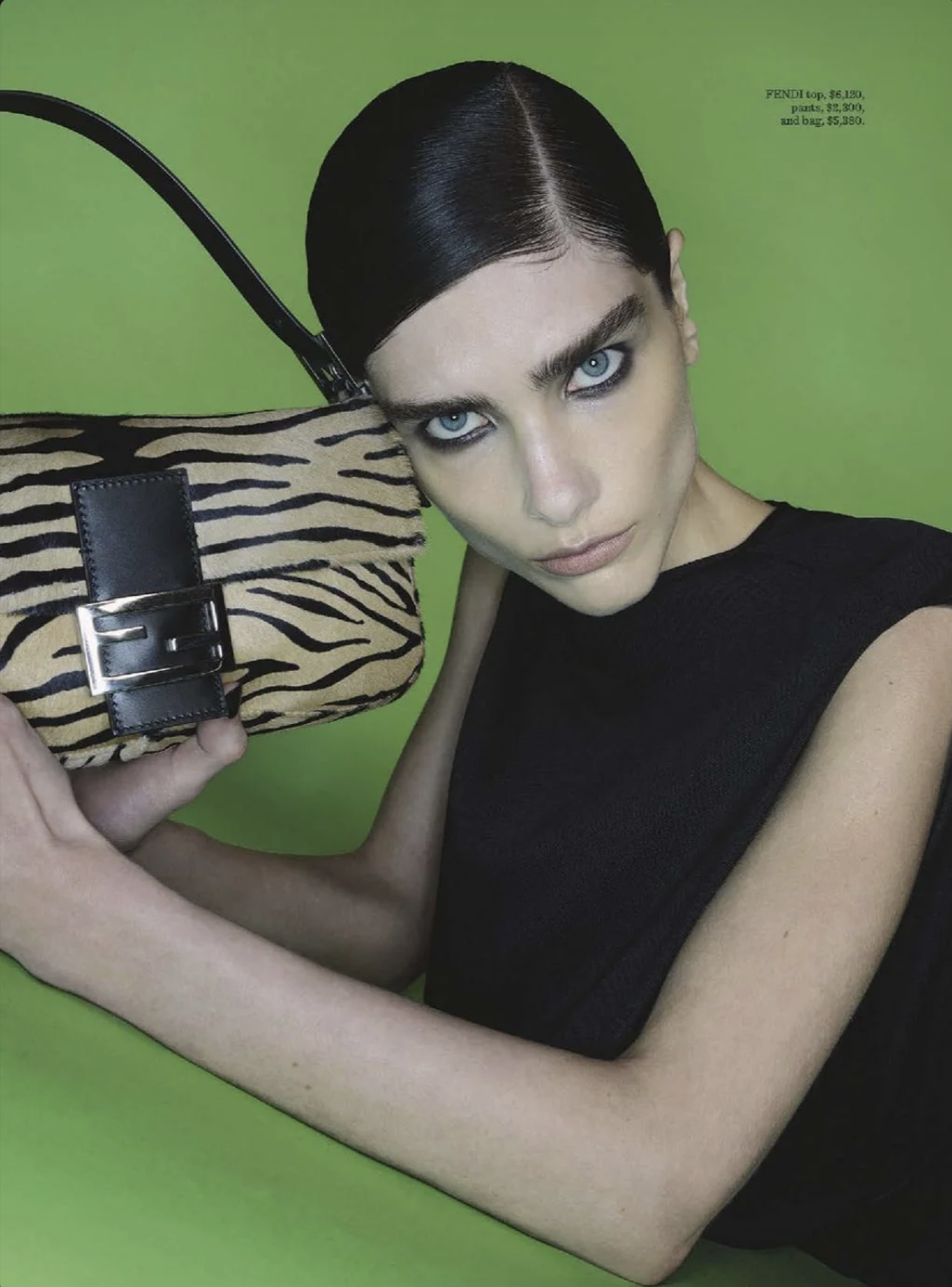
In luxury fashion, the Italian concept of purity of form [purezza delle forme] refers to a design philosophy focused on impeccable tailoring, architectural lines, and the removal of unnecessary ornamentation to let the silhouette and material speak for themselves.
It is the art of achieving maximum visual impact through ultimate restraint. Giorgio Armani is widely considered to be the pioneer of modern Italian minimalism.
Considering ‘purity of form’ enters the fashion dialogue at the same time AOC is deeply immersed in a study of Italian futurism. Setting aside the ideological planks of Italian Futurism — including its deep disdain for women — it seems that these two concepts are connected functionally.
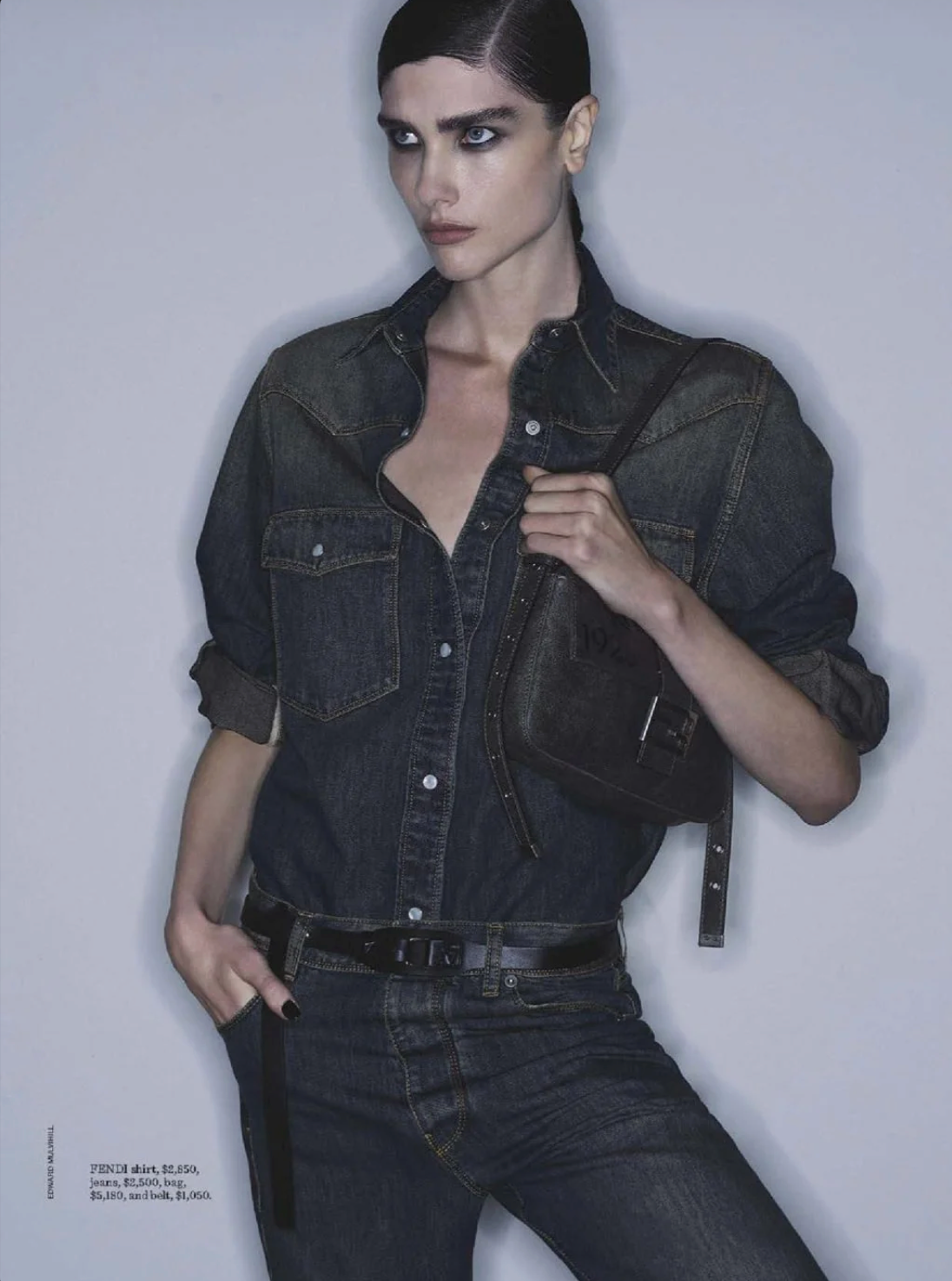
While they seem visually opposite on the surface—Futurism is loud, dynamic and focused on burning down the house, while purity of form is quiet and serene—they are deeply intertwined through their shared obsession with geometry, the rejection of bourgeois decoration, and the search for an authentic modern Italian identity.
Misogyny Is On the Move
I first observed Italian Futurism in action in the Democratic 2016 presidential primary. Responding to the extreme misogyny expressed by the Bernie Bros towards Hillary Clinton in chat groups and publicly onTwitter, it was a rude awakening to then read the Italian Manifesto posted proudly in those groups.
That same deep misogyny reared its ugly head again in the inexplicable hostility towards Maria Grazia Chiuri during her Dior tenure. Her crime was daring to think she could handle the job — and she did — no matter how much Jonathan Anderson complains about the total out-of-control mess he inherited. AOC notes that some of fashion’s most prominent females voices were also against her.
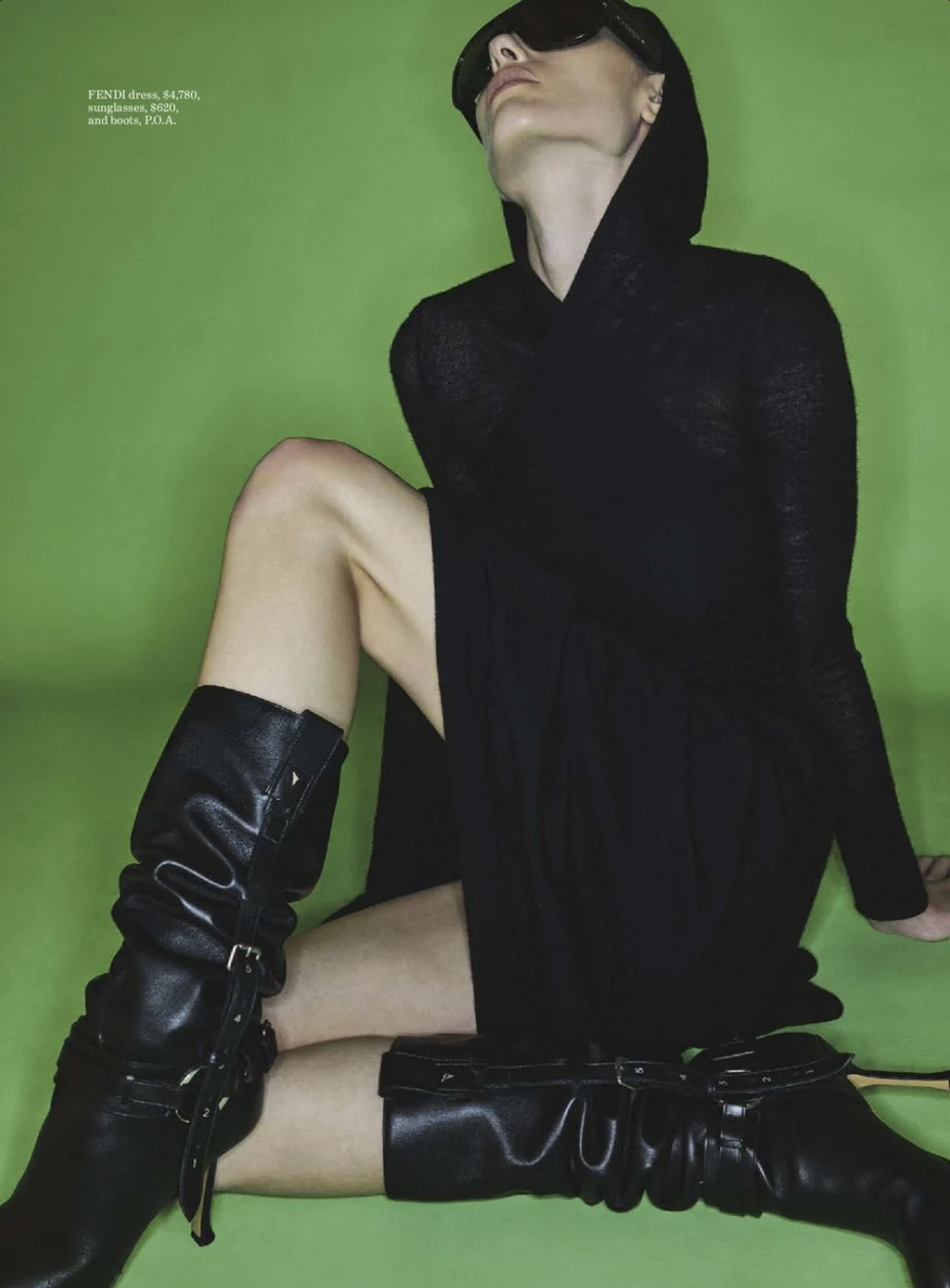
Miuccia Prada’s ‘Ugly Clothes’
Miuccia Prada dealt with the challenge of Italian futurism with her embrace of ‘ugly clothes’. Prada decorations have never approached the complexity and professed beauty of those bowing at Jonathan Anderson’s Dior or Matthieu Blazy’s Chanel.
AOC has been challenged by my mentors to consider the expressed reality that Chiuri’s return to her Roman roots is accompanied by this fervent embrace of pure architectural form as a protective, hyper-refined shield against her critics.
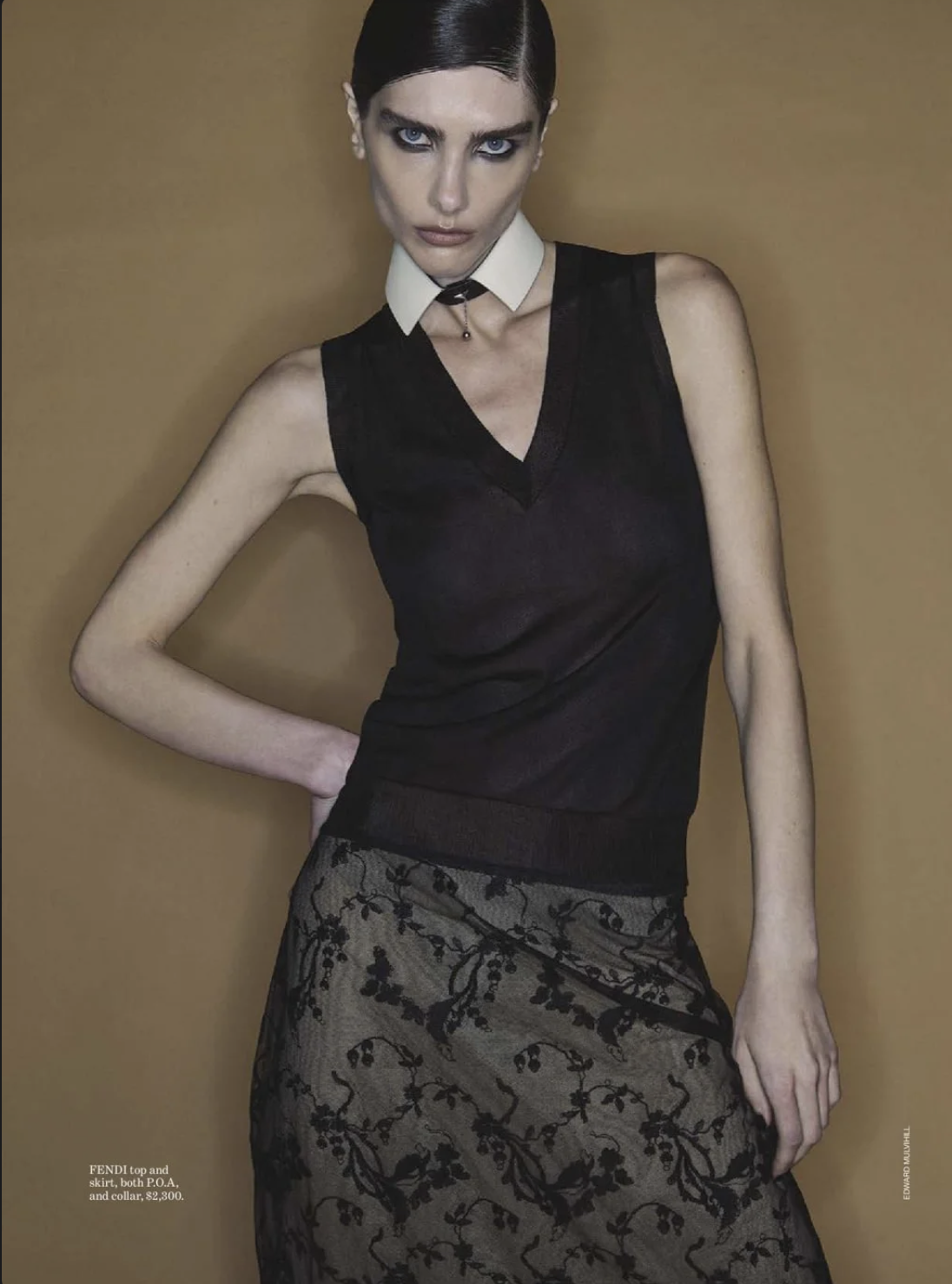
Chiuri’s Quiet Fendi Revenge
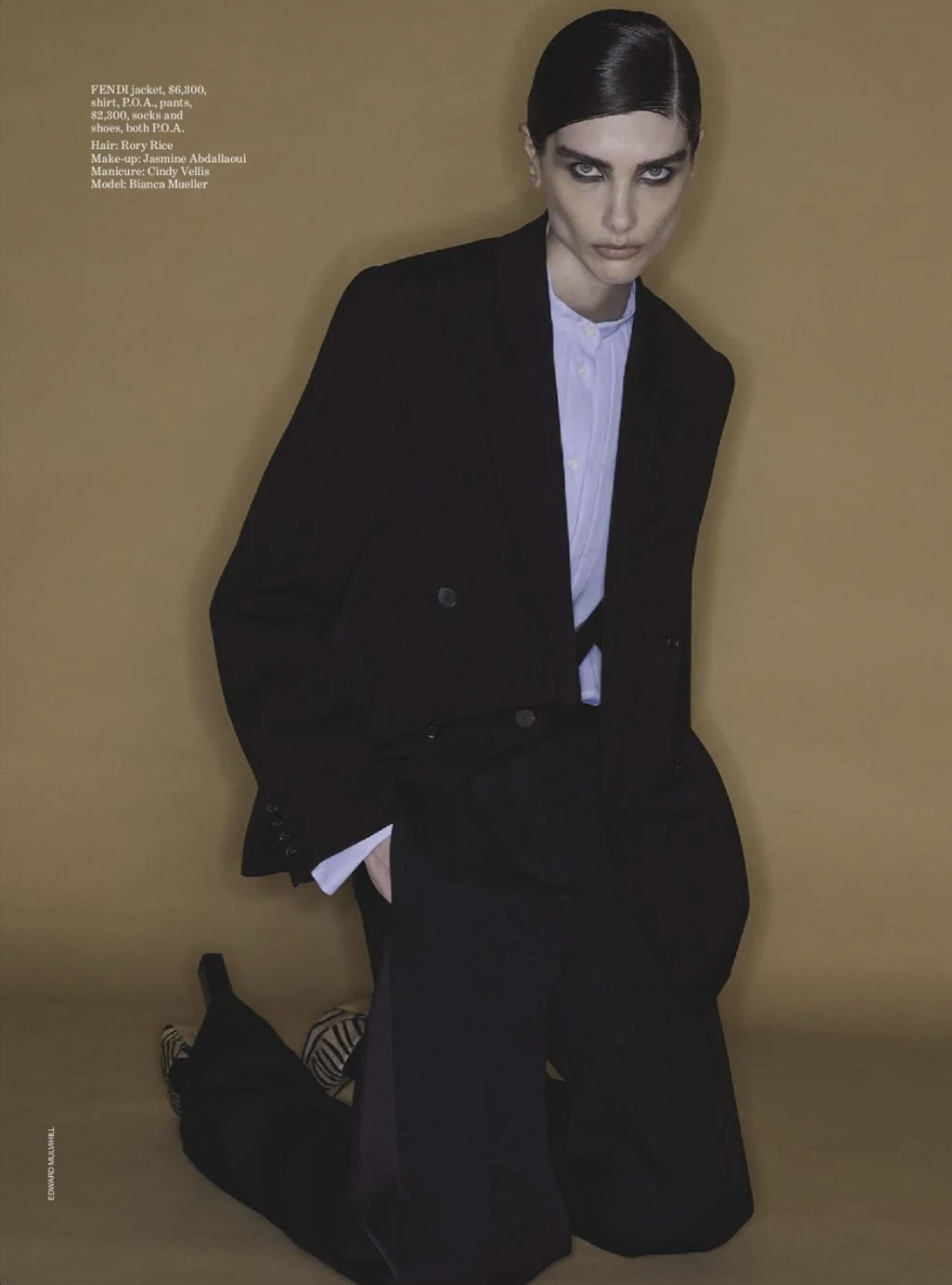
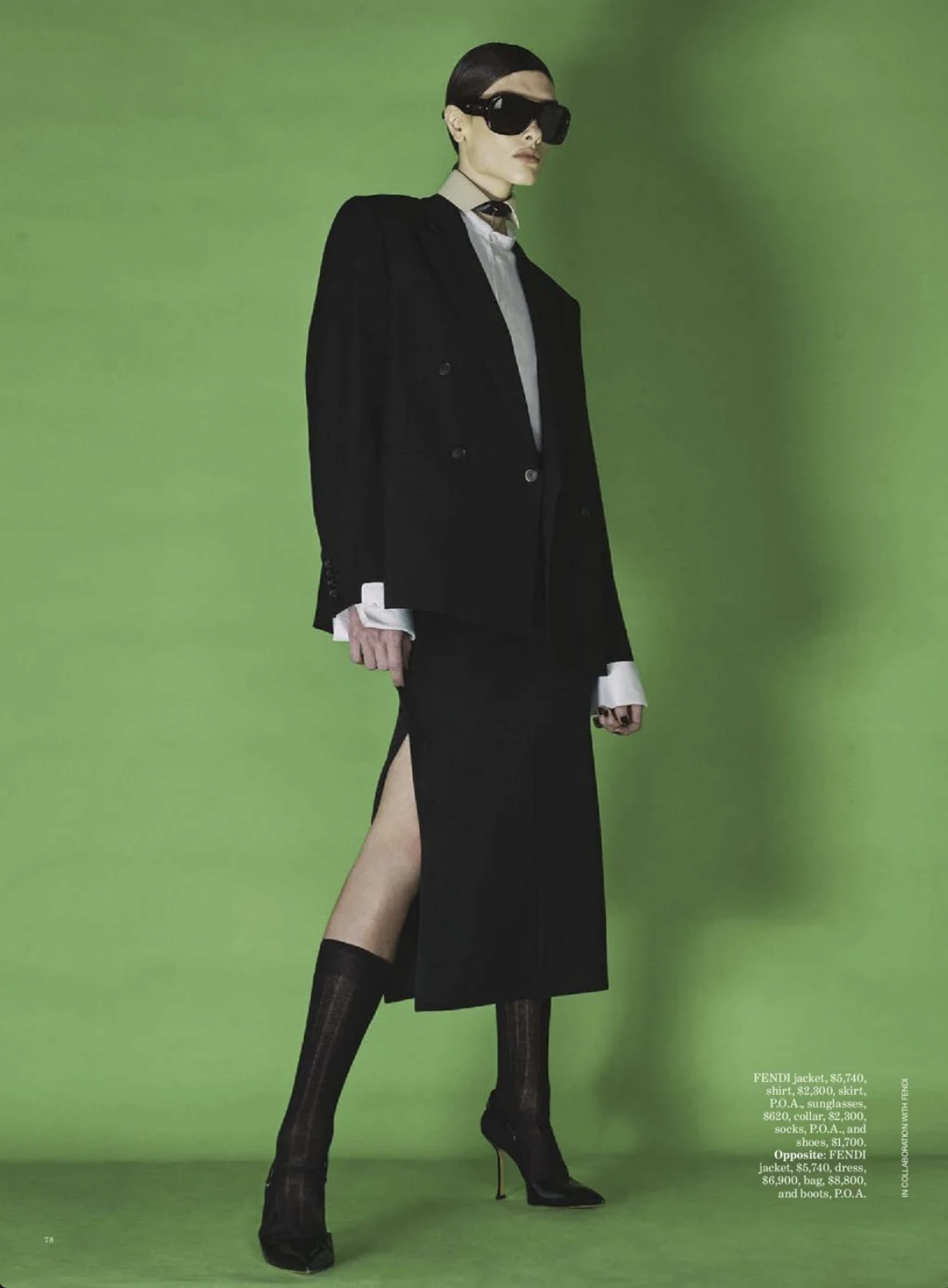
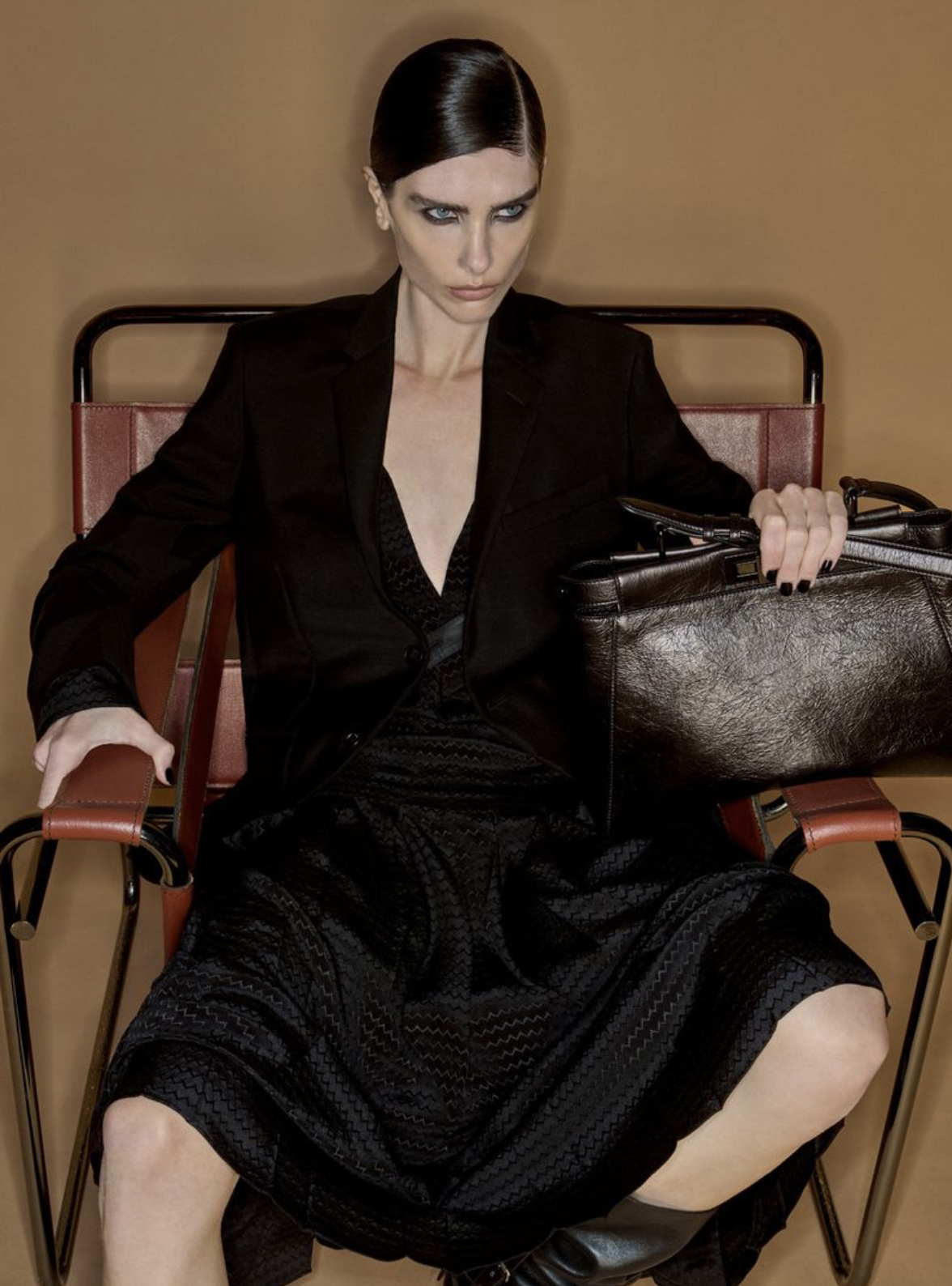
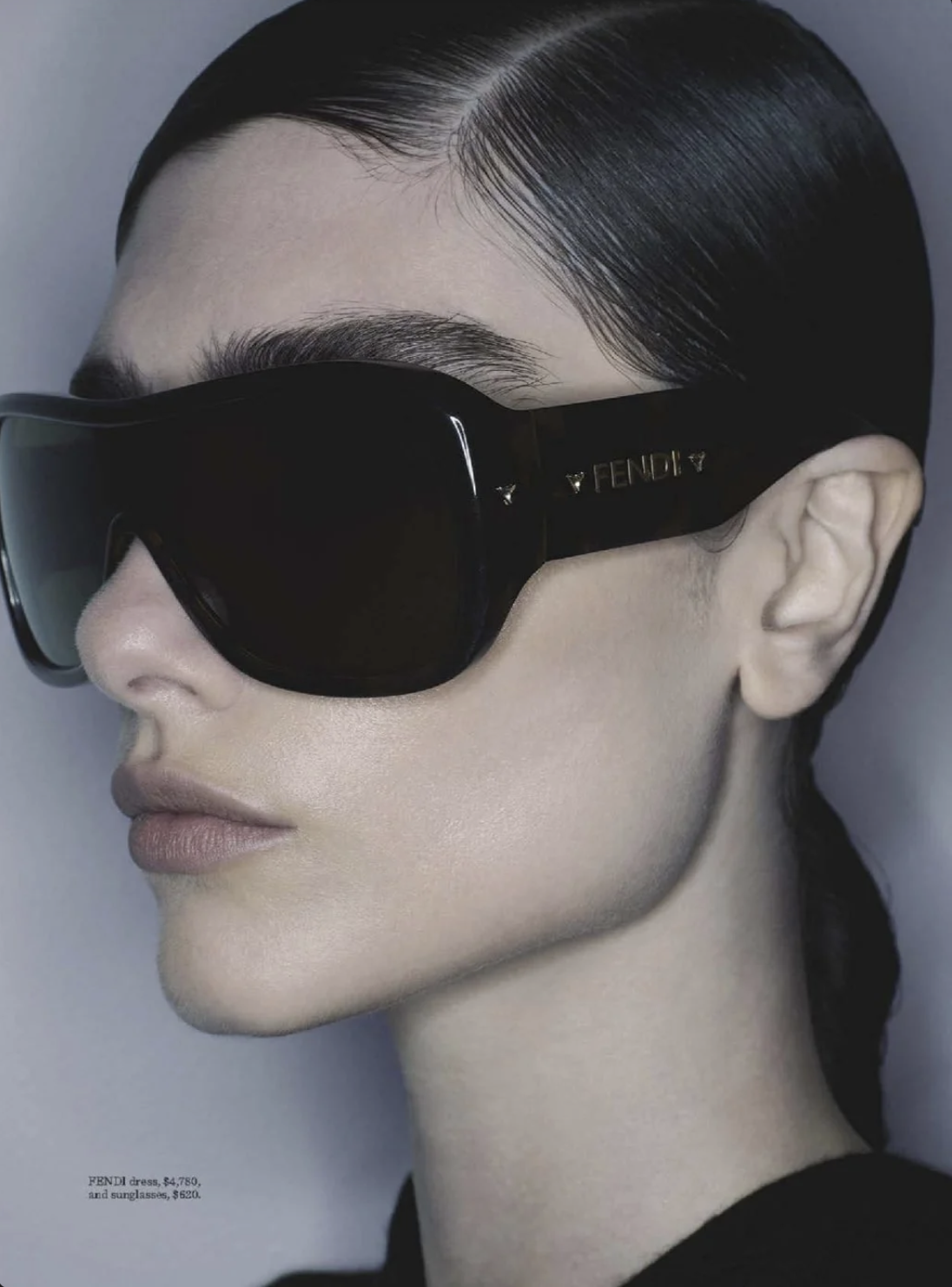
After years of being attacked in the Parisian theater of Dior, Maria Grazia Chiuri has stripped away everything that can be weaponized against her. Chiuri has left the critics with nothing to look at but the flawless, undeniable geometry of Italian construction.
I confirm my agreement with them but argue that it hasn’t shut up the critics, based on our current read of fashion forums and online media. The continued criticism prompts a reality-check generally about Italian futurism and its current influence in white nationalism and far left circles, but also luxury fashion maisons.
The Looming Threat of Civilizationism
At AOC this is an unfolding conversation we are observing and discussing without any preordained conclusions. It’s a big piece of analysis in a much larger puzzle called civilizationism.
In June [2026], China issued a white paper titled ‘More Just and Equitable Global Governance: China’s Principles, Proposals and Actions. It stands as a rebuke of civilizationism and its frequent embrace of Eurocentric identity as the gold standard for human development.
This conflict will absolutely impact the success of luxury brands in China and Southeast Asia. It may not resonate particularly well in America either, where new research from McKinsey and BoF cites the importance of personal values as the #2 item on the checklist of American VIC’s.
Values-Driven American and Chinese VICs
College-educated American women are less likely to embrace Eurocentricism, if it means rejecting the historic importance of Asia, India, Africa and South America. Supporting brands that support our own personal values has never scored higher on research of luxury VICs.
The Chiuri crowd is much more committed to the vision of a larger, more expansive and equitable world as imagined in Xi Jinping’s new white paper outlining China’s proposals for global governance.
Chinese VICs also chose values as #2 consideration in the same McKinsey-BoF study of 2000+ VICs who were also interviewed. Their values were more centered on honoring China’s rich and robust cultural heritage, and presumably the major planks of China’s newly-issued white paper on global governance.
We Are Not Communists
The word ‘communists’ is already being thrown by the Trump administration at more liberal American women like those in the Chiuri crowd. We can take it.
China’s response to this new embrace of Eurocentricism will become a cornerstone of AOC’s New Humanism channel. Our role is to articulate the facts of history generally, with a particular emphasis on the Silk Road traders.
Because China is now second only to America in reading Anne of Carversville, with China’s friends of this maison exceeding all of Europe’s combined, it seems like a critical priority that we educate readers that the global commerce of Silk Road traders did not begin in Venice.
The truth of the story is that the Silk Road trading system ended in Venice; and it began in China.
The facts of life on the Silk Road demanded that people who did not speak the same language or believe in the same gods find a way to work together for their common prosperity.
The Silk Road history documents a trust in humans who represent ‘the other’ in today’s American politics. When your wellbeing and survival and that of your family is central to your life of caravans on land and sea, creating trust among strangers is central to the mission.
Because I’ve always been a trader in one form or another, it’s fitting that AOC should narrate these very human stories of shared business success across borders.
As one of my mentors said this weekend: “Anne, honey, when they rolled out your passport history in Asia to check you out before opening the door, it was a big wow.”