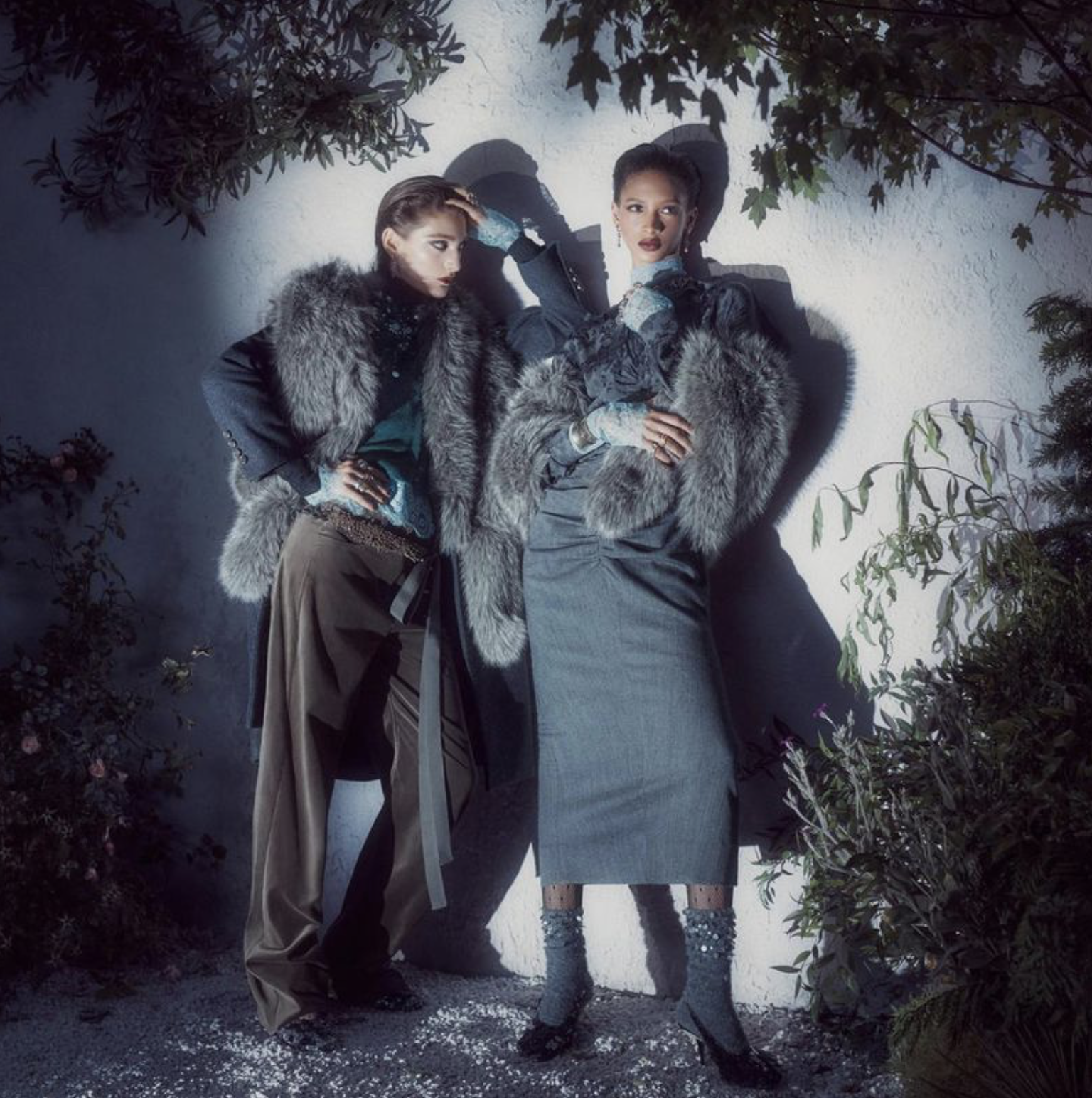
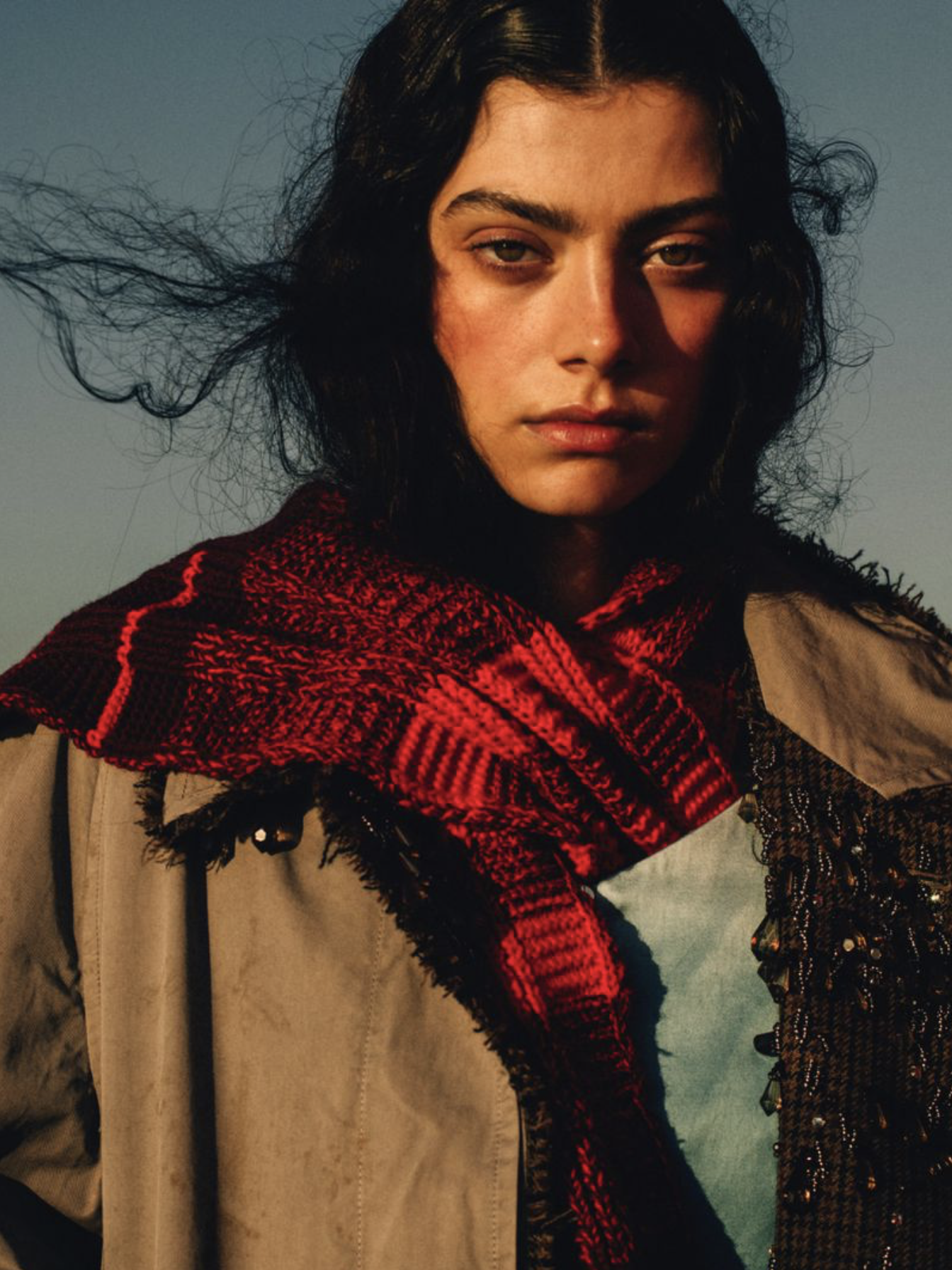
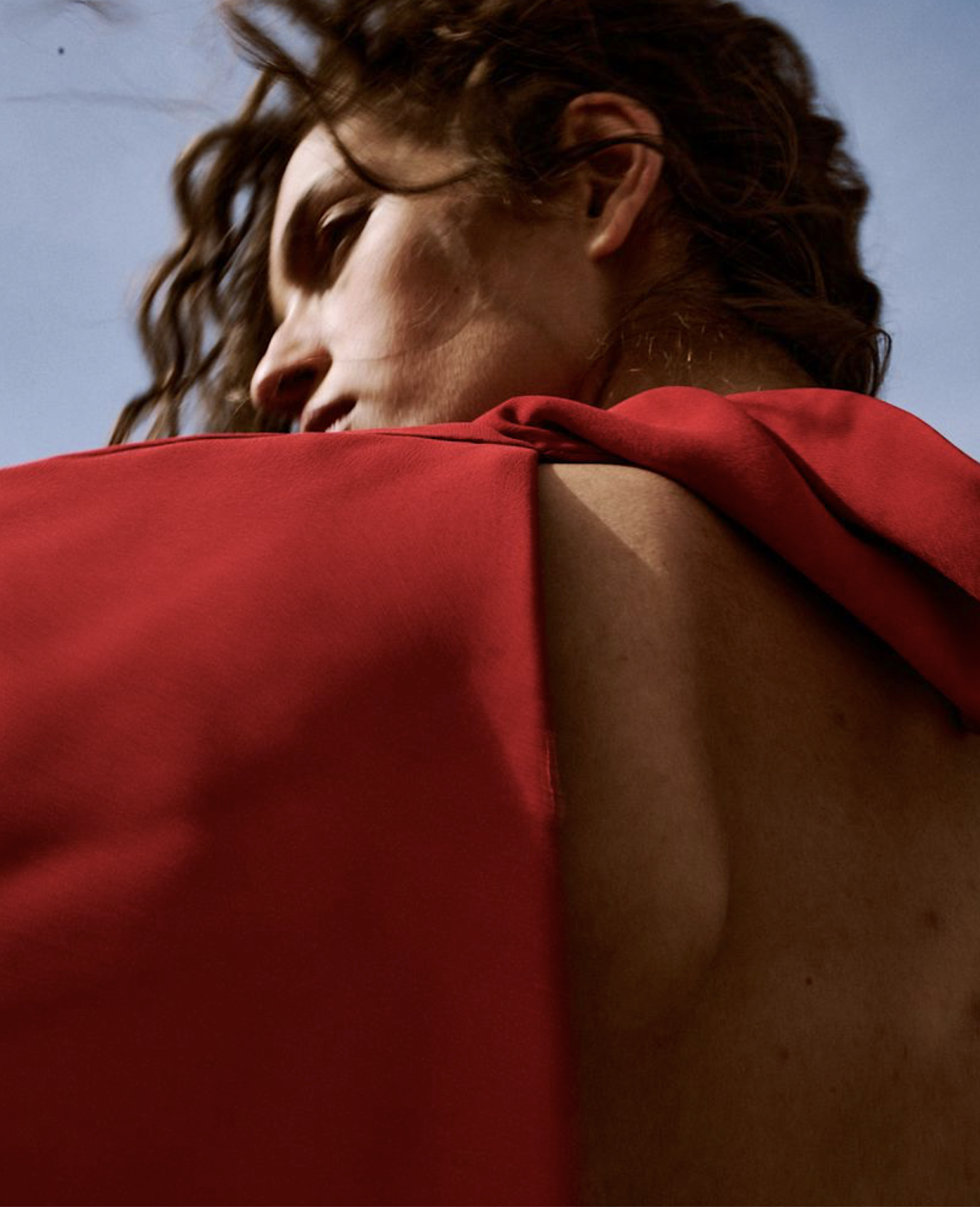
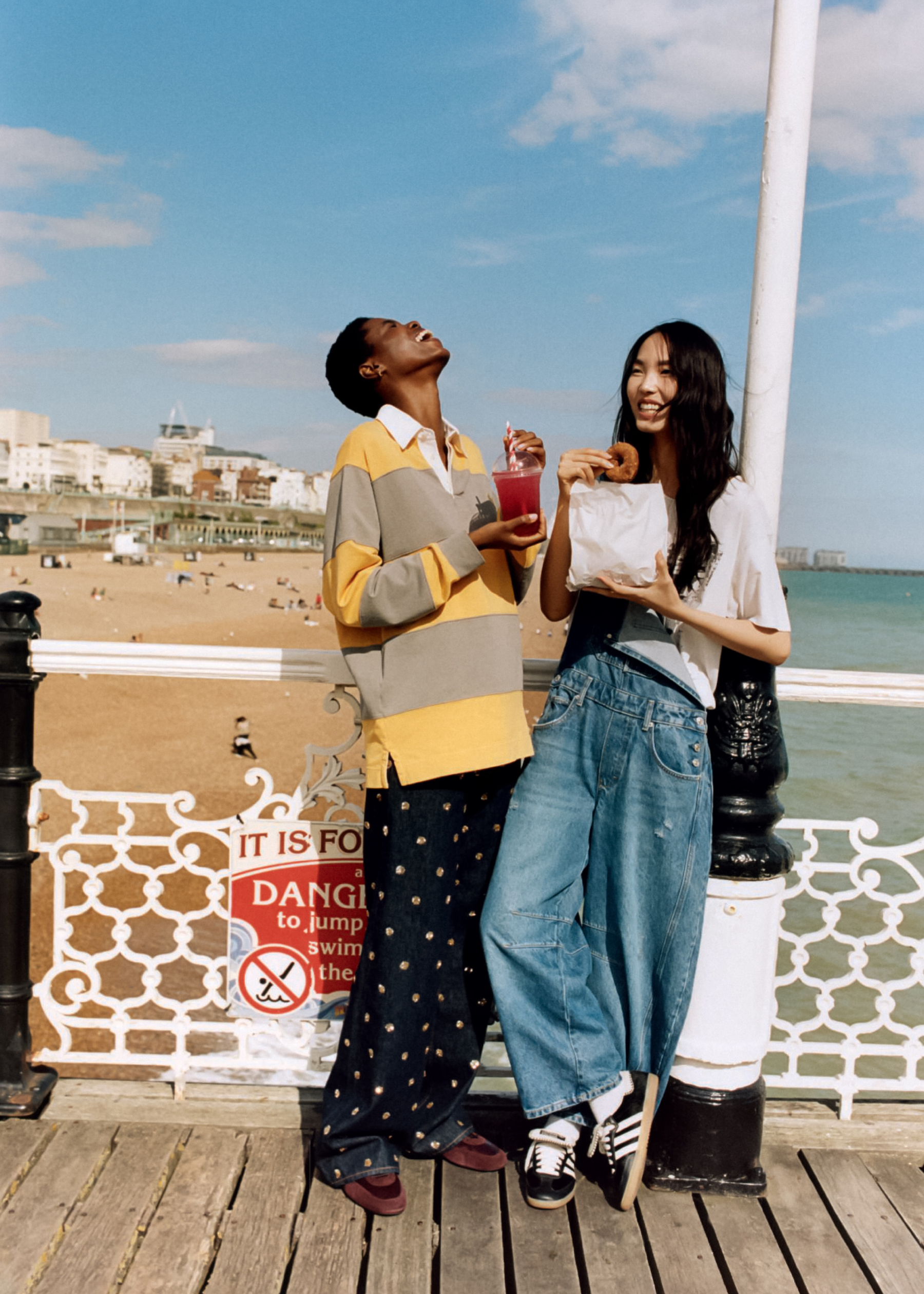
'Giverny at Night' Dior Autumn Winter 2026-2027 Collection by Tanya & Zhenya Posternak
/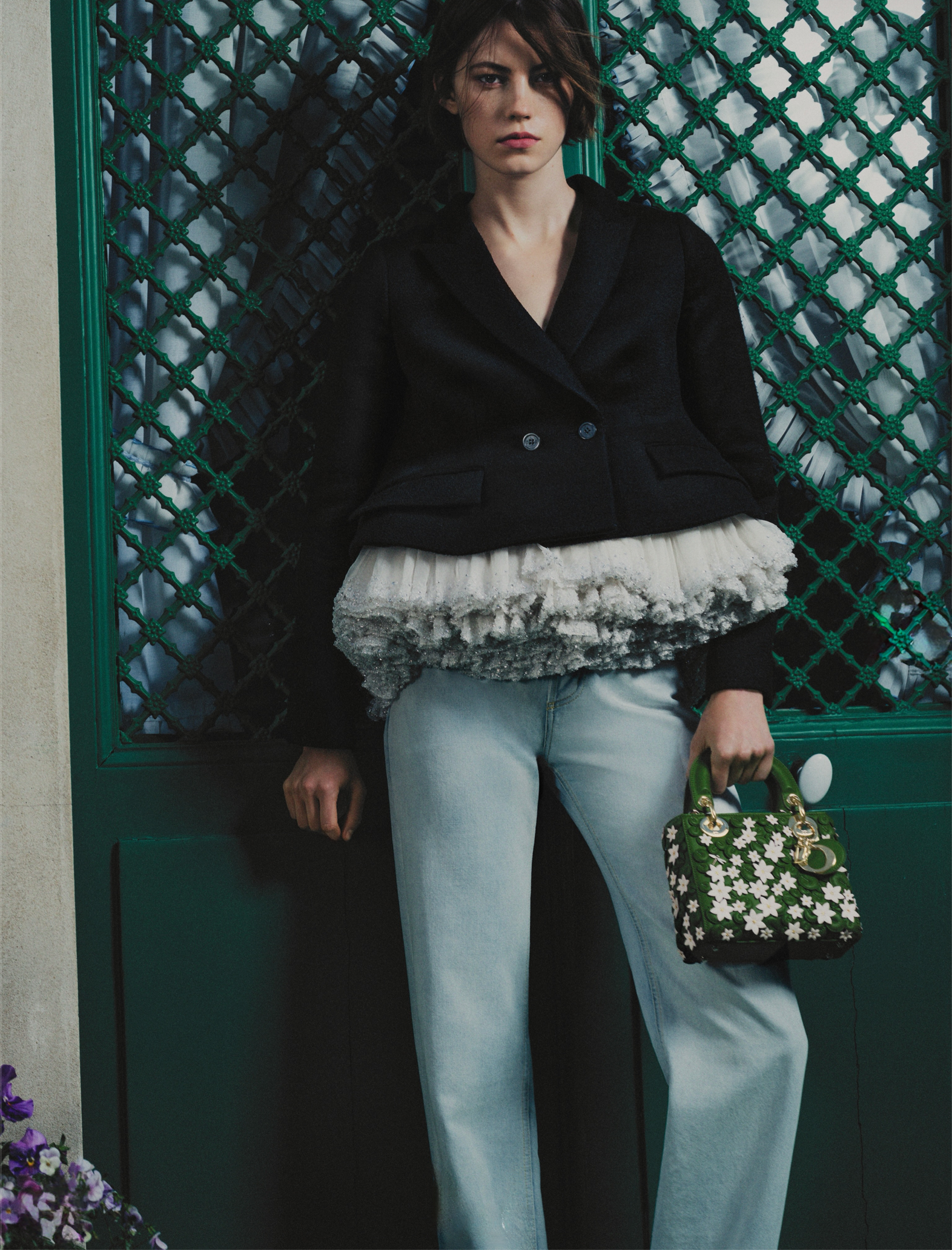
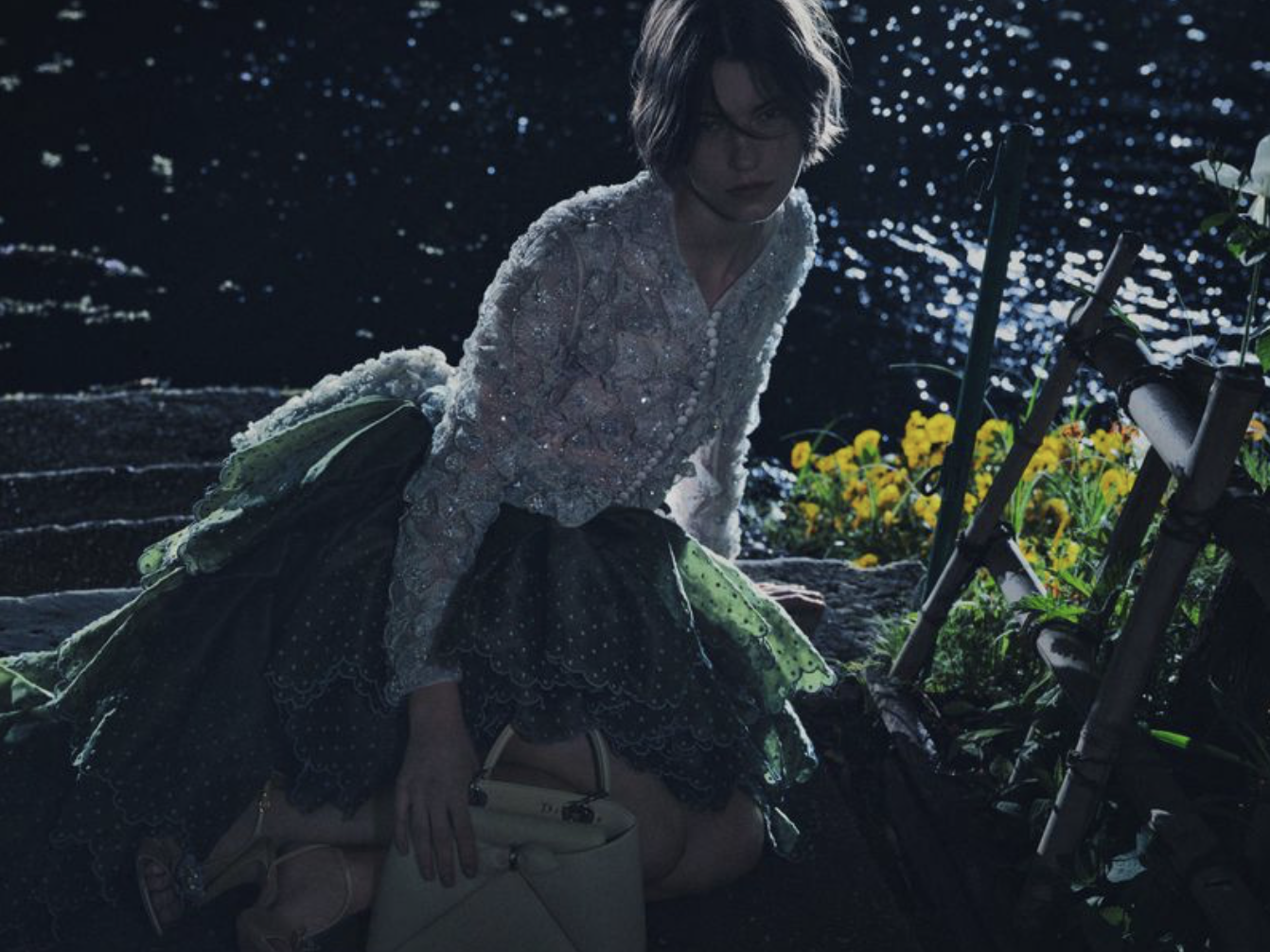
There is no explicit historical record confirming that Christian Dior ever visited Claude Monet’s house and gardens at Giverny. However, Dior was deeply enamored by Impressionist art and the parallels between his and Monet's artistic philosophies are well-documented.
The designer famously designed haute couture dresses directly inspired by the painter, such as translating Monet's The Artist's Garden at Giverny into an iconic 1952 gown covered in cascading chiffon petals.
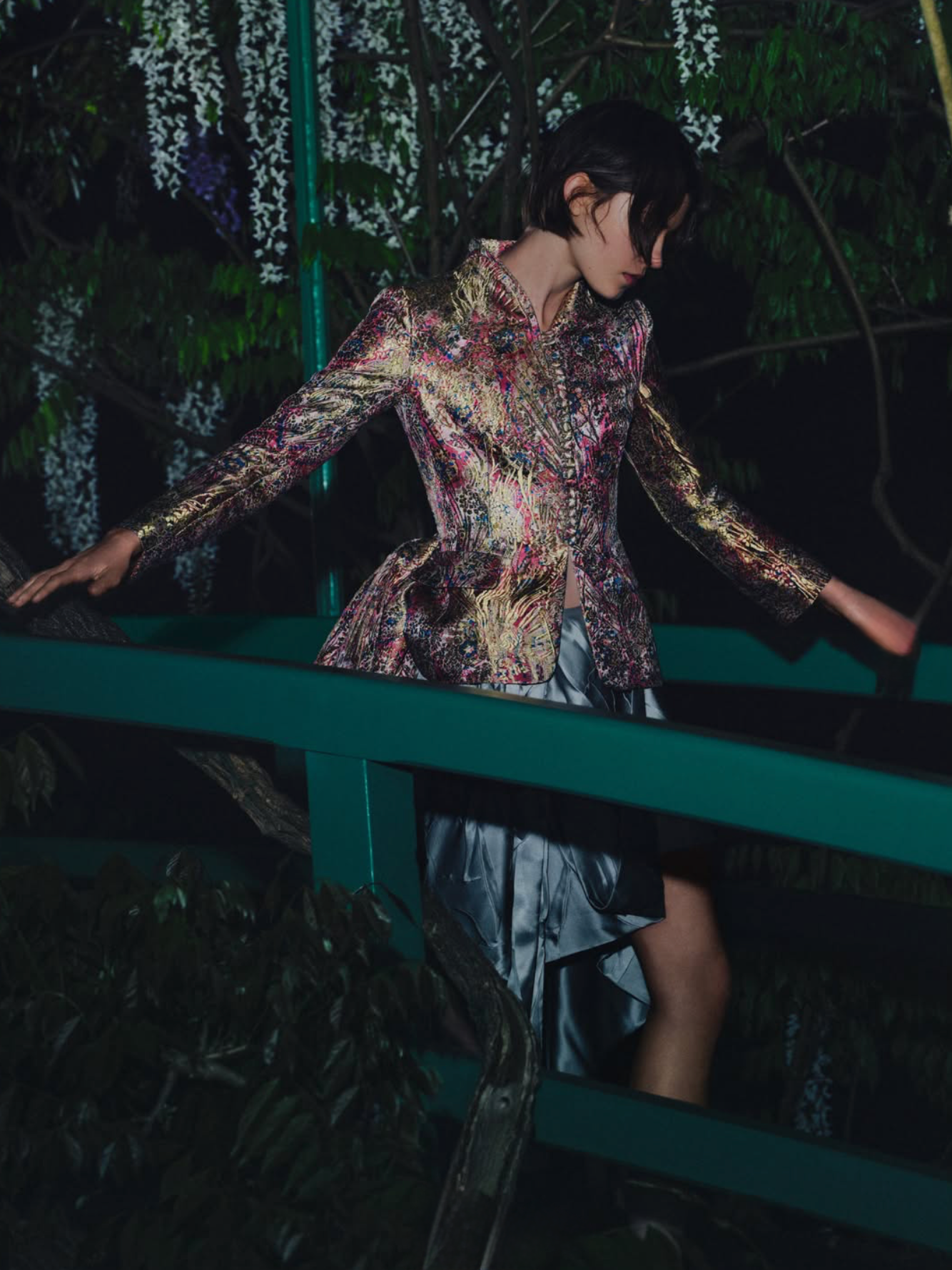
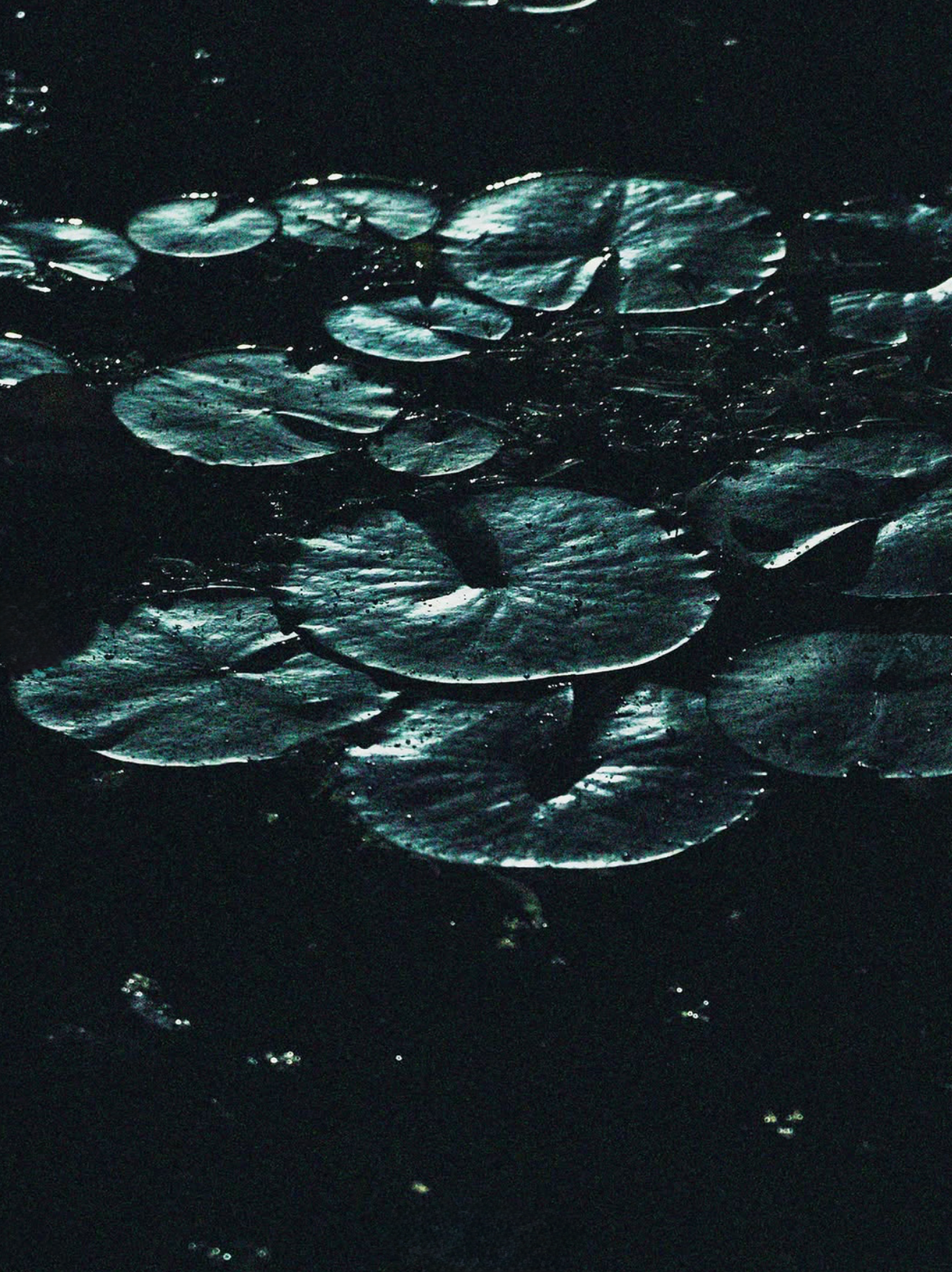
The Latour-Marliac Jeweled Water Lilies
It must be said that there are treasures of information in the details of both fashion shows and many fashion editorials. I did not know about the history of the Latour-Marliac jeweled water lilies, in spite of the fact that I’ve visited Monet’s water lily paintings around the world and also Giverny several times.
Before Georges Latour-Marliac figured out how to hybridize colorful tropical water lilies with hardy European ones in the late 19th century, European water lilies only came in white.
When Monet saw Latour-Marliac's colored lilies at the 1889 Paris World’s Fair, he was so besotted by them that he ordered them immediately for his new pond at Giverny—meaning the nursery literally provided the color palette for the paintings we know today.
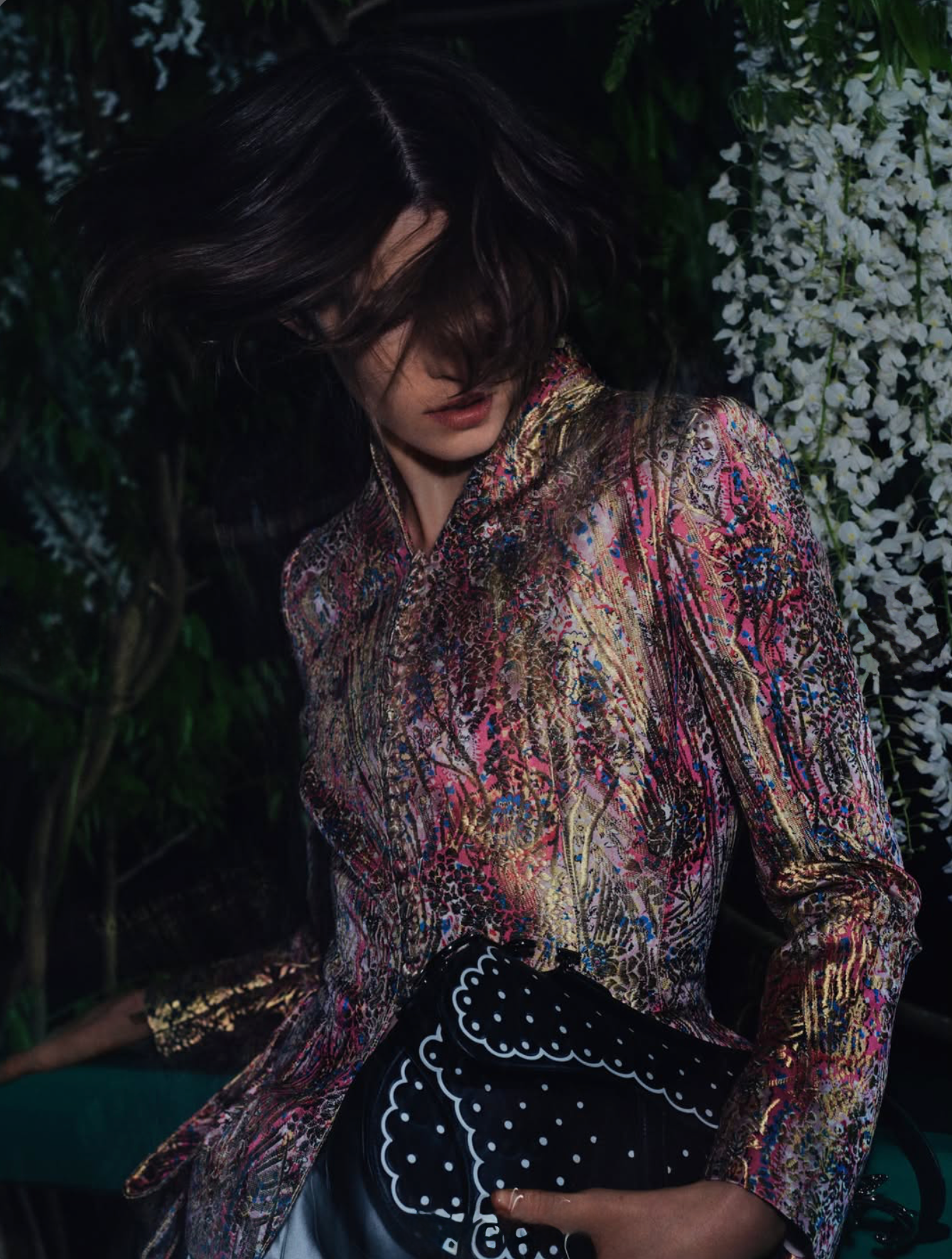
Seeing Christian Dior bring that specific nursery back into the narrative for the collection is a beautiful full-circle moment captured by these images. Latour-Marliac designed artificial water lilies, which floated in the Tuileries pond below the greenhouse-inspired runway, just a stone’s throw from the Nymphéas on display at l’Orangerie.
It was beastly hot in Paris on March 3, 2026, and I actually returned to Vogue Runway to see if I had just missed all these smallish details of the Dior show. Not really. Sarah Mower didn’t mention any of them either, quoting Anderson: “It’s a promenade, the idea of people dressing up to walk in the park,” he said.
I remember that pontificating interview, when lying fallow were all these seeds of info beauty he had collected in this season’s curio cabinet — the small but so touching little stories waiting to be told. An important act of fashion diplomacy was in his hands.
Once I become wrapped up in a story, the clock sheds major time quickly. Still, I cannot resist one more excursion into the Dior — Monet connection, and this one is a doozy, shedding a new light onto Claude Monet.
The painter expressed a profound sense of guilt and shame that he was making art, while World War 1 was raging around him.
In a letter from 1914, while working on his famous Water Lilies series at his home in Giverny, Monet wrote:
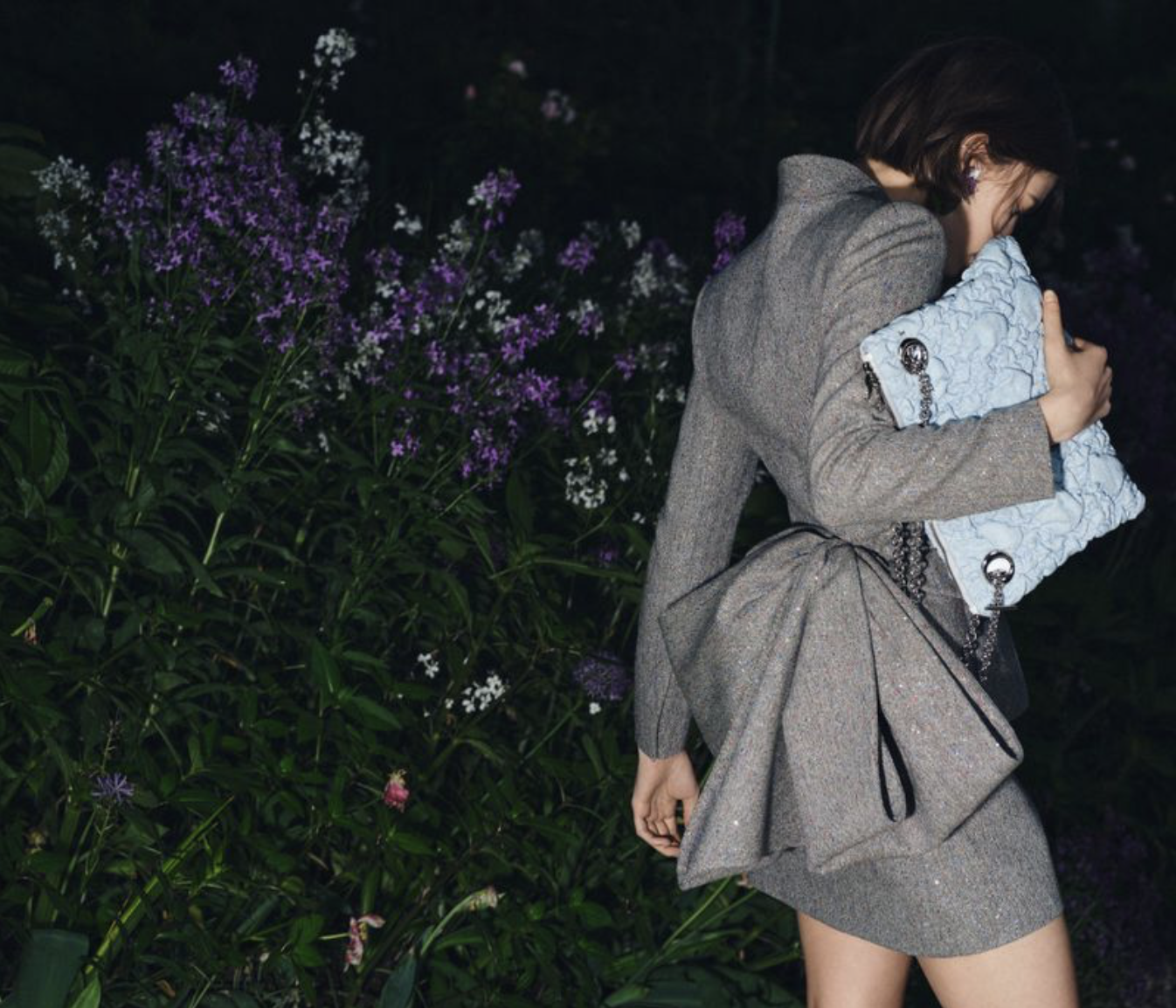
“Yesterday I resumed work. It’s the best way to avoid thinking of these sad times. All the same, I feel ashamed to think about my little researches into form and colour while so many people are suffering and dying...” ~ Claude Monet
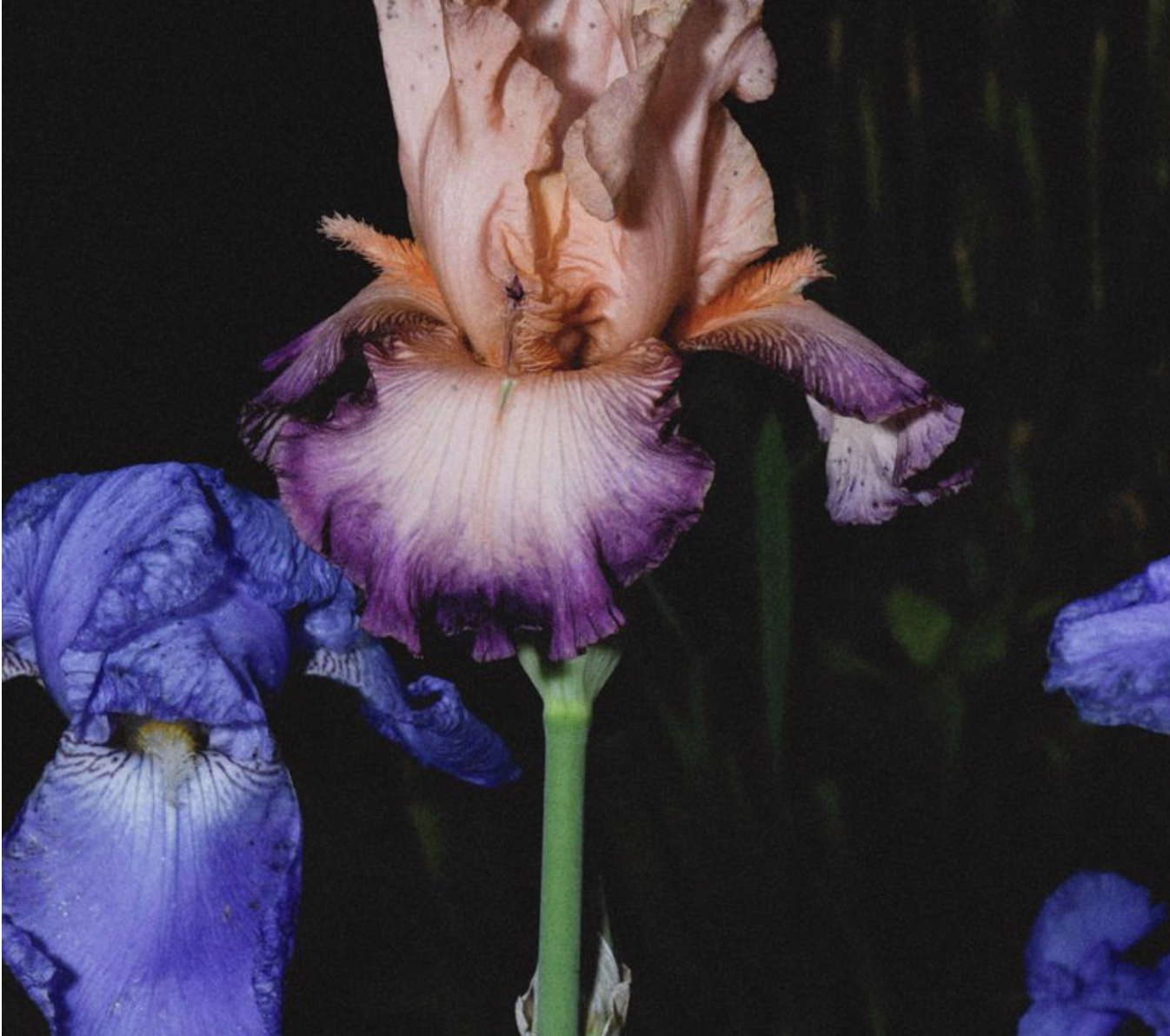
From Guilt Came Monet’s Gift to France
Monet eventually decided to create a grand series of his water lily paintings as a donation to France to memorialize the end of World War I in 1918, intending them as a symbol of peace and beauty in contrast to the brutality of the conflict.
It’s these paintings that are housed in the Musée de l’Orangerie in Paris, displayed in two oval rooms designed specifically for them to create an immersive experience of peace and contemplation. They were waiting as a quiet chorus, eager to join Anderson’s festivities, but still out of reach of the Christian Dior Autumn-Winter 2026/2027 fashion show.
This has been my relationship with Monet’s water lily paintings for decades. Deliberately seeking them out in New York City in ‘off’ hours, so that I might sit with them in quietude. I had a similar relationship with them in Paris.
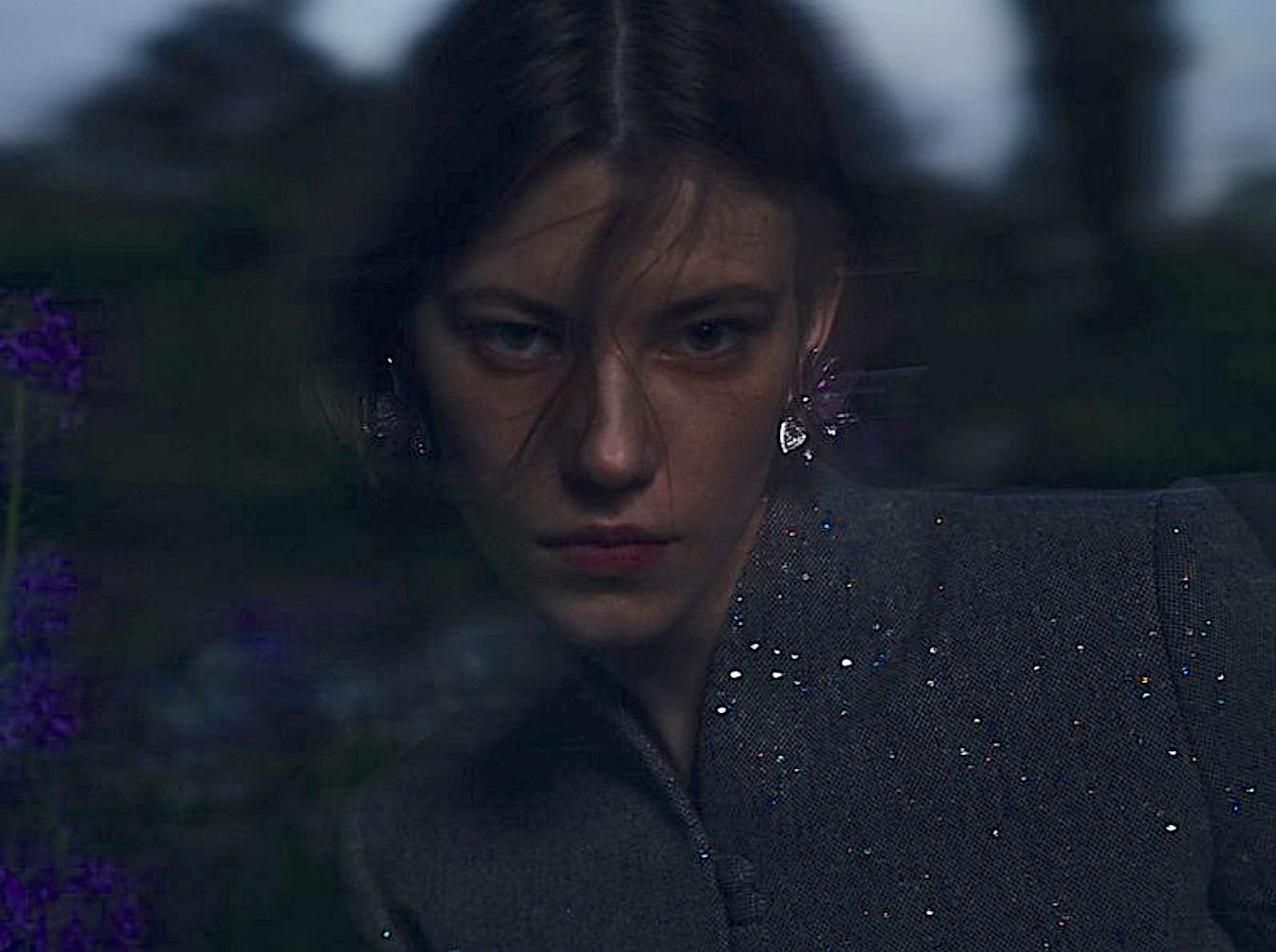
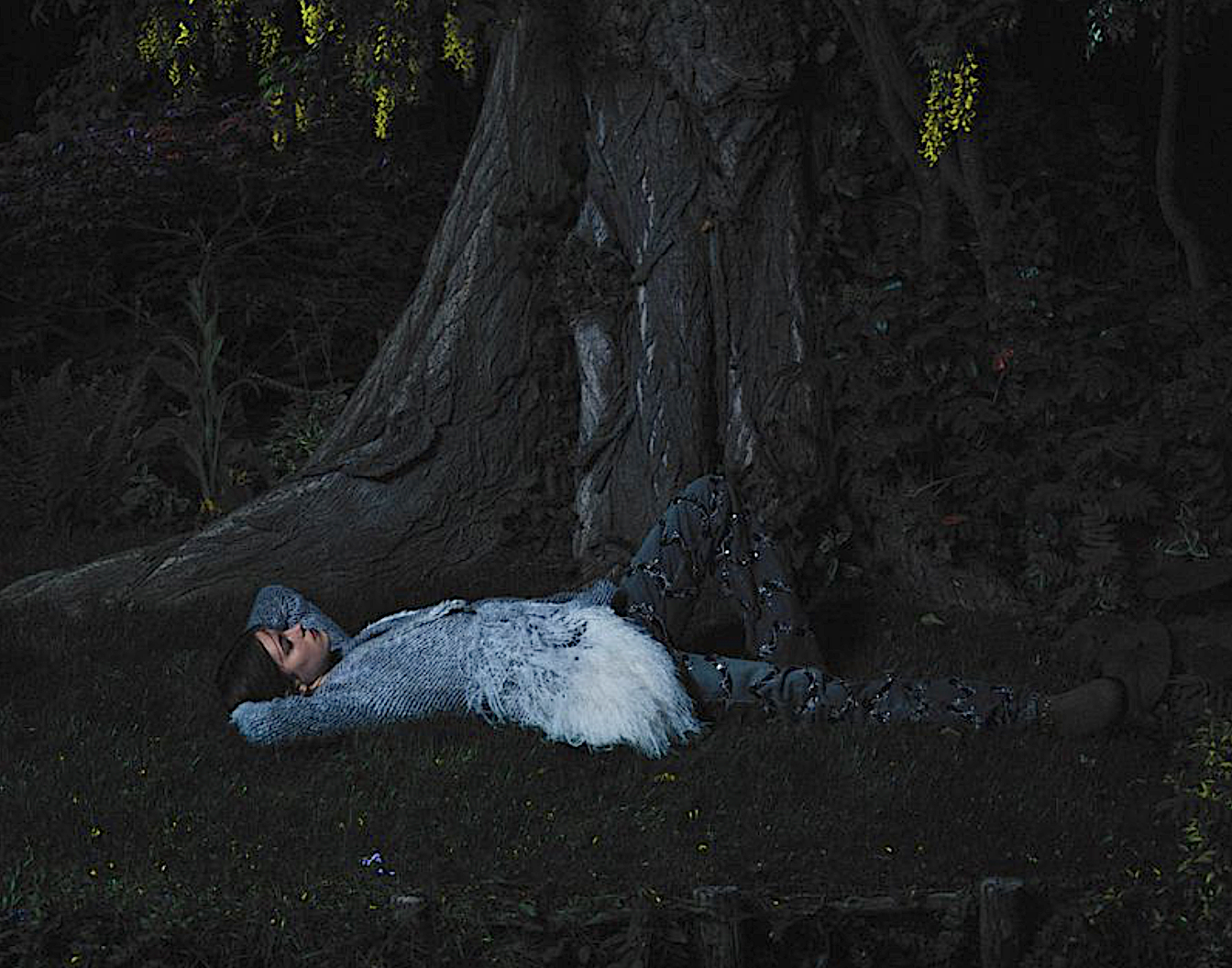
Monsieur Dior’s Love of Women-Flowers
In 2020, British Vogue focused on Christian Dior’s relationship with flowers — or “women-flowers”, as the designer called them. “These shapes were influenced not just by an accentuated female form, but by botanical anatomy".
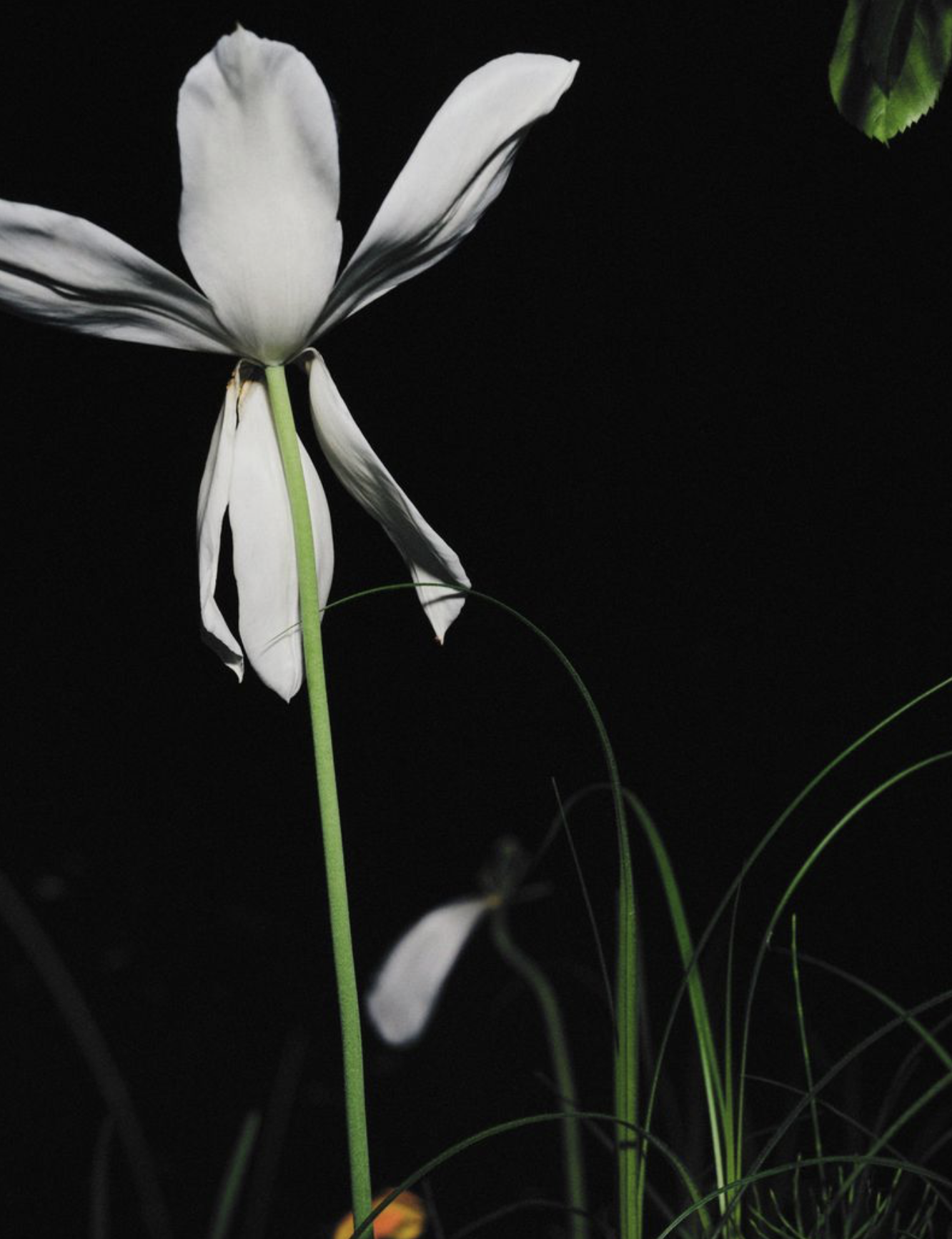
The corolla is the tube formed by the petals at the base of a flower – and it became a source of inspiration for the designs and the ideal body that could wear the clothes inspired by this classic form of biomimicry.
Dior, who embraced his mother’s love of gardening as a young boy, was described by British Vogue as racing “to meet the postman delivering seed catalogues from the seed company Vilmorin-Andrieux, just so he could pore over their tempting pages.”
That is indeed a charming vision of Christian Dior. I share his love of flowers, with a passion that transcends a mere deep appreciation of lush blooms. It is emotional and deeply psychological. Tanya + Zhenya Posternak have gifted us with treasured memories tonight. Thank you. ~ Anne