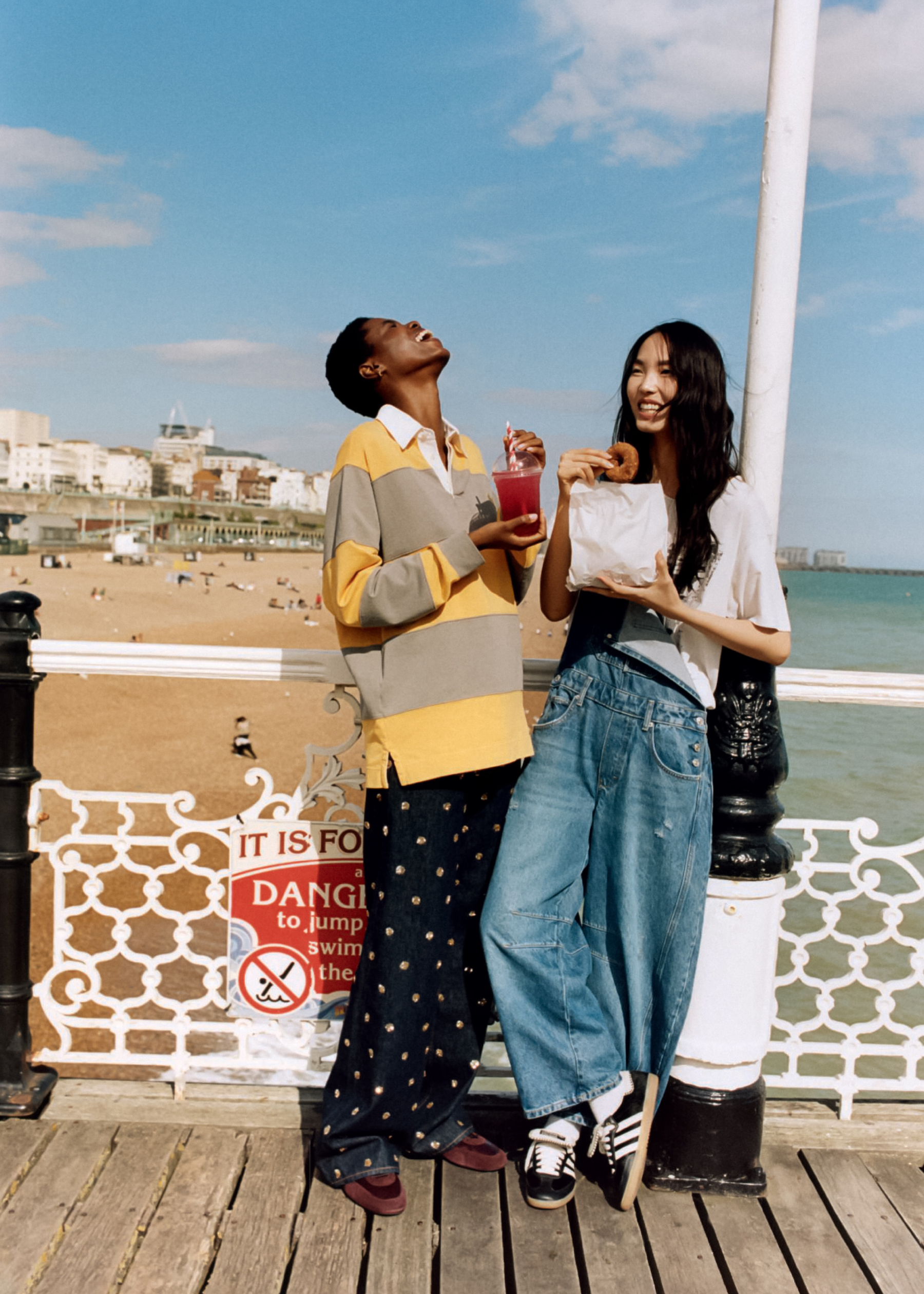
Zara Studio Collection A/W 2026 Campaign Stresses Individuality in Styling Oneself
/
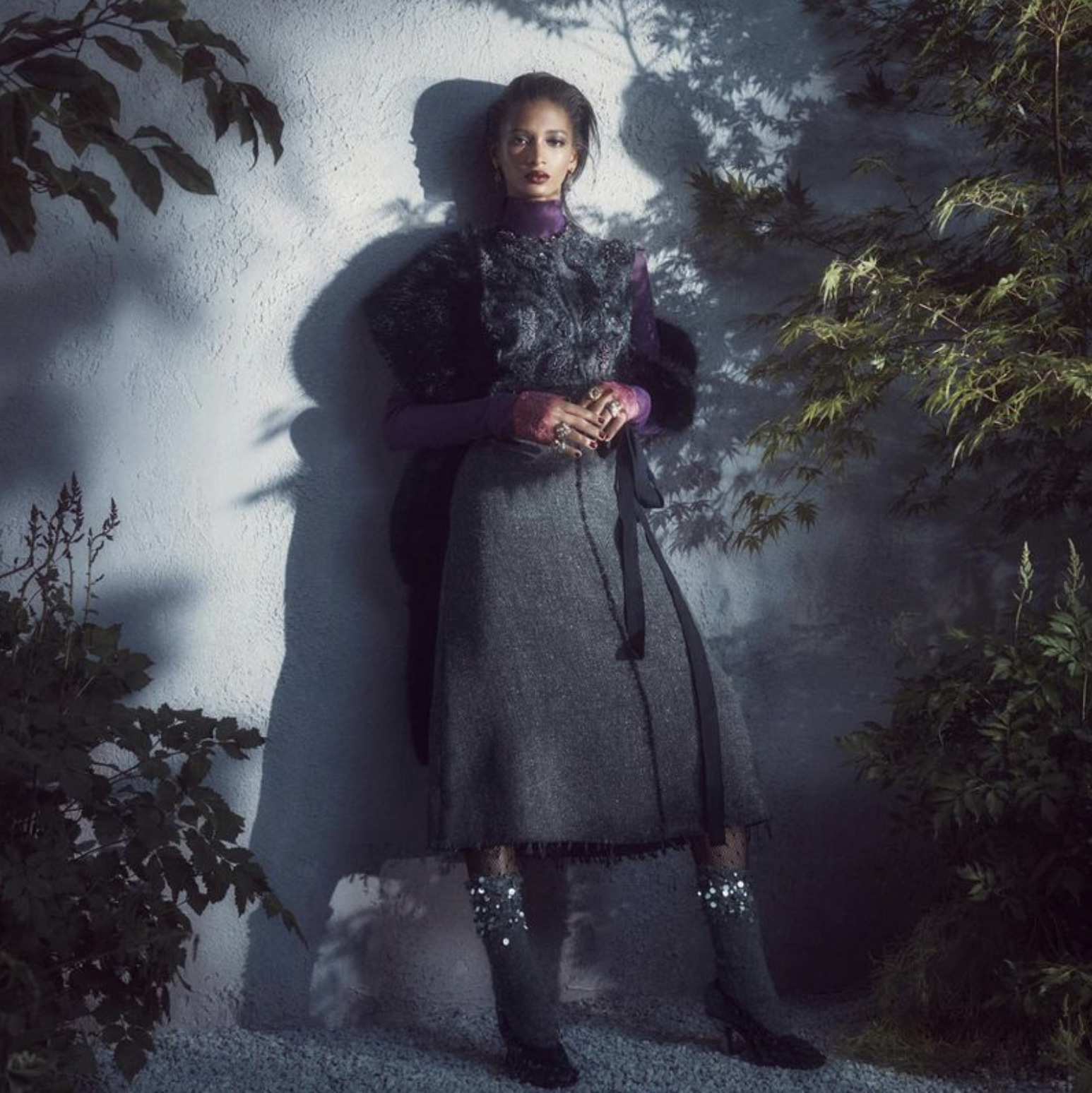
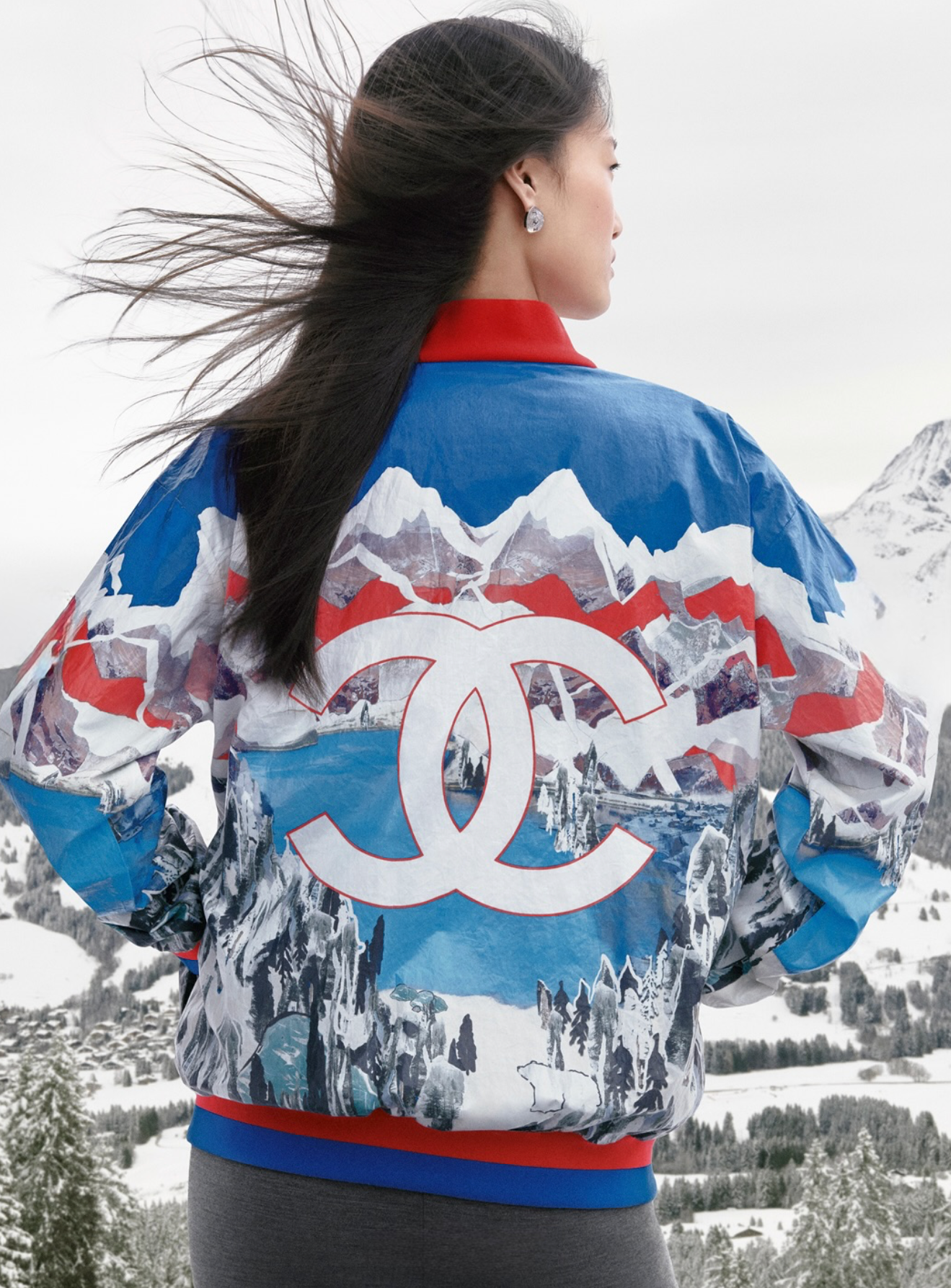
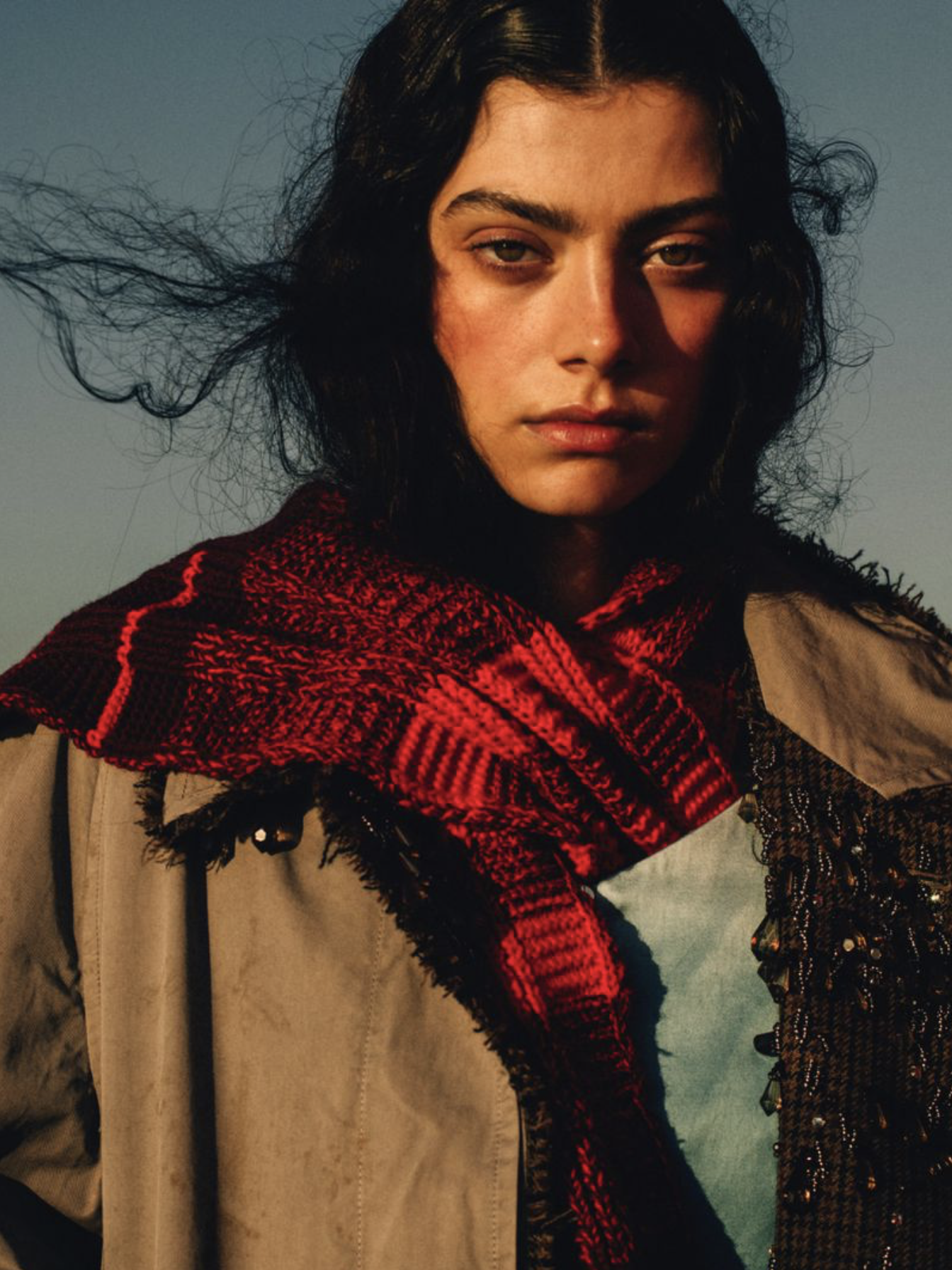
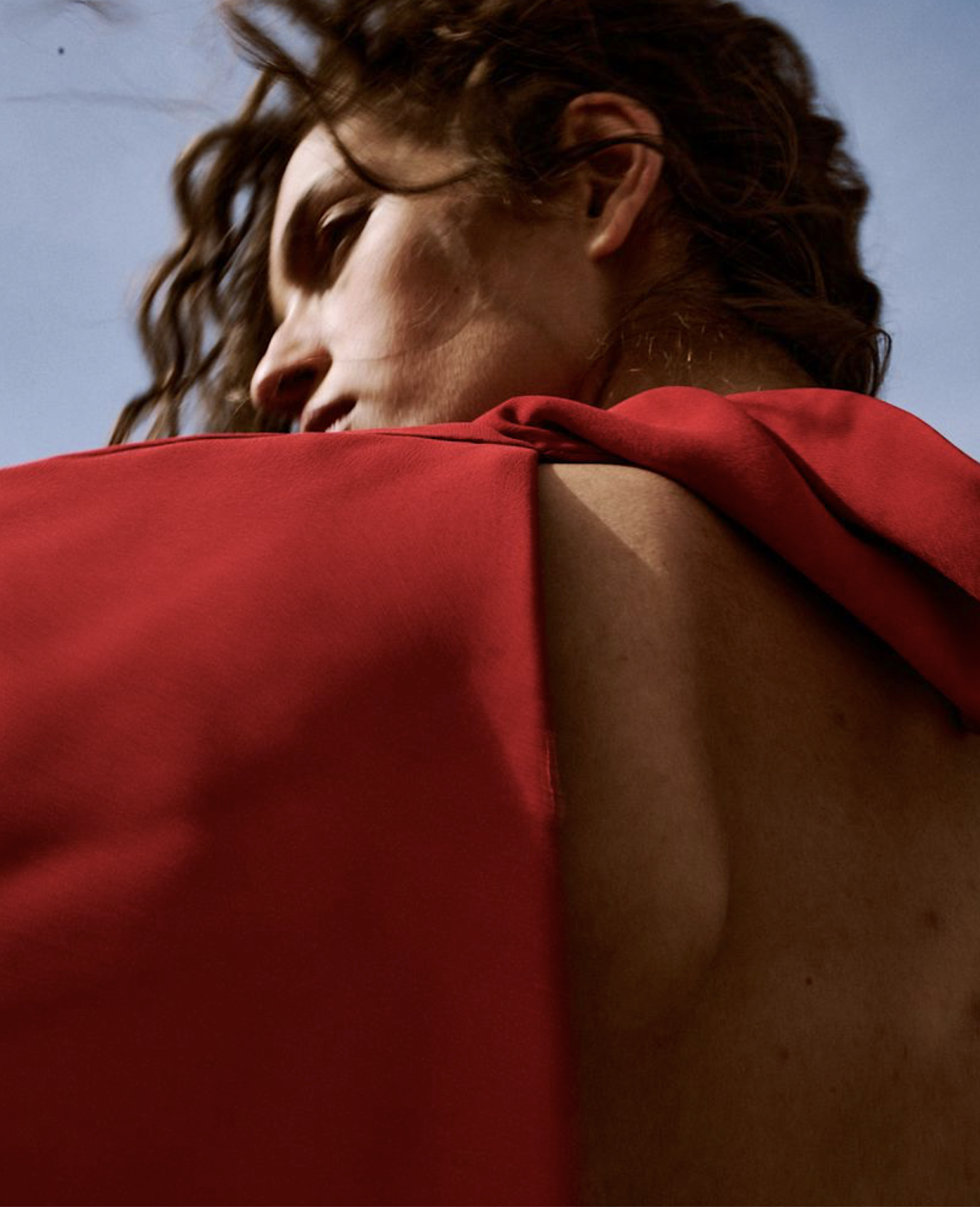
Models Elodie Guipaud, Frauke Nijs and Imane Benkaddoue pose in the Zara Studio Collection [IG] A/W 2026 Campaign, which dropped on Thursday, October 22. Karl Templer styled the shoot with long-time creative partners, photographer Steven Meisel [IG] and creative director Fabien Baron.
Creators Templer and Baron & Baron worked with Zara’s in-house design team on the biannual Zara Studio drop. The clothes chosen by Templer for the campaign morph towards a richer, more eclectic expression of aristocratic wardrobe codes. The goal of the new Zara Studio drop seeks to make the familiar feel more personal and less fashion-prescribed. AOC agrees. Two other words that come to mind are sumptuous but styled with nonchalance. There is no doubt that global economic headwinds are not positive in this moment. Paris will see another day of protests Sunday, Oct. 25. Apple announced that they will be closing their stores certain to be impacted by violence and looting.

Global Challenges for Young University Graduates
There is no doubt that global economic headwinds are not positive in this moment. Paris will see another day of protests this weekend. Apple announced that they will be closing their stores certain to be impacted by violence and looting.
In America, the forecast for good jobs for recent graduates is not positive, and AOC assumes that’s a global trend.
In China, Shanghai-educated graduates of elite universities are returning home unable to afford living in the exciting, urban landscape, especially with limited job prospects. What might appear to be defeat to many, can also become an unanticipated success.

Global Challenges for Young University Graduates
One young man from Shanghai inspired us, returning to his family farm with all his digital resources ready to work. He quickly developed new means of using technology to sell his family farm products at a higher price, by cutting out a middle man. His entire community then asked him to sell their farm products, too.
His current annual income of an estimated $400,000 in US currency is far more lucrative than his creative studio work in Shanghai, where — like creatives in every city worldwide — have no guarantees around their next assignment. And to the people of his community, he is their hero by selling their products directly and transparently at higher prices, using technology. It’s my understanding that his marketing efforts lean into his creative work in Shanghai, bringing the city to the countryside, with a certain degree of sophistication.

Zara Is Repositioning Its Stores As Luxury World Doorways
There’s no Zara store in his community and likely no need for one, but the Inditex strategy of positioning Zara to step up as a rich fashion resource for luxury lovers who simply must scale back spending is designed to help them feel nourished. Zara is doing an excellent job of executing this story. Simultaneously, Inditex is expanding their Lefties brand — not Zara — to compete with Shein and fast-fashion retailers.
While the world is in buckle-up mode, with a no-guarantees, rough road ahead, Zara and parent Inditex are as well-positioned as any retail operations to weather the storm. In China, Zara has very advanced marketing efforts, hosting weekly online fashion shows and other direct-selling efforts, again relying on technology to do the previously impossible.

In recent years Zara CEO Marta Ortega Pérez, interviewed recently for Vogue, has beautifully and successfully evolved Zara’s mission to offer a more democratic vision of designer-level interpretations of runway-looking clothes.
Pérez has done a bang-up job of upgrading the Zara brand in both the actual design and product delivery execution of more personal and less fashion-prescribed collections. Around the globe, new Zara stores have become curated and stylish design-studio spaces. Without signage, one would never dream it was a Zara store.

From the perspective of Zara’s CEO, interviewed recently for Vogue, little has changed around Zara’s mission.
“We always talk about fashion as if it were something frivolous, but I think it’s very human. . . . Fashion is present in the lives of millions of people every day. It’s how we present ourselves to the world. It sustains a lot of creativity and requires a lot of sensitivity. And it can be wonderful if we do it well.”

A Truly Staggering Accomplishment for Zara Inventory Management
Pérez also drops another staggering statistic, a prime example of a finely-tuned Inditex global operation. I’ve never heard a statistic this impressive about inventory management for any other company. Listen up, friends. Anne is struggling to believe this factoid:
“Our business is very demand-oriented,” Marta says. “The key is to keep stock levels very low and leftovers to a minimum. There are less than 1 percent unsold products—we don’t do big shipments that don’t work and that we have to store in a warehouse. Even if others want to define it as fast fashion, our business model itself may be the most sustainable thing we have.”

When you are wondering how Zara can use such beautiful materials and design in a $450 coat, this fact — one that is a boring accounting concept — tells the story. To maintain that low level of leftovers is impossible if Zara doesn’t also have a firm grip on client preferences, in a database. They are designing for Zara customers — which is the way it should be, in AOC’s opinion. And they are doing it with military precision.
In 2022 the company launched Zara Pre-owned, a considered platform that makes it easy for you to repair, resell, or donate your Zara clothes.