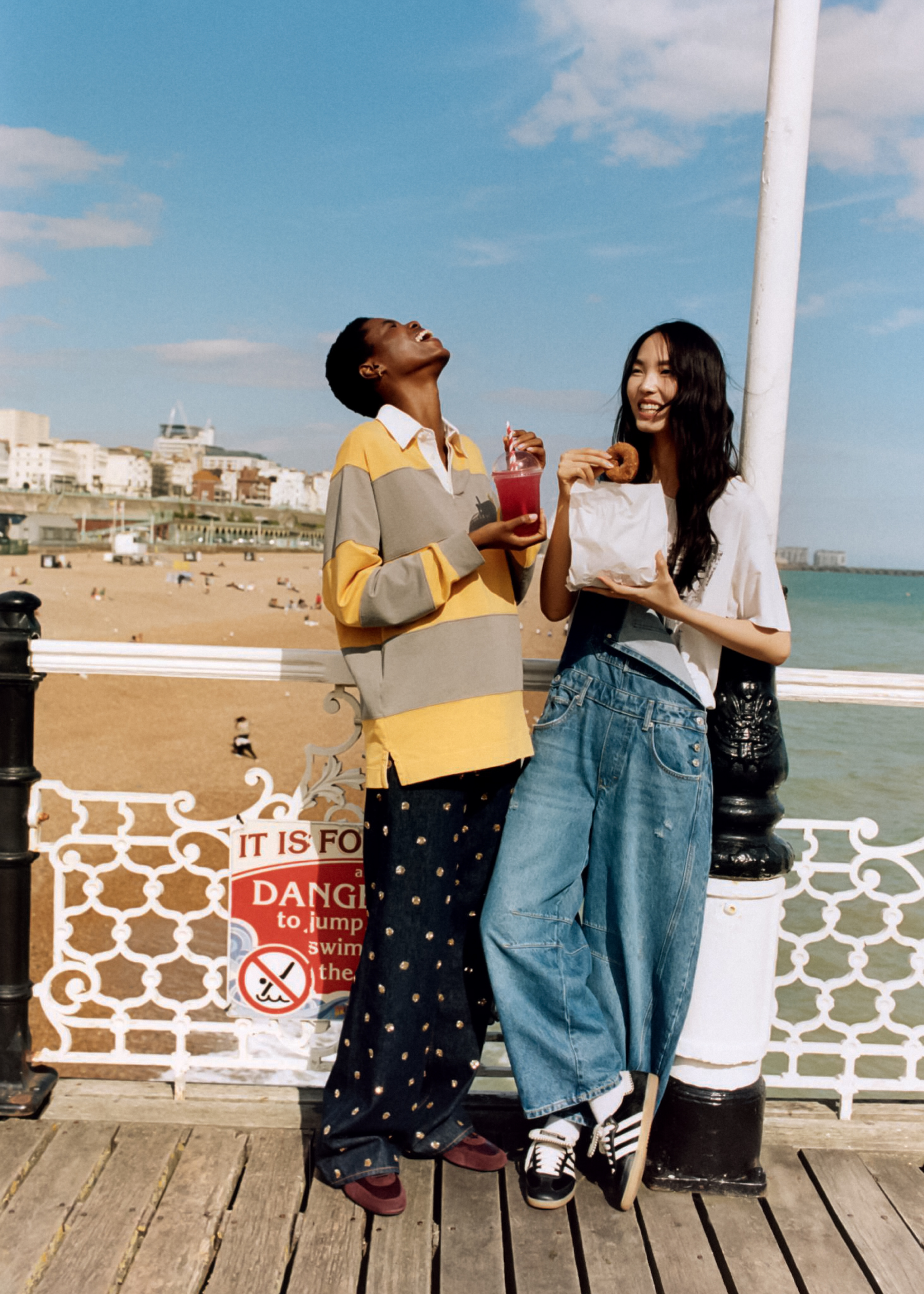
Newport's Fashion Aristocrats Redefine American Prep in WSJ Magazine May-June 2026
/
American Prep Story
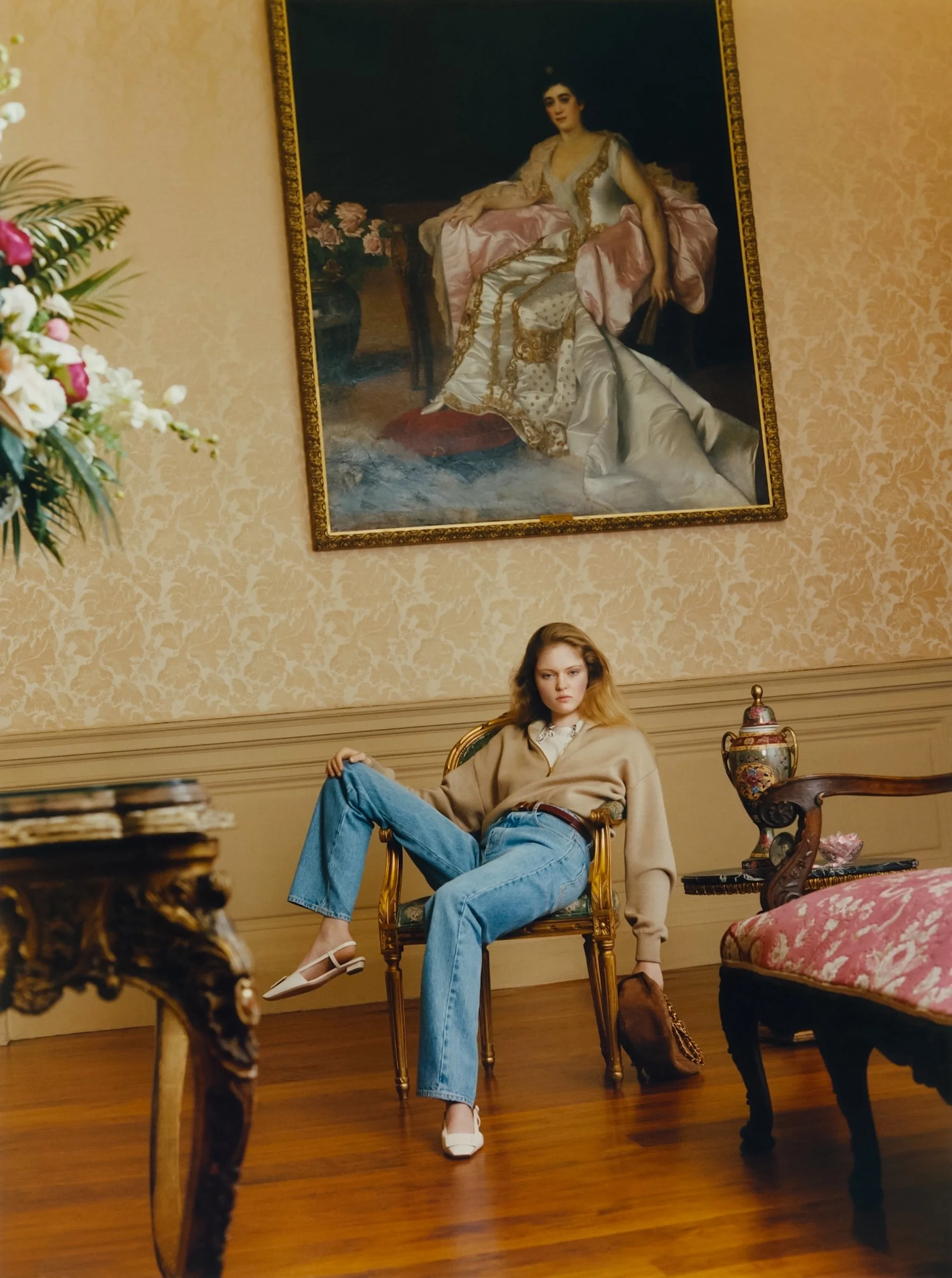
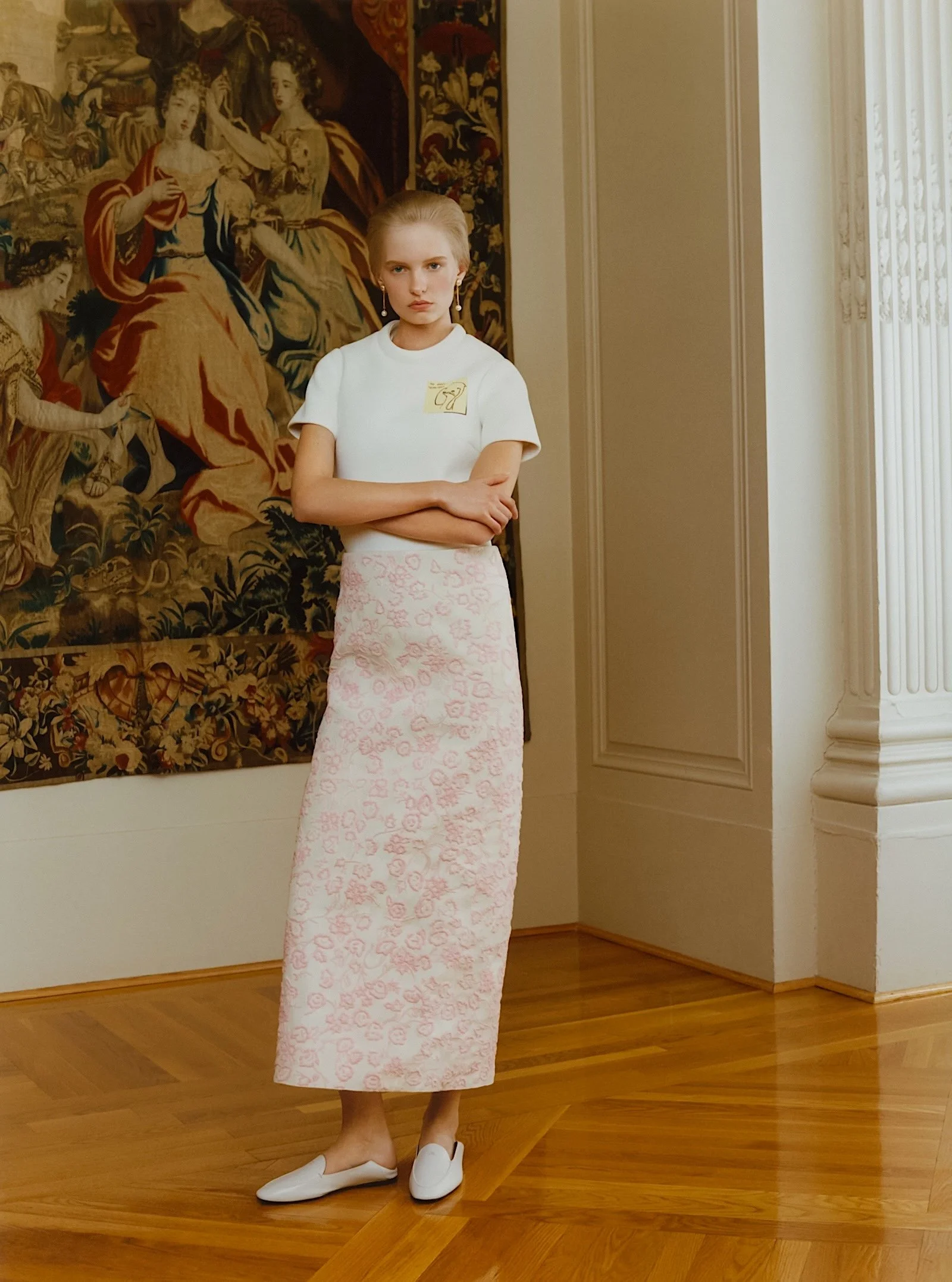
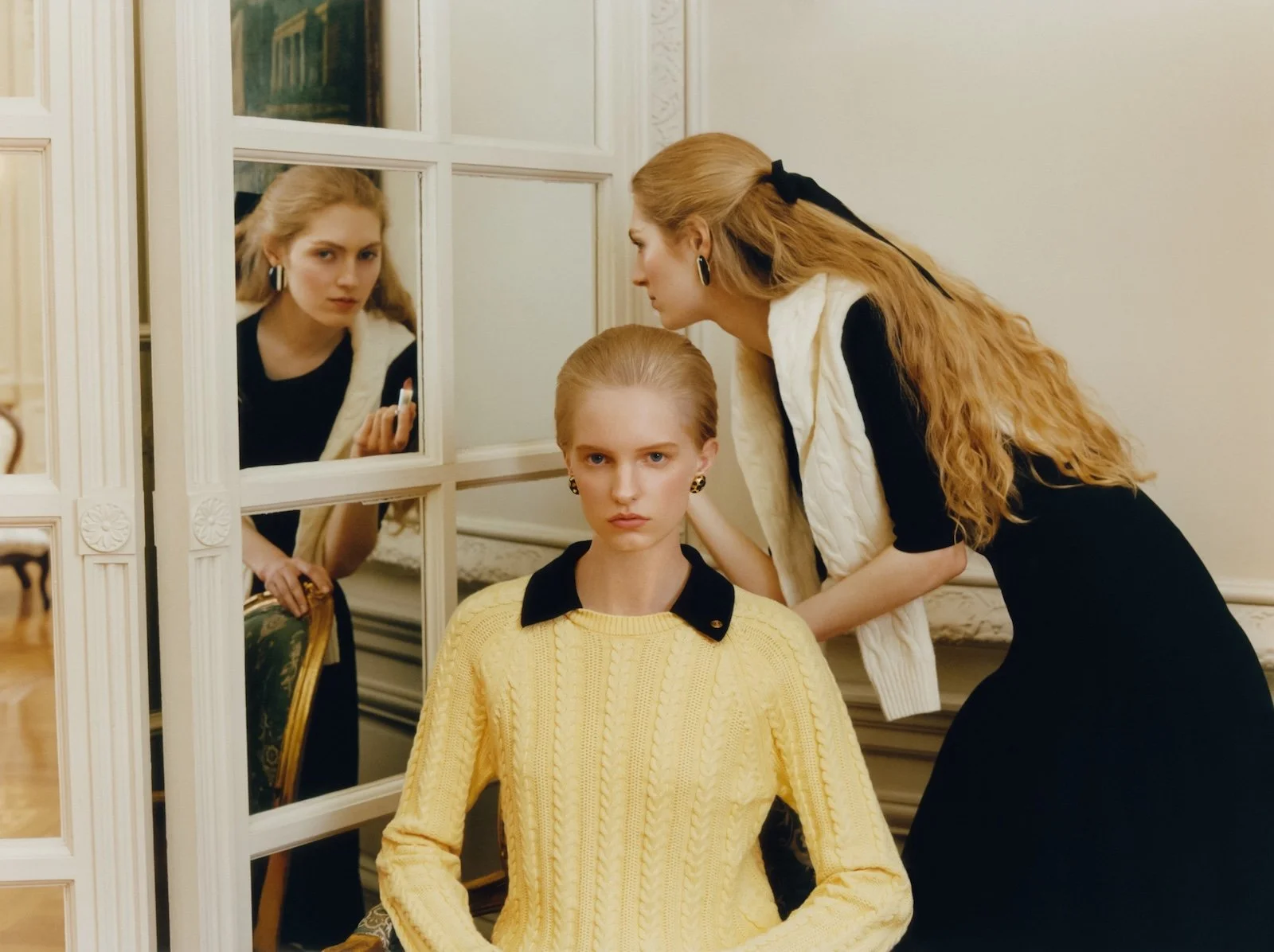
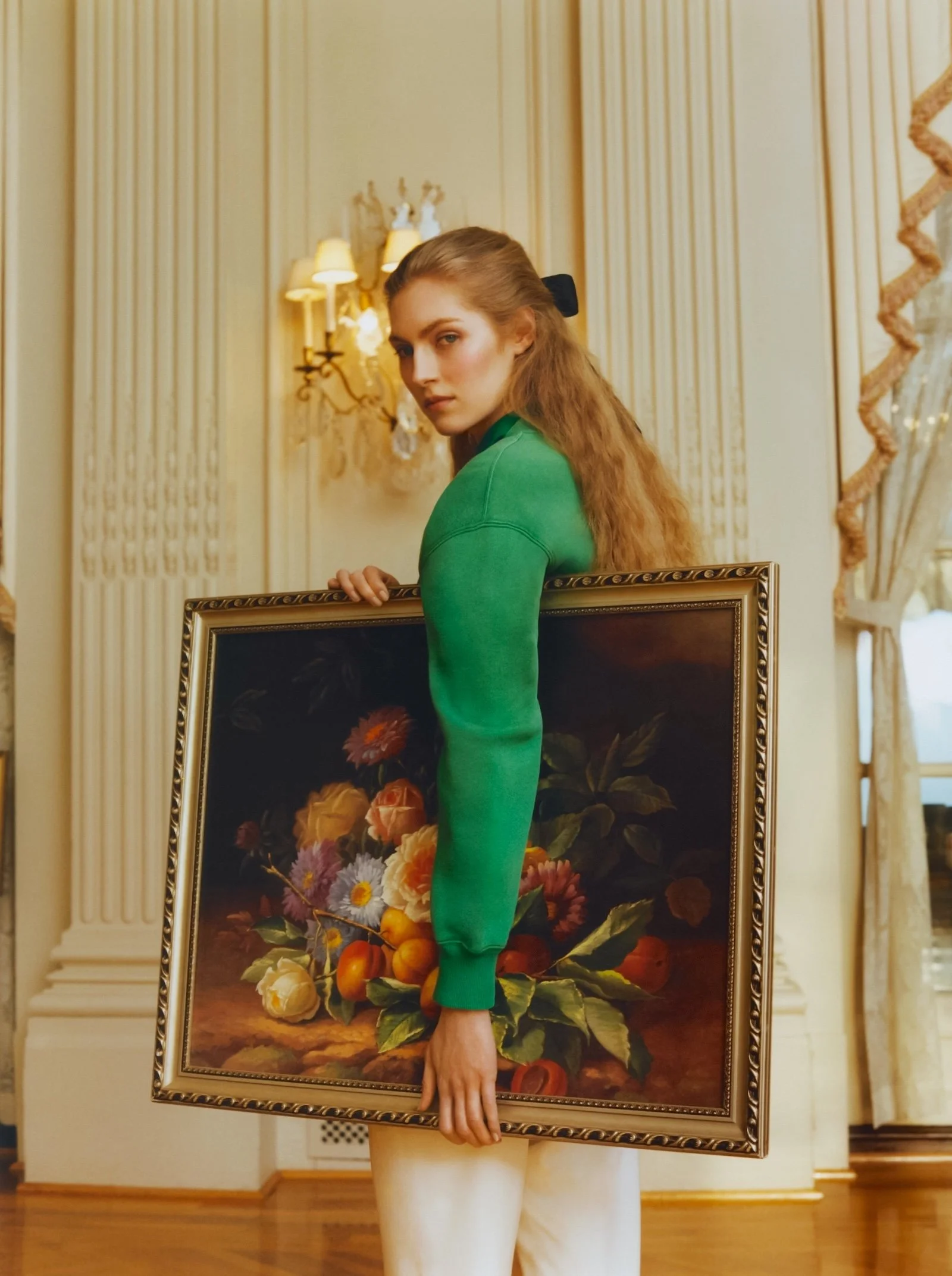
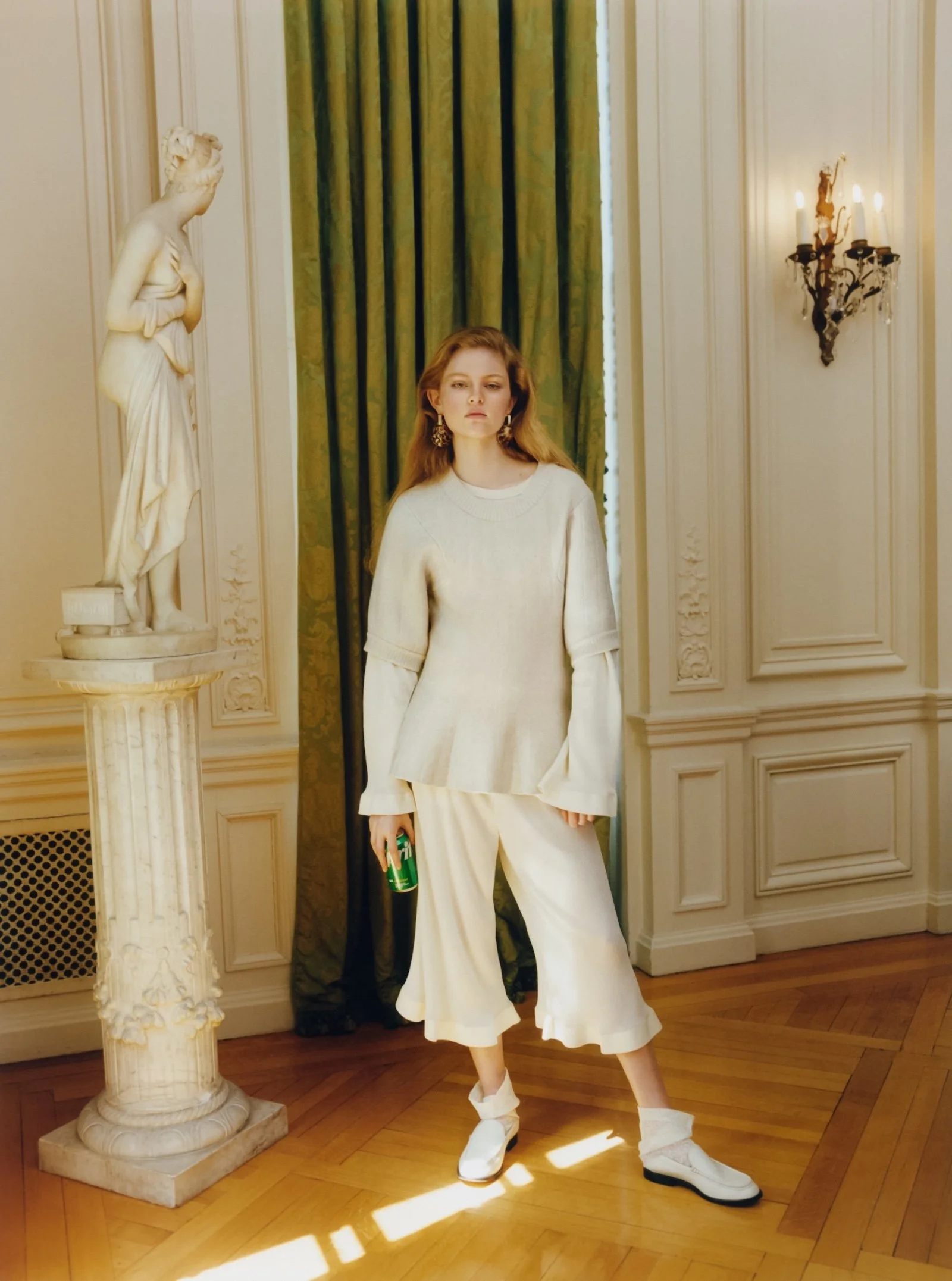
‘A Fresh Take on American Prep’ fashion story for WSJ Magazine [IG] travels to Rhode Island for the May-June 2026 issue. Newport, Rhode Island, in particular, transitioned into a fashionable summer resort for America’s monied elite starting in the 1850s.
Wealthy families from the American South originally visited Newport to escape coastal malaria and yellow fever. By the 1850s, the area began drawing elite New Yorkers looking to escape Manhattan's summer heat. Increasingly, Northern and Southern attitudes among America’s elite about slavery and the abolition movement became deeply fractured.

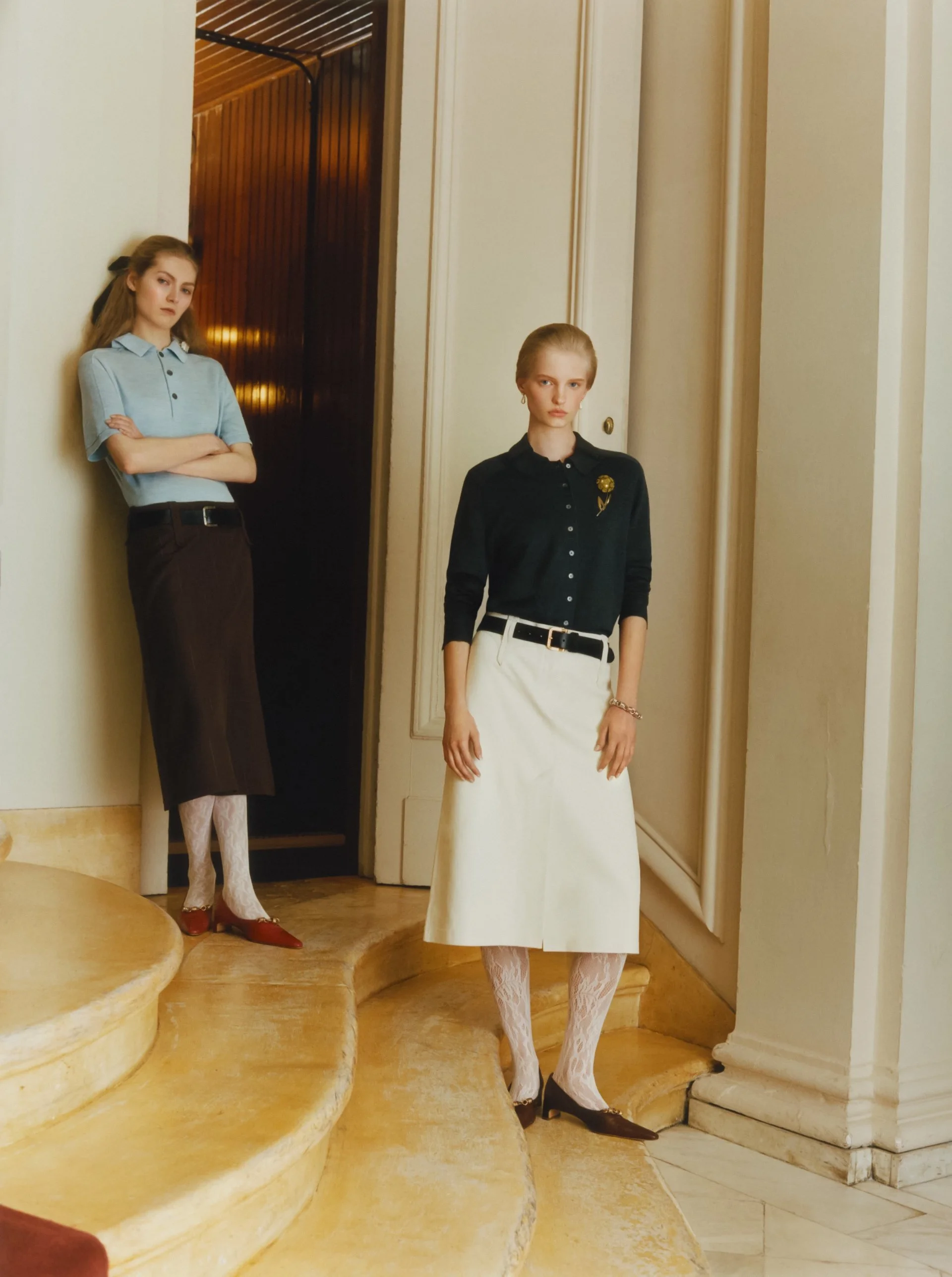
The three classic beauties showcasing American Prep for WSJ’s May-June 2026 issue are Ava Shipp, Constanze Van Rosmalen and Gretchen Easterwood.
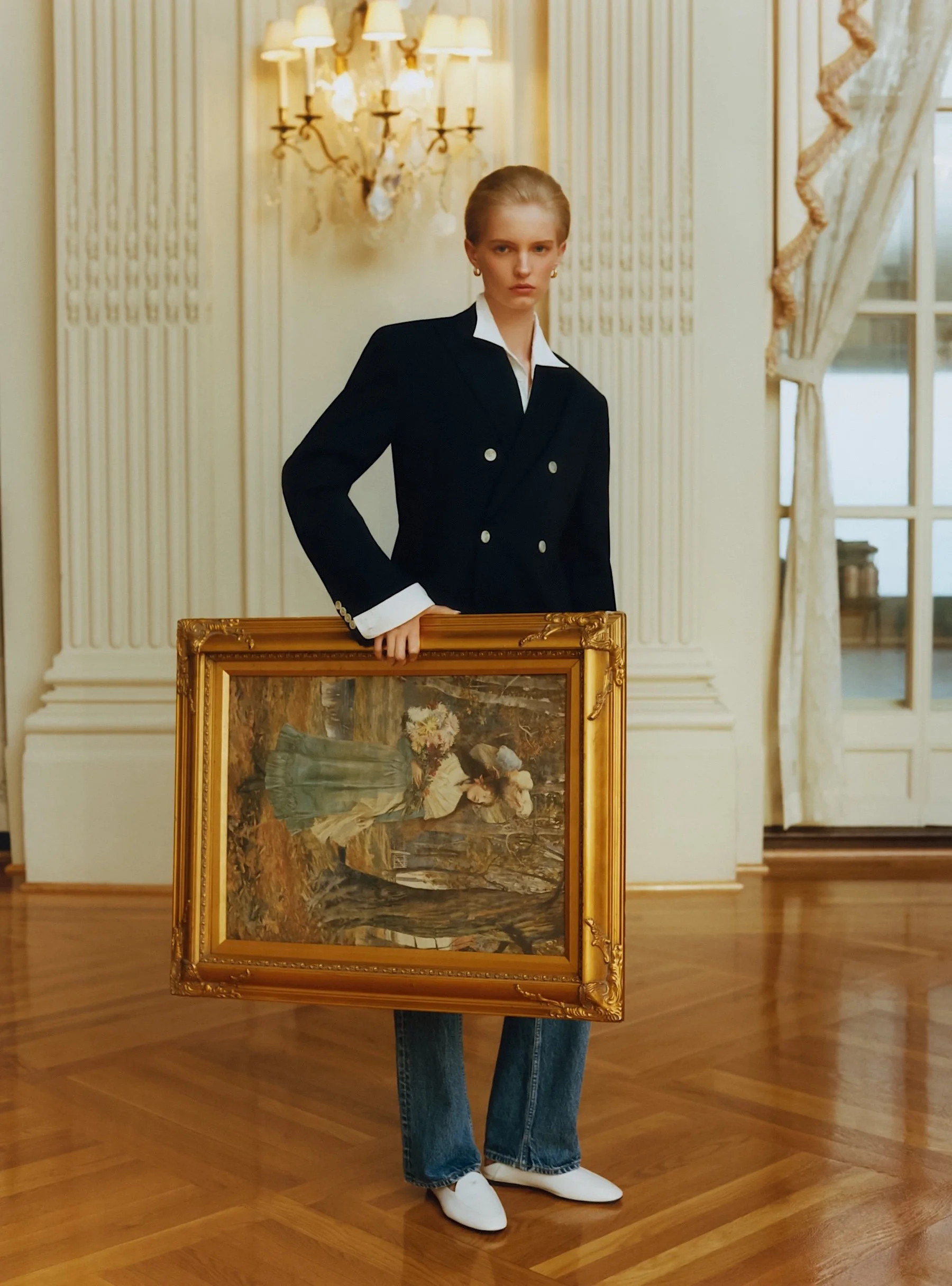
Jay Massacret styles the trio in Celine, Chanel, Givenchy, Loewe, Louis Vuitton, Loro Piana, Marc Jacobs, Max Mara, Michael Kors, Prada, Ralph Lauren, Tory Burch, Versace and more for images by Coco Capitán [IG]./ Hair by Tamas Tuzes; makeup by Laura Stiassni
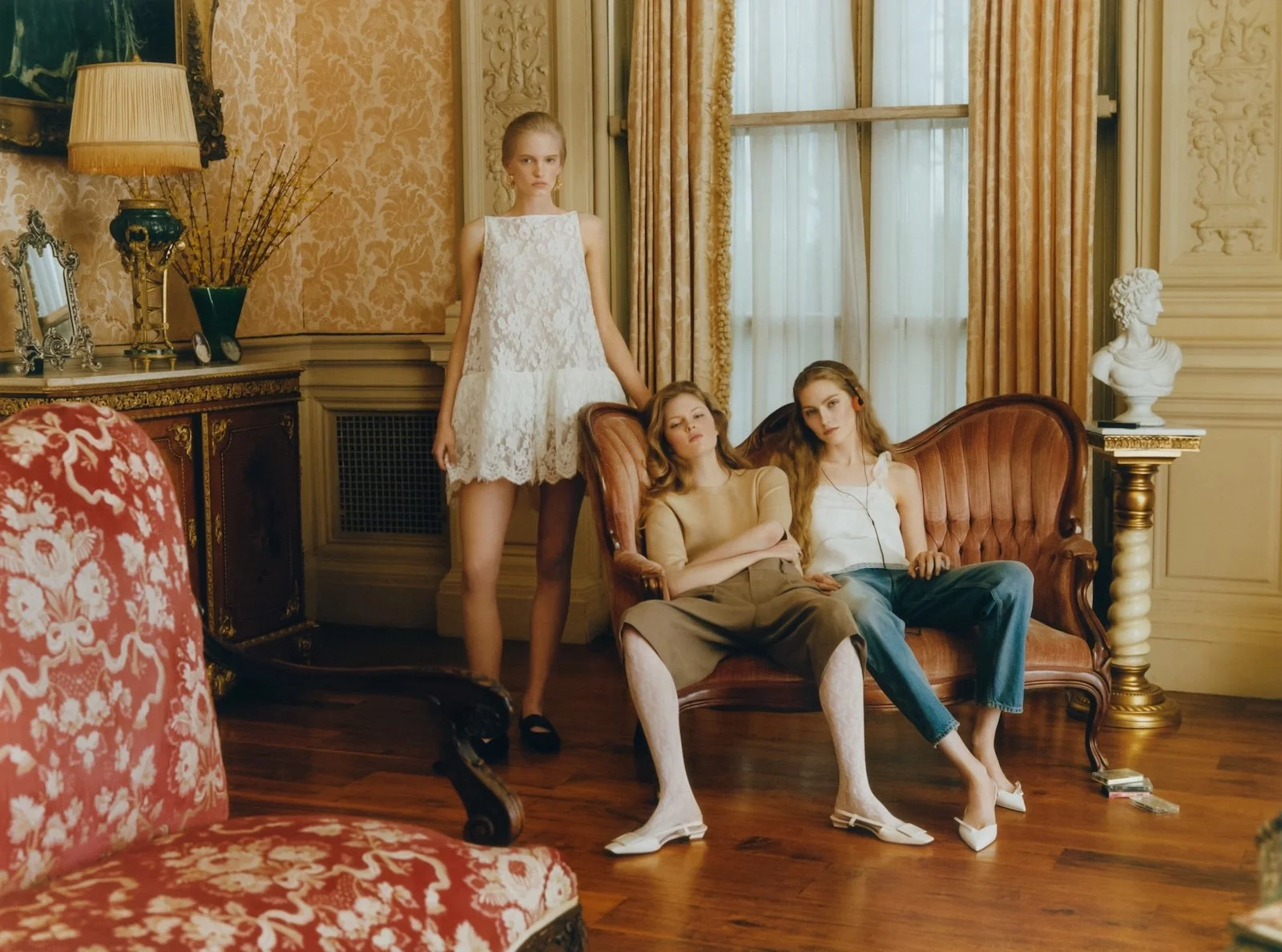
The location of the fashion shoot is Rosecliff Mansion in Newport.
Impact of America’s Civil War on Newport’s Rich Southerners
William Lloyd Garrison, editor of the abolitionist newspaper The Liberator, called Newport “a stronghold of slavery…[the] Charleston or New Orleans of New England.” His comments came in the wake of an 1836 Newport town meeting in which freeholders voted to pass resolutions denouncing abolitionists, endorsing white-supremacy, and calling for a gag rule to ban the printing of antislavery publications. Newport’s pro-slavery representatives then presented the resolutions to the Rhode Island General Assembly for state-wide implementation, all at the behest of Southerners who were urging their Northern allies to stifle abolitionists.
Newport itself had direct connections to the slave trade. In fact, it was this north-south connection profiteering in the selling of humans as property that first brought rich Southerners to the hospitable place called Newport, also home to a small but growing number of wealthy Americans of color.
Newport’s Free and Successful Whalers of Color
As the abolitionist movement grew from Philadelphia to New England, funded by black and white whaler money and white capital from the New York City - Philadelphia region, white Southern slavers got a major dose of Yankee pushback.
One of the relevant stories that even Anne never knew, until AOC’s 2025 swing through research on whaling in New England, was the existence of wealthy whalers of color in the region. It was also common practice for slaves seeking their freedom to earn enough money whaling to buy it. This counter narrative to Southern domination in Newport was alive and functioning well in the public square, with ties stretching back to the country’s first black mutual aid organization, the Free African Union Society, established in 1781.
Impact of America’s Civil War on Newport’s Rich Southerners
The outbreak of the Civil War in 1861 abruptly ended the Southern presence in Newport, permanently fracturing the social and financial ties between Southern planters and the Rhode Island resort. Because Newport and the broader state of Rhode Island heavily favored the Union, wealthy Southern vacationers faced severe financial, physical, and social displacement.
Newport quickly became "a less congenial place for Southerners," as local citizens aggressively volunteered for the Union Army. The city even became the wartime home of the U.S. Naval Academy, which relocated from Maryland to Newport's Atlantic House hotel to protect its midshipmen from Confederate influence.
Even after the war ended in 1865, the vast majority of these Southern families were financially ruined. They could no longer afford the luxury of traveling north for five-month summer vacations, effectively ending their era as Newport’s primary tastemakers.
By the 1870s, as the ruined Southern aristocracy faded from memory, the vacuum was filled by Northern industrial titans. These newly-minted millionaires from New York and Philadelphia bought up the old southern-owned properties, setting the stage for the massive mansion-building boom of the Gilded Age.