Jack Waterlot Honors Amazigh Culture in 'Nomad' for Tatler Magazine January 2026
/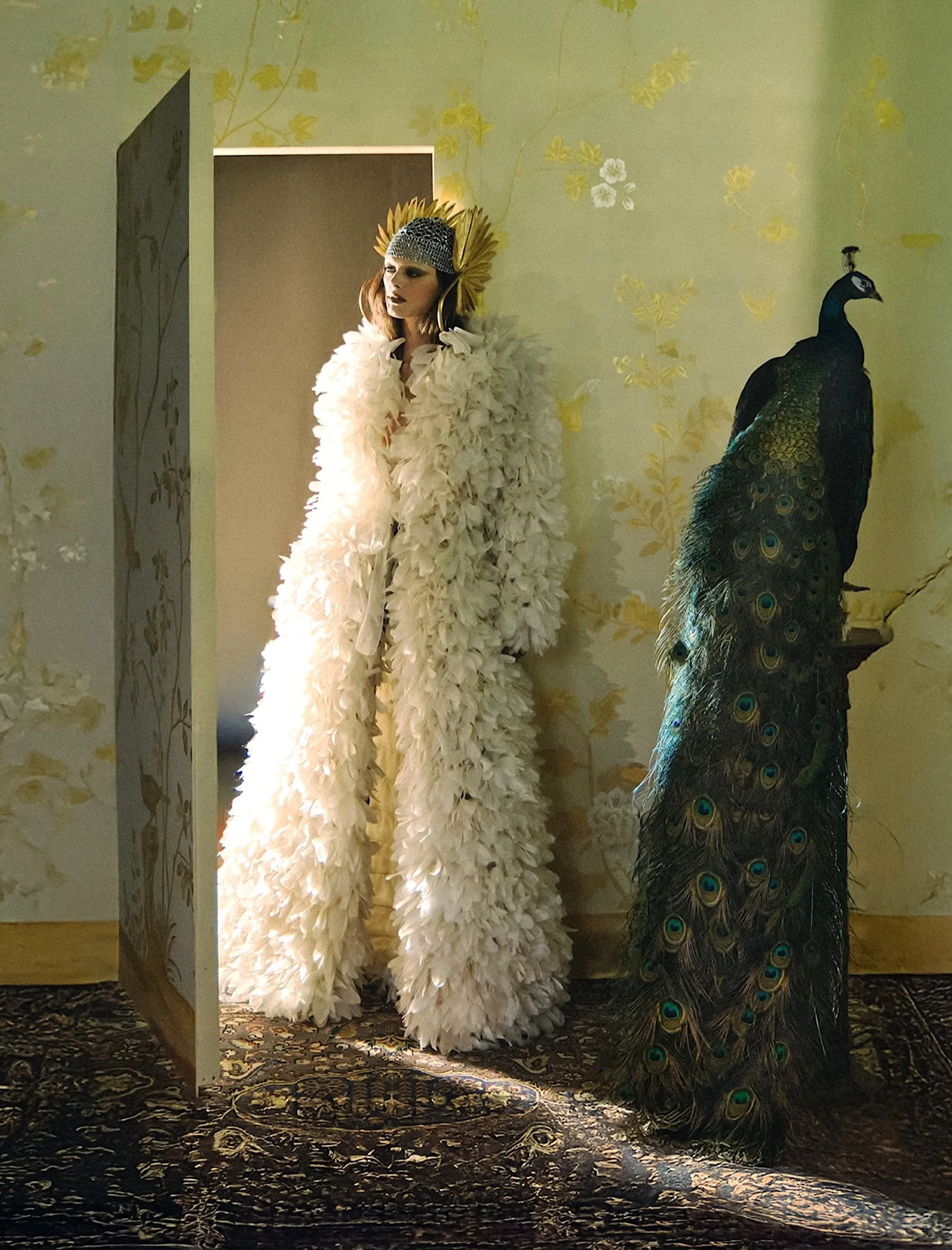
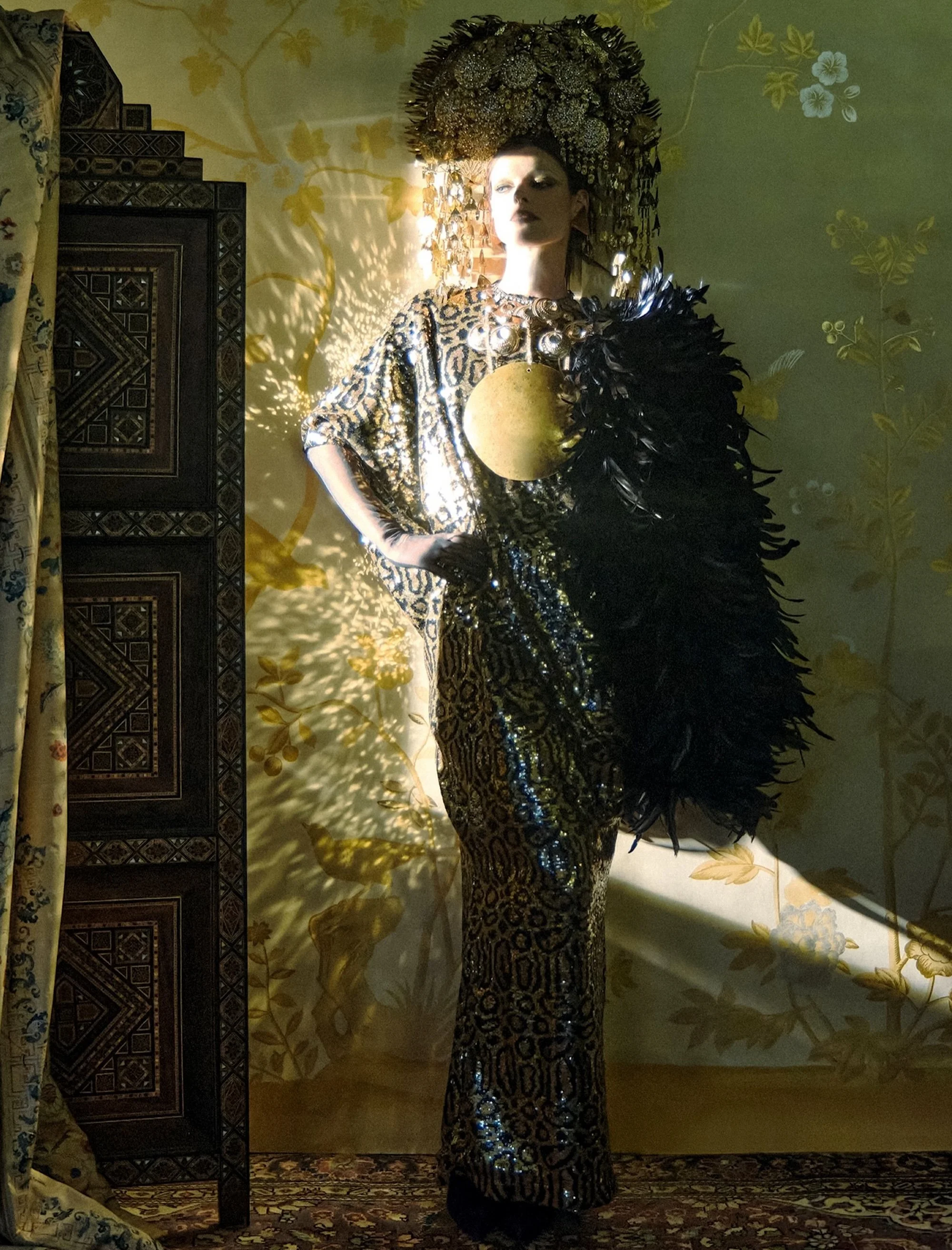
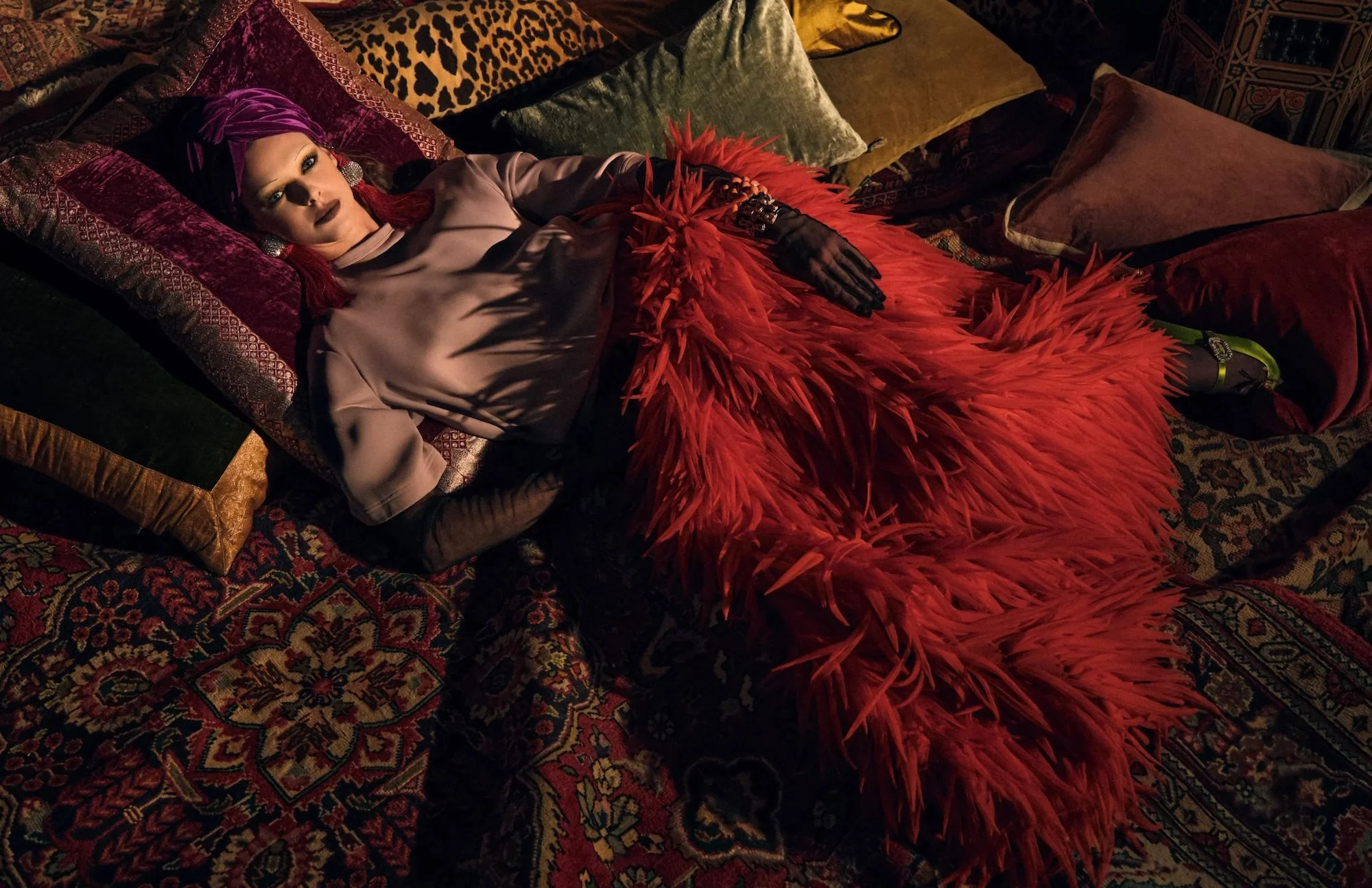
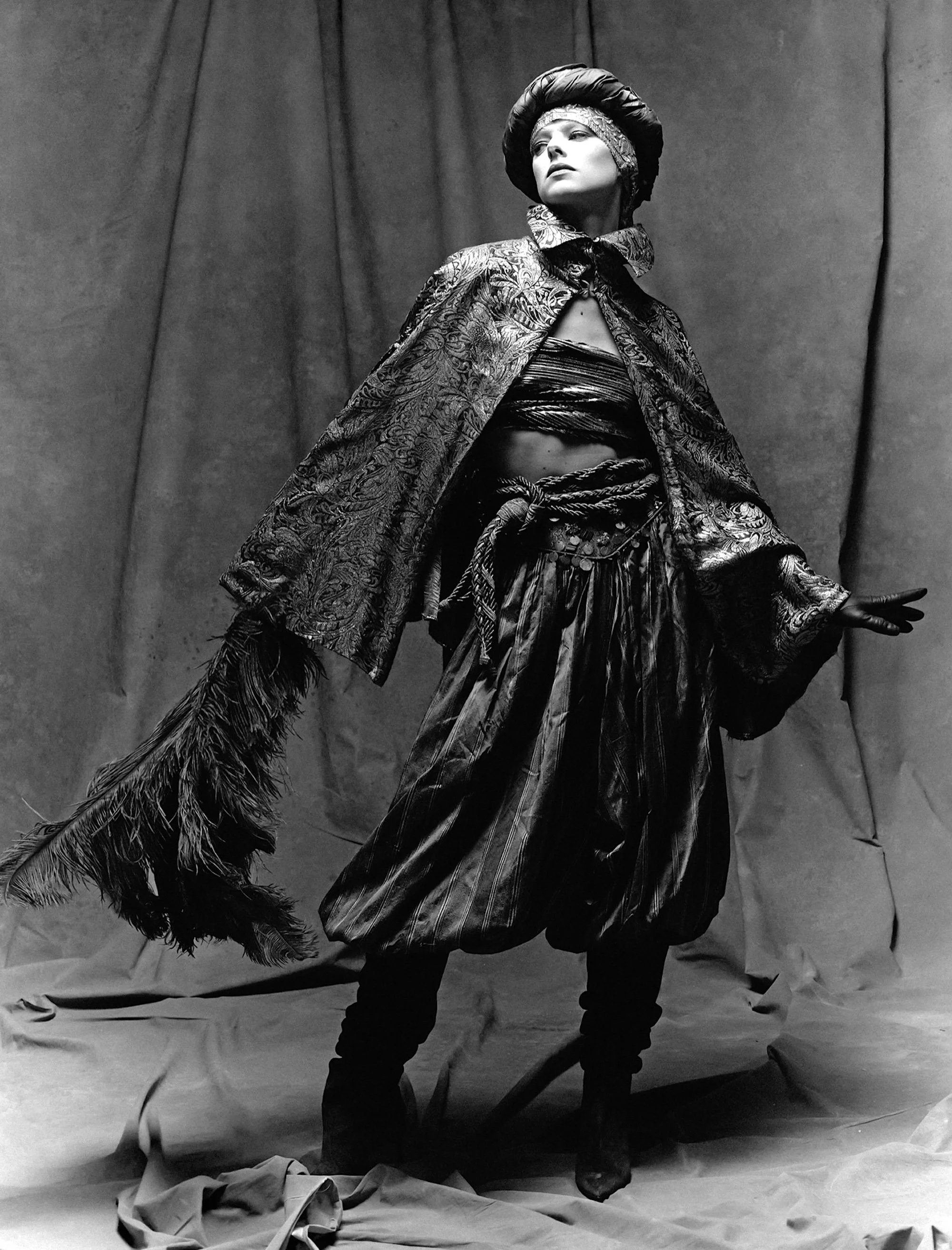
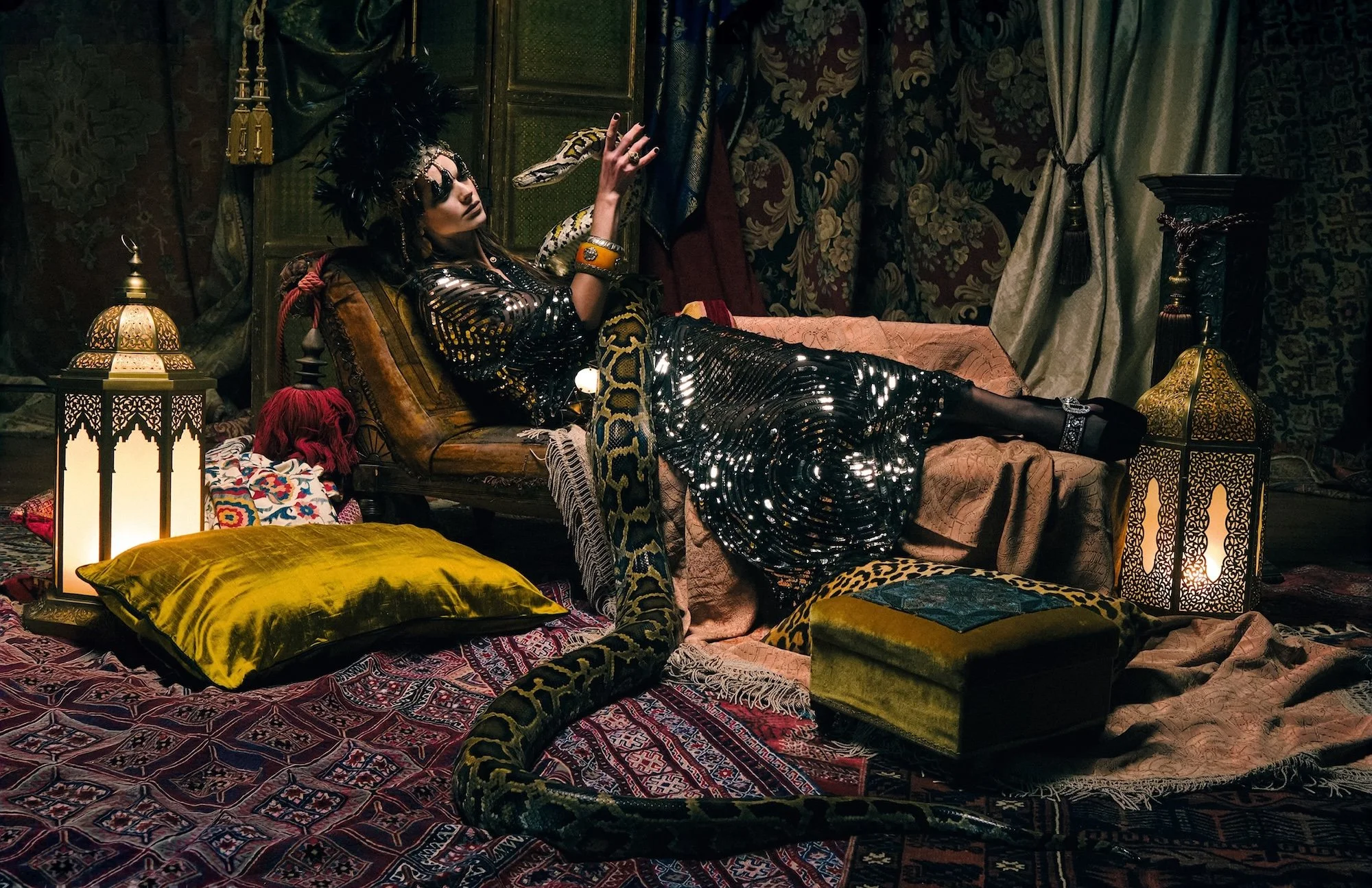
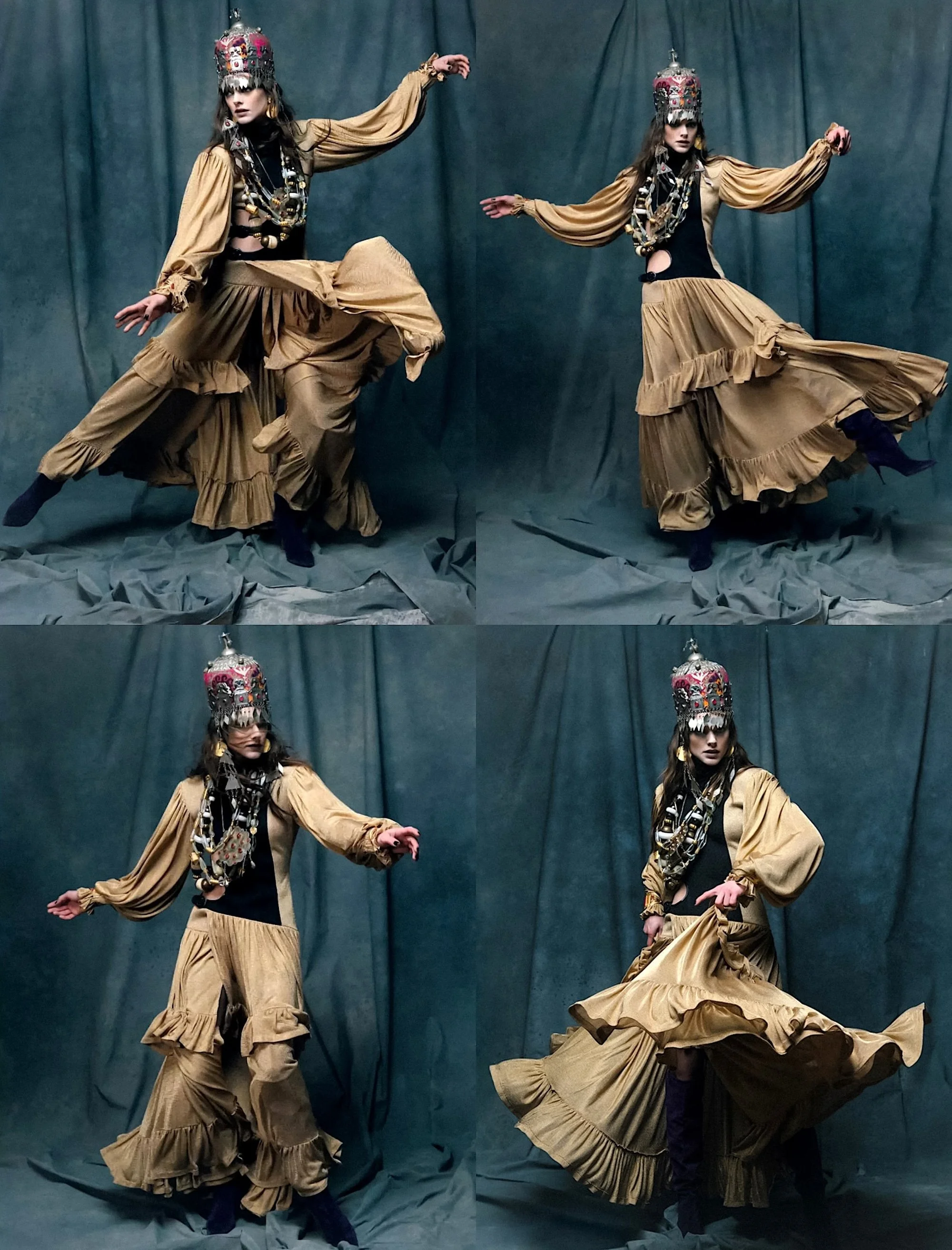
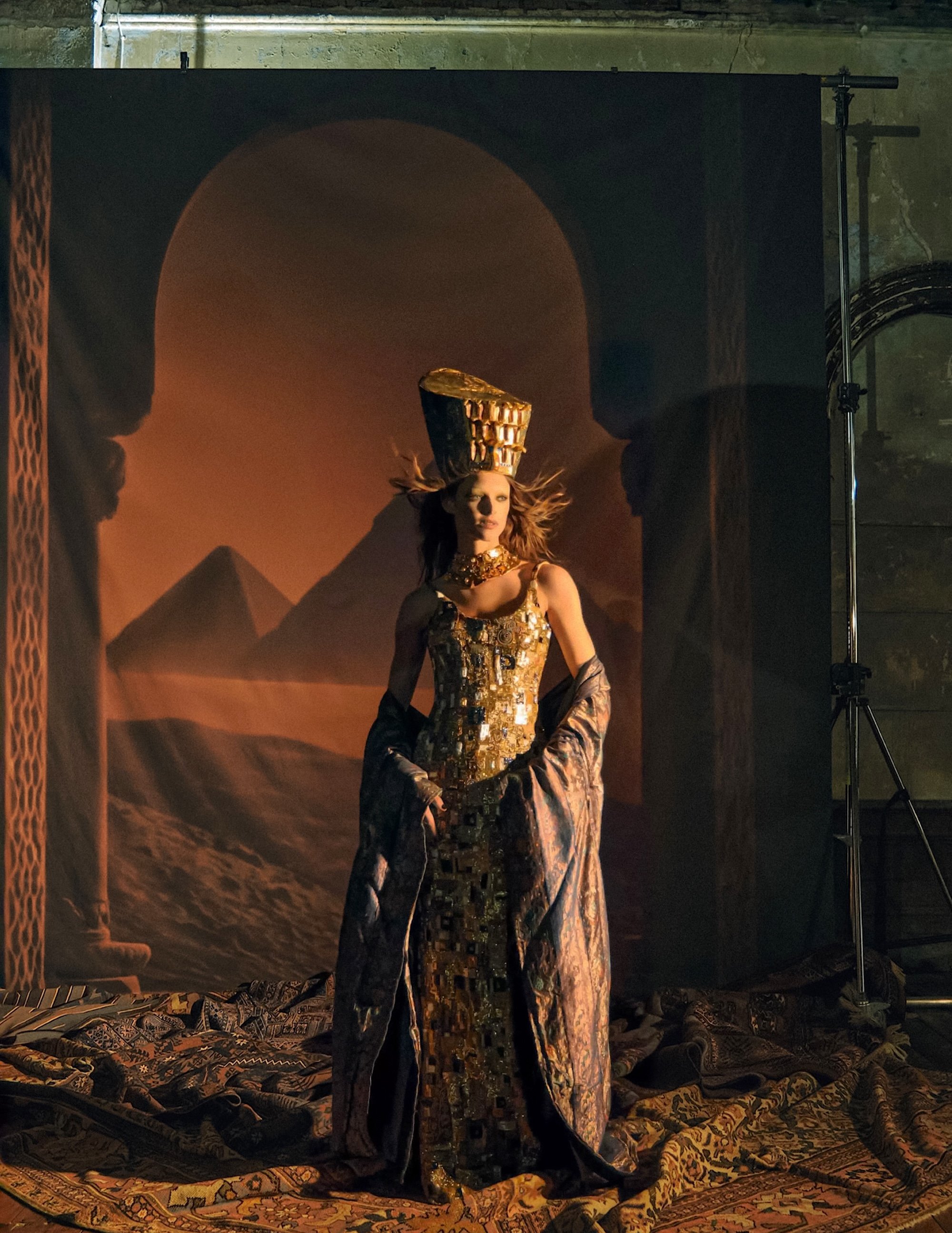
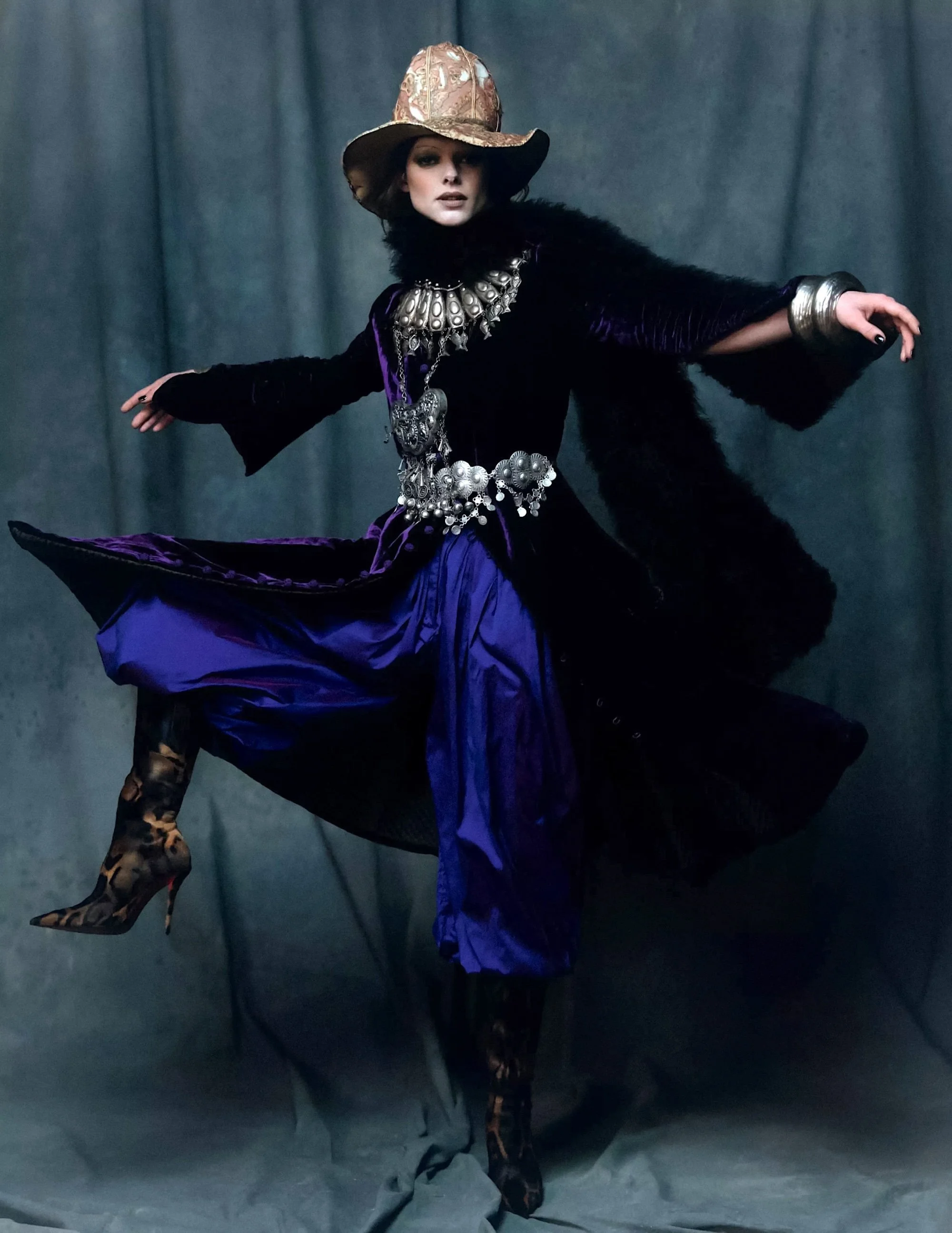
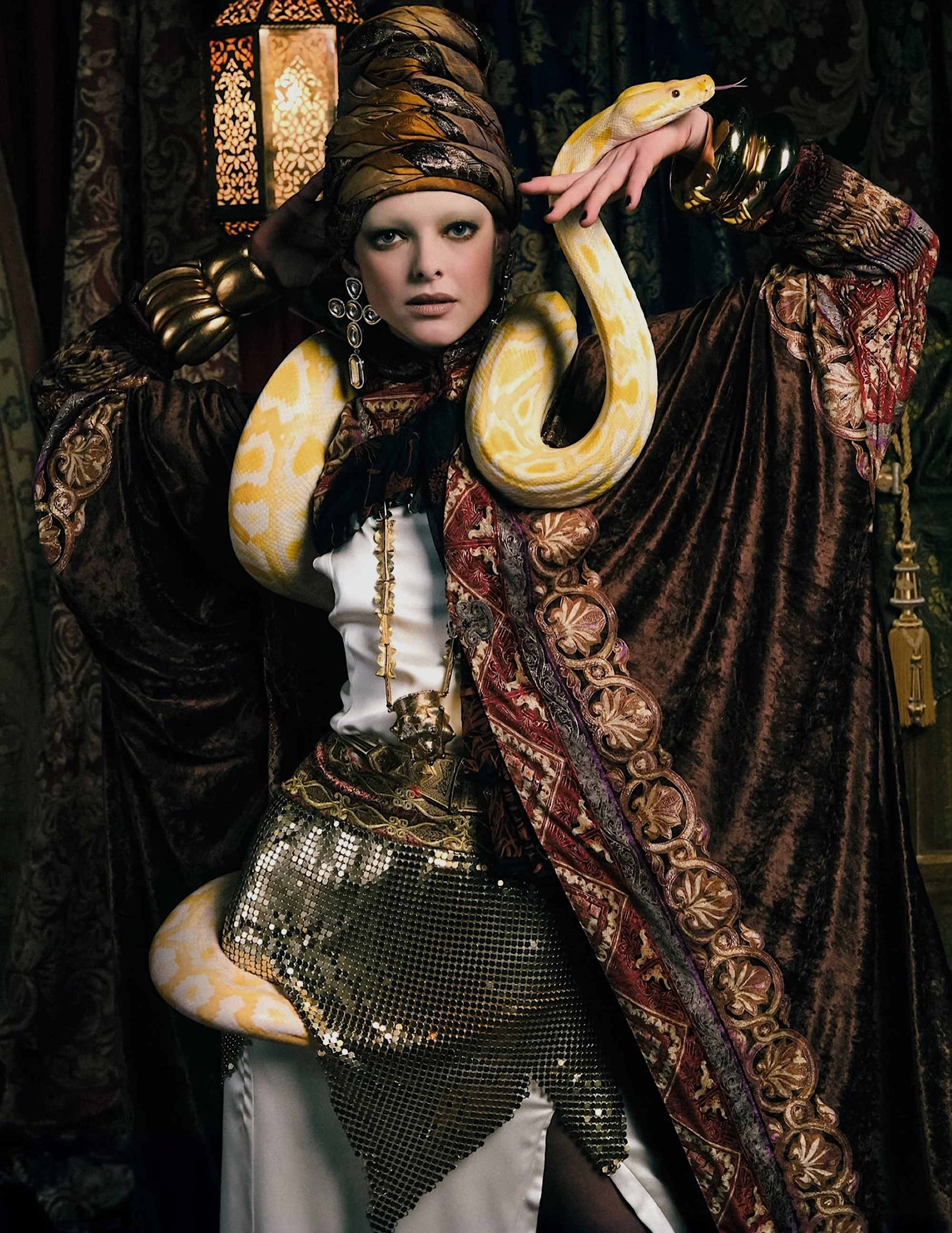
Model Lea Haesaert is styled by Sophie Pera in a fashion story ‘Nomad’, lensed by Jack Waterlot [IG] for Tatler Magazine [IG] January 2026 issue. / Hair by Takuya Morimoto; makeup by Terry Barber
In Waterlot’s own words: “I truly loved working on this project as i grew up with the Amazigh, making images that showcase deep rooted culture from the desert is something that I will always love.”
Who are the Amazigh?
The Amazigh [or Berbers] are the indigenous people of North Africa, known as "free people," with a rich, ancient culture predating Arab arrival, inhabiting lands from Morocco to Egypt and into West Africa, maintaining distinct languages [Tamazight dialects] and identity despite centuries of assimilation and colonial pressures.
Between 1970-1990, their role shifted from often folklorized representations to a significant cultural revival, with growing political movements asserting their identity, resisting cultural suppression, and demanding recognition of their languages and heritage, especially in Morocco, Algeria, and Tunisia, amidst burgeoning nationalisms and decolonization's aftermath.

What Is the Significance of Snakes in this Story
Snakes held significant, often revered, symbolism in pre-Islamic Amazigh [Berber] culture, representing healing, protection, fertility, and renewal, with ancient worship of snake goddesses like Lamia, who originated in Greek myth as a lover of Zeus from ancient Libya.