Penelope Cruz On Her Detective Work in 'The Bride' Opening March 6, 2026
/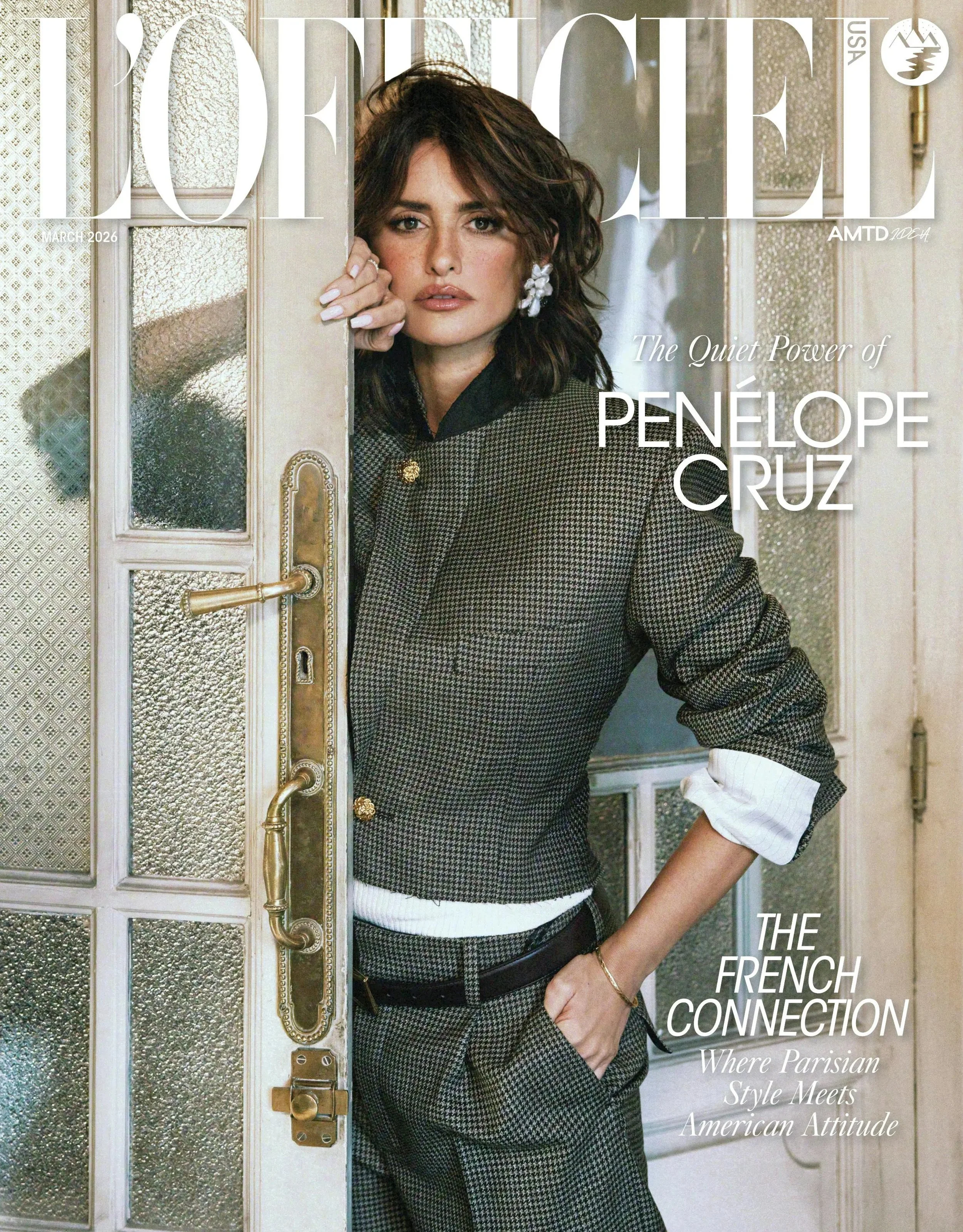
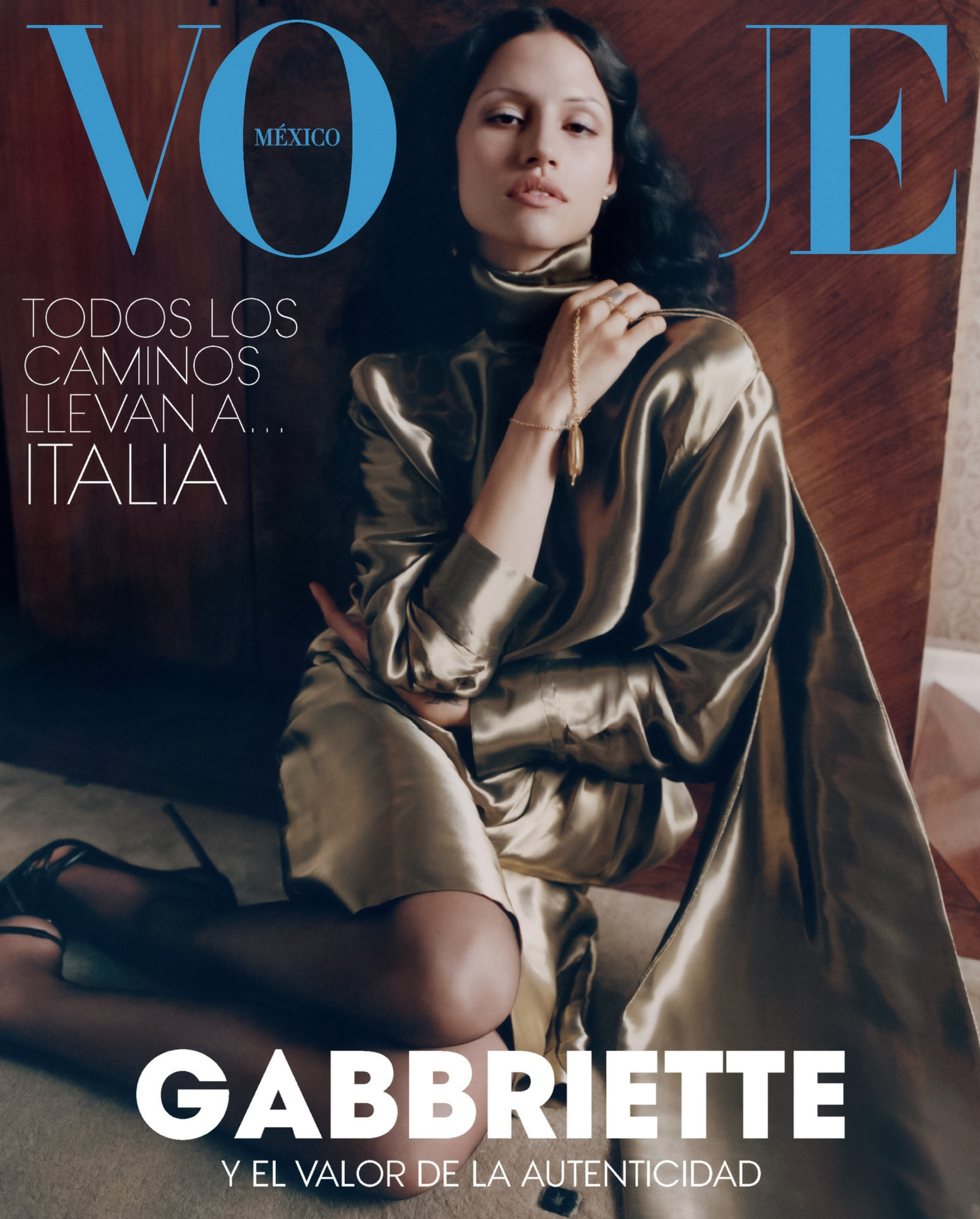
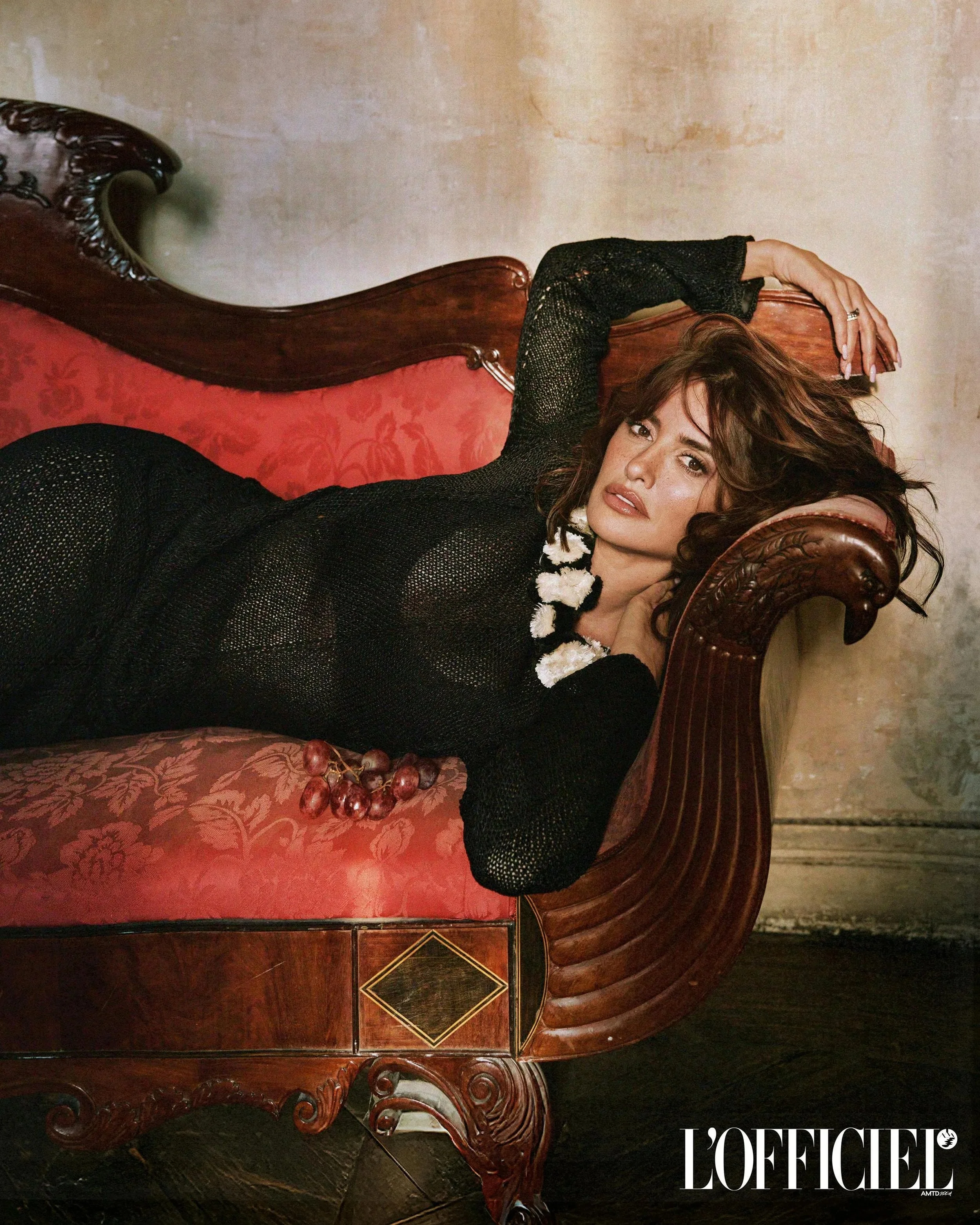
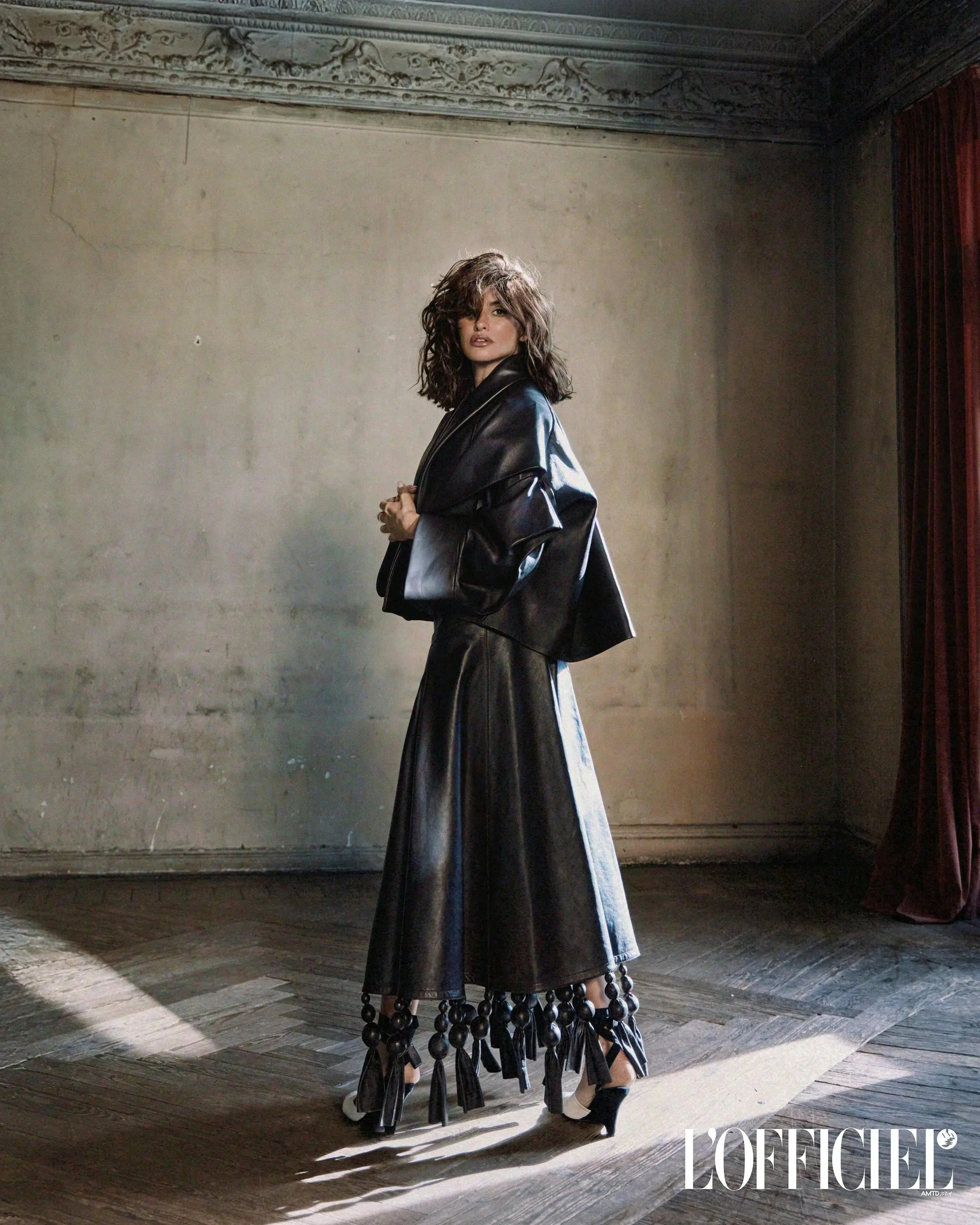
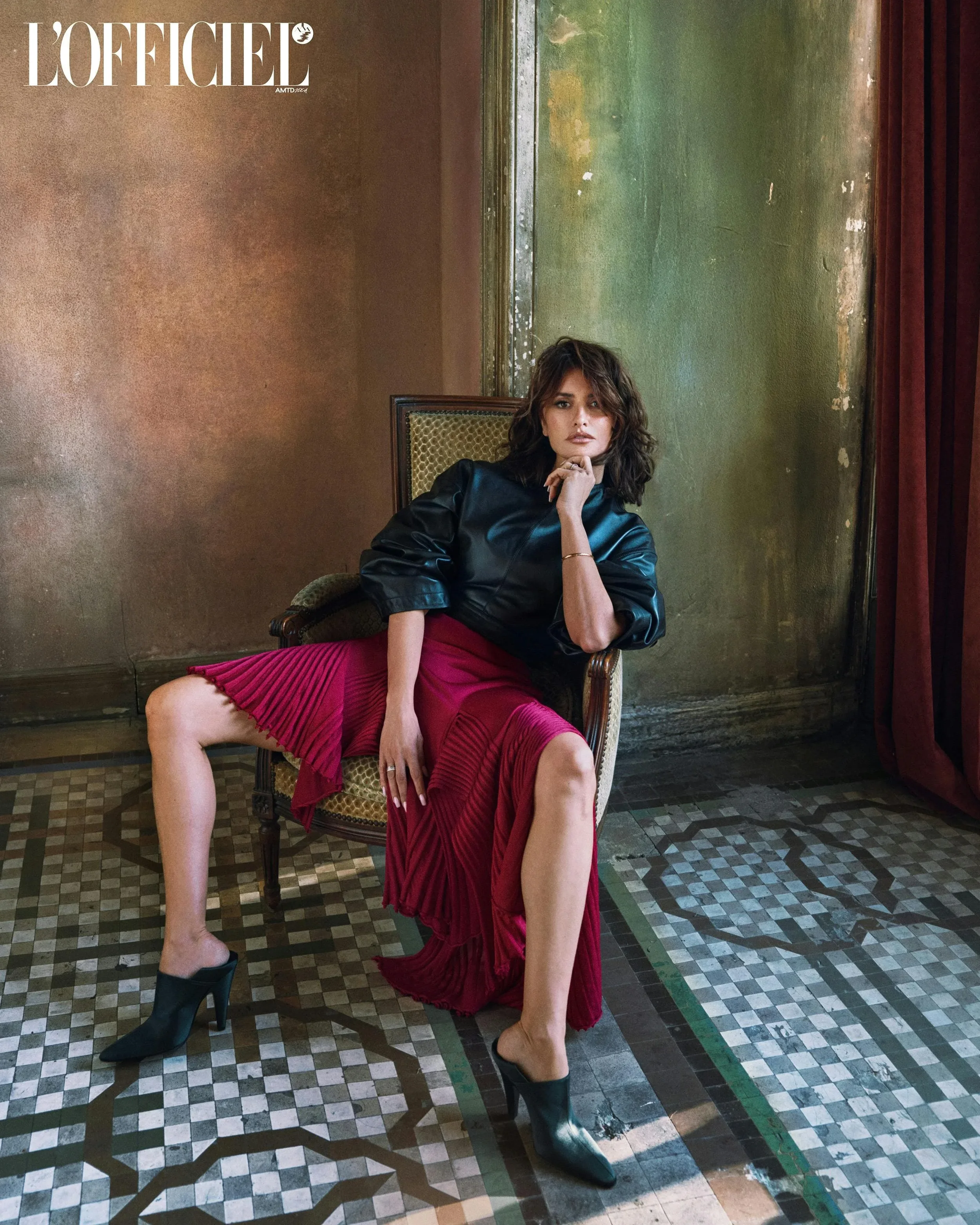
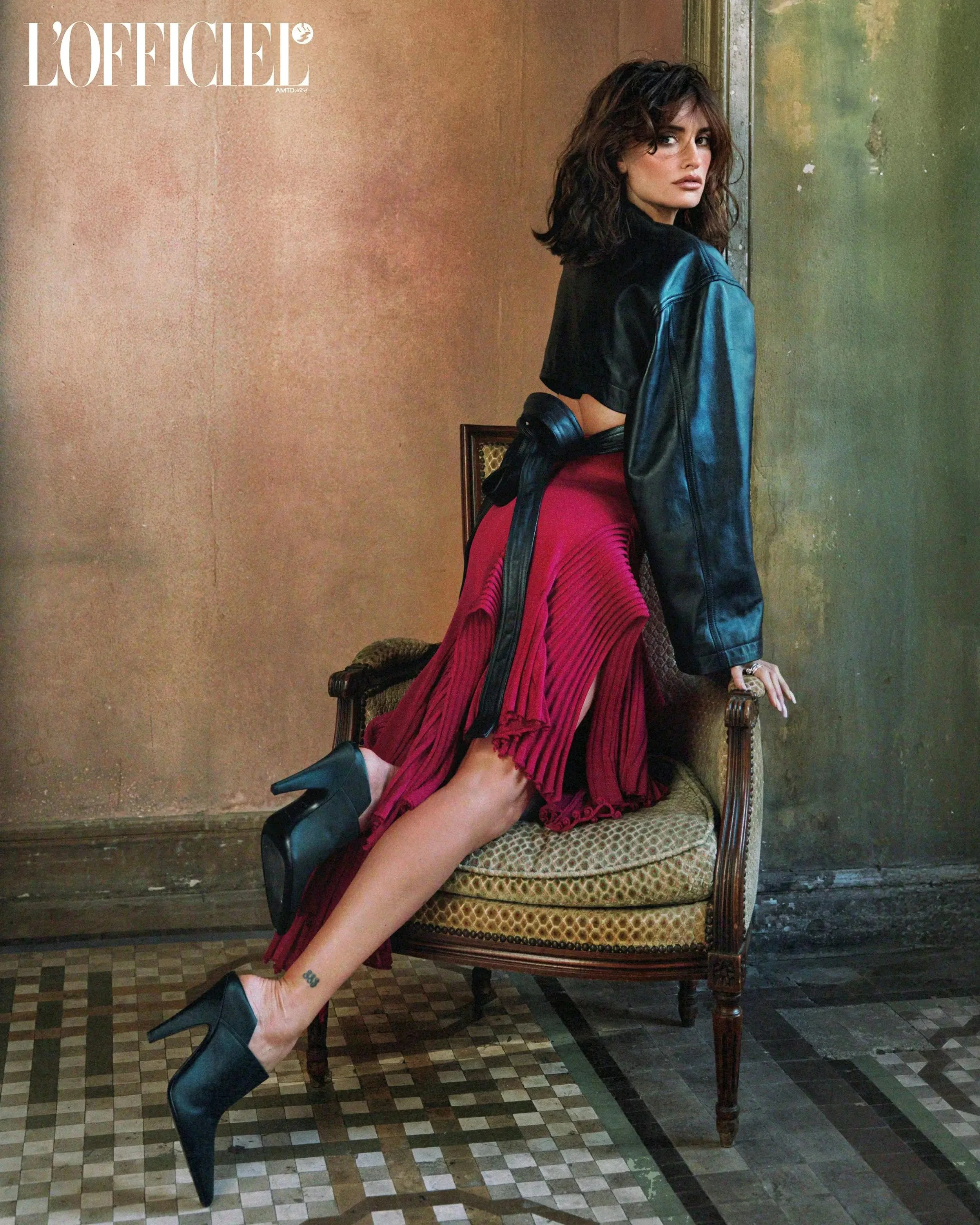
‘The Bride’ director Maggie Gyllenhaal pays Oscar winning actor and Chanel ambassador Penelope Cruz [IG] a high compliment, describing her as “a combination of things that don’t fit in a box”. Gyllenhaal has known Cruz for 20 years, expanding her Cruz analysis to L’Officiel USA writer Carrie Wittmer by saying:
“She’s so powerful, so vulnerable with a toughness. She has this wild, irrational quality about her.”
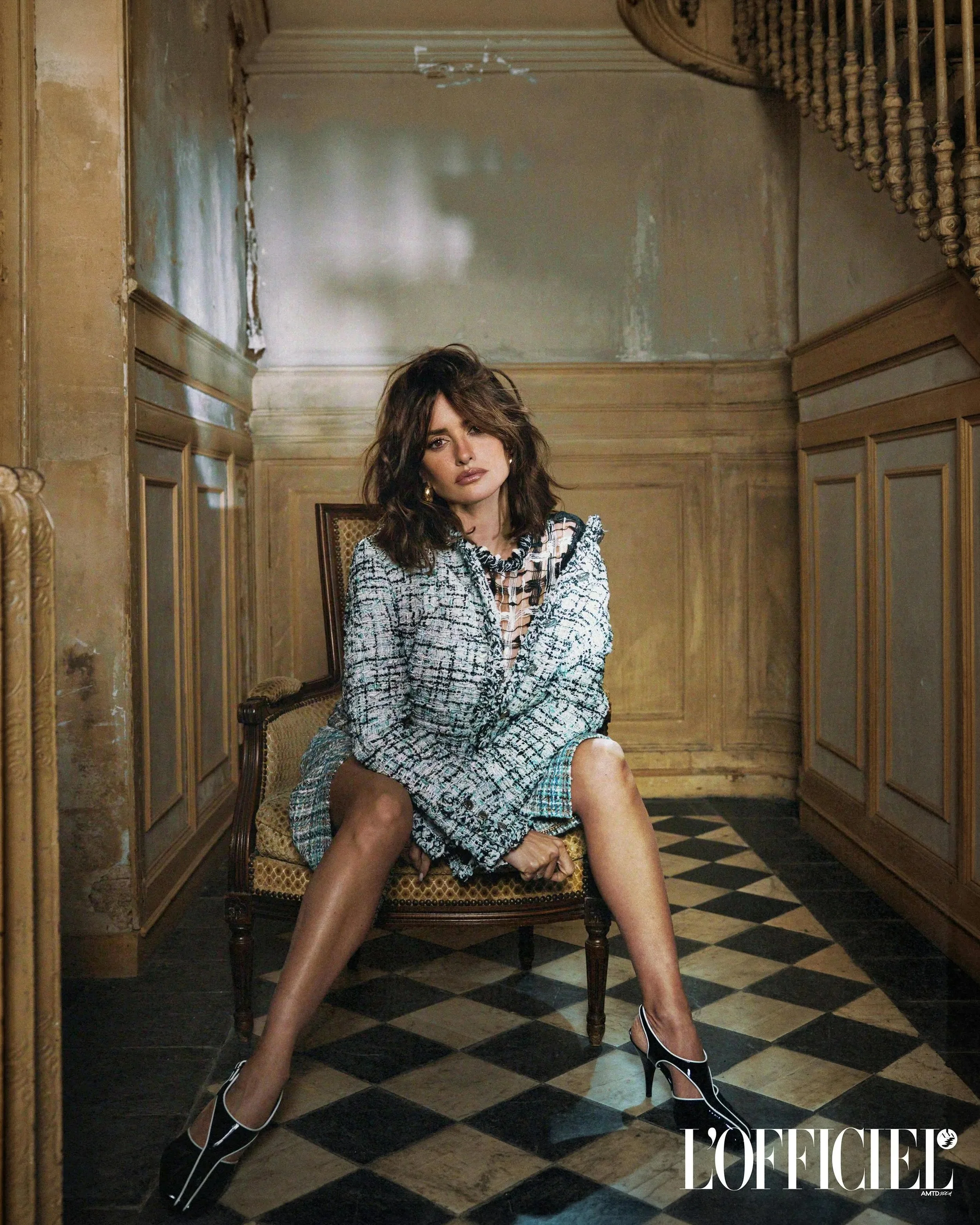
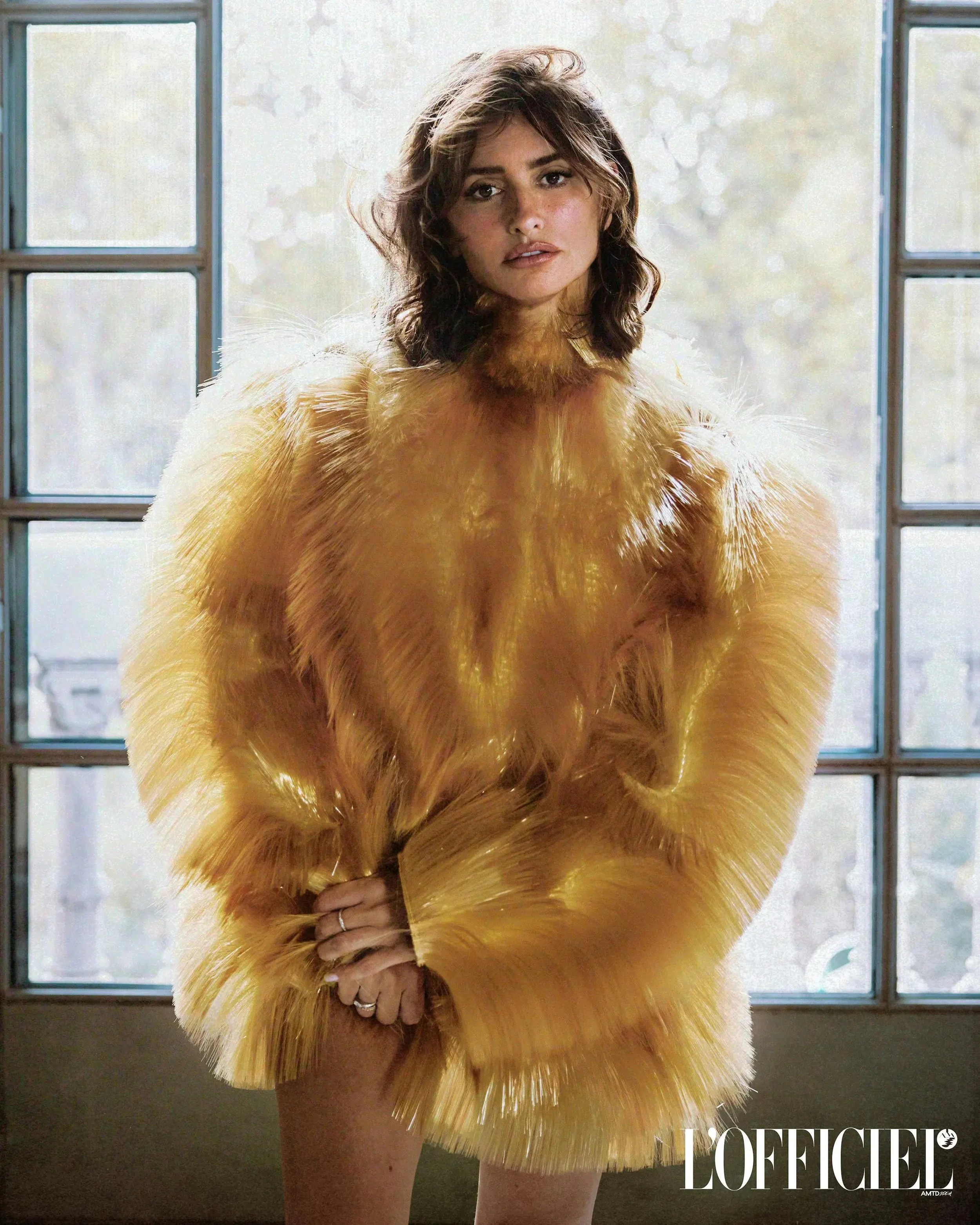
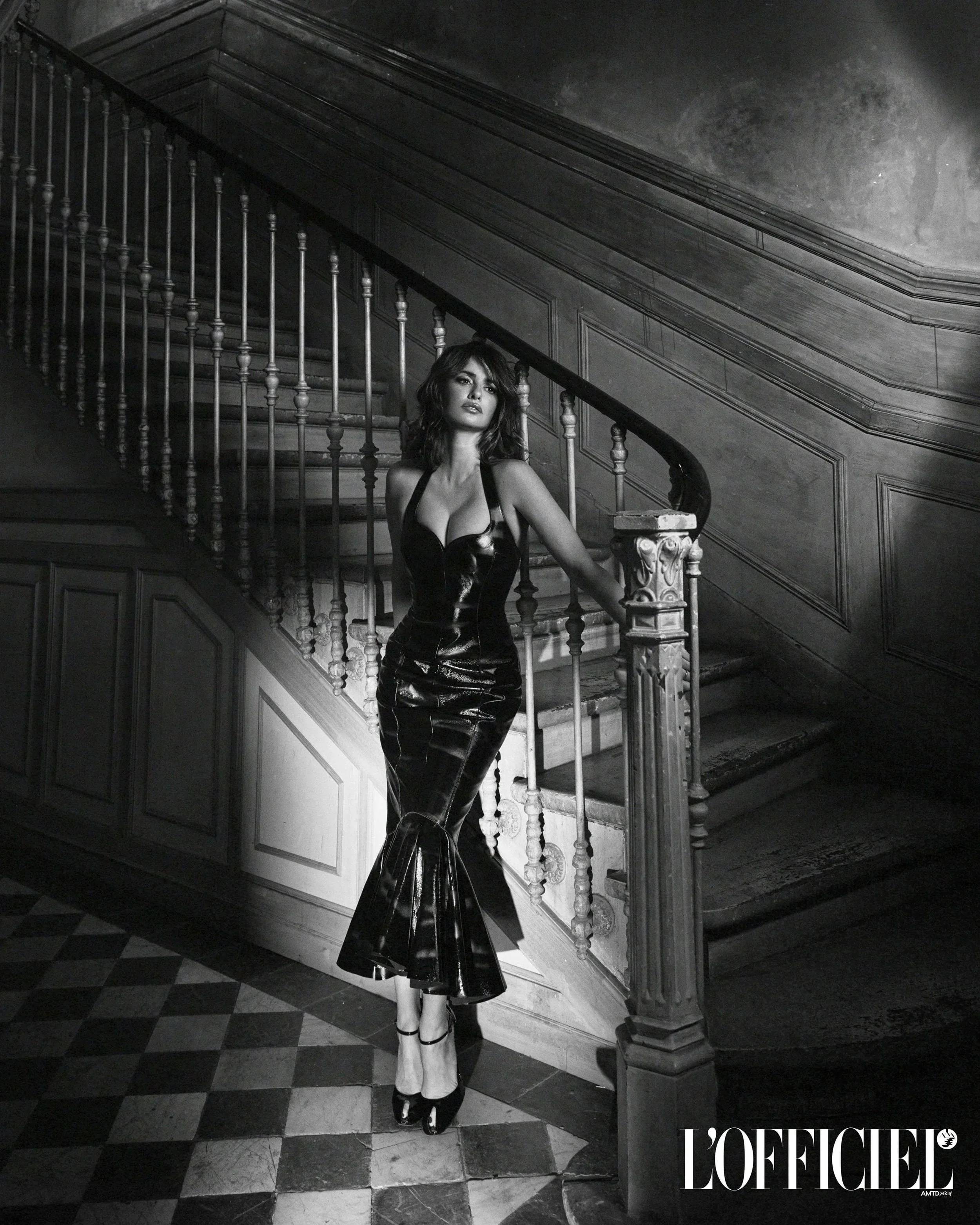
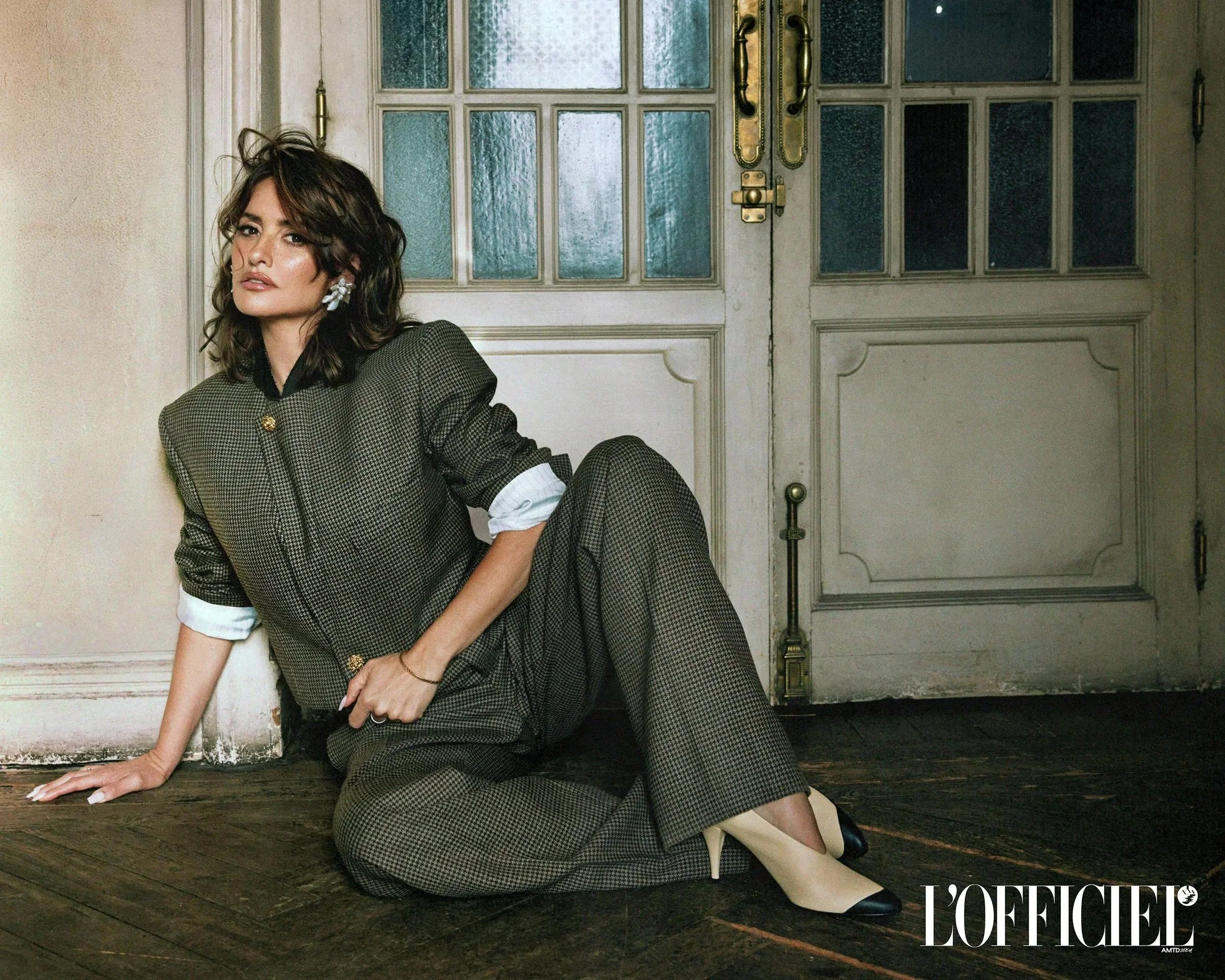
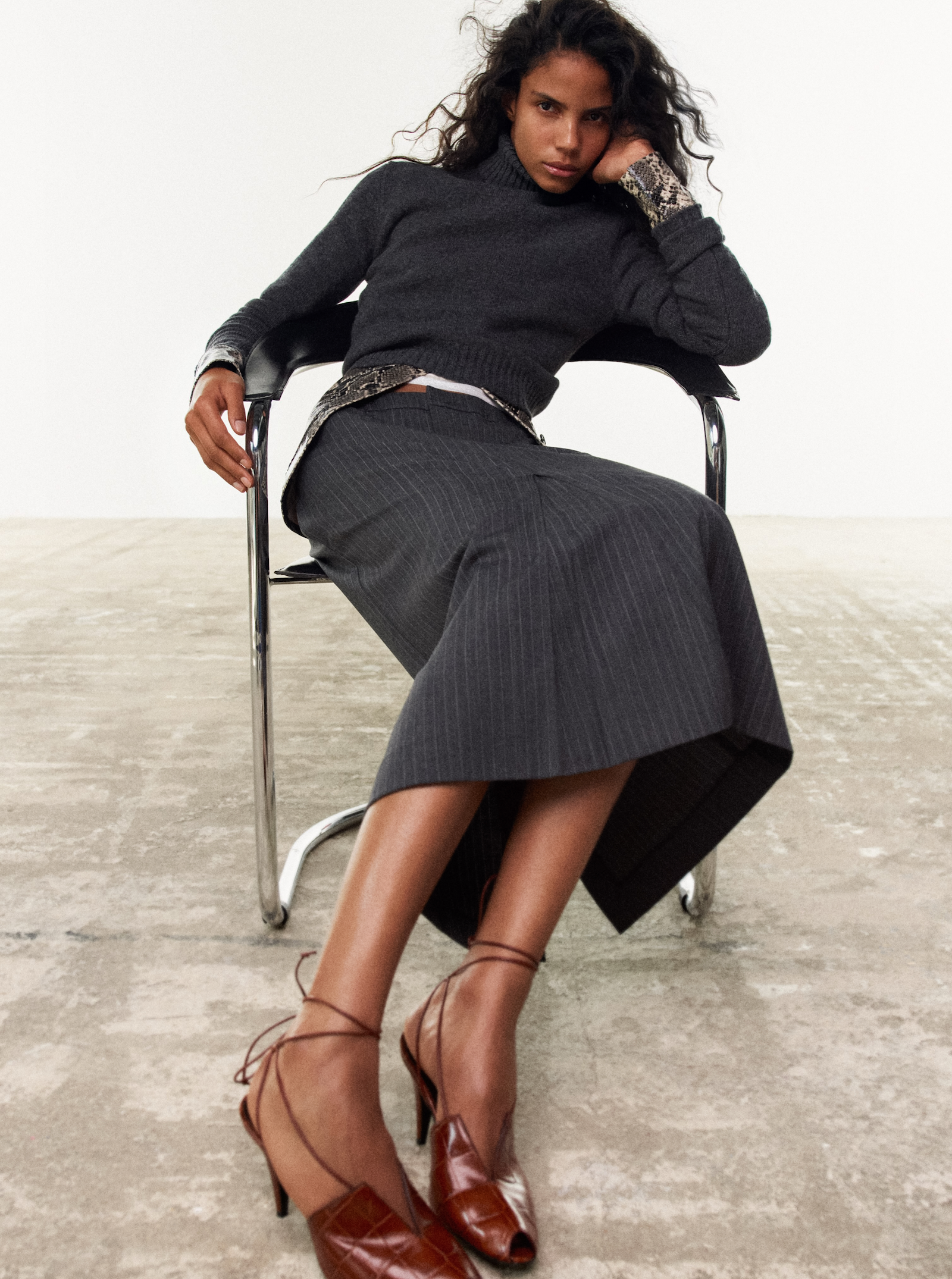
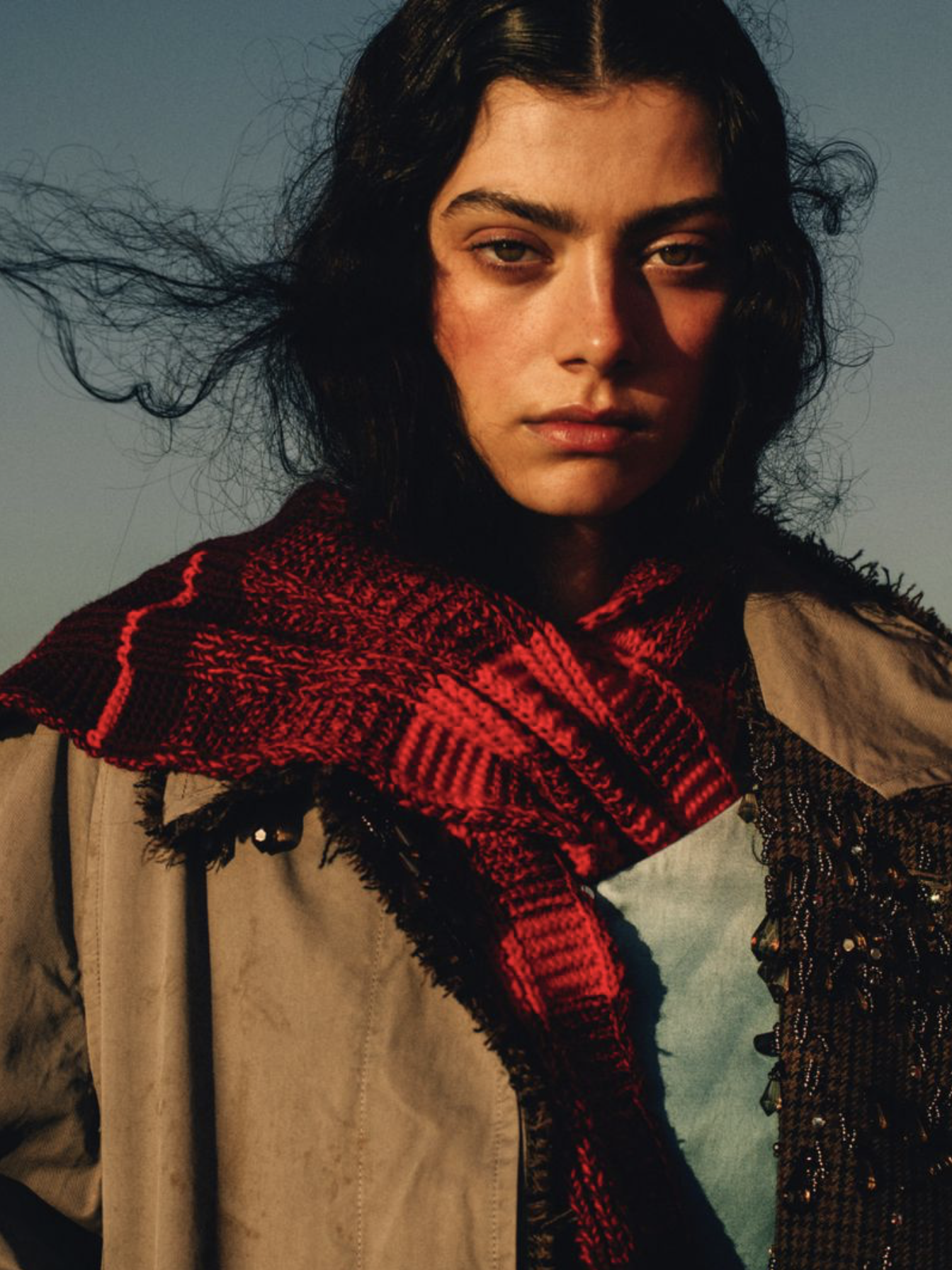
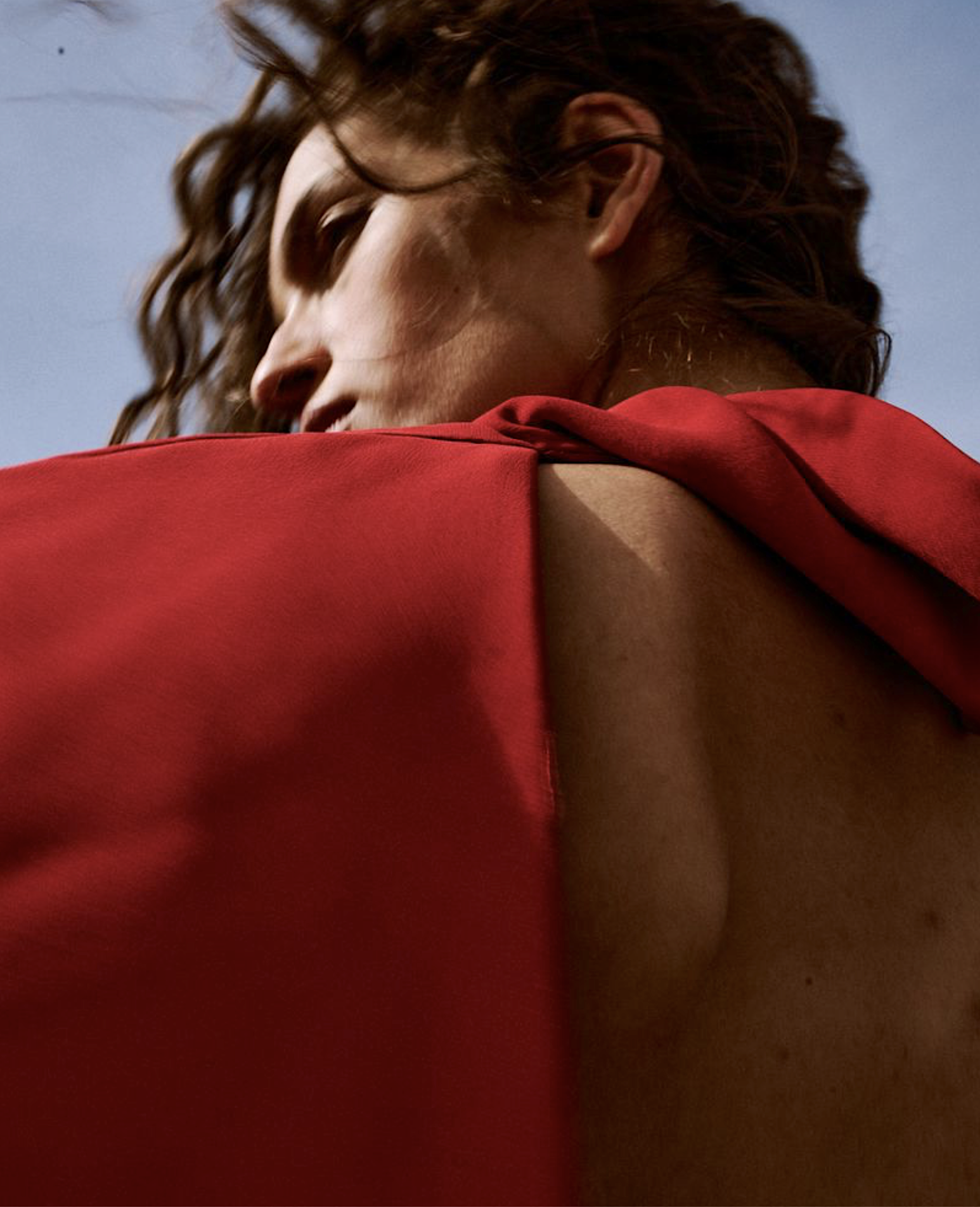
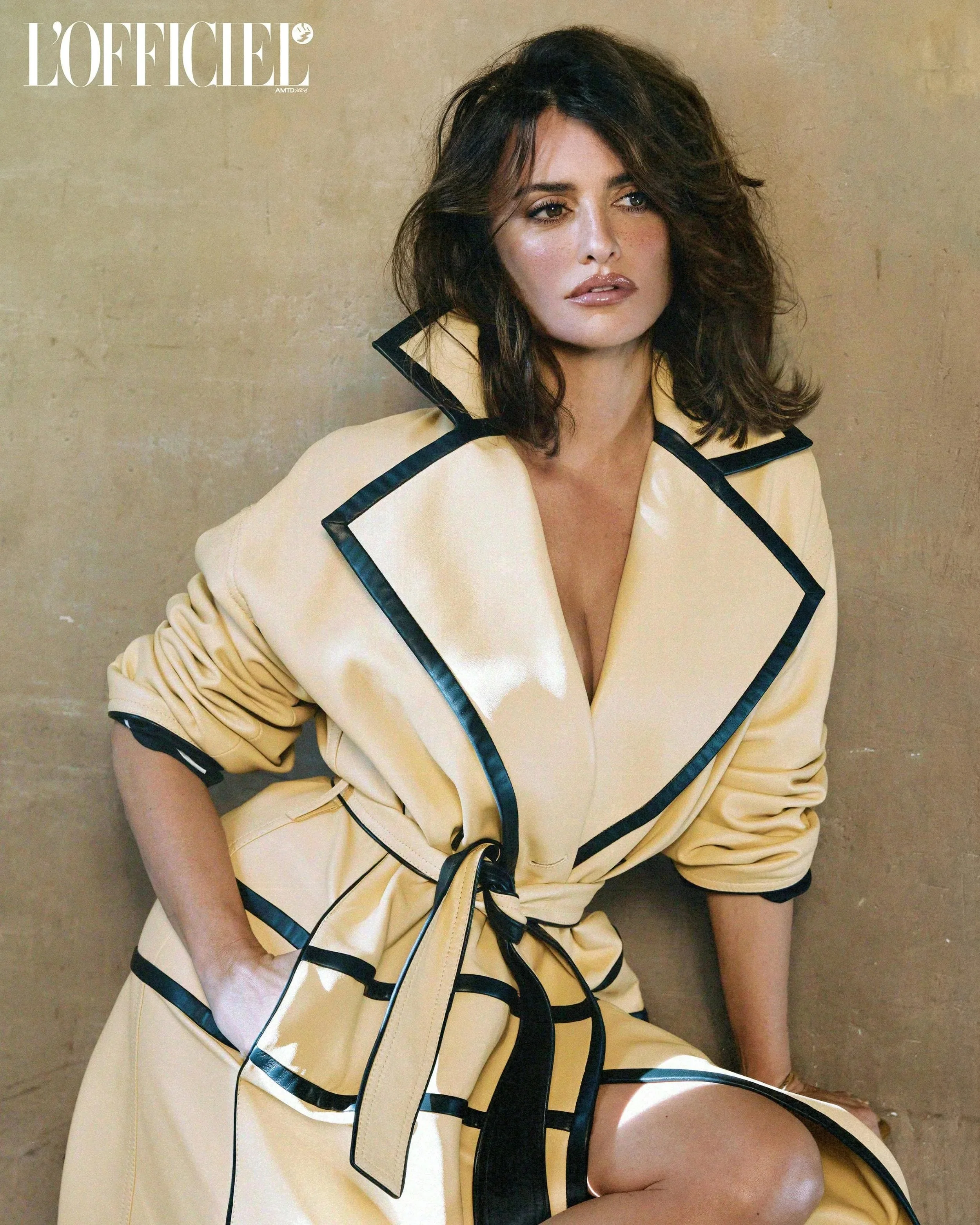
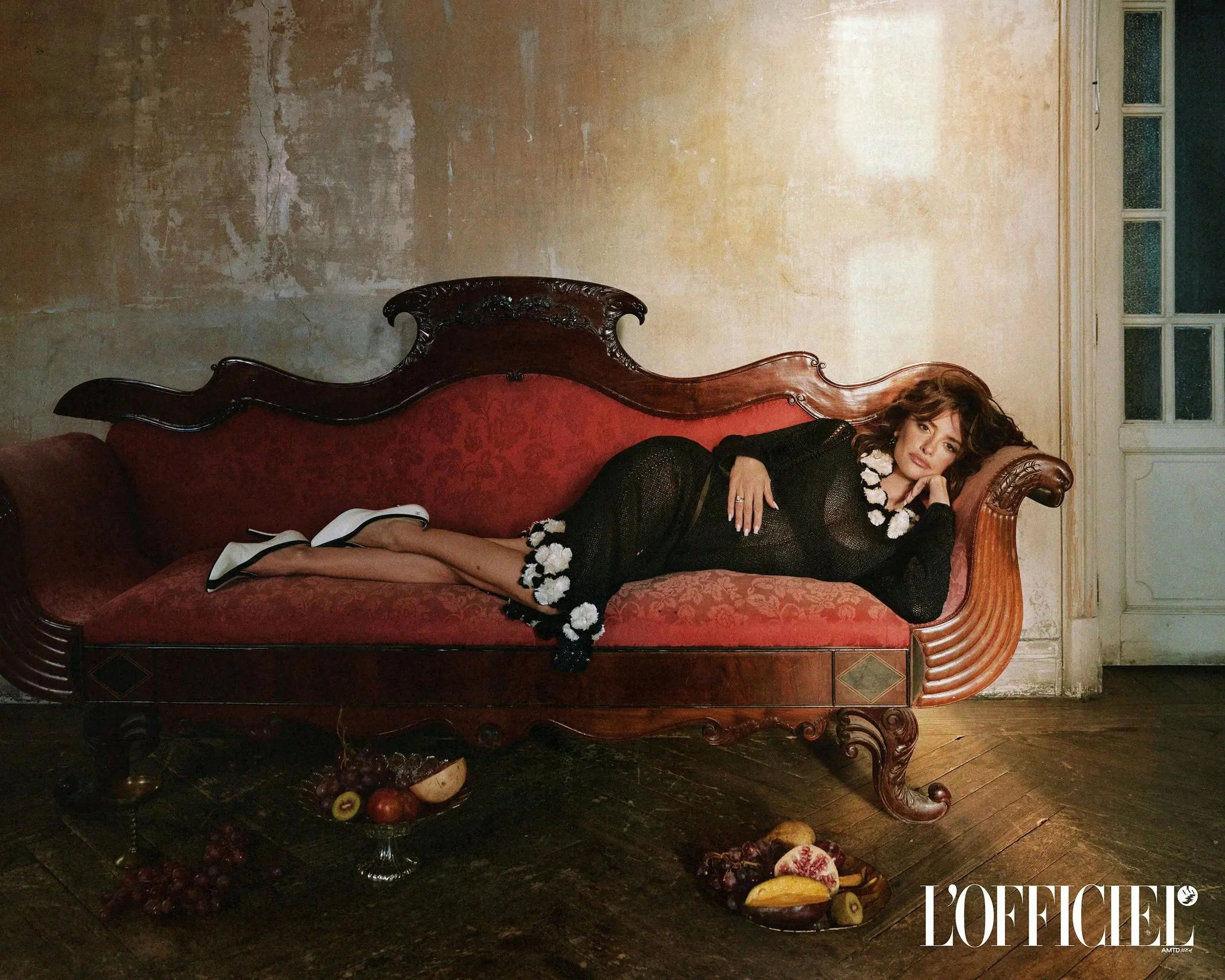
Greg Swales [IG] captures Cruz in the Chanel dominating fashion story styled by Anna Castan, with supporting roles from Alaïa, Bottega Veneta, Fausto Puglisi for Cavalli, Jacquemus and more. / Hair and makeup by Pablo Iglesias
Even if you’re not a Frankenstein fan, it’s important to understand that Gyllenhaal’s film ‘The Bride’ is less about scary science and more about radical social change and female agency. The director describes the film as a “punk revolution” that uses the Frankenstein myth for a story about a woman reclaiming her voice.
A New Origin: The movie, scheduled to open on IMAX and in select theaters on March 6, sets up everything you need to know within its own plot. A lonely man [Christian Bale] and a doctor [Annette Bening] bring a murdered woman back to life in 1930s Chicago.
Reclaiming Agency: In the original story, the Bride wakes up, screams, and dies minutes later. In this version, she wakes up with "a lot to say" and refuses to be anyone's "creation" or "companion." It’s a feminist inversion where she builds her own identity.
The ‘Punk’ Ethos: The film is set in a stylized 1930s Chicago that Gyllenhaal describes as "1930s by way of 1981 New York." This ‘punk’ energy represents a refusal to fit into boxes and a celebration of those traditionally pushed aside.
The Outlaws: Alongside Frankenstein’s monster [Christian Bale], the Bride, played by [Jessie Buckley] becomes part of an ‘outlaw’ duo. Buckley is a very hot property in the world of film, after winning a 2026 Golden Globe and now holding an Oscar nomination for her performance in ‘Hamnet’.
Their combustible romance and high-profile chaos — created to resemble a supernatural Bonnie and Clyde — ignite a radical movement of followers that draws heavy interest from the police. Detective Myrna Mallow, described as a woman struggling for recognition in a male-dominated field, takes the lead in tracking the “monsters”.
In essence, the movement is a feminist and counter-cultural rebellion where the monsters represent the marginalized fighting for self-discovery and freedom from their creators' expectations. Fine. The plot is now in Anne territory.
The Unsettling Connection: As Myrna hunts the duo, she begins to see "unsettling commonalities" between herself and the creatures. Her struggle for identity and agency as a professional woman in the 1930s mirrors the Bride's struggle to define herself after being resurrected by men.
The investigation provides the grit that balances the punk-rock energy of the Bride’s social movement. It frames the supernatural events as a crime thriller, forcing the audience to see the "monsters" through the eyes of a rigid society that fears their radical change.
Unsettling Anne: I admit to being flummoxed by running into ‘Dracula’ — not only in Jonathan Anderson’s 2018 Loewe six-books literary collection and now several years later at Dior 2026. ‘Dracula’ is not only on the Dior book tote, but on scarves and other accessories. Dior is betting the store on these Euro-centric titles.
Do not ask me how these book totes will find homes in China. They run absolutely opposed to the promoting Chinese culture initiatives that are a high-priority in the Chinese government and now embraced by China’s luxury shoppers. Key concept are ‘cultural intention’ and ‘emotional credibility’.
Then I learned about ‘The Bride’, which is not a remaking of the original Frankenstein movie, as I originally thought on a first headline skim. I admit to being very exasperated with all this Goth material, but my frown line is gone regarding ‘The Bride’.
This is a natural place to break in advance of narrating a most interesting argument I had with myself over Dior’s Jonathan Anderson liking or not liking this reimagined ‘The Bride’. These conversations are never a straight line to a yes or no destination. As I turned for another point of view from two highly-regarded sources, I jumped the puddle into an entirely-different, insightful argument that surprised all of us — including me.
Stay tuned. ~ Anne