Fake Poser Plants vs the Health and Wellness Benefits of Real Plants
/
Daily excerpts of new fashion, culture, lifestyle, activism and women's news. RSS home base.

Xenia Gouras Blooms in 'Fauna & Flora' by Alina Gross for Vogue Portugal May 2021
Photographer Alina Gross [IG} shoots model Xenia Gouras in ‘Fauna & Flora’, a beauty story styled by Davor Jelusic for Vogue Portugal’s May 2021 issue./ Hair by Eduardo Bravo; makeup by Helena Narra

Christy Turlington Burns Talks Activism, Maternal Health with T Style Magazine Singapore
Supermodel Christy Turlington covers the April 2020 issue of New York Times Style Magazine Singapore, styled by Jack Wang and Jumius Wong in Balenciaga, Bottega Veneta, Givenchy, Saint Laurent, Salvatore Ferragamo and more. Photographer Chris Colls is behind the lens, with Renée Batchelor conducting the interview: Christy Turlington Burns Finds Her Voice.
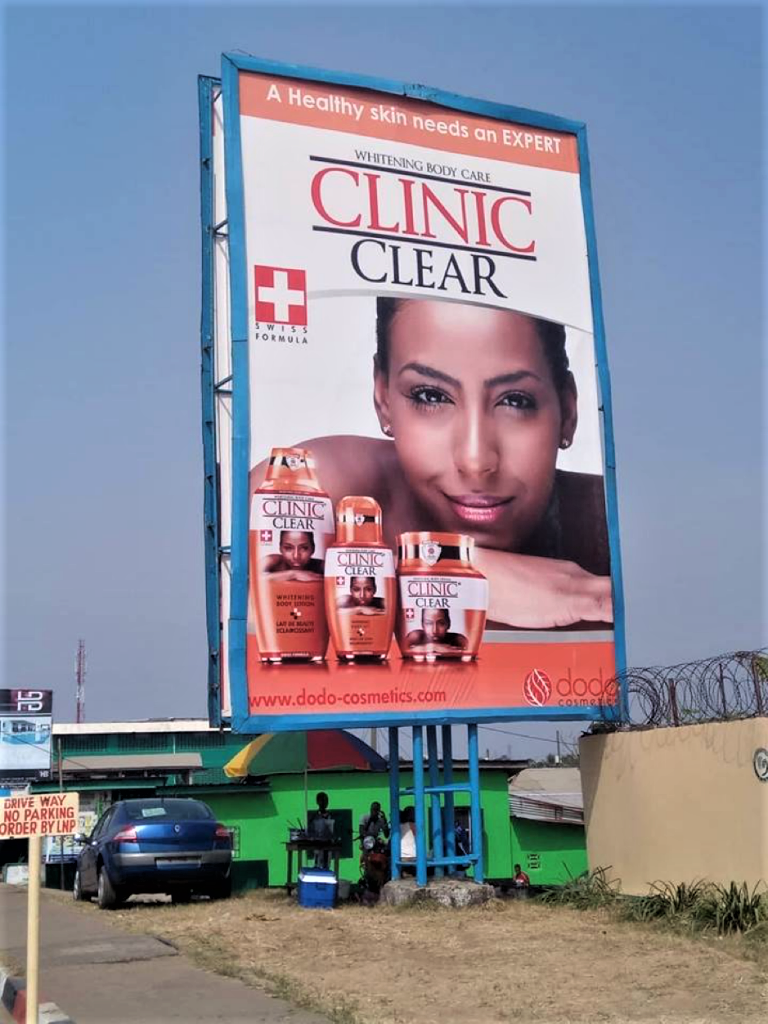
THE WEST AFRICAN NATION OF LIBERIA IS ALLOWING VENDORS TO ERECT HUGE BILLBOARDS ADVERTISING BLEACHING PRODUCTS IN AND AROUND MONROVIA. SIMULTANEOUSLY, RWANDA HAS BANNED SKIN BLEACHING PRODUCTS, WHICH THE GOVERNMENT DESCRIBES AS UNHEALTHY. VIA
There’s a Complex History of Skin Lighteners in Africa and Beyond AOC Body
Somali-American activists recently scored a victory against Amazon and against colourism, which is prejudice based on preference for people with lighter skin tones. Members of the non-profit The Beautywell Project teamed up with the Sierra Club to convince the online retail giant to stop selling skin lightening products that contain mercury.
After more than a year of protests, this coalition of antiracist, health, and environmental activists persuaded Amazon to remove some 15 products containing toxic levels of mercury. This puts a small but noteworthy dent in the global trade in skin lighteners, estimated to reach US$31.2 billion by 2024.
What are the roots of this sizeable trade? And how might its most toxic elements be curtailed?
The online sale of skin lighteners is relatively new, but the in-person traffic is very old. My new book explores this layered history from the vantage point of South Africa.
As in other parts of the world colonised by European powers, the politics of skin colour in South Africa have been importantly shaped by the history of white supremacy and institutions of racial slavery, colonialism, and segregation. My book examines that history.
Yet, racism alone cannot explain skin lightening practices. My book also attends to intersecting dynamics of class and gender, changing beauty ideals and the expansion of consumer capitalism.
All content Copyright © AnneofCarversville.com 2007-2026 or their respective owners where indicated.

