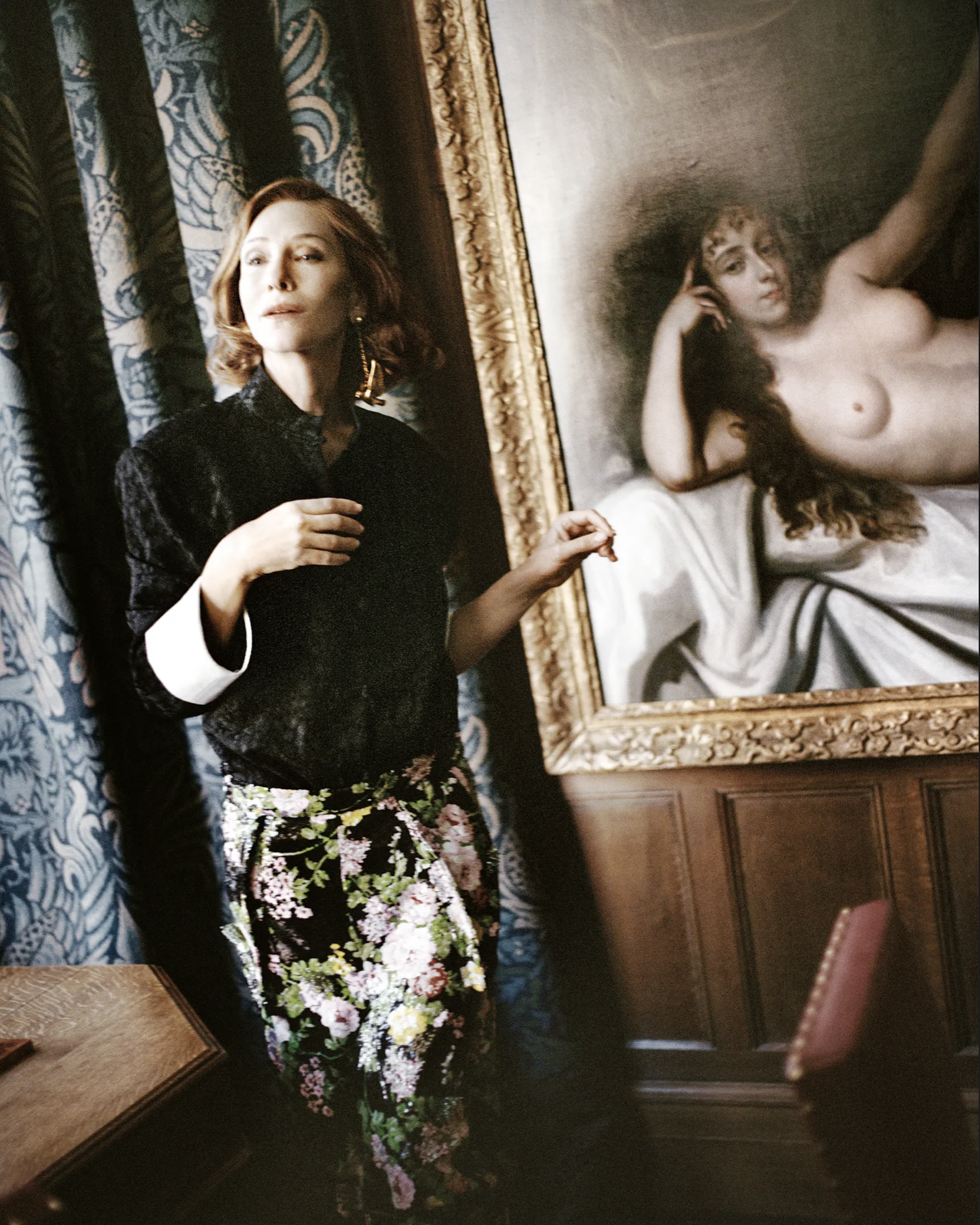
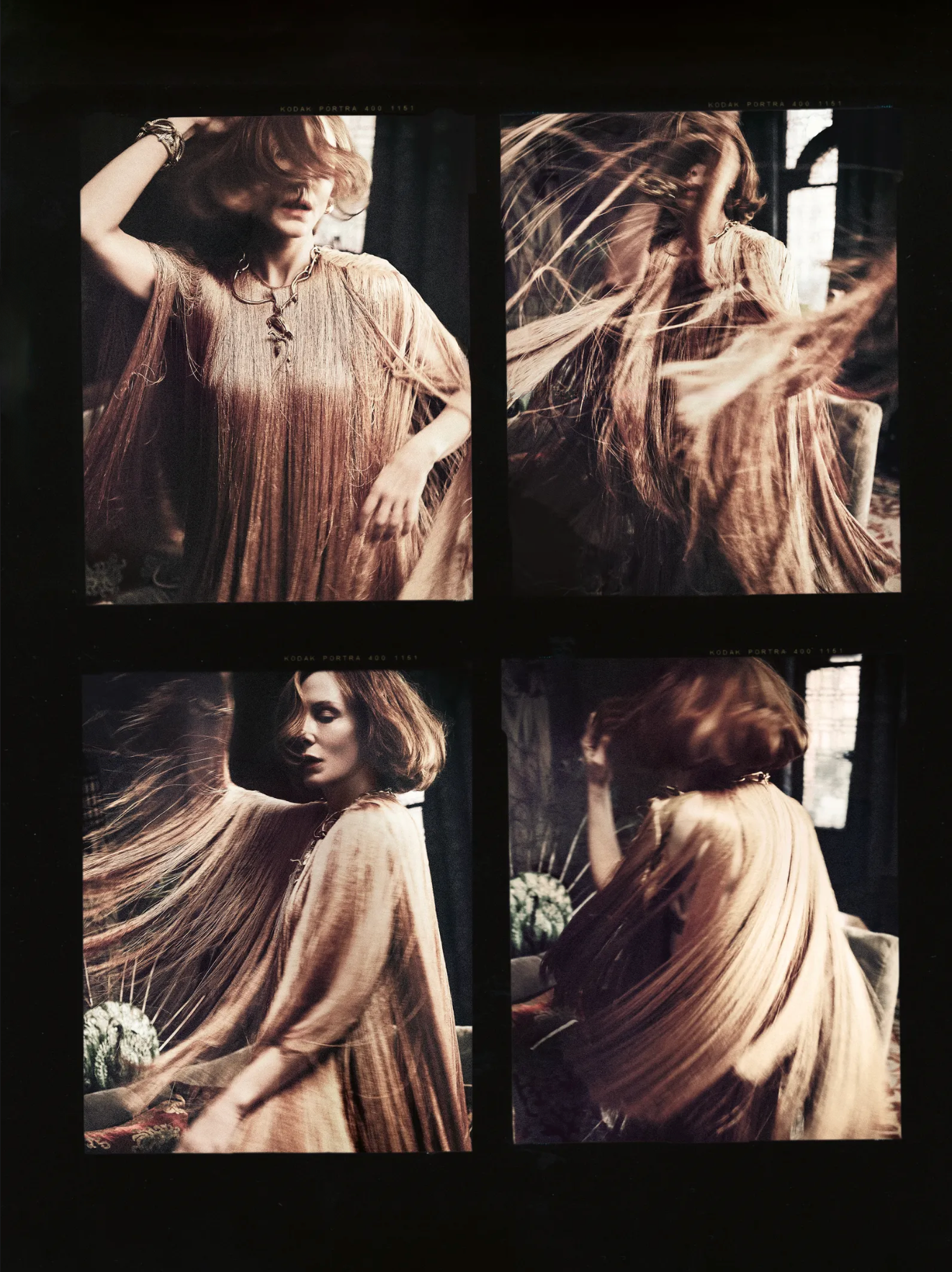
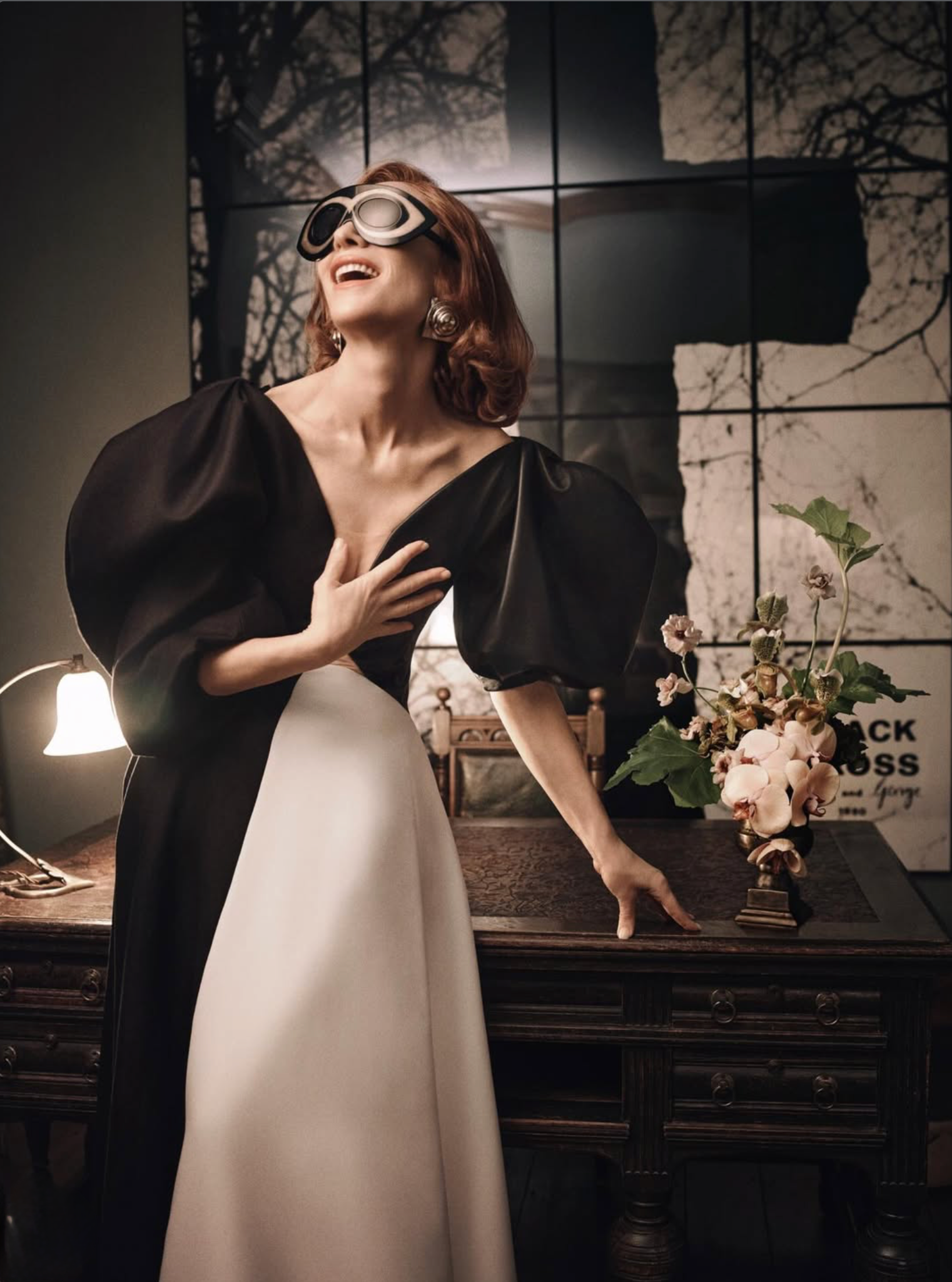
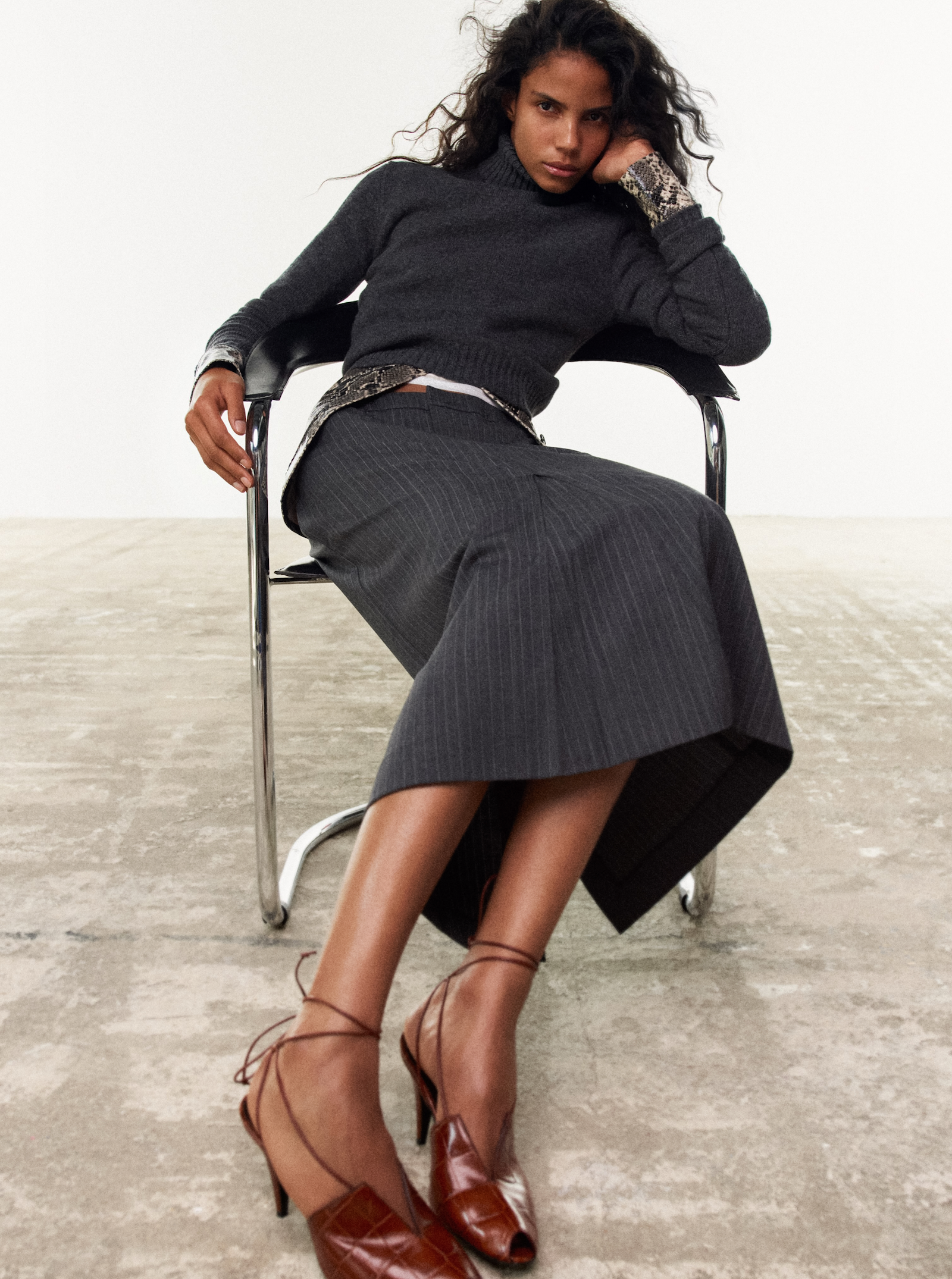
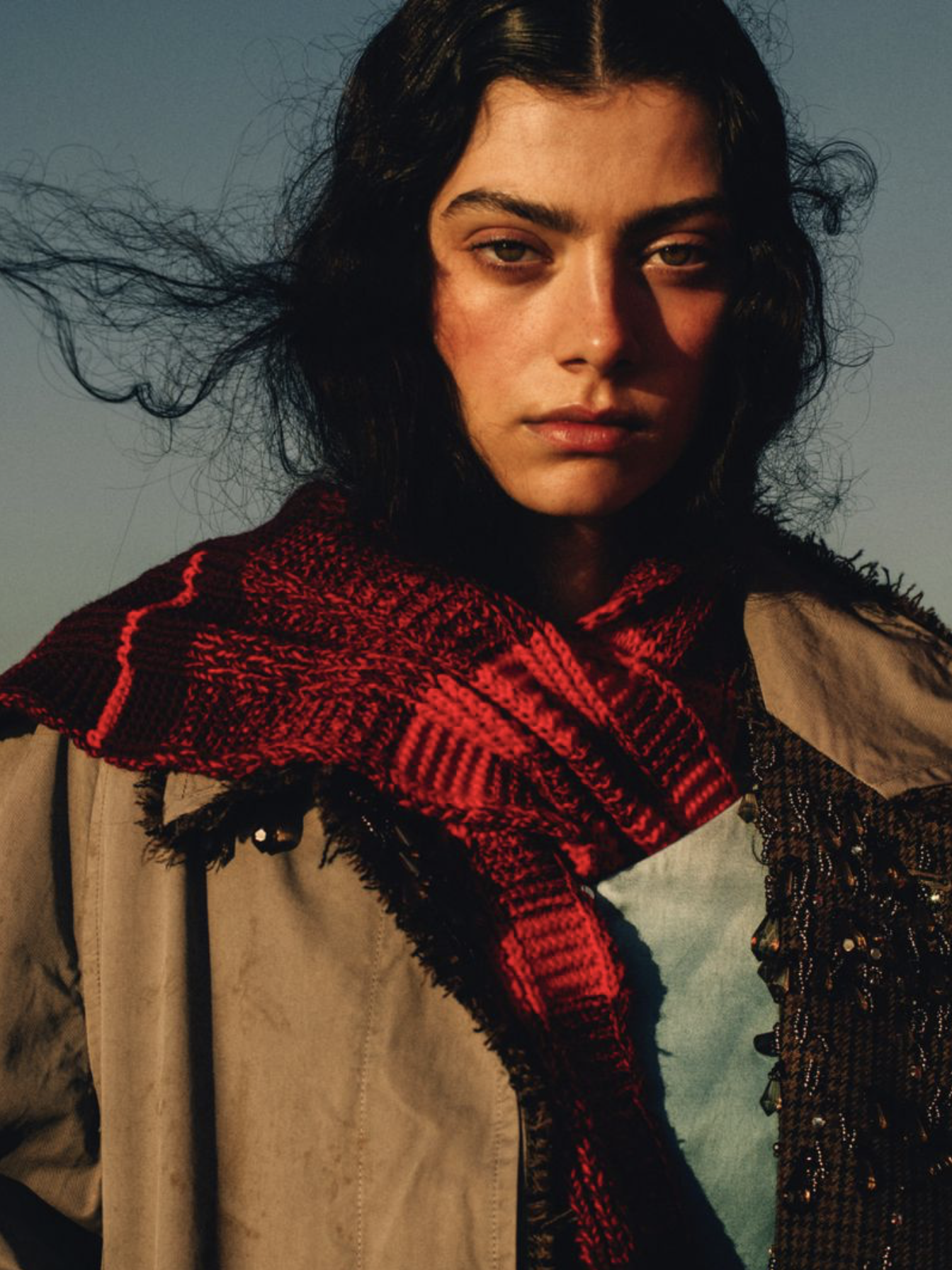
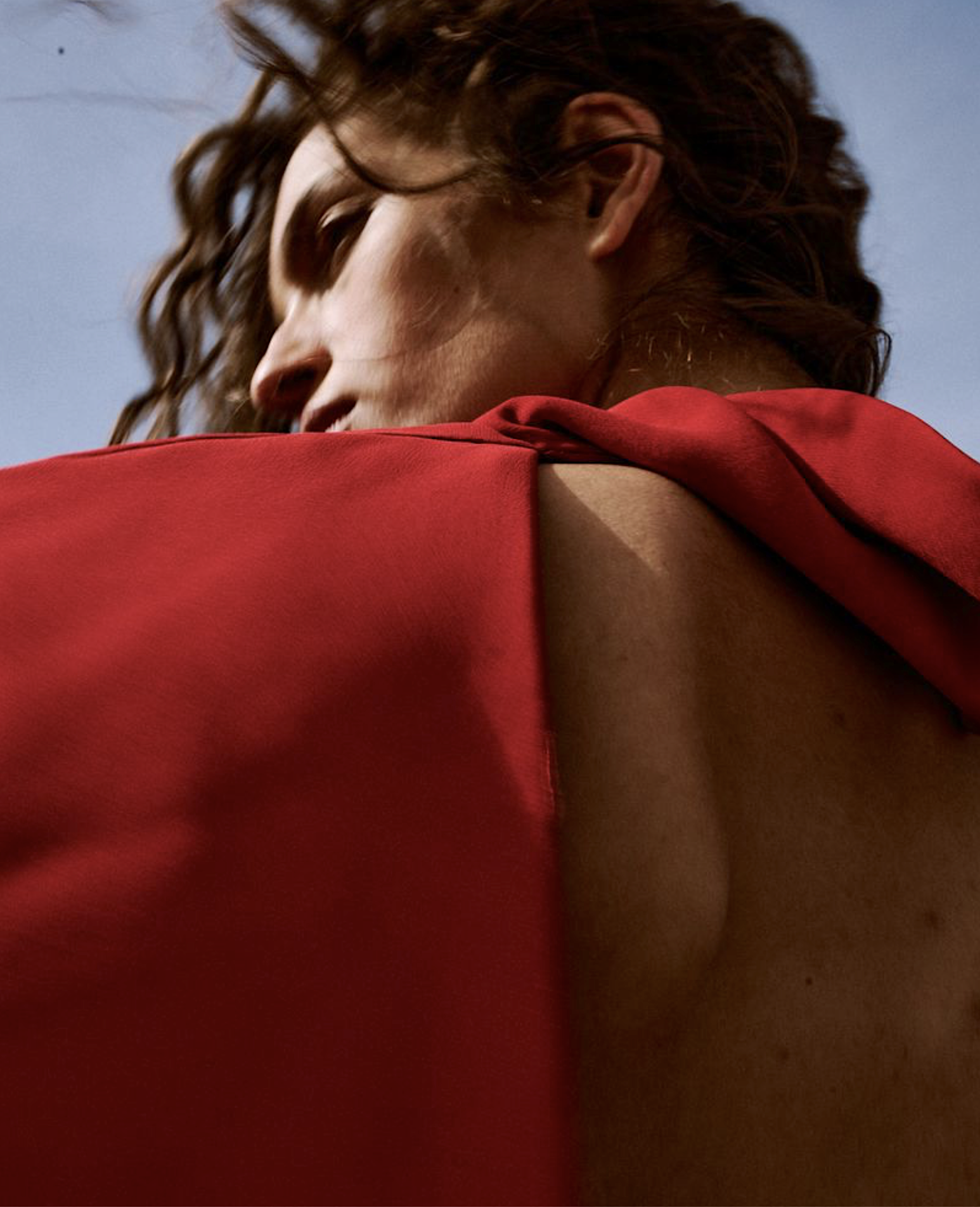
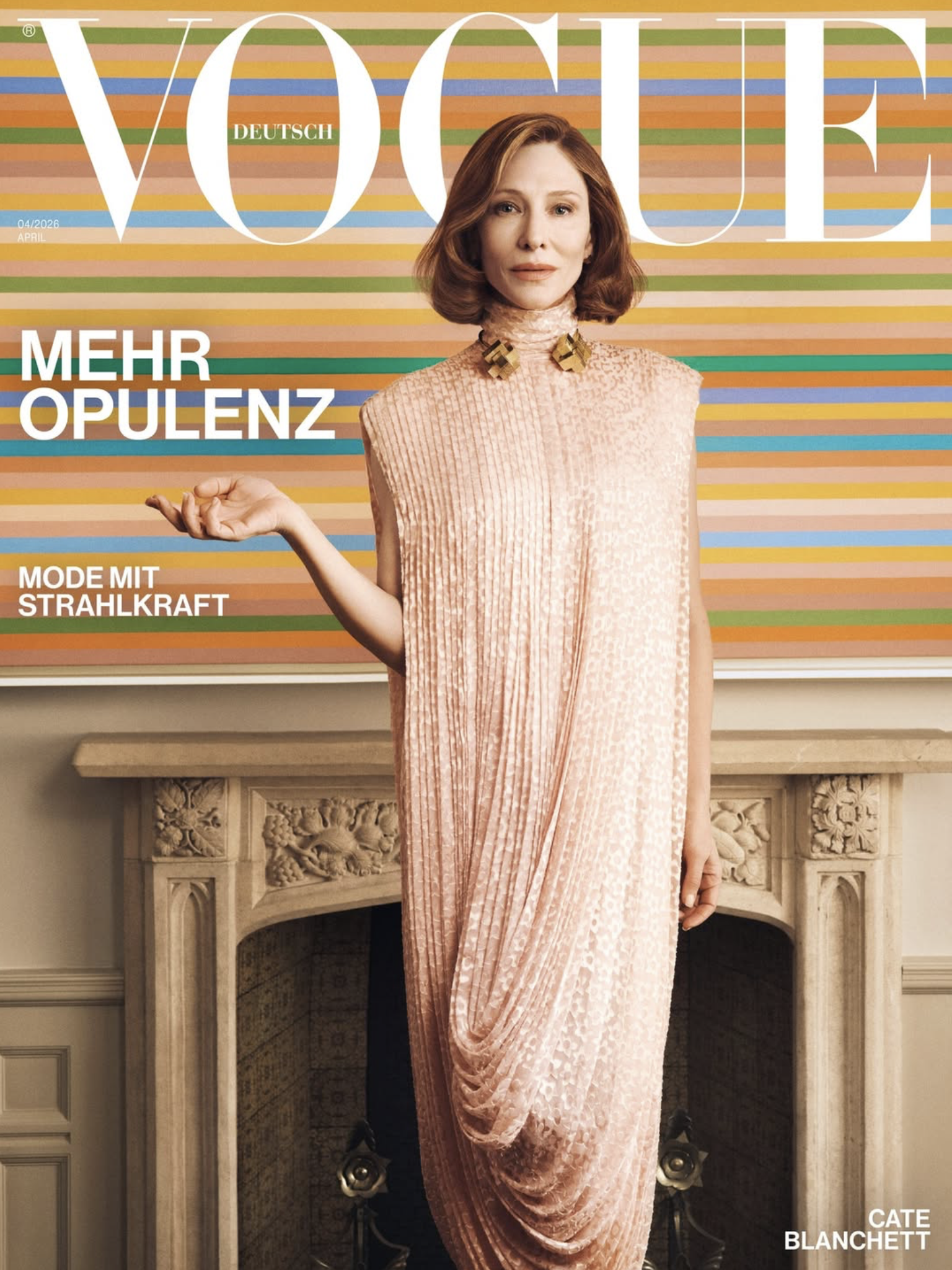
Cate Blanchett Actor and Activist in Vogue Germany April 2026 by Nikolai von Bismarck
/
Blanchett and the Displacement Film Fund
Leading lady, Oscar winning Cate Blanchett learned today that she has been named the 2026 recipient of the British Short Film Awards’ Impact Award. Blanchett will be recognized on Nov. 8 in London for her work “with the Displacement Film Fund [DFF], an initiative supporting short films created by refugees and filmmakers living in displacement. The fund has aided a collection of short films from directors originating from Afghanistan, Iran, Ukraine, Syria, and Somalia.”
"I am galvanised by this award," Blanchett said. "There is momentum around supporting and highlighting stories which deeply engage with the enraging and bewildering times through which we are living -- stories which, in the case of the DFF short films, challenge perceptions and amplify the perspectives of those with lived experience of displacement."
"Stories of courage, humanity and hope," she added. "What an honour to be receiving this on behalf of the Displacement Film Fund team."
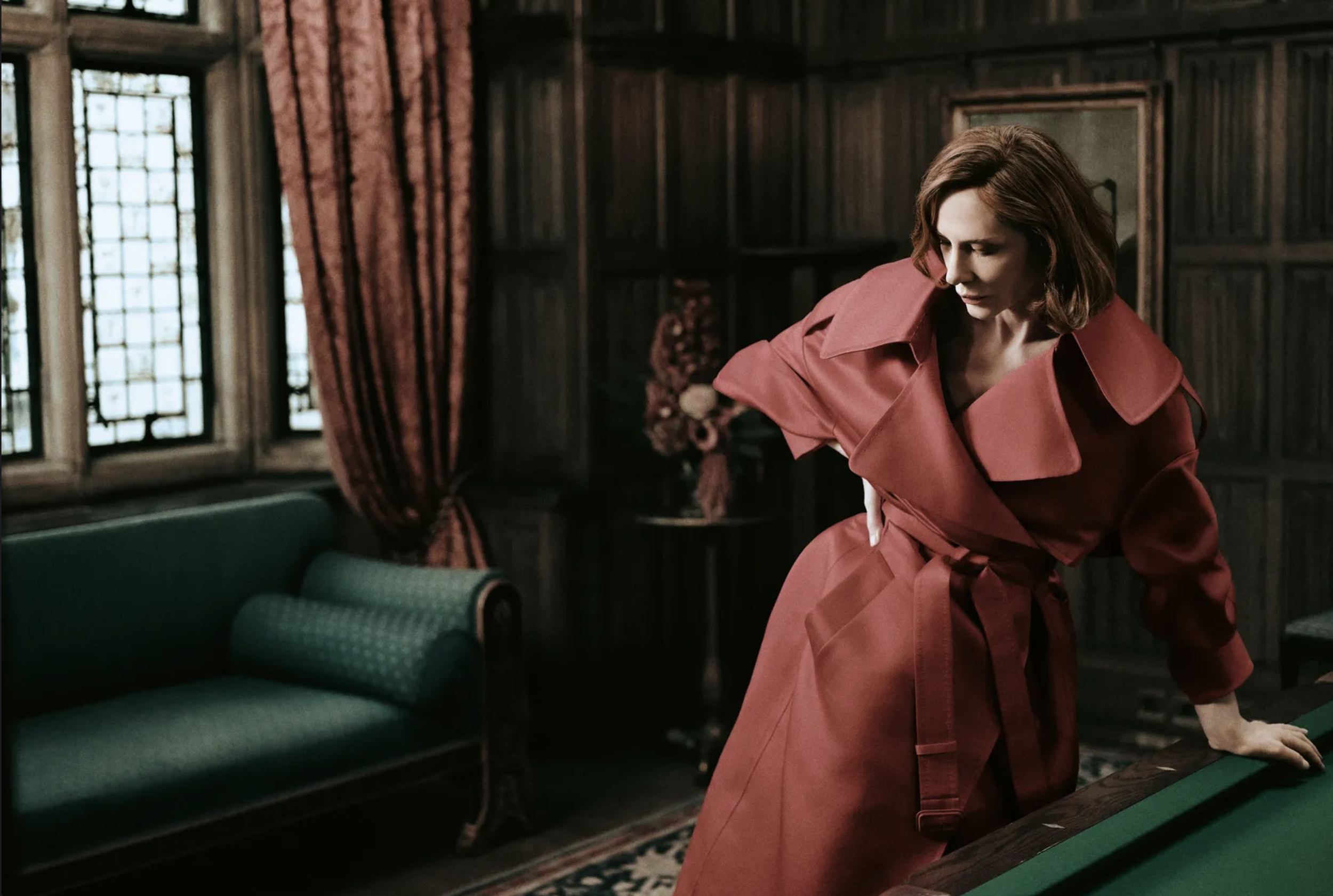
Blanchett in Vogue Germany
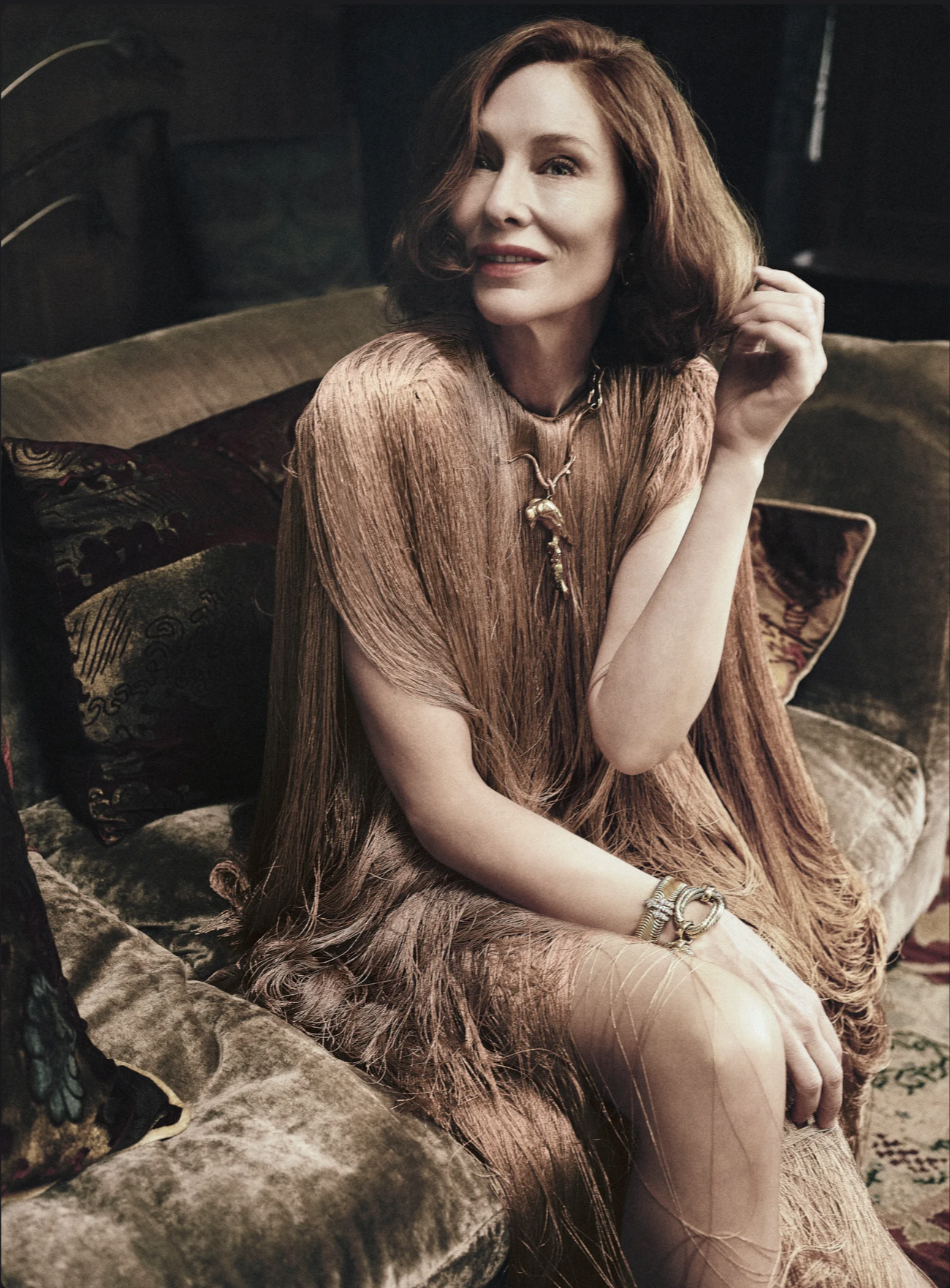
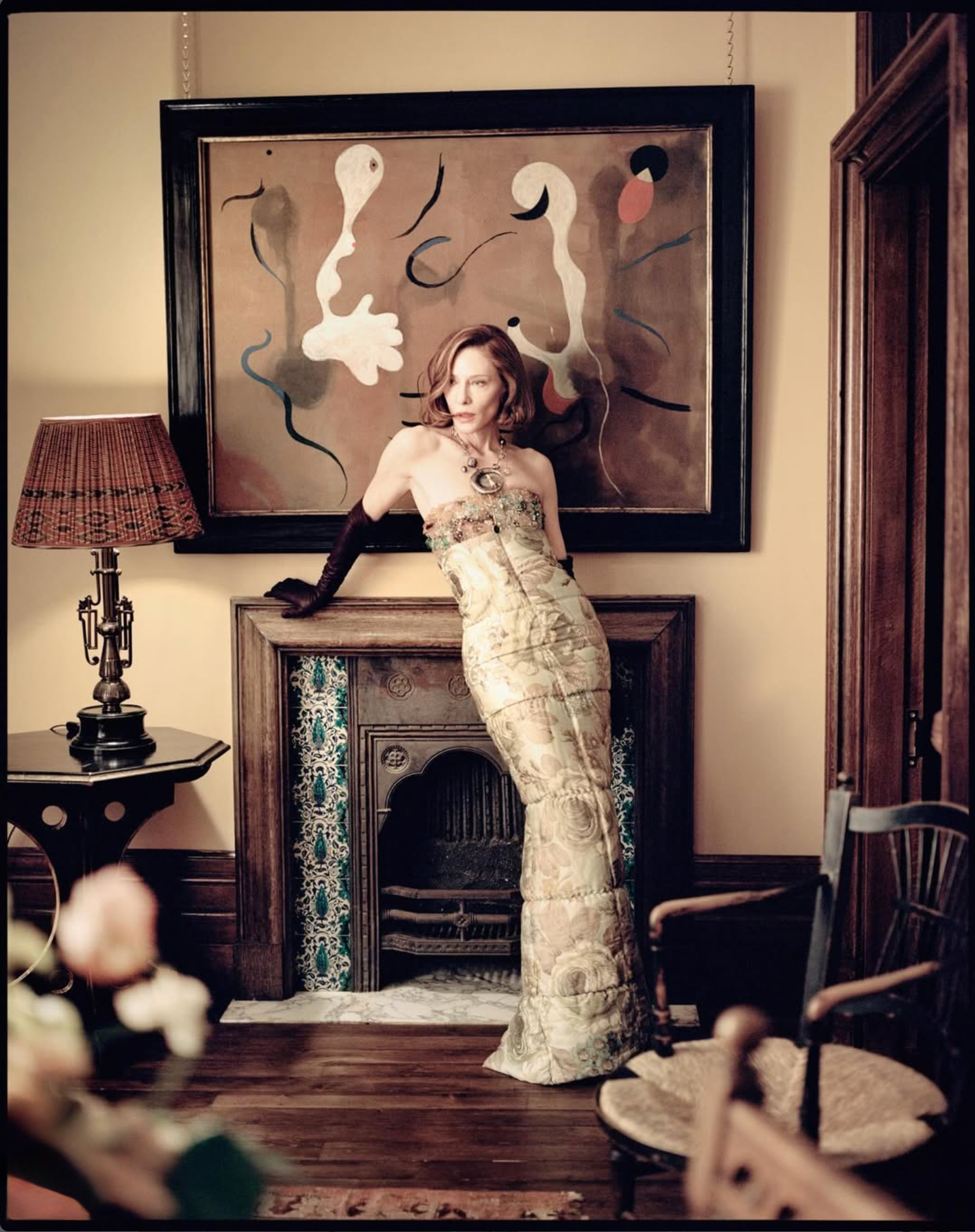
These closeup and personal images of Cate Blanchett were taken by Nikolai von Bismarck [IG] for the April 2026 issue of Vogue Germany [IG]. Alister Mackie styled the fashion shoot ‘CATE The Collector’ with Louis Vuitton on the cover, Dior, Dries Van Noten, Gabriela Hearst, Lou de Bètoly, Phoebe Philo and more inside. / Makeup by Mary Greenwell; hair by Olivier Schwalder
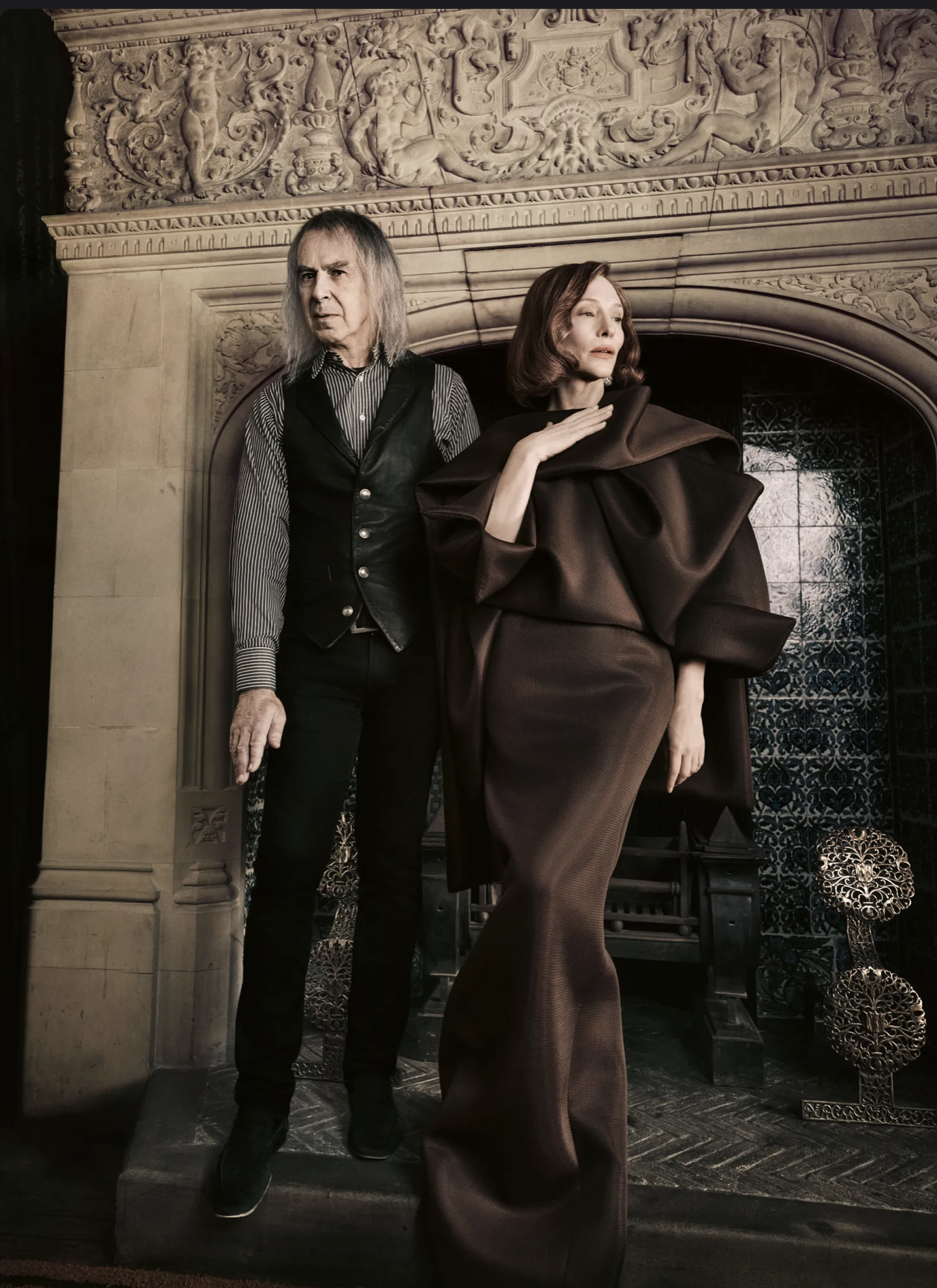
Hamburger Bahnhof Museum 30th Anniversary
Cate Blanchett was not at the Oscars Sunday evening but in Berlin at the renowned Hamburger Bahnhof Museum for its 30th anniversary. Cate was a speaker and member of the host committee – explaining her feature in Vogue Germany. She wore a sophisticated, drop-dead ‘impressionist painting’ modern gown by Louis Vuitton.
Julian Rosefeldt, the German artist and film maker who appears alongside Cate in the Vogue Germany story and interview, is best known for his 2015 work ‘Manifesto’, in which Blanchett performed 13 different roles. Rosefeldt reassembled writings from various movements, such as Dadaism, Surrealism, Futurism, Pop Art, and Dogme 95 to create the dialogues belonging to Blanchett’s characters.
Ranging from a homeless man, a high-society widow, a punk, a factory worker, and a TV news anchor — each reciting fragments of famous manifestos — the format was originally a multi-screen video installation where the 13 segments played simultaneously in the gallery. Subsequently, the artwork was later edited into a 94-minute feature film for theatrical release.
The film explores the contemporary relevance of these impassioned, often youthful calls for action, questioning the role of the artist in today's uber-complicated, competing global norms society.
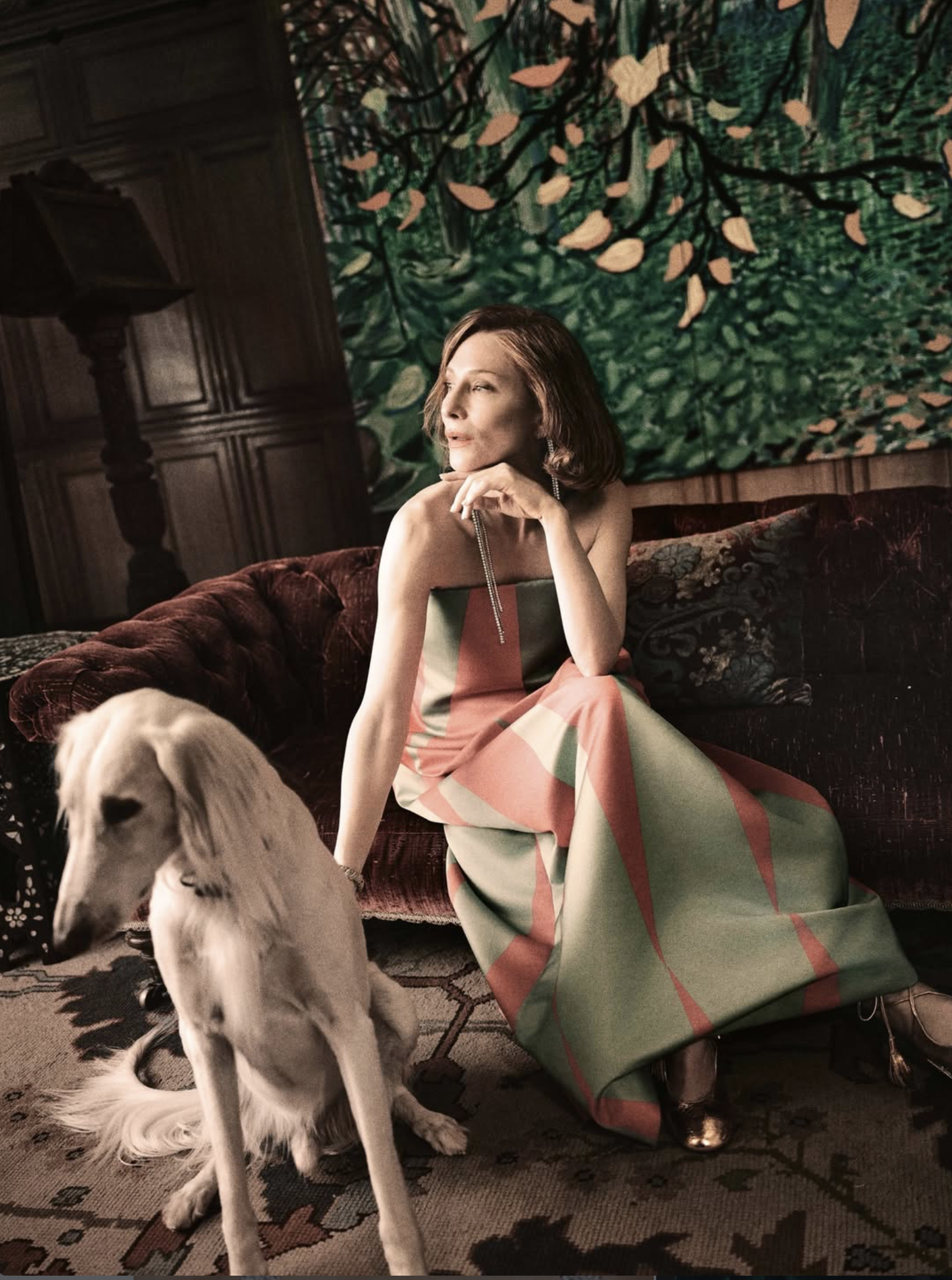
Both Blanchett and Rosefeldt argue that art must articulate these tensions even when they are deeply polarized and embedded in genuine conflicts for humanity. AOC doesn’t know Rosefeldt, but Cate Blanchett has never avoided the tough conversations embedded in activism.
The actor is once again swearing that she’s done with acting. We’ll see.