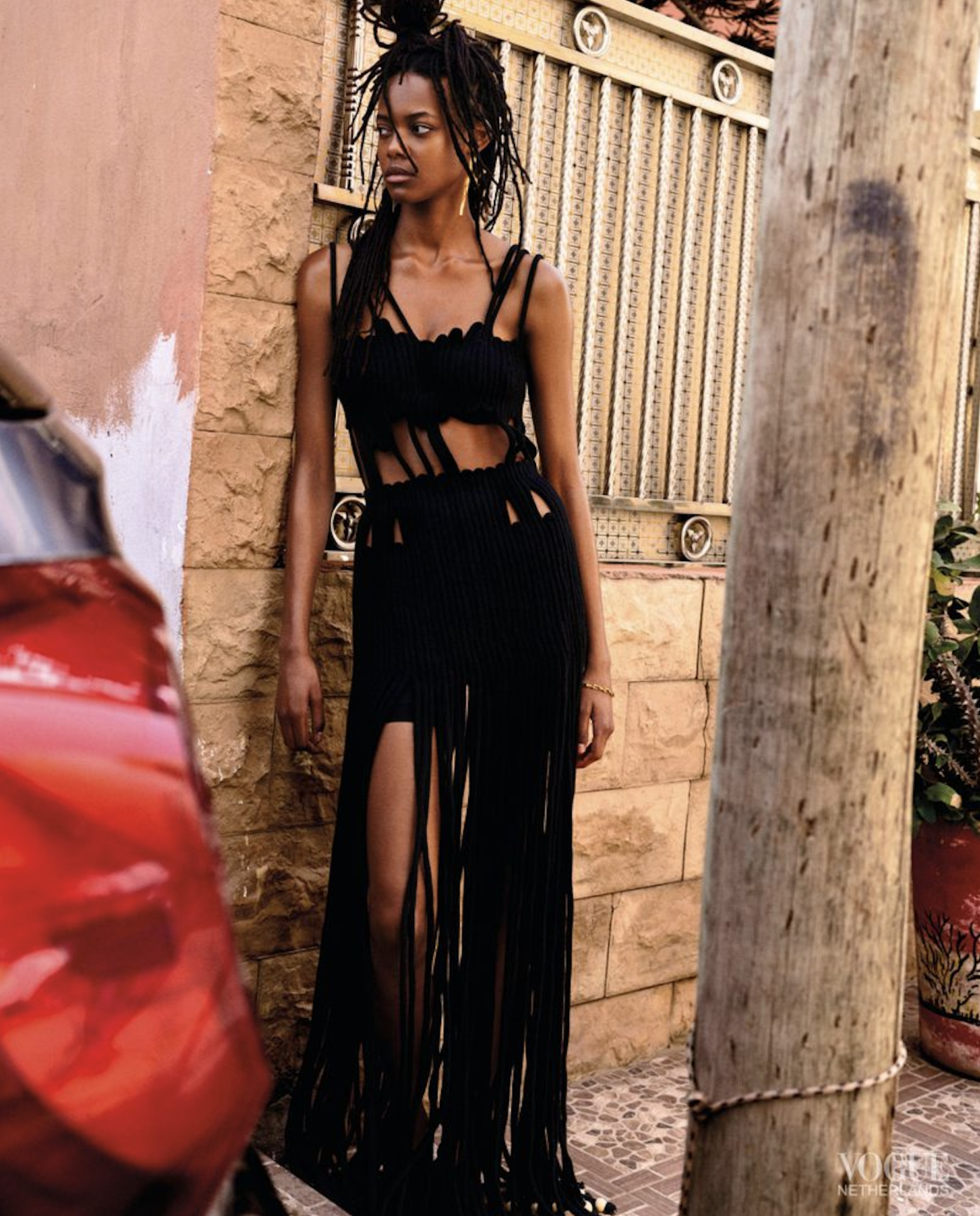
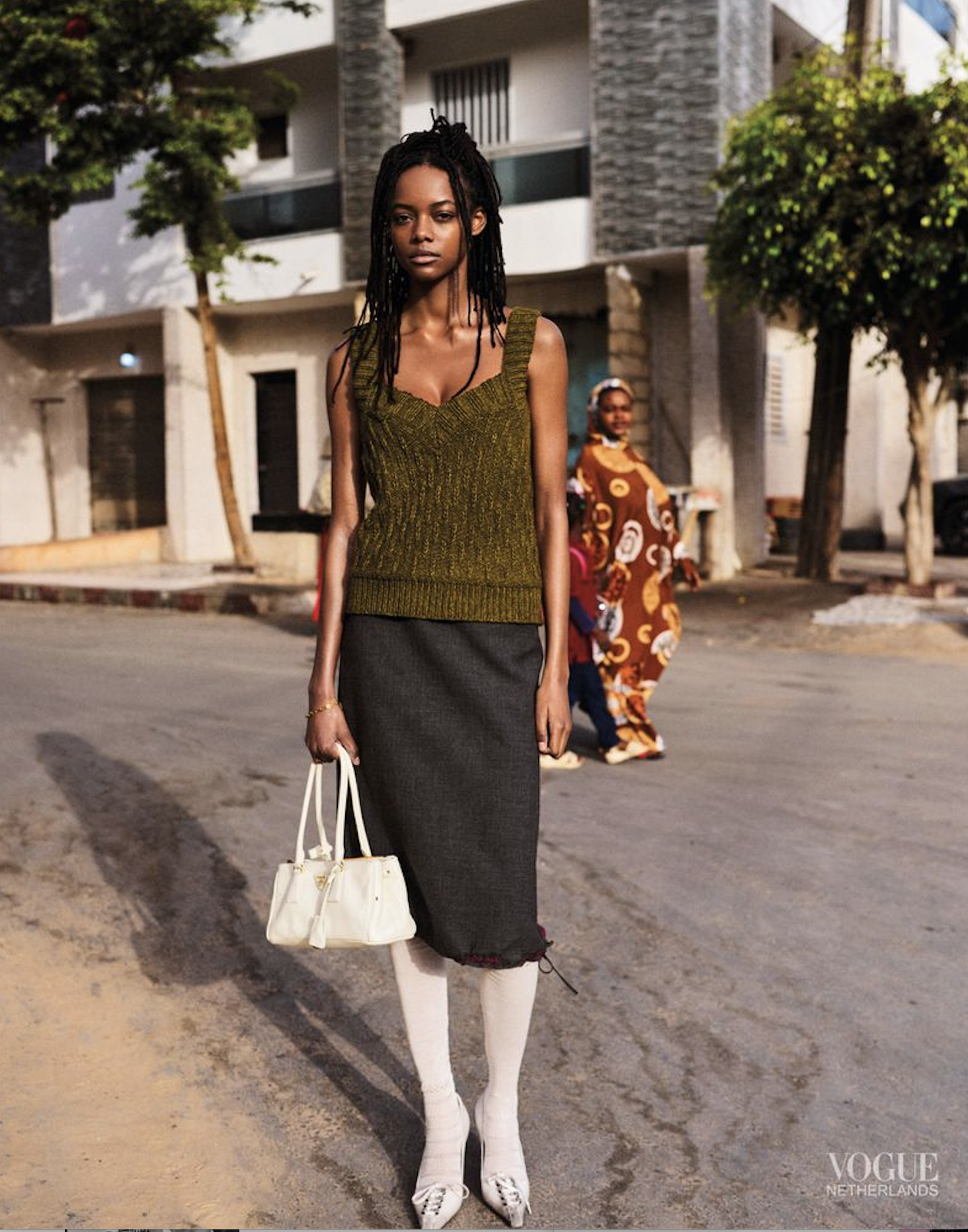
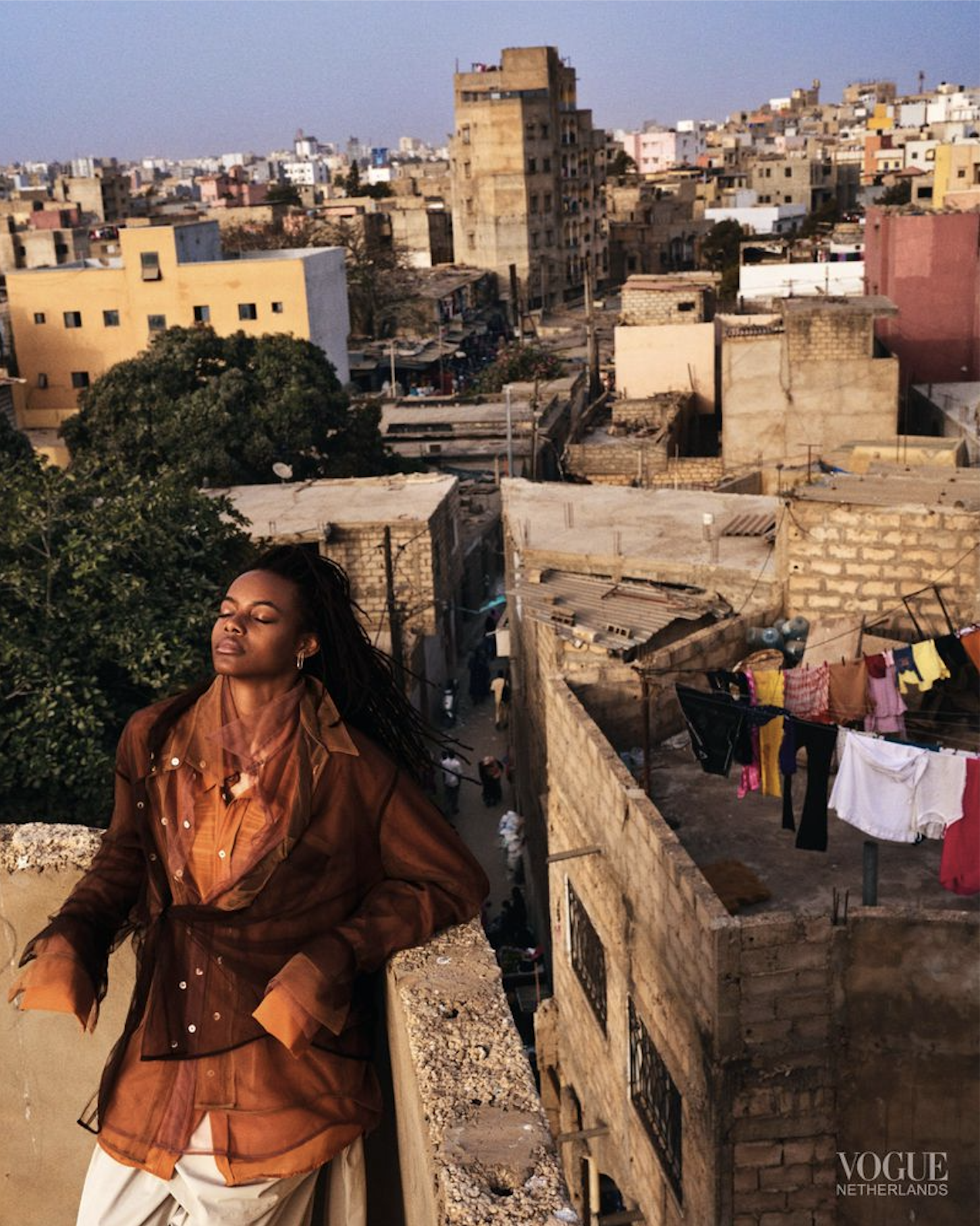
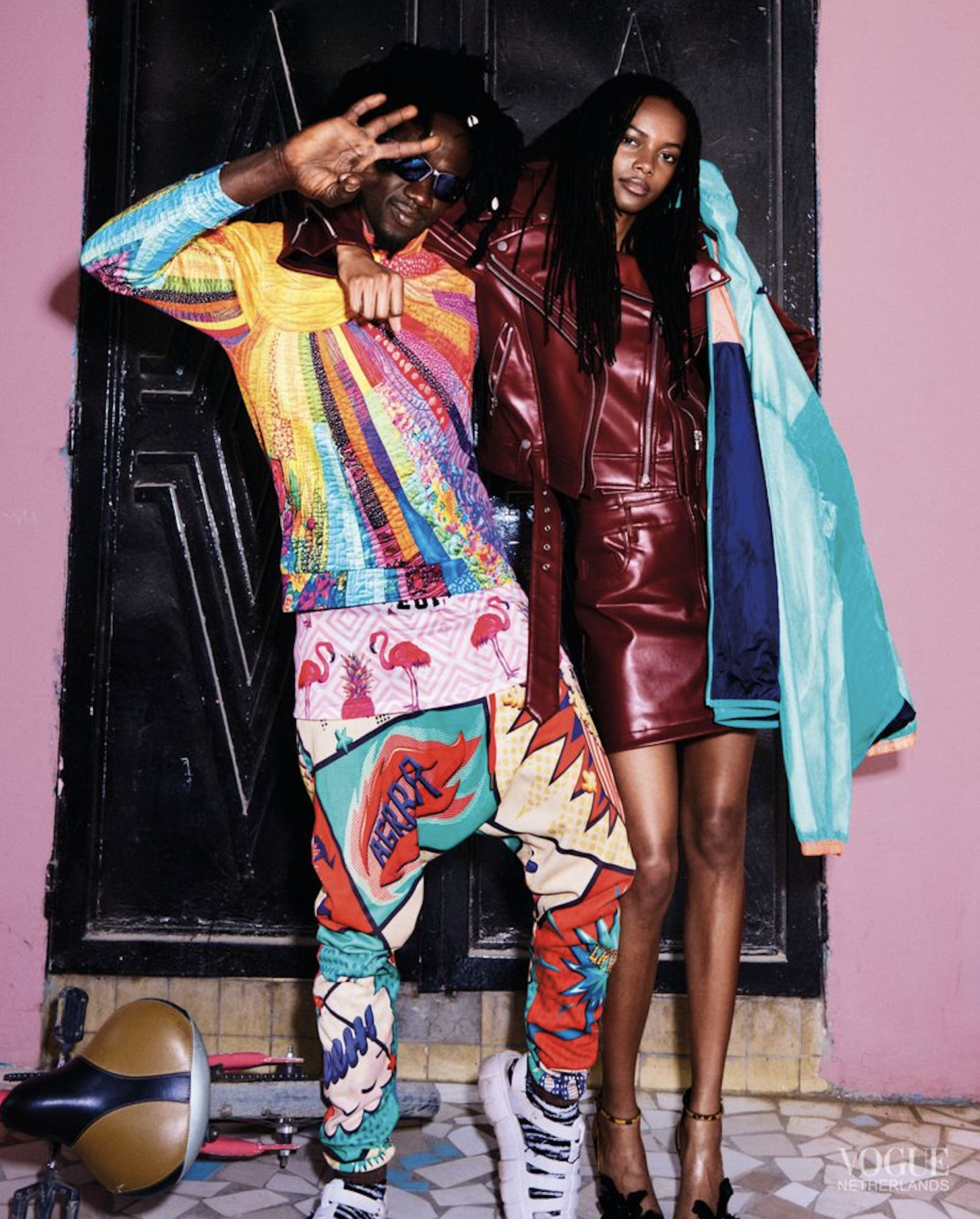
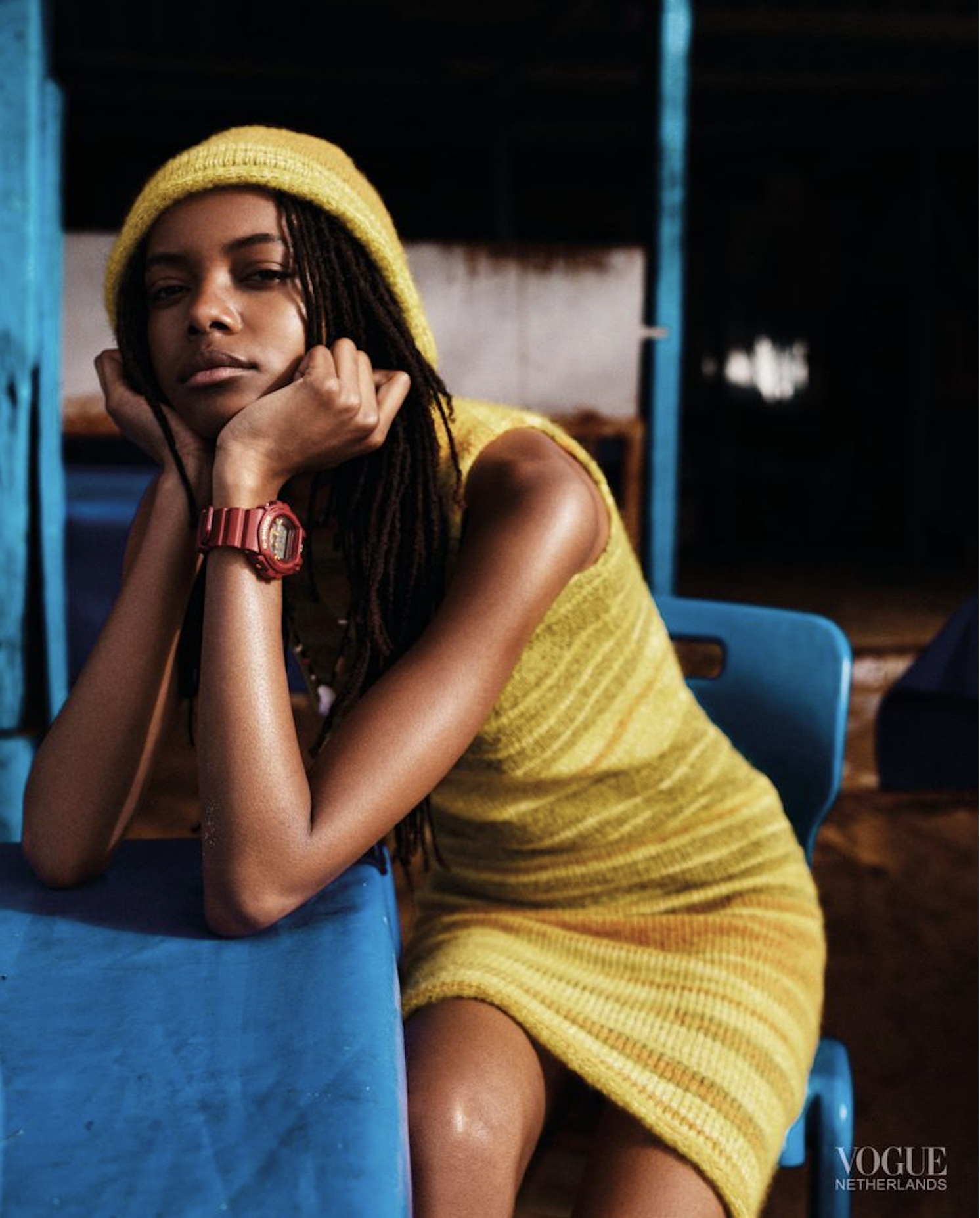
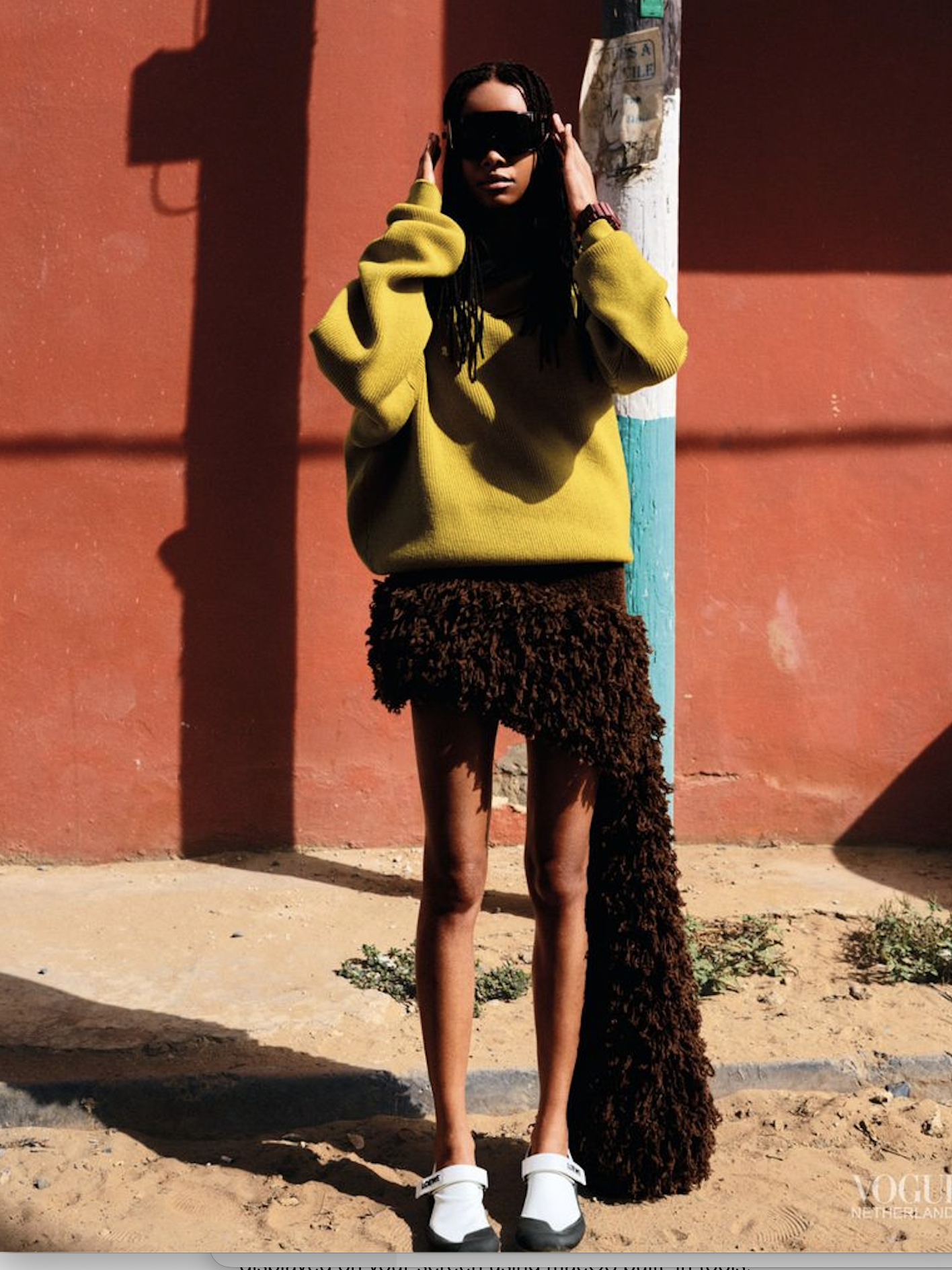
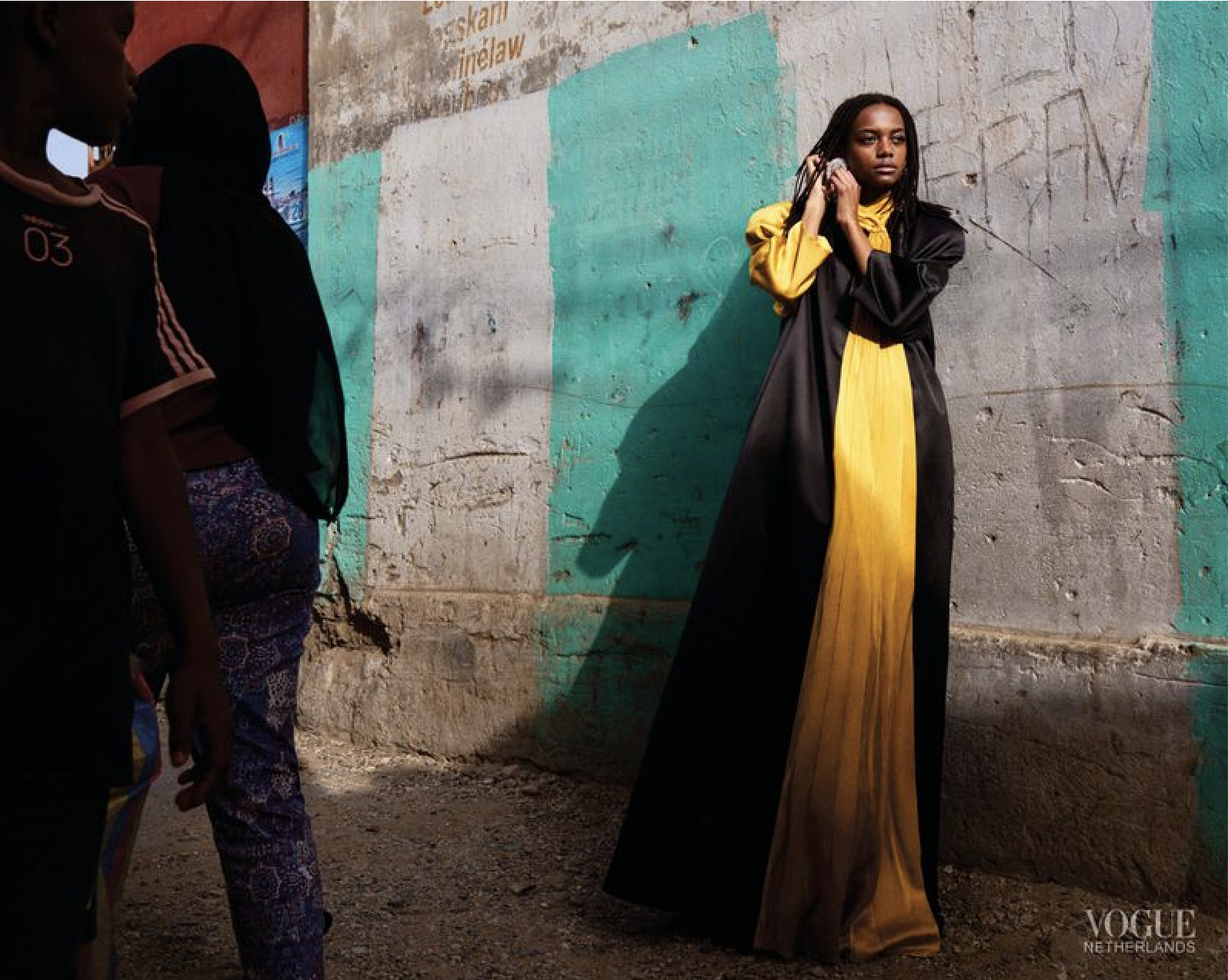
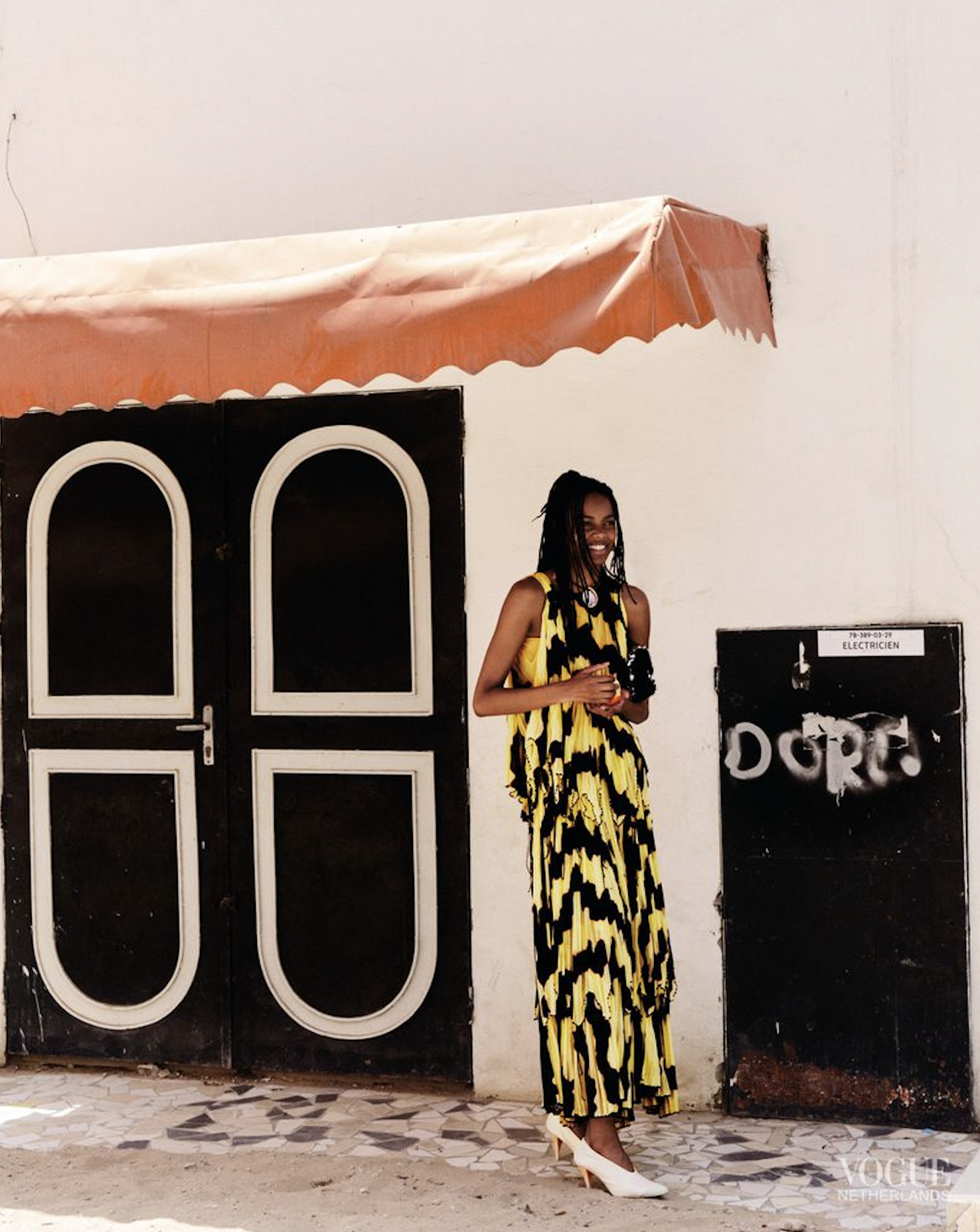
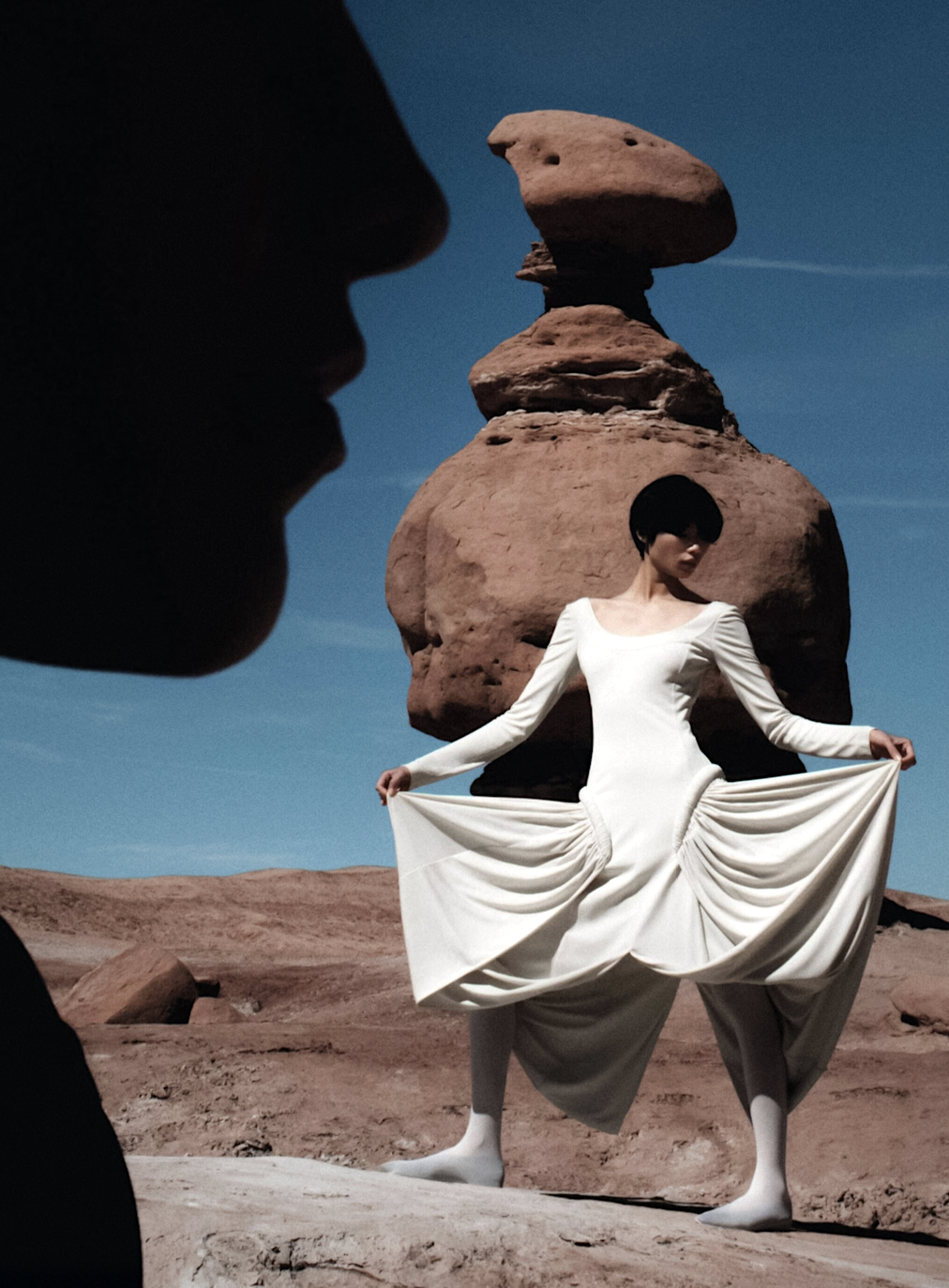
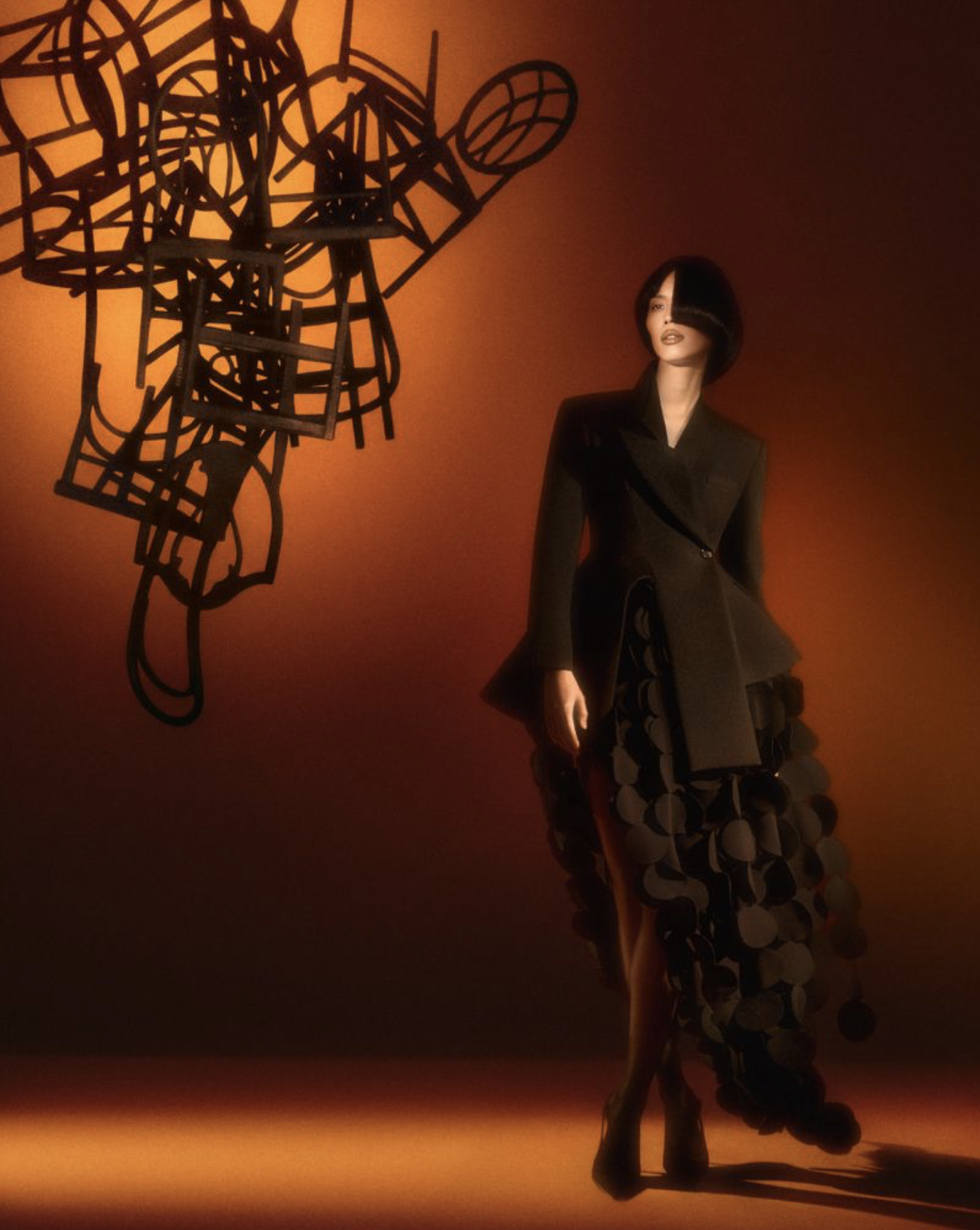
Vogue Netherlands in Dakar, Senegal with Marc de Groot and Nyela Hopster
/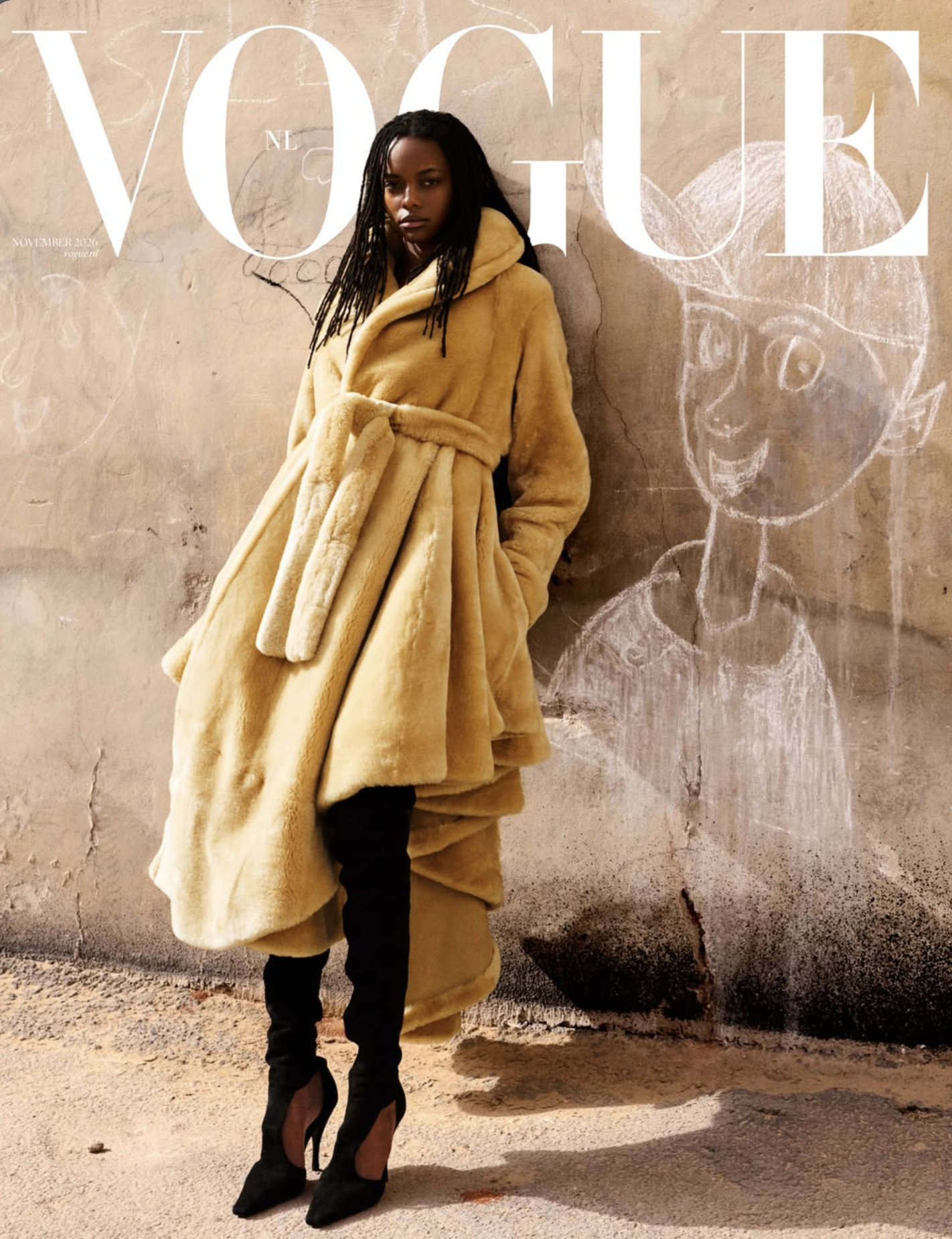
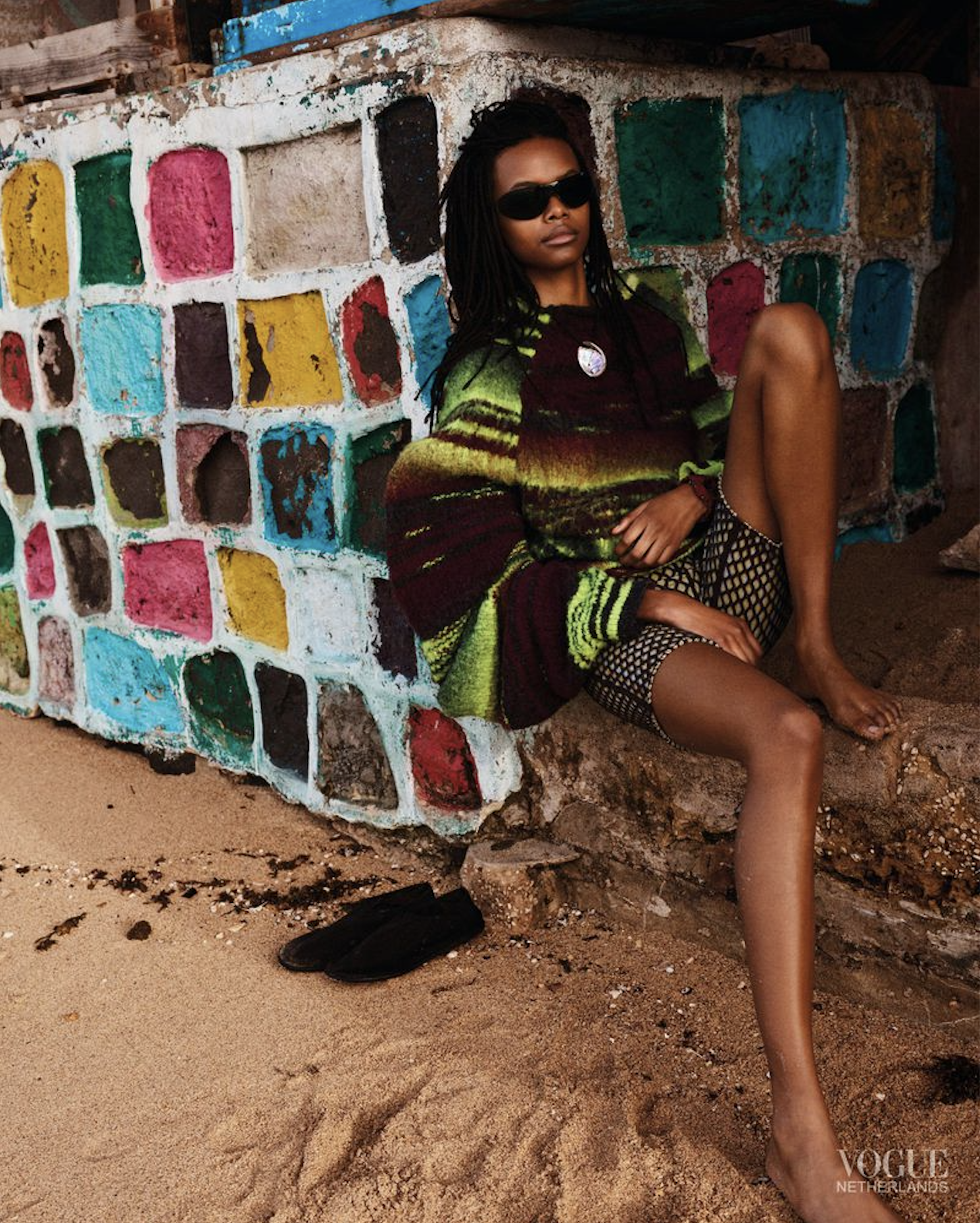
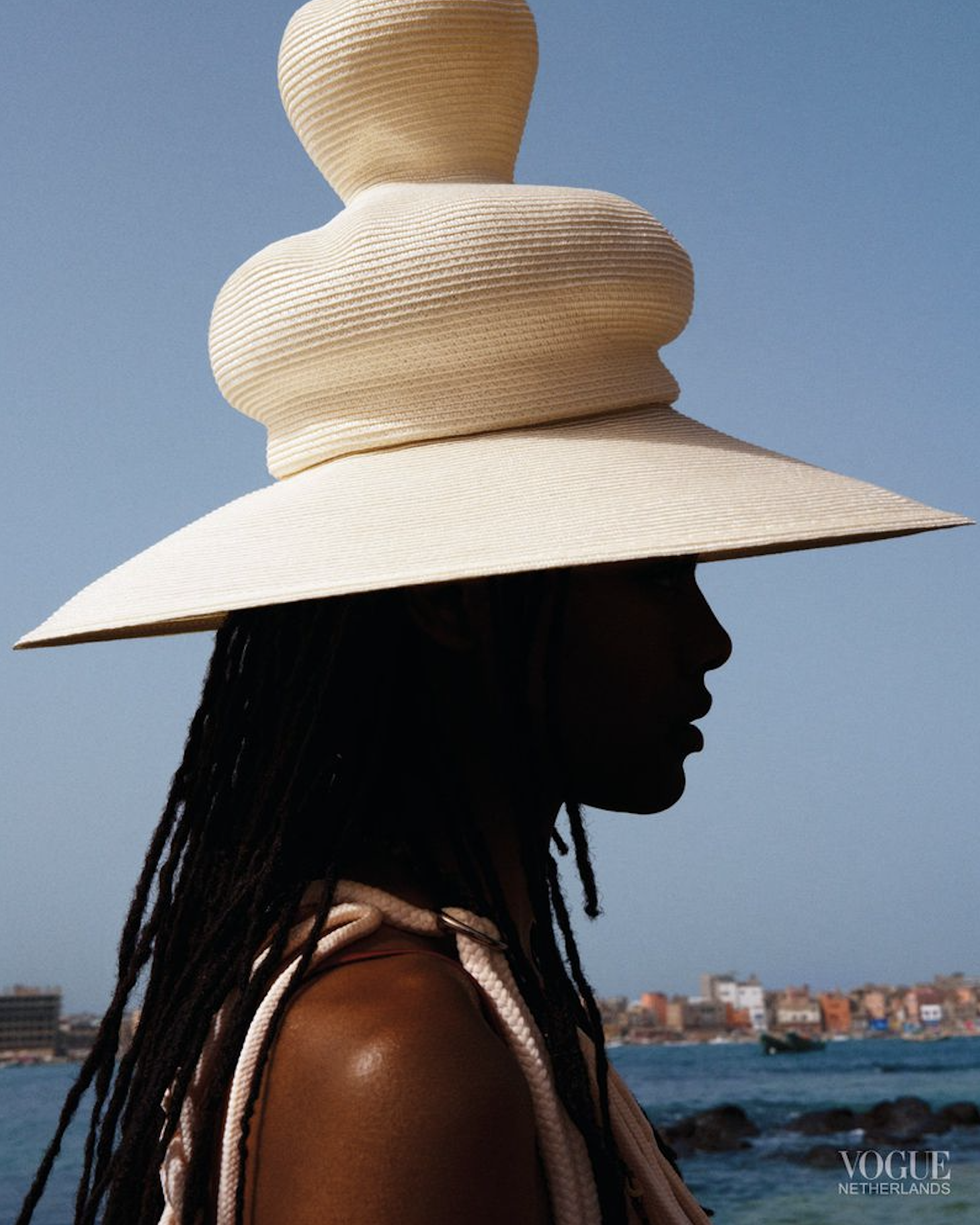
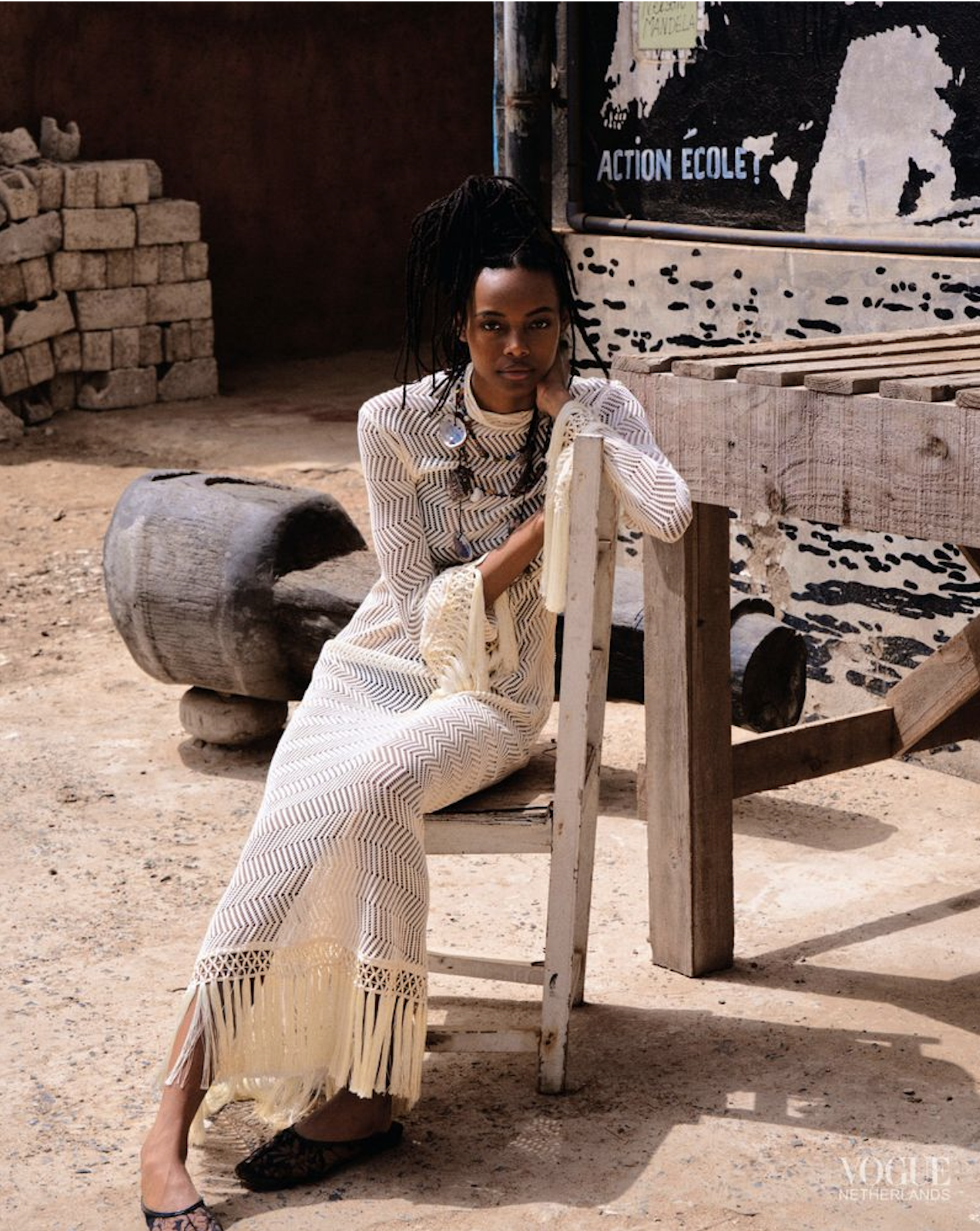
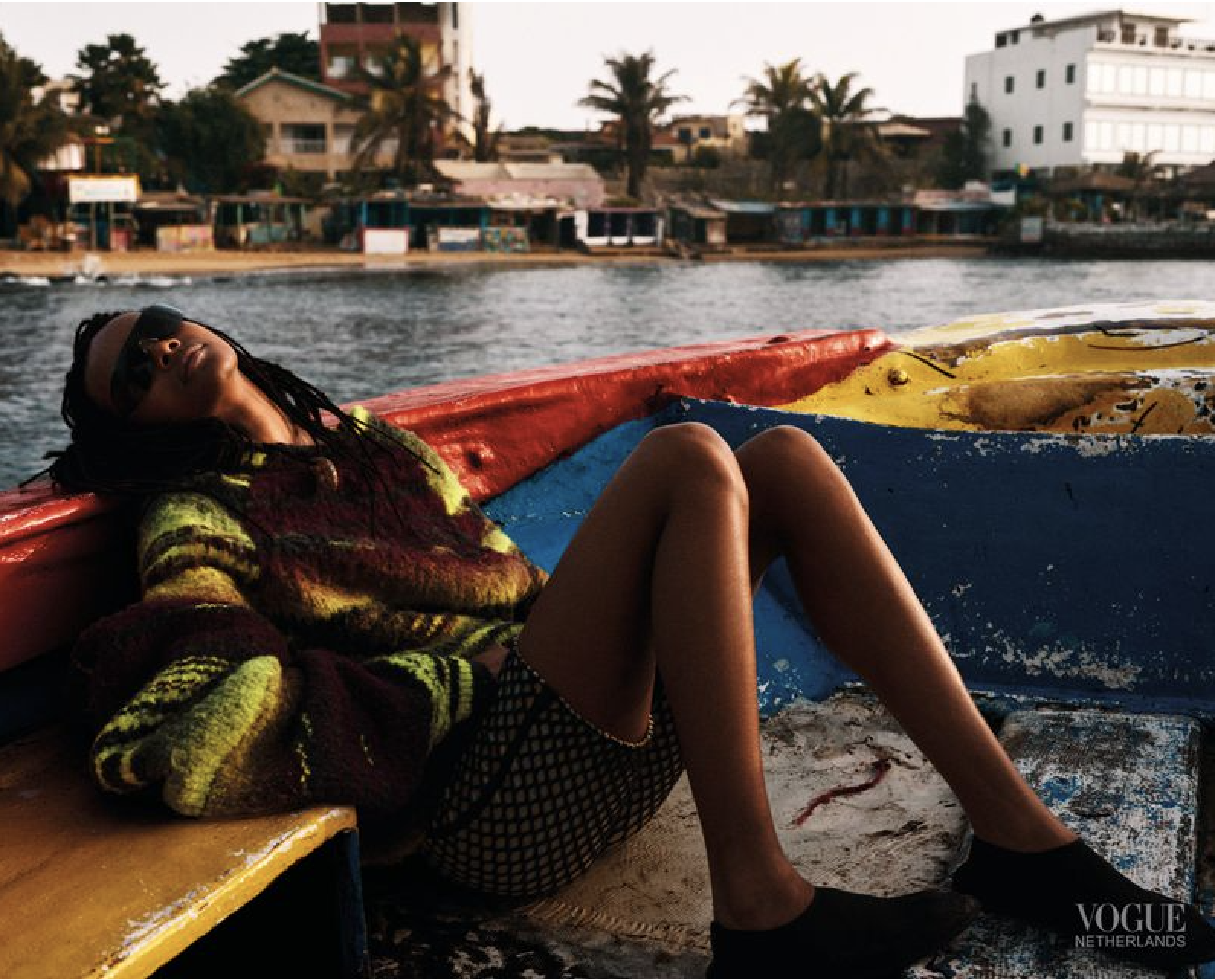
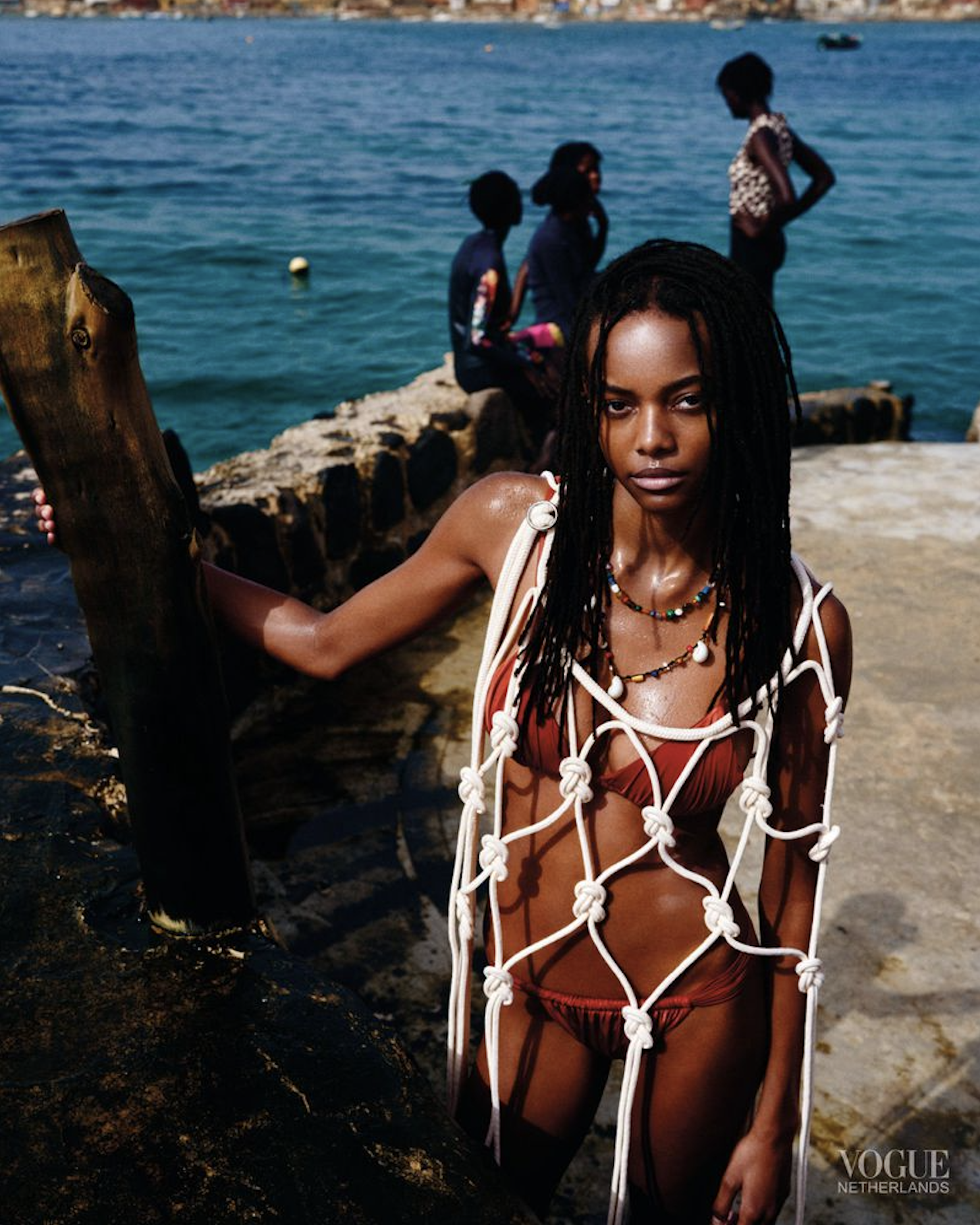
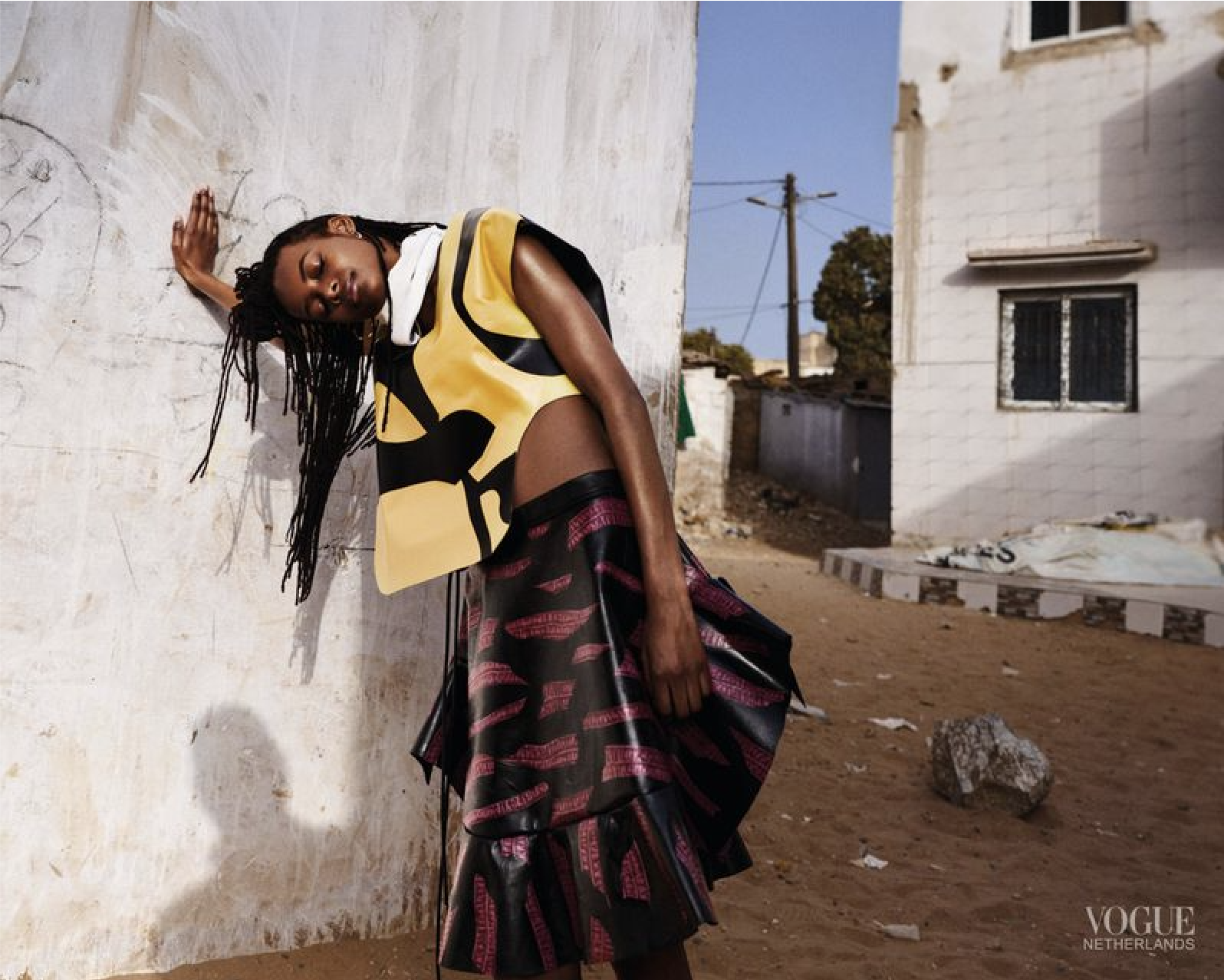
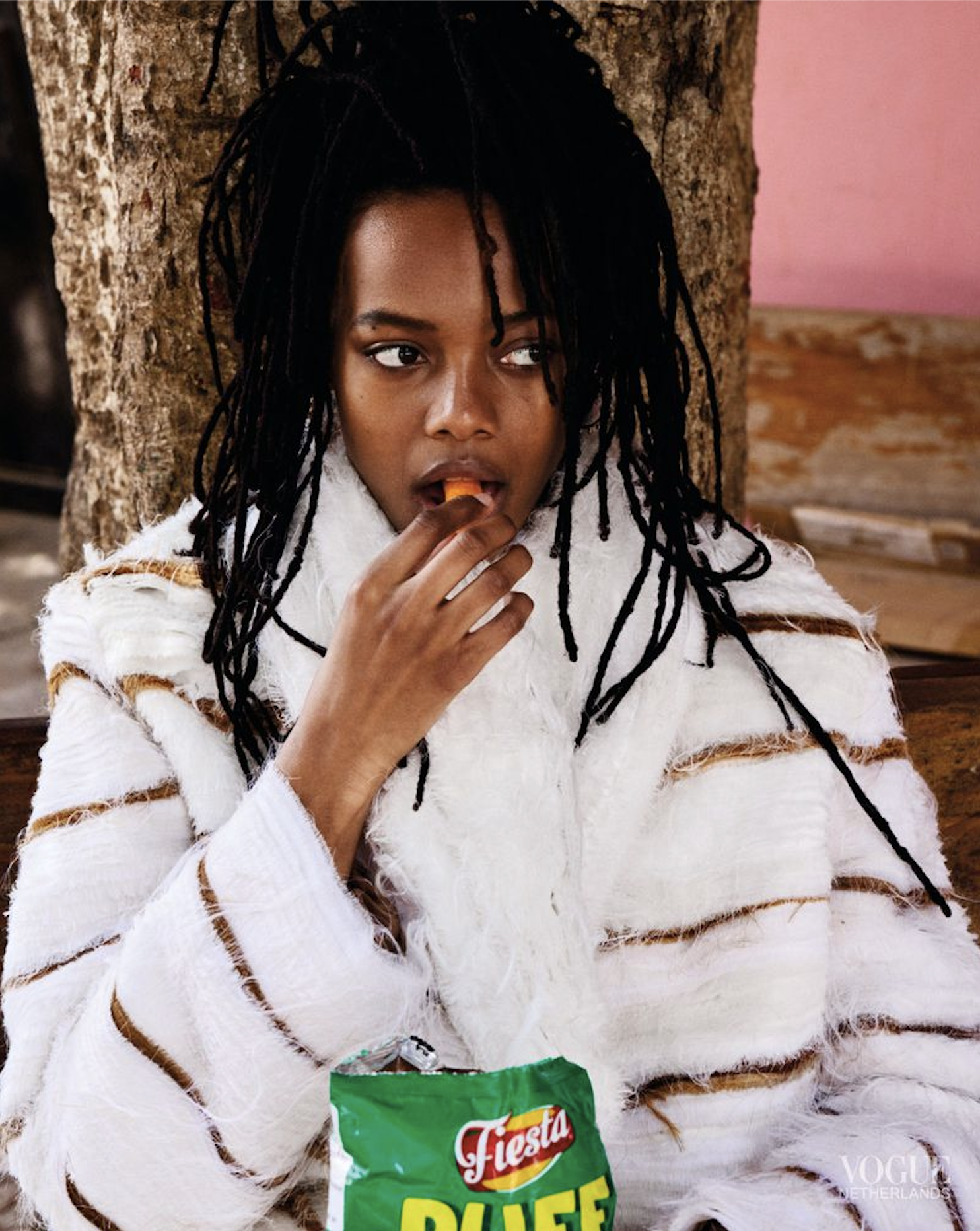
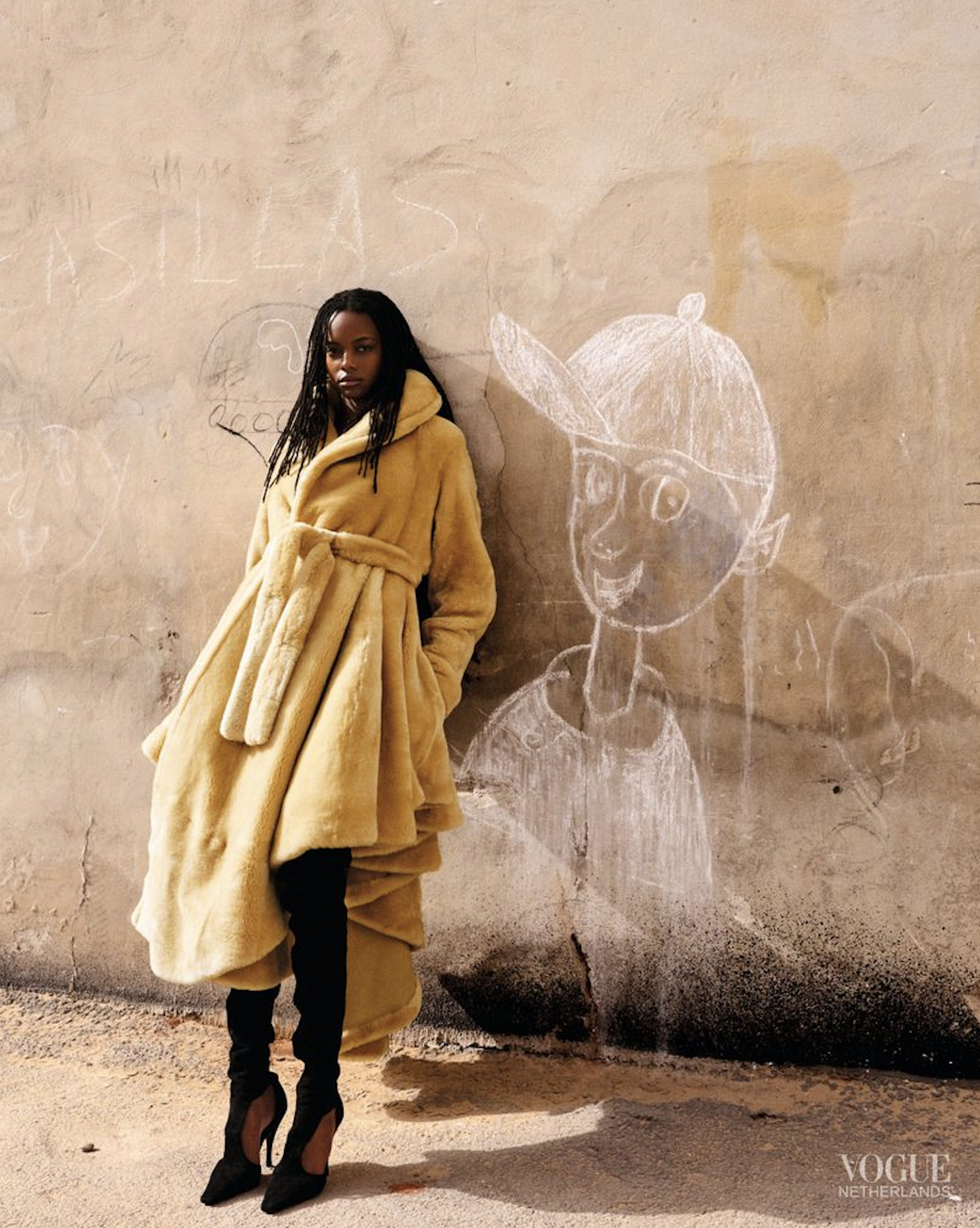
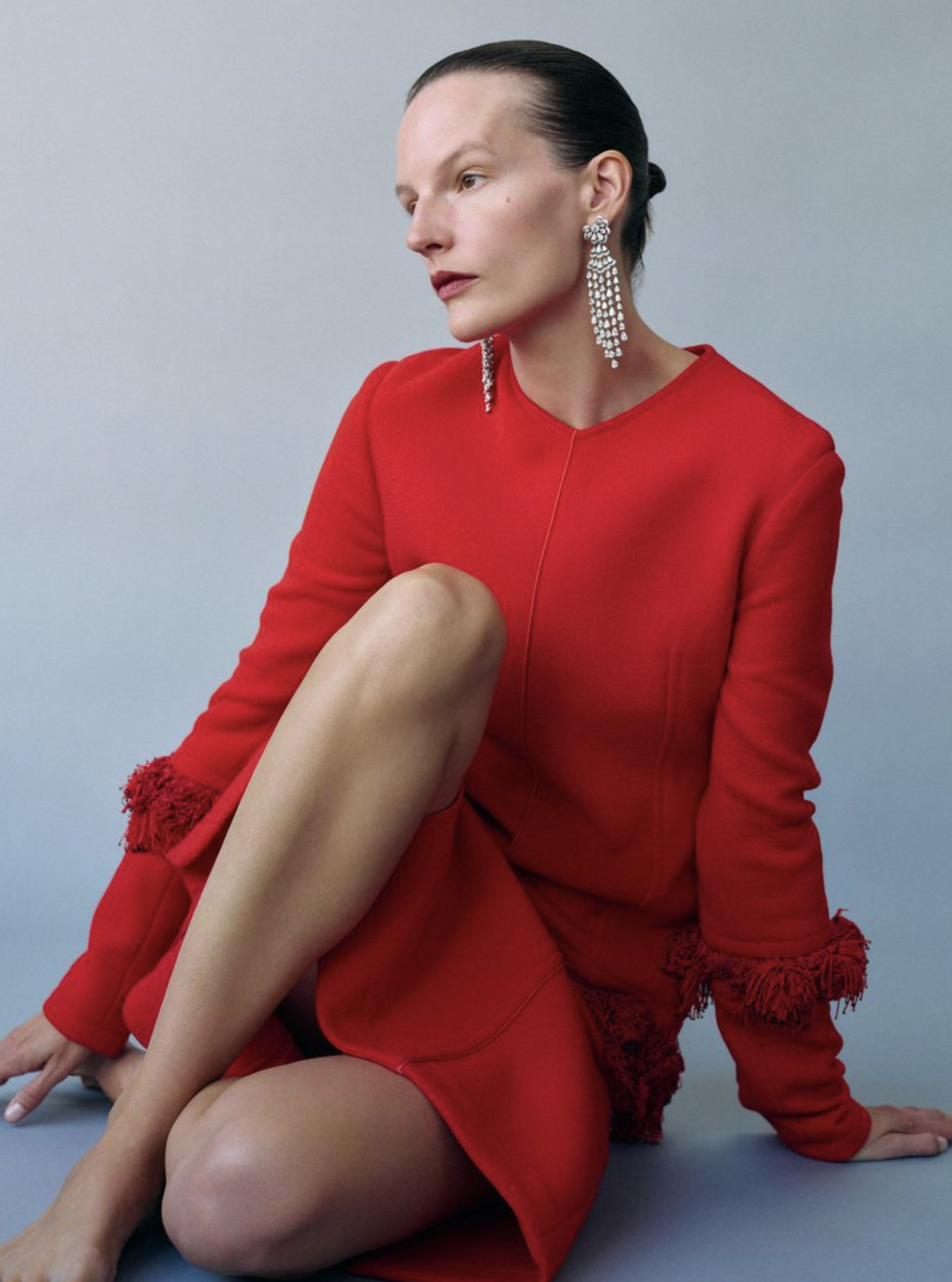
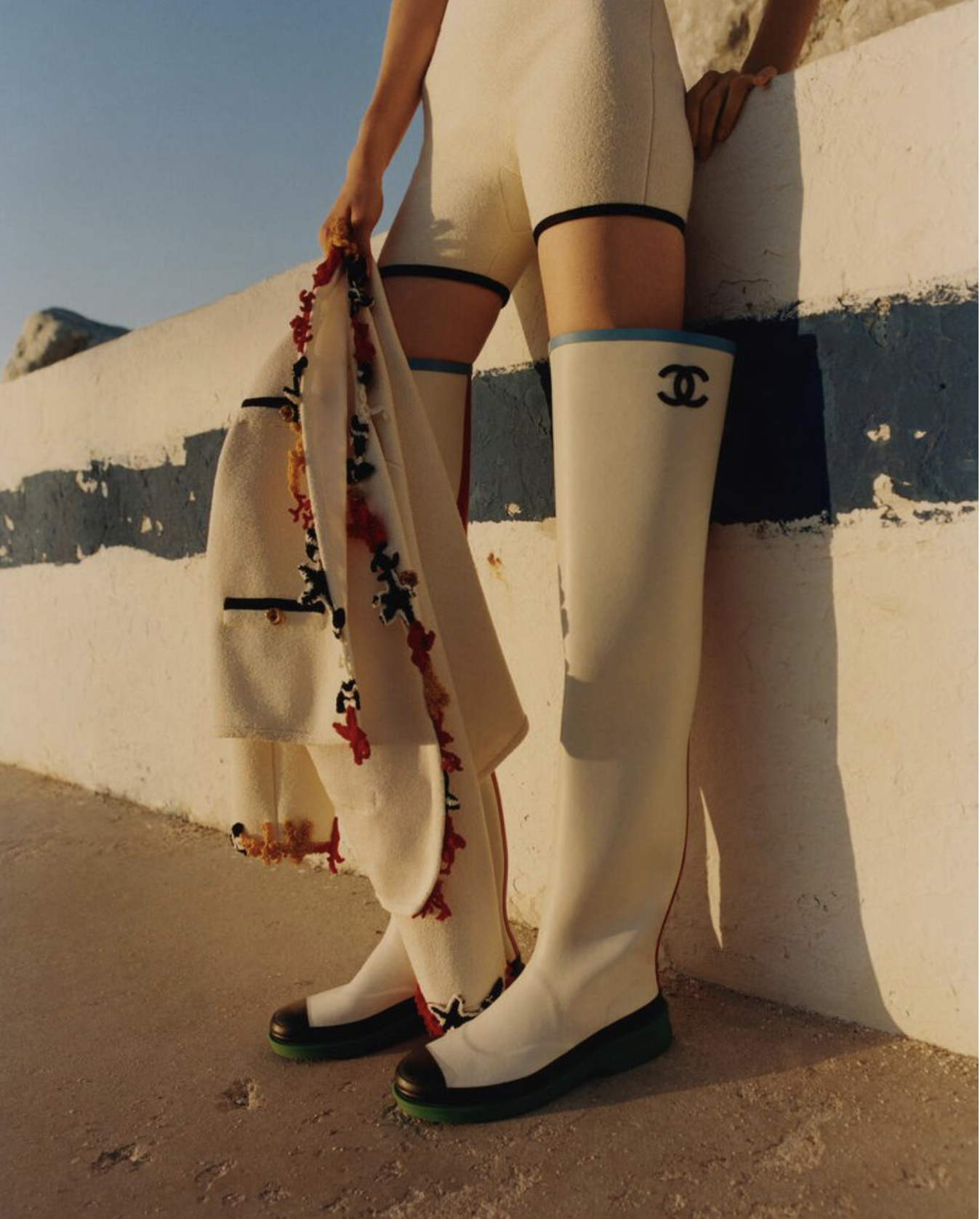
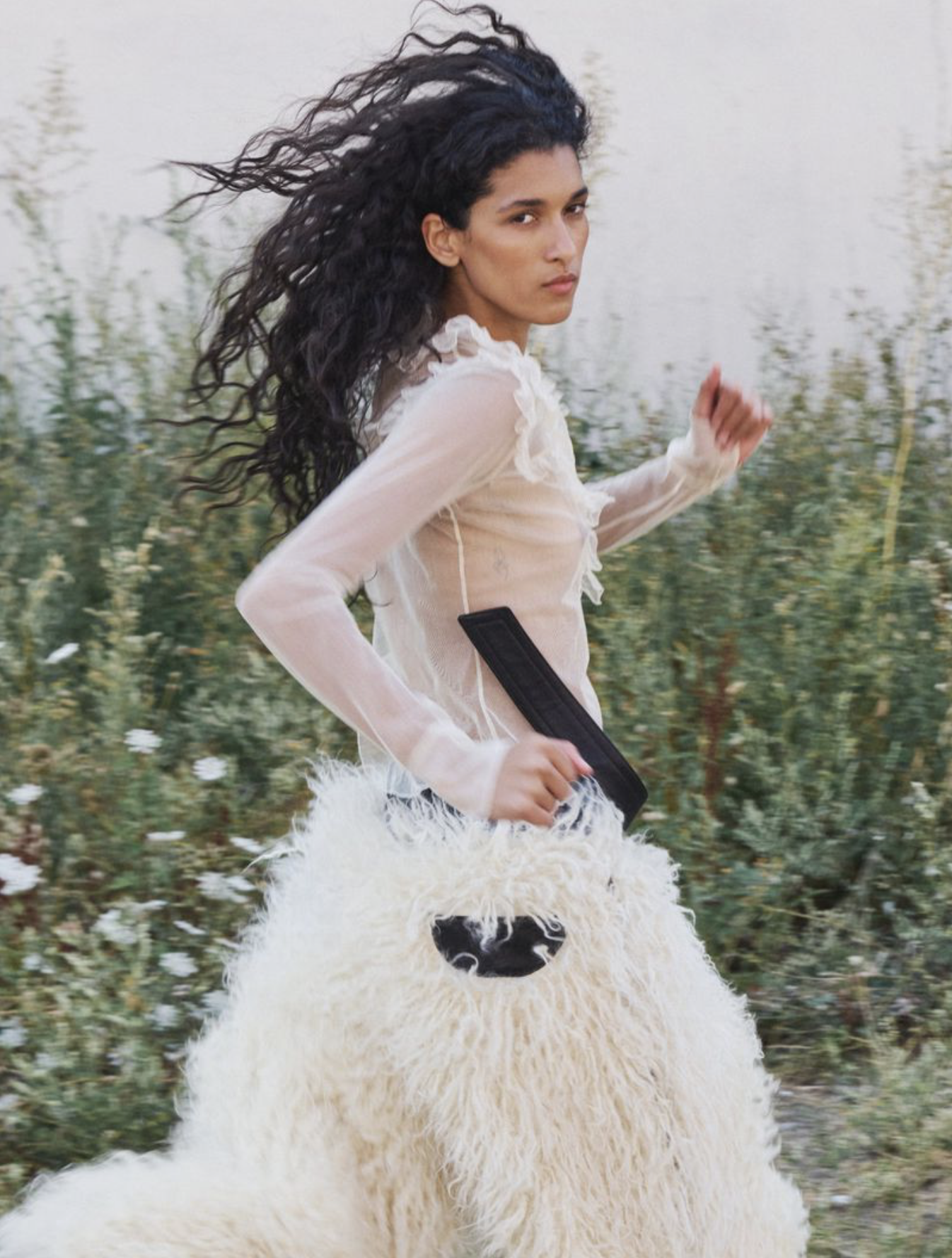
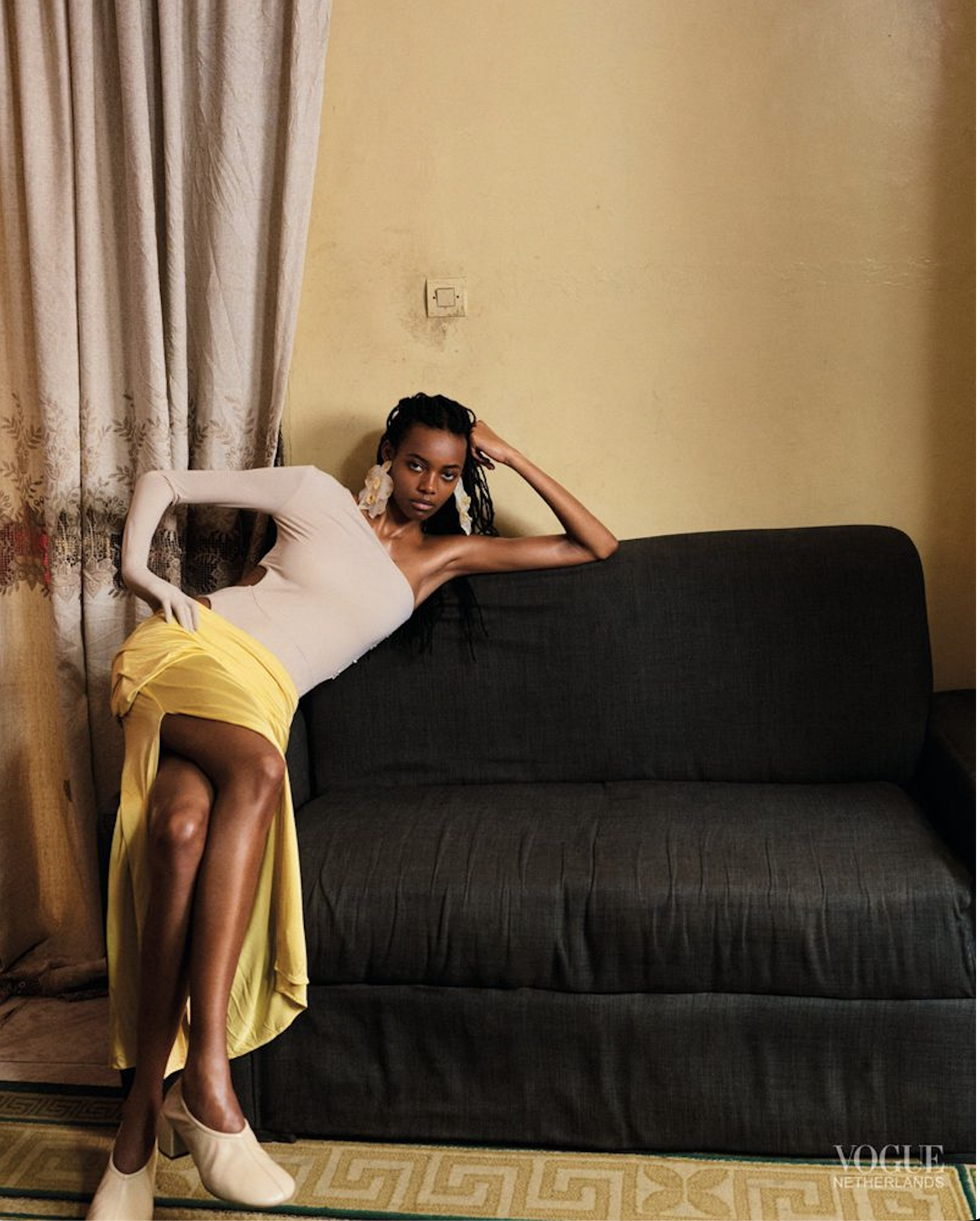
Model Nyela Hopster takes a sunny walk into the spotlight of Vogue Netherland’s [IG] November 2026 Issue, focused on Motherhood. Hopster is styled by Xaviera Aubri for images by Marc de Groot [IG].
Anne of Carversville featured the rising Dutch model Nyela in the June 2026 issue of Harper’s Bazaar France. Hopster just appeared in the Louis Vuitton Ski 2026 Collection Campaign, lensed by Alasdair McLellan. She’s having a very strong first-year run, based on her Models.com postings.
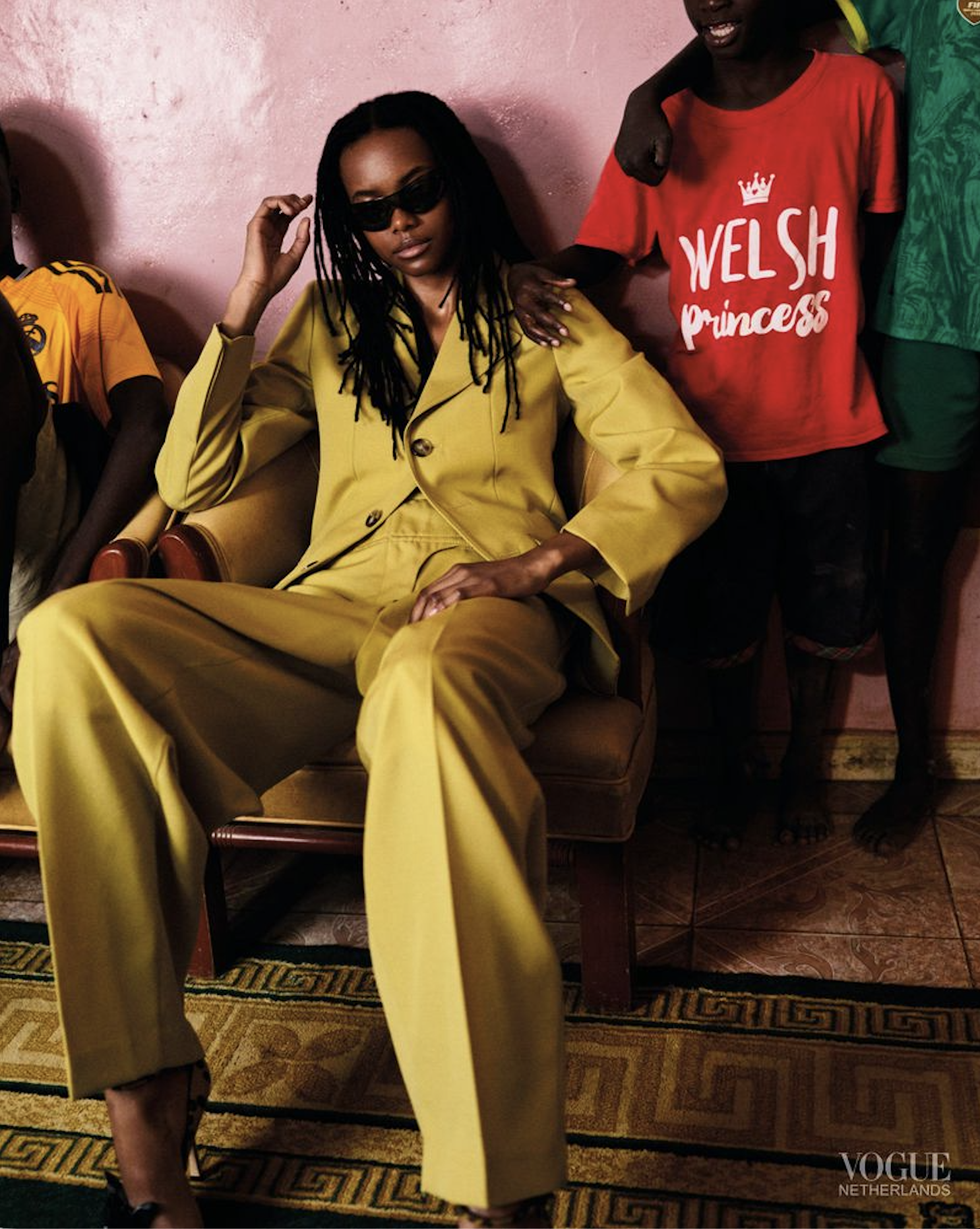
Nyela shared her thoughts about Dakar, Senegal being her first Vogue fashion shoot: “It was my first Vogue shoot, the team was amazing and I fell in love with Dakar: the culture, the people and how everyone does their own thing.”
Senegal Has Held the Line Against Outside, Fundamentalist Pressures
Dakar has always maintained a place of prominence in the pan-African story, although many of us had concerns a few years ago about where Senegal was headed. I can report that those concerns are largely alleviated, thanks to Senegal’s traditional Sufi brotherhoods. They were pressured by other Muslim countries to become more fundamentalist in nature, but did not yield.
The Sufi brotherhoods also held the line for women and girls, refusing to yield to pressures eclipsing the rights of females in Senegal.
Chanel Now Has Multiple Programs Operating in Senegal
Chanel’s December 2022 Métiers d’art show in Dakar was the first time a major European luxury house staged a runway presentation in sub-Saharan Africa.
Rather than treating Dakar as a one-off backdrop, Chanel structured multi-year follow-up commitments across craft, arts education, and grassroots funding. Advocating for the new humanism community, AOC expressed gratitude for this decision, one facilitated by Pharrell’s relationship — not only with Chanel CEO Leena Nair — but also with Karl Lagerfeld and for many years.
We have significant info on Chanel’s philanthropy in Africa, ready for sharing.
BlackGirlsSurf on Ngor Island
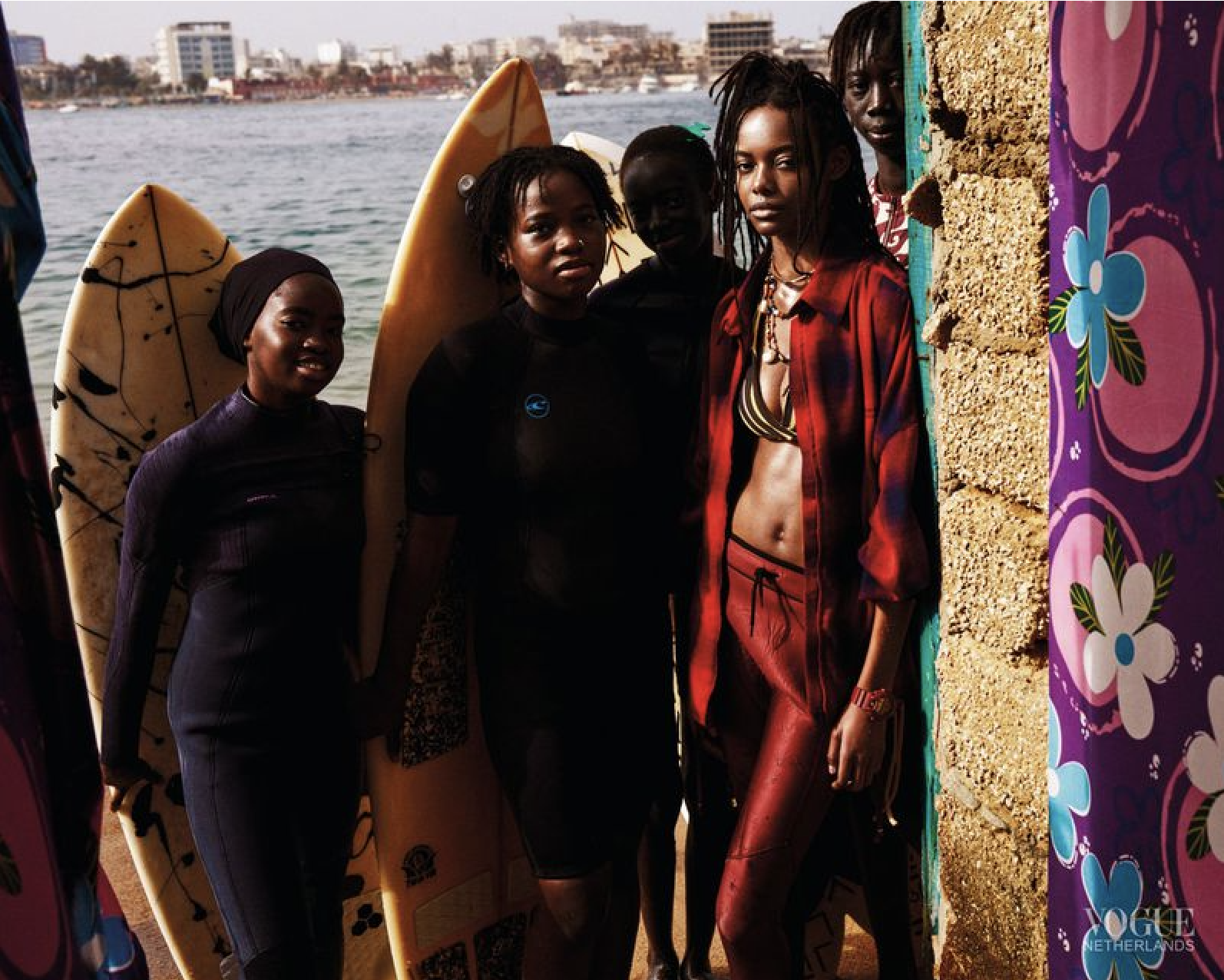
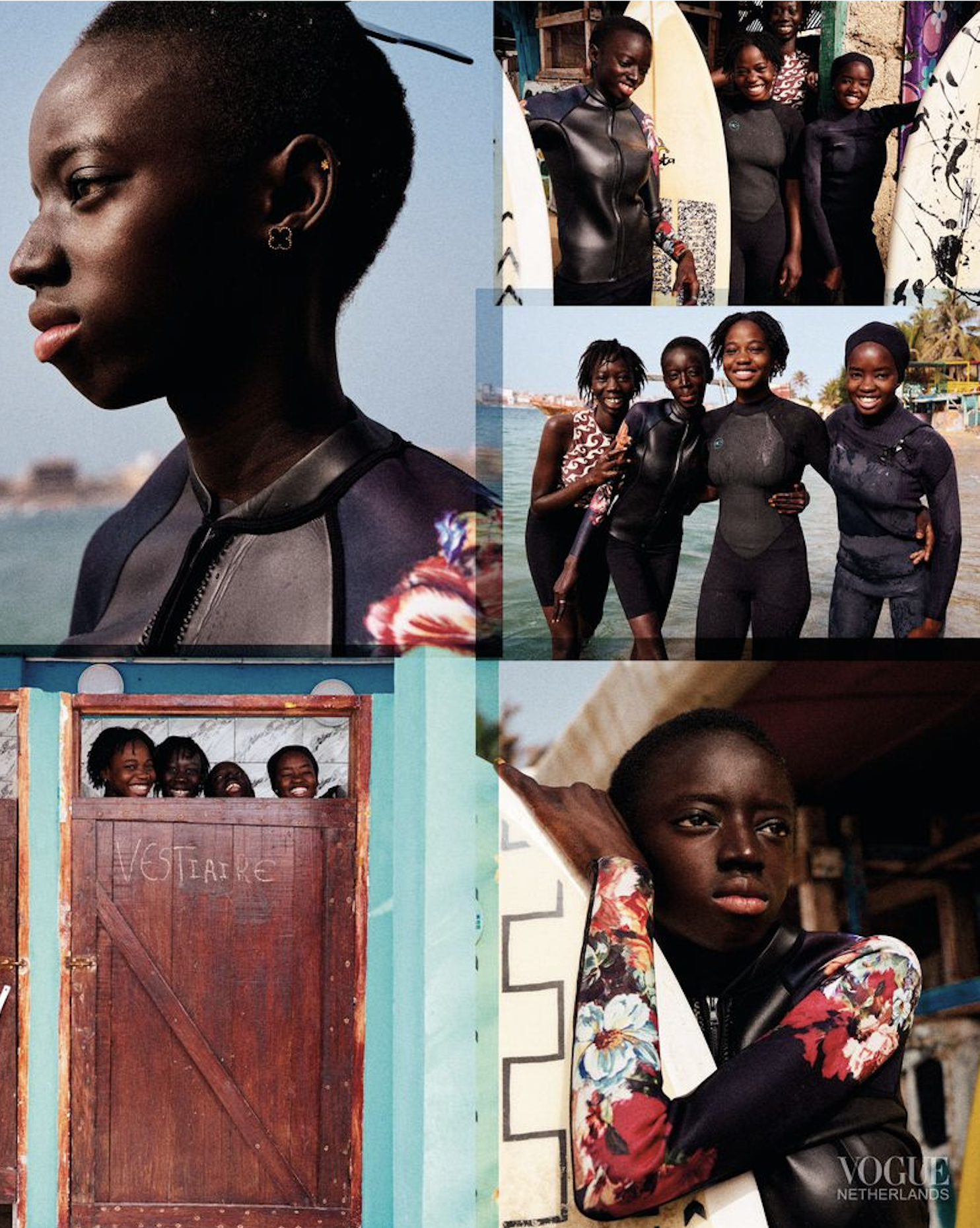
Turning back to the Vogue NL fashion story, Marc de Groot photographed Nyela with the female surfers of BlackGirlsSurf [IG] on Ngor Island, adjacent to Dakar. Founded by US coach Rhonda Harper, alongside Senegal’s first professional surfer Khadjou Sambe, BGS is a Los Angeles-based organization, with camps scattered across the world, advocating for Black female surfers.
BGS trains the girls to go pro, while using the ocean as an incentive to reverse high adolescent dropout rates among girls in coastal Lebou fishing communities. Black Girls Surf [BGS] operates on a strict "no school, no surf" rule in Dakar, directly linking athletic training to classroom retention and re-enrollment.
In Ngor, the Atlantic Ocean has sustained the Lebou people for generations through fishing and rowing, yet women were historically excluded from surfing. BGS frames surfing not as a Western import, but as young Lebou women reclaiming their own ancestral coastline while respecting local norms, including culturally appropriate wetsuits and community dialogue with parents.
Reclaiming Women’s Original Heritage
AOC is aware that AI’s reputation is ‘mud’ in the creative community. On the topic of ‘holding the line’ on the history of women and girls, AI is absolutely a vital asset. Every day, we learn new information on women’s history that has been rewritten to serve patriarchal interests.
For example, not only was a maritime trade route critically important between southern India and East Africa. Women were on those ships as traders and merchants. I’m not speaking of trade in 1800 or 1900. Roll those dates back 1000 years. Speaking of the famous Silk Roads traders, women were very involved in all aspects of these business ventures.
In the case of BGS, they are very correct to encourage young Lebou women to reclaim their heritage. We are in a race with time at this point regarding women’s history. But AOC is overwhelmed by the many ways in which AI with Gemini — and now also Claude for cross-checking these facts — is one of women’s greatest allies in learning who we really are today, as an evolution of who we were