





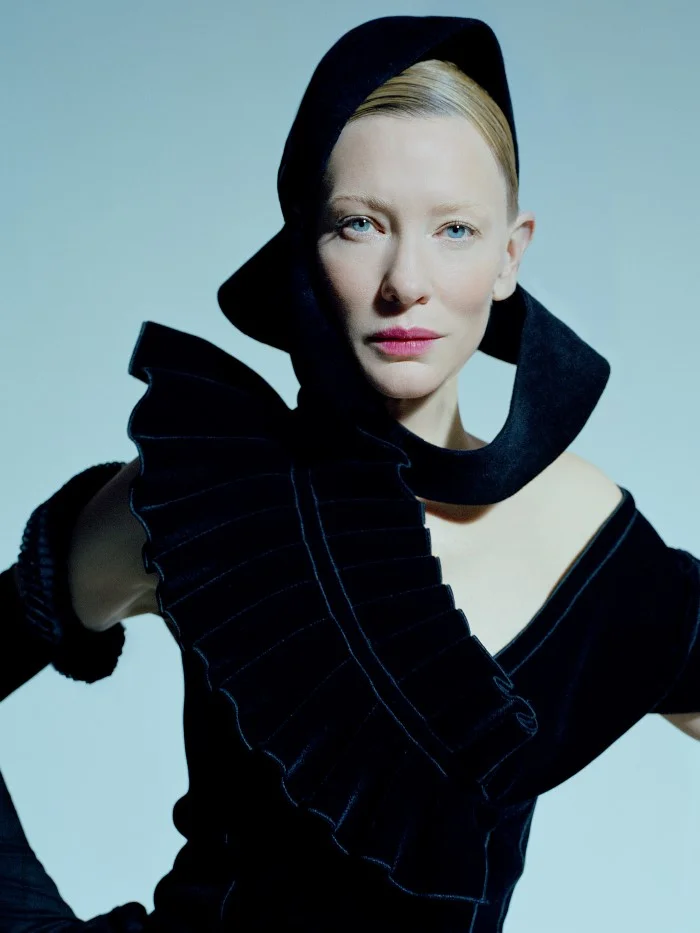
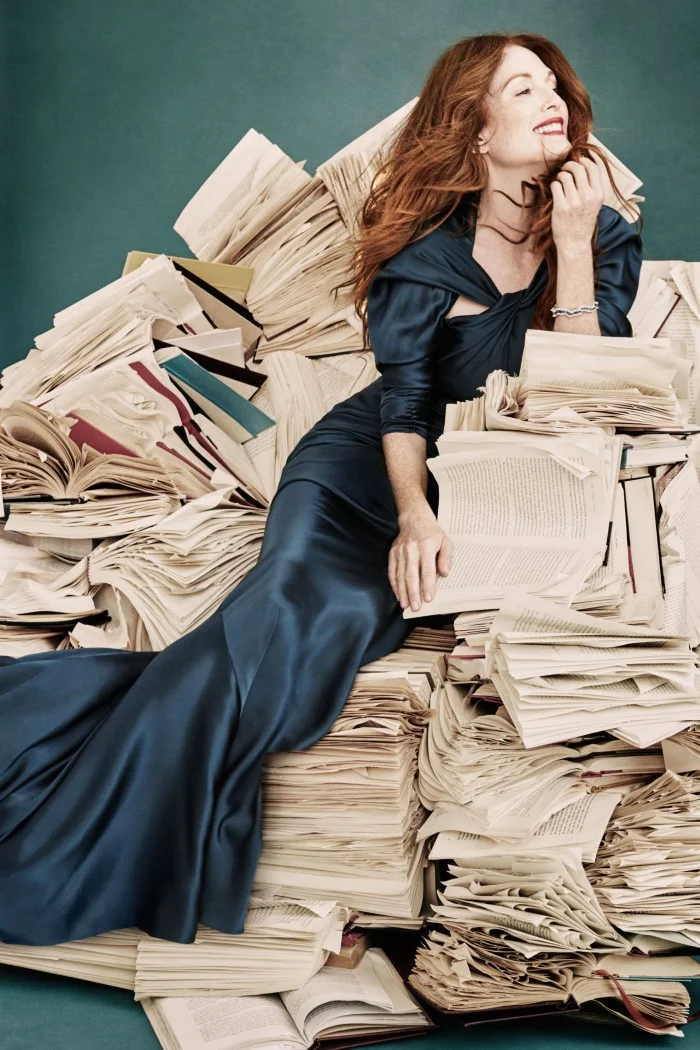







Ine, Ophelie & Pooja Front Tory Burch Spring/Summer 2016 Ad Campaign By Josh Olins
/
Ine, Ophelie & Pooja Front Tory Burch Spring/Summer 2016 Ad Campaign By Josh Olins
Models Ine Neefs, Ophelie Guillermand and Pooja Mor are styled by Tabitha Simmons in Josh Olinsimages for Tory Burch Spring/Summer 2016./ Hair by Rudi Lewis; makeup by Maki Ryoke

Kendall Jenner Is The New Face of Estée Lauder, Lending Her Massive Social Media Skills To the Global Beauty Brand
/
Kendall Jenner Is The New Face of Estée Lauder, Lending Her Massive Social Media Skills
Kendall Jenner is quietly subdued in Patrick Demarchelier’s images for Vogue’s December 2014 issue, featured here.
Vogue writes: “
Along with her digital ease comes the one-two punch of her extraordinary classical beauty, worthy of a Goya portrait: huge, wide-set eyes, well-drawn eyebrows, pillowy lips, lush cheeks, feminine curves. “She has that dichotomy: darkness and sweetness at the same time,” observes Givenchy designer Riccardo Tisci, who cast her in his fall campaign. Tisci was struck by her unswerving work ethic—another hallmark of the ambitious, tech-savvy stars of right now. “She arrives with a big smile on her face because she feels privileged to be able to do what she wants to, and that’s priceless,” adds Tisci. “She works hard, and it pays off.”


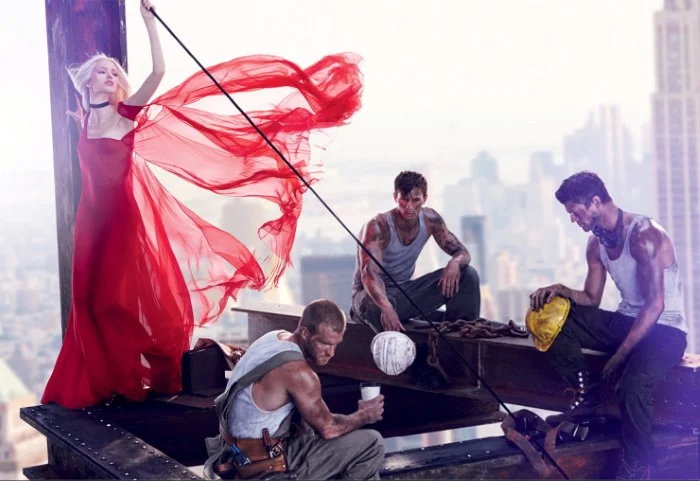
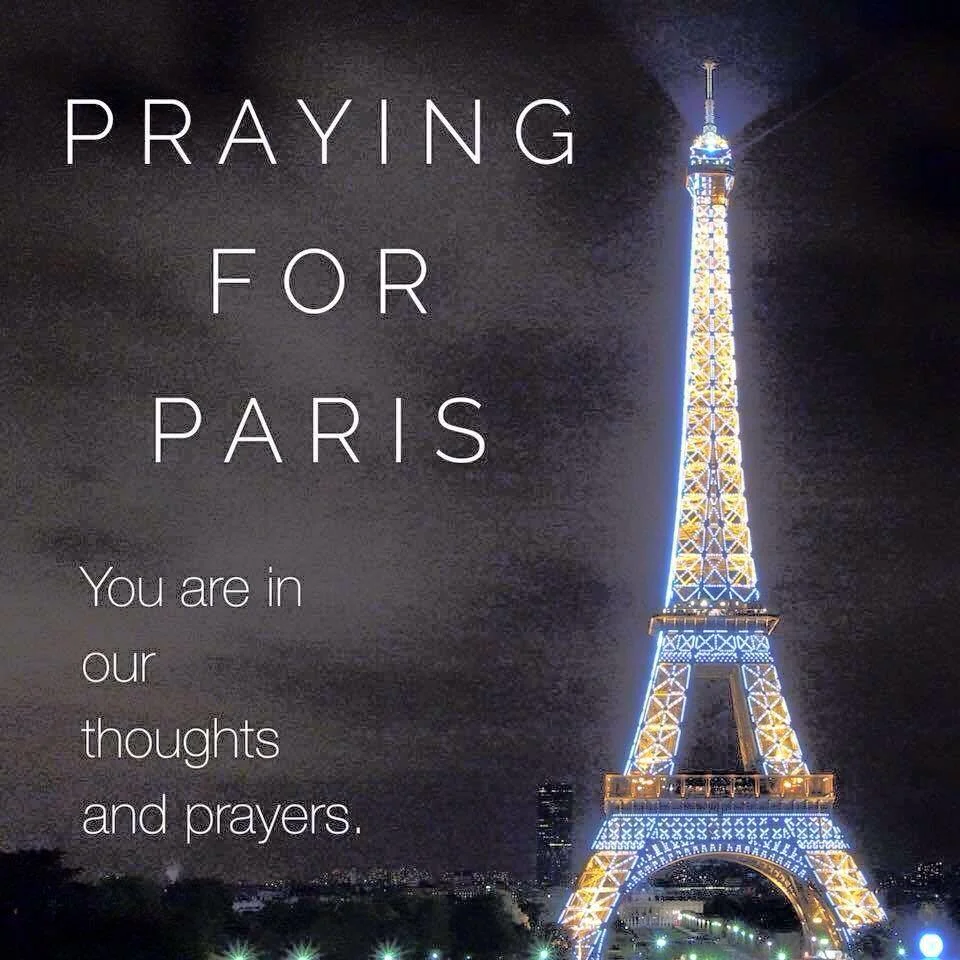
Sending Prayers & Personal Resolve To Paris | Global Secularism Must Advance
/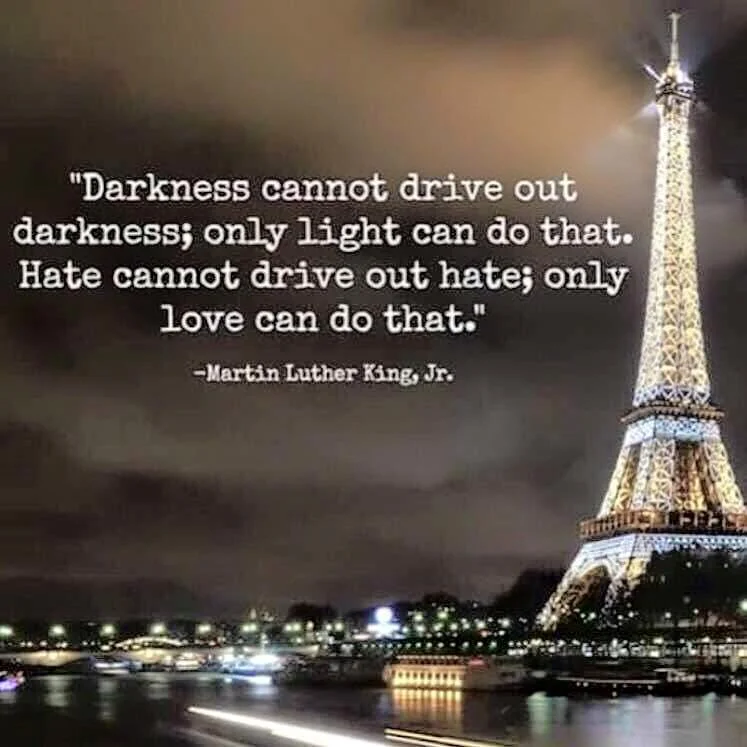
The city of Paris is even more formative in my psyche than New York. Having worked in Paris well over 200 times, even moving to a residence hotel in the city for many years, for me Paris is the great international symbol of secular values. In its imperfection, Paris is also the symbol for the worst of imperialism, and I do not minimize the negative impact of Paris on other cultures in the world. This is the story of mankind -- not humankind, because women have had very little to do with the constructs of imperialism.
Still, Anne of Carversville embraces the values of secularism -- fearing orthodoxy in every religion as a far greater threat to the advancement of global civilization than any other force. At this moment, we wait to understand the full extent of the horrors perpetuated on ordinary citizens of France and their guests by ISIS thugs. As global citizens and women of courage, we refuse to be silent in the face of terrorists -- whatever flag they wave. ~ Anne
The Book That Really Explains ISIS (Hint: It's Not The Gur'an) Think Progress
In 2004, a PDF of a book entitled “The Management Of Savagery” was posted online and circulated among Sunni jihadist circles. Scholars soon noticed that the book, which was published by an unknown author writing under the pseudonym “Abu Bakr Naji,” had become popular among many extremist groups such as al-Shabaab in Somalia, and was eventually translated into English for study in 2006 by William McCants, now the director of the Project on U.S. Relations with the Islamic World at the Brookings Institution. The book, McCants told ThinkProgress, was written as an alternative to the decentralized, “leaderless” approach to jihadism popular in the mid-2000s. Instead of using isolated attacks on super powers all over the globe, “The Management Of Savagery” offered an expansive plan for how a group of Muslim militants could violently seize land and establish their own self-governing Islamic state — much like ISIS is trying to do today.
And then:
“The key idea in the book is that you need to carry out attacks on a local government and sensitive infrastructure — tourism and energy in particular,” McCants said. “That causes a local government to pull in security resources to protect that infrastructure that will open up pockets where there is no government — a security vacuum.”
ISIS's Savage Strategy in Iraq The New Yorker
The ISIS' 'Management of Savagery' in Iraq Huffington Post
The calculated madness of the Islamic State's horrifying brutality Washington Post