



Picasso's Le Rêve Headlines Blockbuster UK/France Marie-Thérèse Walter Years Exhibit
/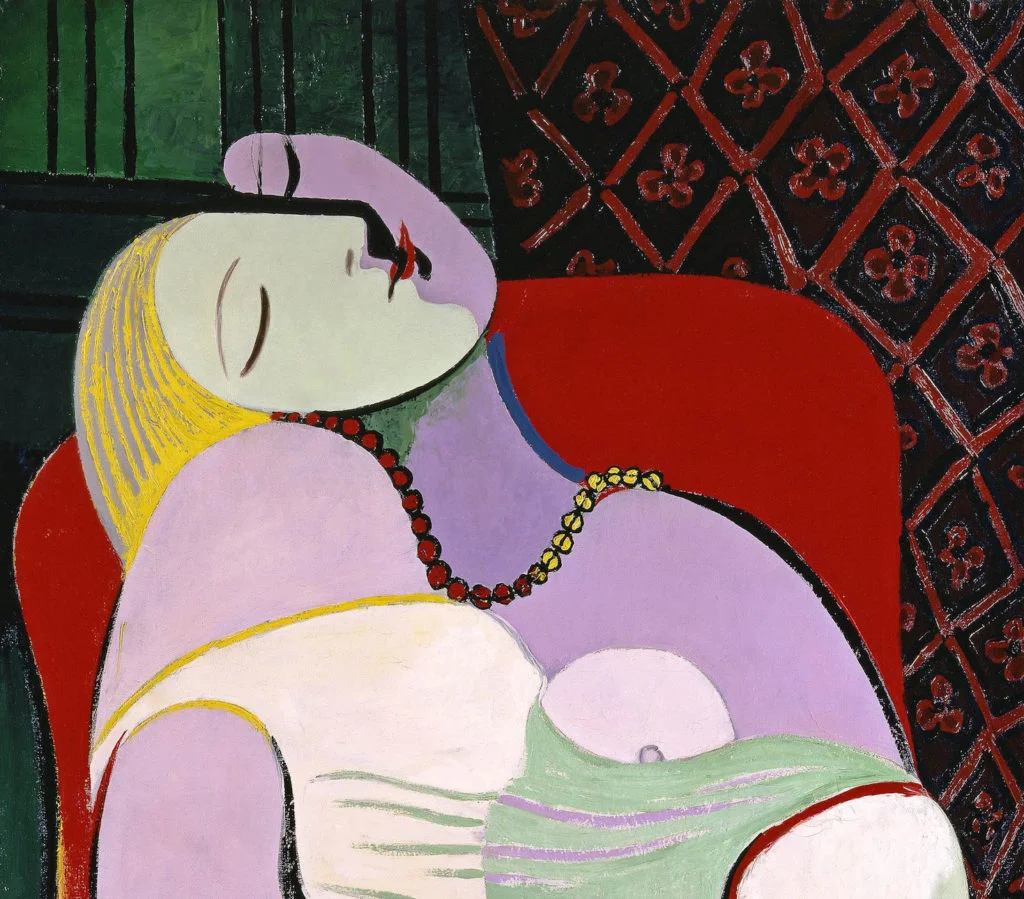
Pablo Picasso, Le Rêve (The Dream) (1932). Private collection, image ©Succession Picasso/DACS 2017.
Tate Modern has joined the Picasso Museum in Paris in a "once in a lifetime" exhibition that will focus on some of the biggest masterpieces created by Pablo Picasso at the height of his passionate and psychologically challenging love affair with Marie-Thérèse Walter.
Picasso met Walter during his marriage to his first wife Olga Khokhlova, a Russian ballerina and mother of his son Paulo. In a chance encounter in front of Paris' Galeries Lafayette department store, Picasso, then 45 first saw the model at age 17. Their relationship lasted nearly a decade, and in 1935, Walter gave birth to their daughter, Maya Picasso (later Maya Widmaier-Picasso).
The exhibition featuring more than 100 paintings, sculptures, and works on paper will launch at the Paris museum in October and move to London in March 2018.
A show superstar will be the 1932 masterpiece Le Rêve (The Dream), in which "a luminous Walter sits on a red armchair with her left breast exposed; her eyes closed and her head titled to one side, she’s smiling in reverie, writes ArtNet.
Le Rêve has never been shown in the UK. It was sold in 2013 by Las Vegas casino powerhouse Steve Wynn to hedge fund manager Steven A. Cohen at a price believed to be the highest price paid by a US collector for an artwork.
Previously, AOC explored Picasso's relationship with women -- and its intersection with global politics, including the Republican War on Women in America. With the arrival of President Trump, this essay is more timely than ever. It was inspired by comments a 61-year-old Picasso told Françoise Gilot in 1943, and I wrote it a few weeks before heading to Washington DC on April 7, in a rally that supported Planned Parenthood.
"Women are machines for suffering," Picasso said. "For me there are only two kinds of women: goddesses and doormats."
Picasso Believed Women Were Goddesses Or Doormats | Sound Familiar? AOC Women's News
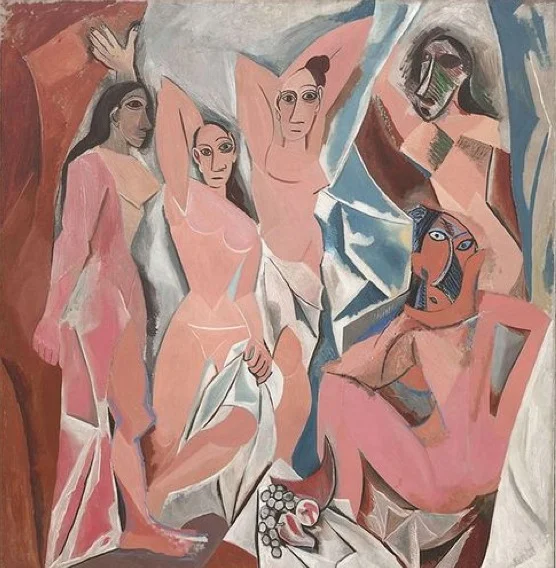
‘LES DEMOISELLES D’AVIGNON’ BY PABLO PICASSO

Natalie Portman Channels Demi Moore With Hew Own Pregnancy Photo For Vanity Fair's Hollywood Issue
/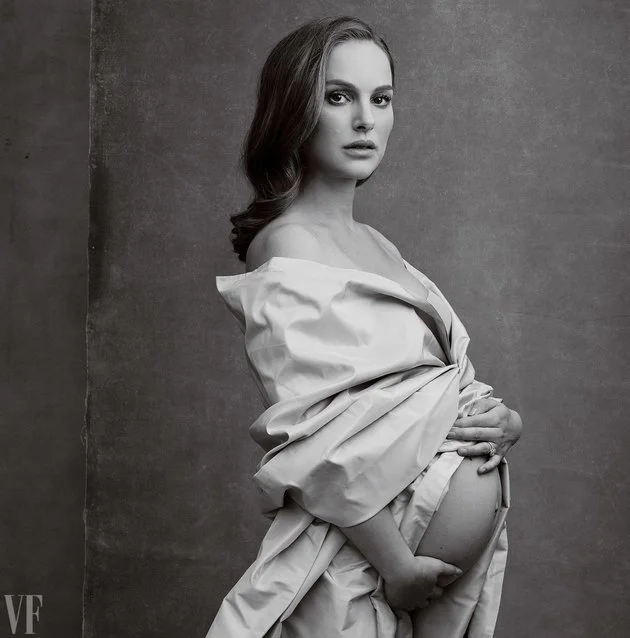
In what will surely become an iconic photo, a pregnant Natalie Portman channels the 1991 photo of a naked and pregnant Demi Moore, shot for Vanity Fair's August issue. Portman joins Emma Stone, Lupita Nyong’o, Amy Adams, Natalie Portman, Ruth Negga, Dakota Fanning, Elle Fanning, Aja Naomi King, Janelle Monae, Greta Gerwig and Dakota Johnson on the cover of Vanity Fair's March 2017 Hollywood issue, also shot by Annie Leibovitz.
Vanity Fair acknowledges the inspiration, writing that while "the reference is clear, the moment is Portman's alone."
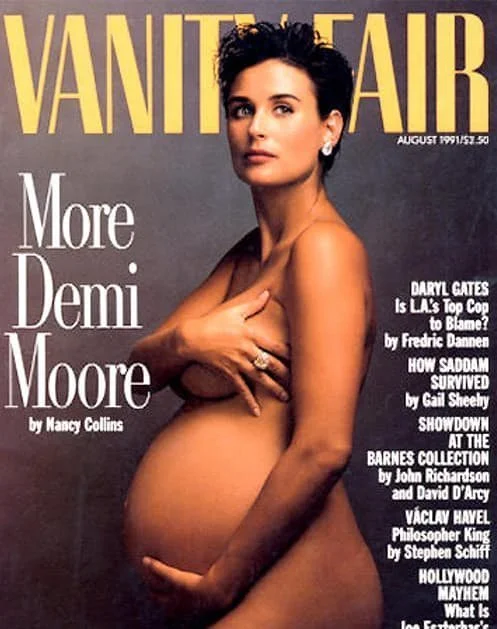
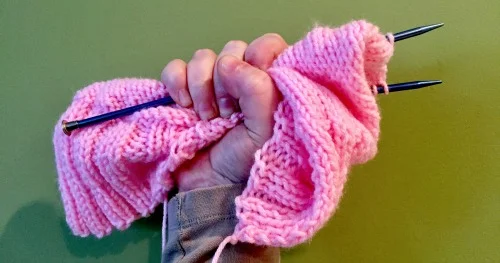
How sad that this cover was shot before the November 21 March for Women. Imagine if we had one or two Pussyhats anchored by those vivid red and pink hues. Read my new article: Step 2 For Pussyhat Power: How About Yarnbombing America From Sea To Shining Sea?


Did Trump Affect Cuba's Decision To Cancel Collaborative Show With The Bronx Museum
/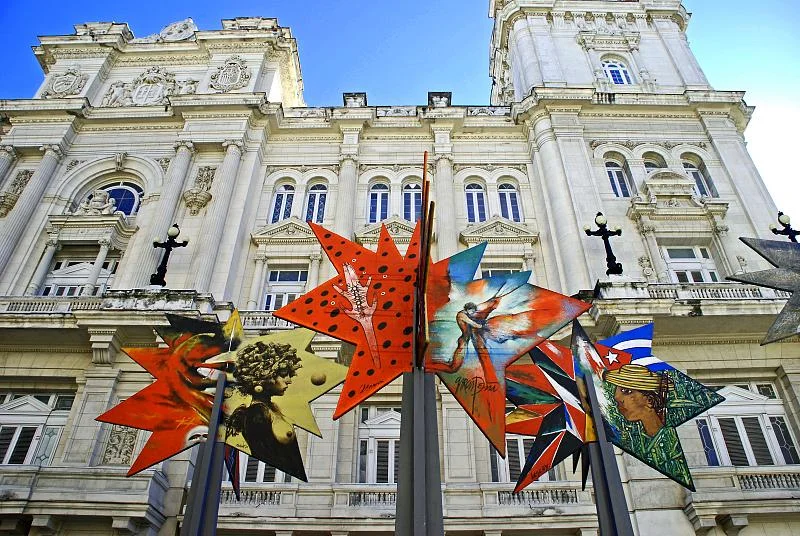
The National Museum of Fine Arts in Havana has -- for the present -- pulled out of a collaborative exibit with the Bronx Museum. The planned initiative called 'Wild Noise', opening February 17, was to include works from the Bronx Museum that traveled to its sister Havana institution in 2015, coupled with 60 works by Cuban artists coming from Havana to the Bronx.
The Bronx museum's executive director, Holly Block said: her Cuban counterparts at the National Museum did not say whether their hesitation stemmed from fears about possible diplomatic uncertainties under a Trump administration. “We didn’t get a no from them but we also didn’t get a final yes,” Ms. Block said. “So we decided that in good faith we’re going to do this exhibition instead.”
There is a high probability that the Cuban government is concerned about whether state-owned art works from Cuba could be endangered with a possibility looming of a seizure of them by the US federal government. Such an action might be taken to satisfy legal claims by Cuban Americans seeking payment for unsatisfied judicial claims connected to property confiscated in Cuba after Fidel Castro seized power in 1959.